Amaryllis ‘Chico’ (Hippeastrum)
What is Amaryllis ‘Chico’ (Hippeastrum)? Amaryllis ‘Chico’ (Hippeastrum) is a stunning flowering plant known for its large, showy blooms and its ease of.
What is Amaryllis ‘Chico’ (Hippeastrum)?
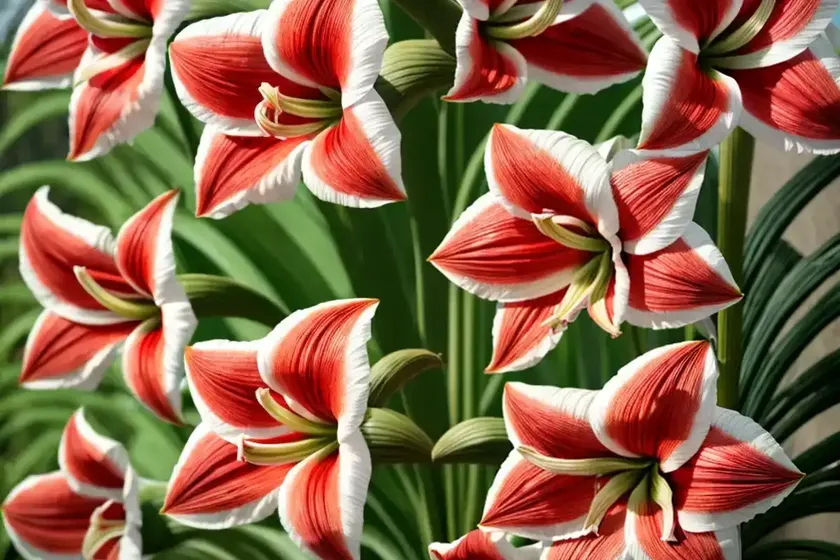
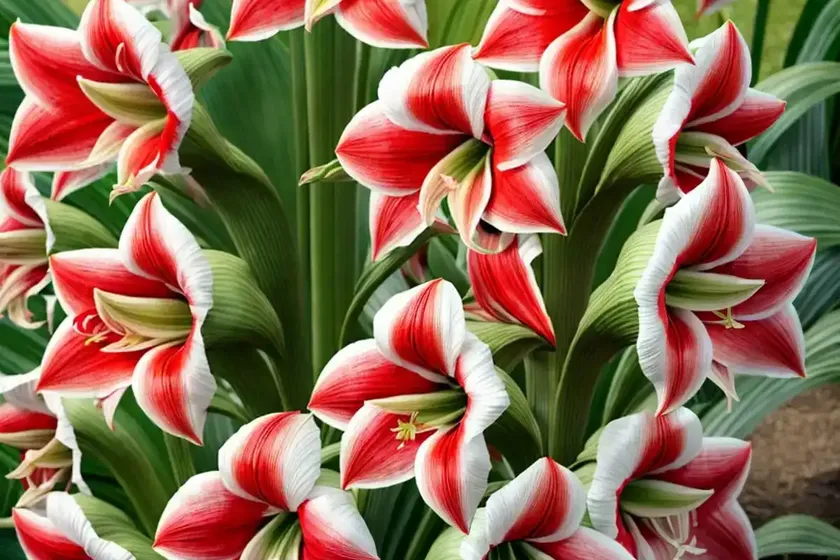
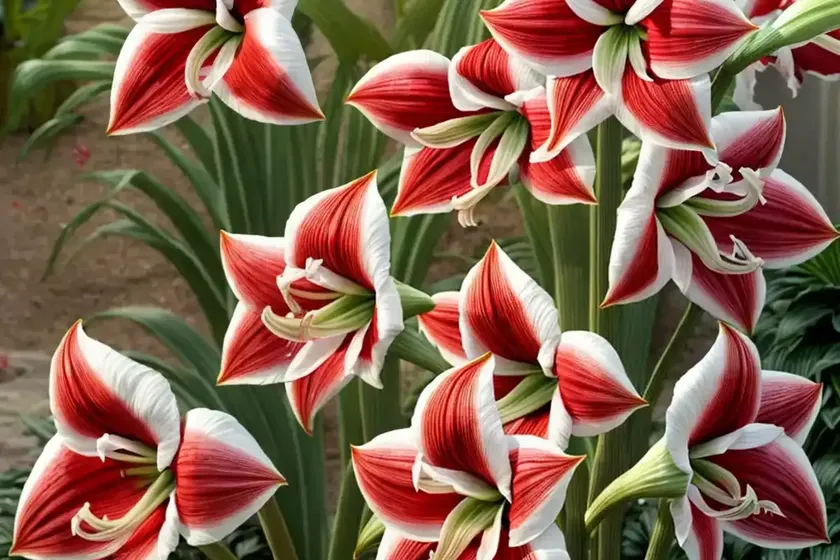
Amaryllis ‘Chico’ (Hippeastrum) is a stunning flowering plant known for its large, showy blooms and its ease of care. It belongs to the genus Hippeastrum, which is native to South America and consists of around 90 species [1]. The ‘Chico’ variety of Amaryllis is particularly favored for its compact size and vibrant flowers, making it a popular choice for indoor gardening.
This comprehensive guide will provide you with all the essential information you need to effectively care for and cultivate Amaryllis ‘Chico’ plants, including their cultural requirements, uses, propagation techniques, common diseases, and much more. Let’s dive into the fascinating world of Amaryllis ‘Chico’ care and maintenance.
Key Takeaways – Amaryllis ‘Chico’ (Hippeastrum)
Before delving into the specifics of caring for Amaryllis ‘Chico’, let’s explore some key takeaways about this beautiful plant:
- Amaryllis ‘Chico’ (Hippeastrum) is prized for its stunning, vibrant flowers and manageable size, making it ideal for indoor and container gardening.
- The plant requires ample sunlight, regular watering, and well-drained soil to thrive.
- Amaryllis ‘Chico’ can be propagated through bulb division and offsets, providing an excellent opportunity for expanding your plant collection.
- While generally low-maintenance, the plant is susceptible to certain diseases and pests that can be managed effectively with proper care and attention.
- Amaryllis ‘Chico’ adds a touch of elegance and color to any setting, making it a popular choice for both seasoned and novice gardeners.
Now that we have an overview of what makes Amaryllis ‘Chico’ such a cherished plant, let’s explore the specific aspects of its care and cultivation in detail.
Culture
The cultural requirements of Amaryllis ‘Chico’ encompass various factors that are crucial for its overall health and flourishing. Understanding these aspects is essential for providing the best possible environment for your plant to thrive.
Uses
Amaryllis ‘Chico’ serves several practical and aesthetic purposes, including:
-
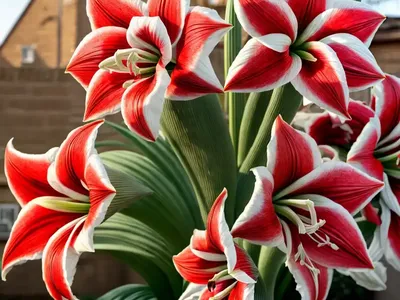
Indoor Decoration: The vibrant, trumpet-shaped flowers of Amaryllis ‘Chico’ make it an excellent choice for brightening up indoor spaces, such as living rooms, offices, and lobbies.
-
Gift Giving: With its striking blooms and easy maintenance, Amaryllis ‘Chico’ is a popular gift item, bringing joy and beauty to the recipient’s home.
-
Seasonal Display: Due to its ability to bloom indoors, ‘Chico’ Amaryllis can be part of seasonal displays, particularly during the winter months, when its colorful flowers add warmth to the surroundings.
Water
A crucial aspect of caring for Amaryllis ‘Chico’ is providing optimal watering. The following guidelines can help you ensure that your plant receives the right amount of moisture:
-
Watering Schedule: During the growing season, water the plant thoroughly when the top 1 to 2 inches (2.5 to 5 cm) of the soil feels dry. Take care not to overwater, as excessive moisture can lead to bulb rot.
-
Reduced Watering during Dormancy: When the plant enters its dormant phase after blooming, gradually reduce watering to allow the soil to dry out slightly between waterings.
Sunlight
Adequate sunlight is vital for the healthy growth and flowering of Amaryllis ‘Chico’. Consider the following sunlight requirements for optimal plant care:
-
Direct Sunlight: Place the plant in a location that receives bright, indirect sunlight. South- or west-facing windows are often suitable for providing the necessary light levels.
-
Rotate the Plant: To ensure even growth and flowering, rotate the plant periodically to allow all sides to receive adequate sunlight.
Fertilizer
Proper fertilization is essential for supporting the growth and blooming of Amaryllis ‘Chico’. Consider the following guidelines for fertilizing your plant:
-
Fertilizing Schedule: During the active growth phase, feed the plant with a balanced, water-soluble fertilizer every 2 to 4 weeks.
-
Reduced Fertilization during Dormancy: When the plant is dormant, withhold fertilization to allow it to rest and prepare for the next growing season.
Soil
The right soil composition is vital for the healthy development of Amaryllis ‘Chico’. Consider the following soil requirements for optimal plant care:
-
Well-Draining Soil: Plant the Amaryllis bulb in a well-draining potting mix to prevent waterlogging, which can lead to bulb and root rot.
-
Ample Organic Matter: Including organic matter, such as peat moss or well-rotted compost, in the potting mix can provide essential nutrients and improve soil structure.
Pruning
Pruning plays a crucial role in maintaining the health and appearance of Amaryllis ‘Chico’. Follow these basic guidelines for effective pruning:
-
Faded Blooms: Deadhead or remove faded flowers promptly to encourage the plant to channel its energy into producing new blooms.
-
Dormancy Pruning: Once the plant enters its dormant phase, trim back any yellowing or withered leaves to promote a tidy appearance during the rest period.
Propagation
Understanding the propagation techniques for Amaryllis ‘Chico’ can provide you with the means to expand your plant collection and share its beauty with others. Consider the following propagation methods:
-
Bulb Division: Divide mature bulbs during the dormant season, ensuring that each division has several healthy roots and at least one growing point. Replant the divisions in separate containers to allow them to thrive and develop new growth.
-
Offsets: Amaryllis bulbs produce offsets, or smaller bulbs, alongside the main bulb. These offsets can be carefully removed and replanted to propagate new plants.
Container Popularity
Amaryllis ‘Chico’ is highly favored as a container plant due to its manageable size and stunning blooms. Container gardening allows you to enjoy the beauty of this plant indoors and provides the flexibility to move it to different locations based on its sunlight and temperature preferences.
When choosing a container for your Amaryllis ‘Chico’, consider the following factors:
-
Size: Select a container that provides ample space for the bulb and allows for at least 1 to 2 inches (2.5 to 5 cm) of additional room around the bulb to accommodate root growth.
-
Drainage Holes: Opt for a container with drainage holes to prevent water from accumulating at the bottom, which can lead to root rot.
-
Material: While various materials can be suitable, such as ceramic, terracotta, or plastic, ensure that the chosen container is sturdy and provides stability for the growing plant.
Common Diseases
Despite being relatively low-maintenance, Amaryllis ‘Chico’ is susceptible to certain diseases that can affect its overall health and blooming performance. Understanding these diseases and their diagnosis is crucial for effective management.
Disease Diagnosis
Being able to identify common diseases that can affect Amaryllis ‘Chico’ is essential for prompt intervention and effective control measures. Look out for the following symptoms:
-
Basal Rot: This fungal disease manifests as soft, decaying tissues at the base of the plant, often accompanied by a foul odor. The affected bulb may also exhibit discoloration and mushy texture.
-
Leaf Blight: Symptoms include the appearance of brown, water-soaked spots on the foliage, which can rapidly enlarge and lead to wilting and yellowing of the leaves.
-
Botrytis Blight: Also known as gray mold, this disease presents as fuzzy, grayish mold on the leaves and flowers, often in humid conditions.
Disease Management
Effective disease management strategies can help protect your Amaryllis ‘Chico’ from the impact of common diseases. Consider the following measures:
-
Preventive Measures: Ensure proper air circulation around the plant, avoid overhead watering, and maintain a clean growing environment to minimize the risk of fungal diseases.
-
Careful Watering: Water the plant at the soil level, avoiding wetting the foliage, to reduce the likelihood of foliar diseases.
-
Quarantine Infected Plants: If a plant shows signs of disease, immediately isolate it to prevent the spread of the pathogen to other healthy plants.
Common Pests
Amaryllis ‘Chico’ can also be susceptible to certain pests that can compromise its health and blooming potential. Understanding these pests and their management is crucial for maintaining the plant’s well-being.
Common Pests
Be on the lookout for the following common pests that can affect Amaryllis ‘Chico’:
-
Aphids: These tiny insects often congregate on the undersides of the leaves, sucking sap and causing leaf distortion and yellowing.
-
Spider Mites: Recognizable by the fine webbing they produce, spider mites can cause stippled, discolored leaves and overall weakening of the plant.
-
Mealybugs: These soft-bodied insects can cluster on the plant, particularly in leaf axils and along the stems, damaging the plant through their feeding activity.
Pest Management
Implementing effective pest management strategies can help safeguard Amaryllis ‘Chico’ from the detrimental effects of common pests. Consider the following measures:
-
Natural Predators: Introduce natural predators such as ladybugs or lacewings to help control aphid and mealybug populations.
-
Water Sprays: Use a strong jet of water to dislodge and remove spider mites from the plant, reducing their numbers and the risk of damage.
-
Organic Pest Control: Consider using insecticidal soaps or neem oil as organic pest control options to manage aphids, mealybugs, and other soft-bodied pests effectively.
Botanist’s Tips
We have gathered some valuable tips for successfully caring for and cultivating Amaryllis ‘Chico’:
-
Monitor Watering Closely: Pay close attention to the plant’s watering needs, adjusting the frequency based on environmental conditions and the stage of growth.
-
Inspect Regularly: Periodically inspect the plant for signs of pests or diseases, addressing any issues promptly to prevent them from spreading.
-
Support for Tall Stems: Use stakes or trellises to provide support for the tall flower stems, preventing them from bending or toppling over as the blooms develop.
-
Optimize Growing Conditions: Ensure that the plant receives optimal growing conditions, including adequate sunlight, proper watering, and suitable temperatures to support healthy growth and flowering.
-
Practice Patience: Understand that Amaryllis ‘Chico’ may take some time to acclimate and bloom after being planted or repotted. Exercise patience and provide consistent care to help the plant thrive.
Fun Facts
To further enhance your appreciation for Amaryllis ‘Chico’, here are some captivating and lesser-known facts about this delightful plant:
-
Amaryllis ‘Chico’ is an excellent choice for novice gardeners due to its relatively undemanding care requirements and rewarding blooming performance.
-
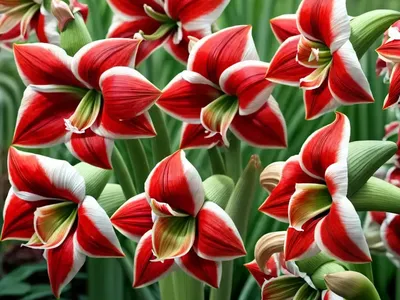
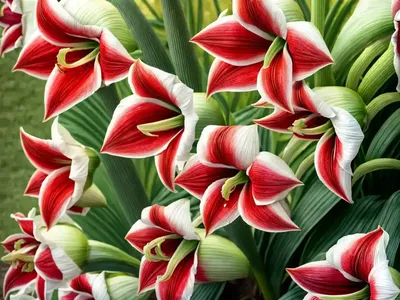
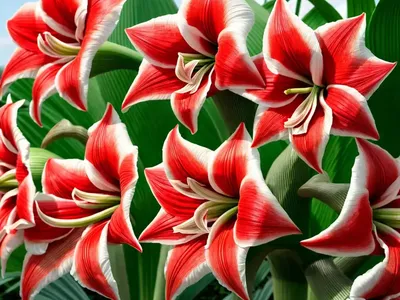
The blooms of Amaryllis ‘Chico’ can vary in color, ranging from radiant reds and pinks to soft whites and even bicolor combinations, adding diversity to its visual appeal.
-
In addition to its visual beauty, Amaryllis ‘Chico’ can also add a delightful fragrance to indoor spaces, especially during the blooming period, enhancing the sensory experience.
-
Amaryllis ‘Chico’ bulbs can multiply and produce offshoots over time, allowing for natural propagation and the expansion of your plant collection without additional investment.
-
The genus name Hippeastrum translates to “knight’s star,” reflecting the striking and commanding presence of the plant’s showy flowers.
Links to External Resources
For further insights and detailed information about Amaryllis ‘Chico’ care and cultivation, consider exploring the following external resources:
-
Royal Horticultural Society (RHS): The RHS provides comprehensive guidance on growing Amaryllis ‘Chico’ indoors, covering key aspects of care and maintenance [2].
-
University of Florida IFAS Extension: Explore valuable resources on bulbous plant care, including Amaryllis ‘Chico’, offering practical tips and best practices [3].
-
American Society for the Prevention of Cruelty to Animals (ASPCA): While primarily focused on pet safety, the ASPCA’s list of toxic and non-toxic plants can help ensure a safe environment for Amaryllis ‘Chico’ and other houseplants [4].
By leveraging the insights from these reputable sources, you can further enhance your knowledge of Amaryllis ‘Chico’ care and create an optimal environment for its successful growth.
In conclusion, Amaryllis ‘Chico’ (Hippeastrum) exemplifies a perfect blend of beauty and simplicity, making it a delightful addition to any indoor garden or decorative space. By understanding and applying the recommended cultural practices, including watering, sunlight, fertilization, soil, pruning, propagation, and disease and pest management, you can ensure the optimal health and blooming performance of this charming plant. Whether you are an experienced gardener or a beginner looking to embark on your plant care journey, Amaryllis ‘Chico’ offers a rewarding and captivating experience that is sure to brighten your living spaces with its vibrant presence.
References
[1] Hippeastrum Species. Retrieved from Royal Horticultural Society.
[2] Amaryllis Care Guide. Retrieved from Royal Horticultural Society.
[3] Bulbs for Florida. Retrieved from University of Florida IFAS Extension.
[4] Toxic and Non-Toxic Plants. Retrieved from American Society for the Prevention of Cruelty to Animals.