Amaryllis ‘Benfica’ (Hippeastrum)
Plants have always been an integral part of human life, providing us with food, medicine, and aesthetic pleasure. In recent years, the interest in indoor.
Plants have always been an integral part of human life, providing us with food, medicine, and aesthetic pleasure. In recent years, the interest in indoor gardening and ornamental plants has soared, with people seeking to bring nature’s beauty into their homes. One such popular ornamental plant is the Amaryllis ‘Benfica’ (Hippeastrum), prized for its stunning flowers and relatively easy care requirements.
In this comprehensive guide, we will delve into the world of Amaryllis ‘Benfica’, exploring every aspect of its cultivation, care, and maintenance. Whether you are a seasoned plant enthusiast or a beginner looking to add a touch of elegance to your living space, this guide will provide you with all the information you need to nurture and appreciate this beautiful plant.
Let’s start by understanding what exactly the Amaryllis ‘Benfica’ is and the key takeaways for its care and cultivation.
What is Amaryllis ‘Benfica’ (Hippeastrum)?
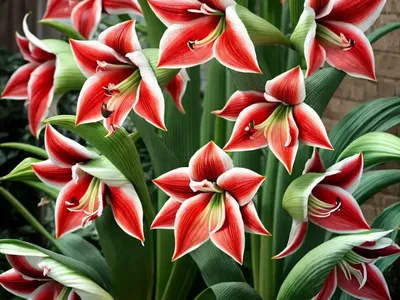
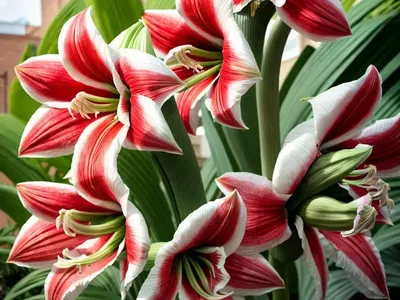
Amaryllis ‘Benfica’ is a cultivar of the genus Hippeastrum, which is a group of flowering bulbs native to tropical and subtropical regions of the Americas. The Amaryllis ‘Benfica’ variety is renowned for its large, showy flowers, making it a popular choice for indoor and outdoor ornamental gardening.
Key Takeaways – Amaryllis ‘Benfica’ (Hippeastrum)
Before we dive into the specifics of caring for Amaryllis ‘Benfica’, let’s summarize the key takeaways for its cultivation and care:
- Amaryllis ‘Benfica’ requires well-draining soil and adequate moisture for optimal growth.
- Adequate sunlight is essential for the healthy development of Amaryllis ‘Benfica’.
- Fertilize the plant regularly during the growing season to promote robust flowering.
- Pruning spent flowers and yellowing foliage is essential for maintaining the plant’s health and appearance.
- Amaryllis ‘Benfica’ can be propagated through offsets for the expansion of your plant collection.
Now that we have an overview of Amaryllis ‘Benfica’, let’s explore each aspect of its care and cultivation in detail.
Culture
Uses
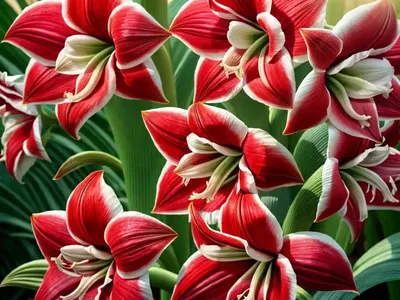
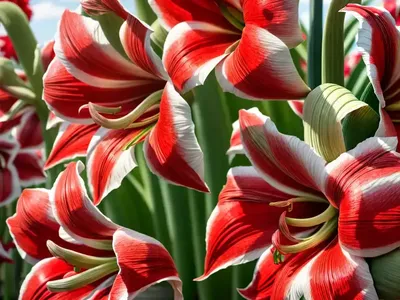
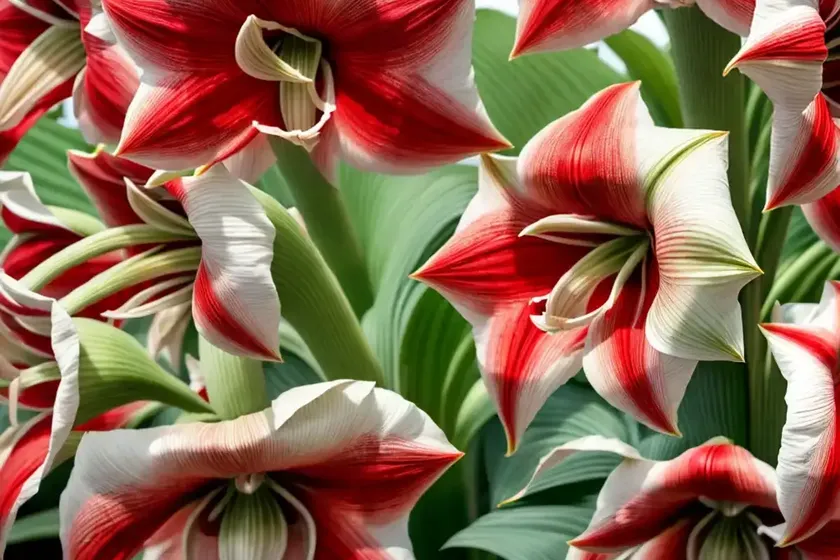
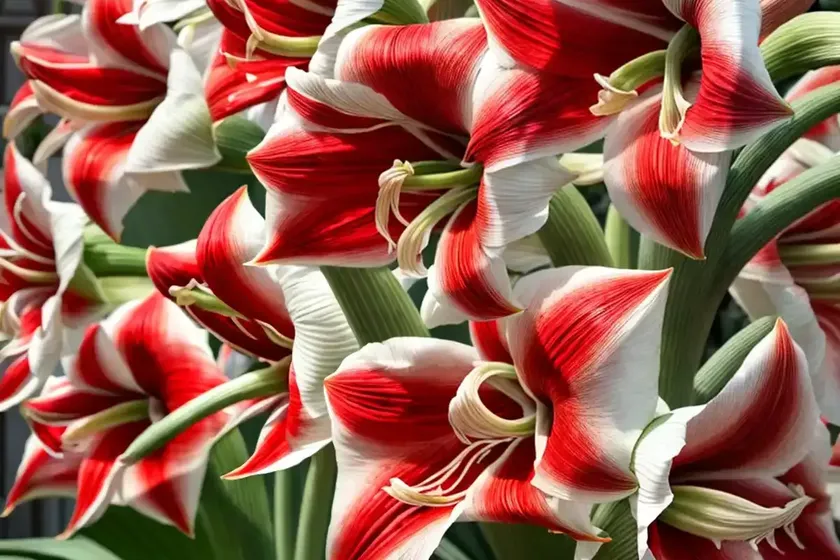
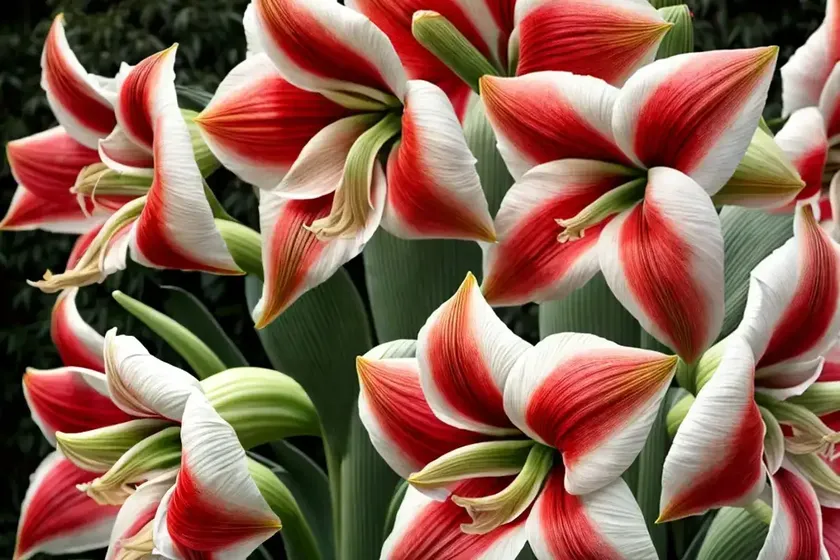
Amaryllis ‘Benfica’ is primarily cultivated for its ornamental purposes, admired for its large, trumpet-shaped flowers that come in various shades, including red, pink, and white. The plant’s striking blooms make it a popular choice for indoor decoration, floral arrangements, and gifting on special occasions.
Water
Proper watering is crucial for the health and vitality of Amaryllis ‘Benfica’. During the growing season, which typically spans from late winter to early summer, maintain moderately moist soil. However, it’s important to allow the soil to dry out slightly between waterings to prevent waterlogged conditions, which can lead to root rot.
In contrast, during the dormant period, which usually follows the blooming phase, water the plant sparingly. Reduce watering frequency and only moisten the soil when it becomes dry to the touch, allowing the plant to rest and conserve energy for the next flowering cycle.
Sunlight
Amaryllis ‘Benfica’ thrives in bright, indirect light. When grown indoors, place the plant near a window that receives ample sunlight, but ensure that it is shielded from direct, intense rays, which can scorch the leaves and flowers. Outdoors, choose a location with partial shade, especially in regions with hot, intense sun, to protect the plant from sunburn.
Fertilizer
To support the vigorous growth and abundant flowering of Amaryllis ‘Benfica’, regular fertilization is essential. During the active growing phase, apply a balanced liquid fertilizer every two to four weeks, following the manufacturer’s recommended dosage. This practice will provide the plant with essential nutrients, promoting strong, healthy foliage and prolific flower production.
After the flowering period and into the dormant phase, discontinue fertilization to align with the plant’s reduced metabolic activity. Resume fertilization as the plant transitions back into the growth phase, signaling the onset of new flower development.
Soil
Well-draining, nutrient-rich soil is critical for the successful cultivation of Amaryllis ‘Benfica’. A loose, friable potting mix that allows excess water to drain away swiftly while retaining sufficient moisture is ideal for the plant. A mix formulated specifically for bulbs or a combination of potting soil, perlite, and sand can provide the proper balance of aeration and moisture retention.
When repotting or planting Amaryllis ‘Benfica’, ensure that the bulbs are not buried too deeply, with the upper one-third to one-half of the bulb protruding above the soil surface to prevent rot and promote healthy growth.
Pruning
Pruning and deadheading are essential practices for maintaining the health and aesthetic appeal of Amaryllis ‘Benfica’. Remove spent flowers by cutting the stem close to the base to divert the plant’s energy from seed production back into bulb development. Additionally, trim yellowing or withered foliage to tidy up the plant and prevent the spread of diseases.
Pruning should be carried out with clean, sharp scissors or gardening shears to minimize damage to the plant and reduce the risk of infection. Regular inspection of the plant will allow you to identify and promptly remove any deteriorating or diseased portions, contributing to the overall well-being of Amaryllis ‘Benfica’.
Propagation
Amaryllis ‘Benfica’ can be propagated through offsets, which are small bulbils that develop around the parent bulb. To propagate the plant, carefully separate the offsets from the main bulb, ensuring that each offset has its own root system. Plant the offsets in individual pots with well-draining soil and treat them according to the same care guidelines as mature Amaryllis ‘Benfica’ plants.
Propagation through offsets allows you to expand your collection of Amaryllis ‘Benfica’ while maintaining the distinct characteristics of the parent plant. With proper care, the propagated offsets will mature into blooming plants, rewarding you with the same stunning flowers as the original specimen.
Container
Amaryllis ‘Benfica’ is well-suited for container gardening, making it an excellent choice for indoor and balcony cultivation. When selecting a container for the plant, opt for a pot with drainage holes that allow excess water to escape, preventing waterlogged conditions that can harm the plant. Additionally, choose a container that provides ample room for the bulbs to grow and expand, ensuring a comfortable environment for the plant’s roots.
Popularity
The popularity of Amaryllis ‘Benfica’ stems from its striking flowers, which bring a splash of color and elegance to any space. With its relatively low maintenance requirements and the ability to thrive in containers, the plant has gained a strong following among gardening enthusiasts, interior decorators, and individuals seeking to add natural beauty to their surroundings.
Common Diseases
While Amaryllis ‘Benfica’ is a relatively resilient plant, it is susceptible to certain diseases and health issues that can impact its growth and flowering. Being aware of these common diseases and their symptoms is crucial for timely intervention and effective management.
Disease Diagnosis
-
Botrytis Blight: Also known as gray mold, botrytis blight can affect Amaryllis ‘Benfica’ during periods of excessive moisture and poor air circulation. Look for fuzzy, grayish mold on the foliage and flowers, and promptly remove affected portions to prevent the spread of the disease.
-
Leaf Scorch: Leaf scorch is characterized by brown, withered leaf tips and margins, often resulting from intense sunlight or insufficient water. Adjust the plant’s environmental conditions to mitigate leaf scorch, ensuring adequate moisture and moderate sunlight exposure.
Common Pests
In addition to diseases, Amaryllis ‘Benfica’ may also be plagued by common pests that can compromise its health and appearance. Vigilant monitoring and proactive pest control measures are essential for keeping the plant pest-free.
Botanist’s Tips
-
Fun Facts: Amaryllis ‘Benfica’ is a cultivar of the Hippeastrum genus, which belongs to the Amaryllidaceae family. Known for its vibrant floral display and ease of cultivation, the plant has been admired for centuries and continues to captivate plant enthusiasts with its beauty and elegance.
-
Links to External Resources: For additional information on Amaryllis ‘Benfica’ care and cultivation, consider exploring the following resources:
-
Royal Horticultural Society – Growing Amaryllis
- The American Horticultural Society – Hippeastrum Care Tips
- University of Florida – Amaryllis Bulb Production Guide
In conclusion, Amaryllis ‘Benfica’ (Hippeastrum) is a captivating and rewarding plant to cultivate, offering a bountiful display of vibrant flowers while demanding relatively simple care. By understanding its cultivation requirements, practicing proper care techniques, and remaining attentive to its health, you can enjoy the beauty and grace of Amaryllis ‘Benfica’ in your home or garden for years to come. Whether you are a novice gardener or an experienced plant enthusiast, the allure of Amaryllis ‘Benfica’ is undeniable, making it a cherished addition to any botanical collection.