Amaryllis ‘Athene’ (Hippeastrum)
Amaryllis ‘Athene’ is a spectacular flowering plant classified under the Hippeastrum genus. It is known for its showy blooms, ease of cultivation, and.
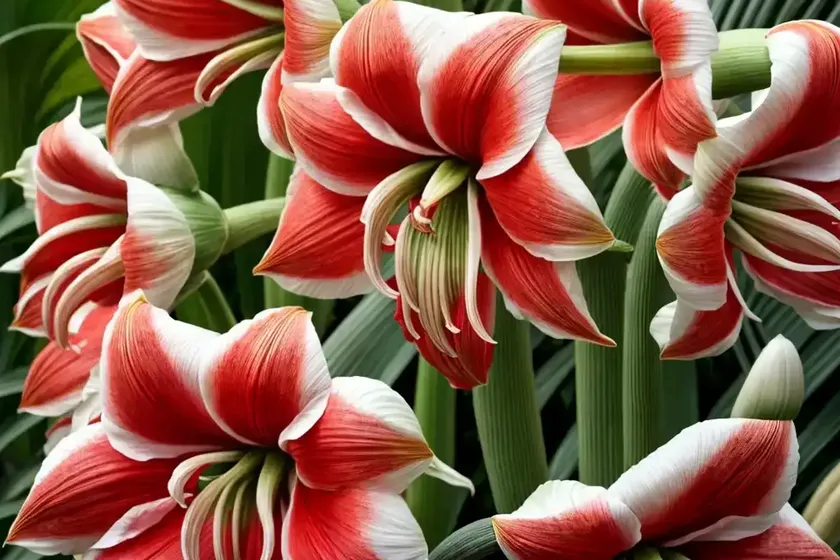
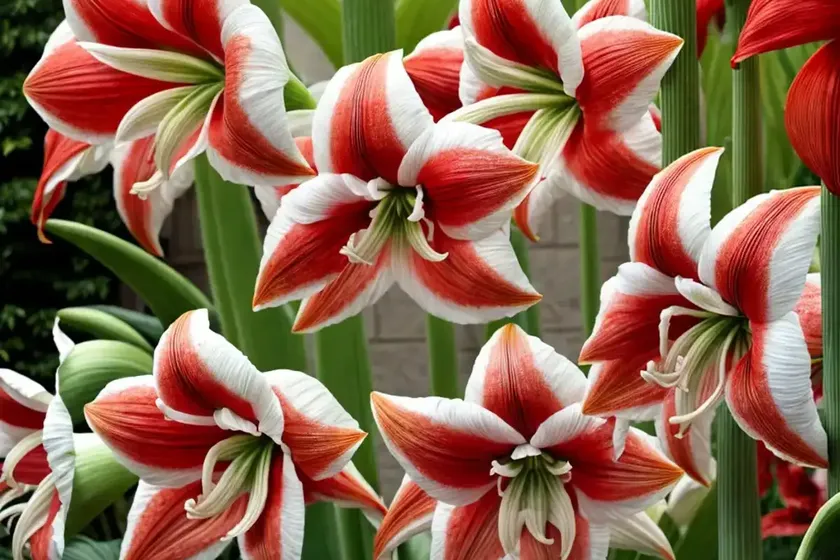
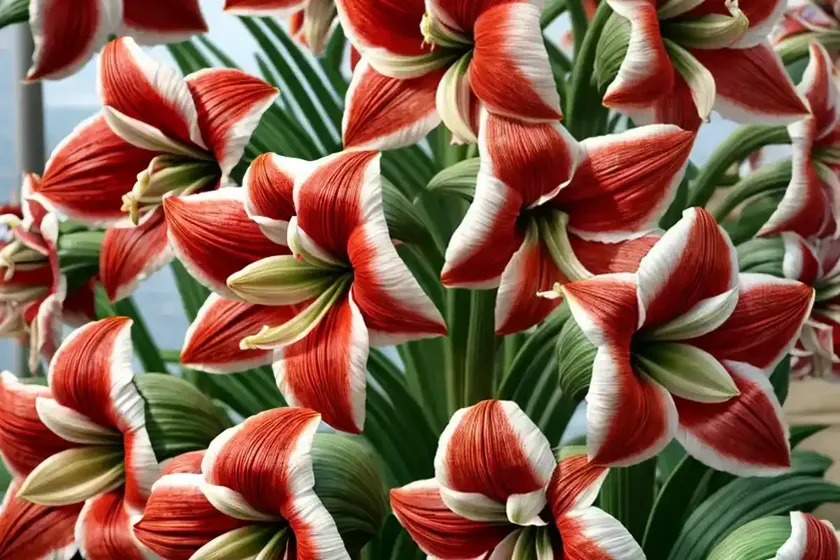
Amaryllis ‘Athene’ is a spectacular flowering plant classified under the Hippeastrum genus. It is known for its showy blooms, ease of cultivation, and versatility. In this guide, we will explore the key aspects of the Amaryllis ‘Athene’, including its culture, uses, care tips, and much more. Whether you are a seasoned plant enthusiast or a beginner looking to add this beauty to your indoor or outdoor space, this comprehensive guide will provide you with the knowledge and insights to help you successfully grow and care for Amaryllis ‘Athene’.
What is Amaryllis ‘Athene’ (Hippeastrum)?
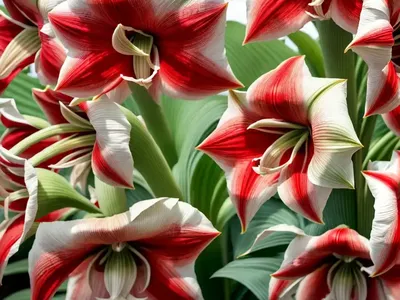
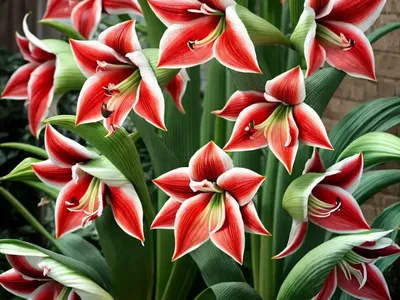
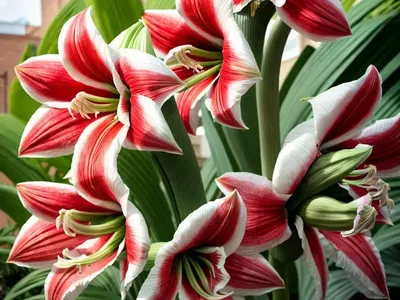
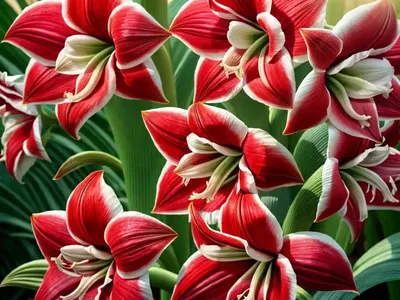
Amaryllis ‘Athene’ is a hybrid variety of Hippeastrum, a genus in the Amaryllidaceae family. These plants are prized for their large, dramatic flowers that come in a range of colors and patterns. The ‘Athene’ variety specifically features stunning white blossoms with delicate pink stripes and subtle green accents, adding an elegant touch to any setting.
Key Takeaways – Amaryllis ‘Athene’ (Hippeastrum)
Before we delve into the detailed care and cultivation aspects of Amaryllis ‘Athene’, let’s take a quick look at the key takeaways:
- Plant Name: Amaryllis ‘Athene’ (Hippeastrum)
- Common Name: Hippeastrum ‘Athene’
- Flower Color: White with pink stripes and green accents
- Family: Amaryllidaceae
- Uses: Indoor and outdoor ornamental plant, cut flower
- Watering: Moderate, avoiding waterlogging
- Sunlight: Bright, indirect light
- Fertilizer: Balanced fertilizer during active growth
- Soil: Well-draining, fertile potting mix
- Pruning: Remove spent flowers and yellowing leaves
- Propagation: Offsets, seeds
- Container: Suitable for pots, containers
- Common Diseases: Red blotch, leaf scorch
- Common Pests: Aphids, spider mites
Now, let’s explore each of these aspects in depth to understand how to care for Amaryllis ‘Athene’ and ensure it thrives in your garden or indoor space.
Culture
Uses
Amaryllis ‘Athene’ is primarily cultivated for its stunning ornamental value. It is a popular choice for both indoor and outdoor decoration due to its striking blooms and ease of care. The flowers also make excellent cut flowers, adding a touch of elegance to floral arrangements and bouquets. Its versatility makes it a perfect addition to homes, offices, and public spaces, bringing a sense of natural beauty and vibrancy to any setting.
Water
Proper watering is essential for the health and vitality of Amaryllis ‘Athene’. During the growing season, it is important to water the plant thoroughly when the top inch of the soil feels dry to the touch. It is crucial to ensure that the soil is well-draining to prevent waterlogging, which can lead to root rot and other issues. Allow excess water to drain away and avoid leaving the plant sitting in standing water.
In the dormant or resting phase, typically after the flowering period, the plant’s water requirements decrease. At this stage, reduce watering and allow the soil to dry out slightly between waterings. However, it is important to maintain some moisture in the soil to prevent the bulb from completely drying out.
Sunlight
Amaryllis ‘Athene’ thrives in bright, indirect light. When grown indoors, it is best to place the plant near a window where it can receive ample natural light without being exposed to direct sunlight, especially during the hottest parts of the day. Outdoors, a partially shaded location that receives dappled sunlight can also be suitable for these plants. Ensuring the right balance of light is crucial for robust growth and prolific flowering.
Fertilizer
Proper fertilization is essential for promoting healthy growth and abundant flowering in Amaryllis ‘Athene’. During the active growing season, which typically occurs in spring and summer, regular feeding with a balanced fertilizer can provide the necessary nutrients for the plant to thrive. A slow-release, balanced fertilizer formulated for flowering bulbs can be applied according to the manufacturer’s instructions.
It is important to avoid over-fertilizing, as this can lead to excessive foliage growth at the expense of flowering. During the dormant phase, reduce or stop fertilization until the plant re-enters its active growth period.
Soil
The right soil is crucial for the successful cultivation of Amaryllis ‘Athene’. A well-draining, fertile potting mix is recommended to ensure adequate aeration and moisture retention while preventing waterlogging. A mix containing organic matter, such as peat moss or compost, can provide the necessary nutrients and structure for healthy root development. Additionally, adding perlite or coarse sand to the potting mix can further enhance drainage and prevent compaction.
Pruning
Pruning Amaryllis ‘Athene’ is a simple but important aspect of its care. Removing spent flowers by snipping them off at the base can promote continuous blooming and prevent the plant from expending energy on seed production. Additionally, removing yellowing or withering leaves can improve the plant’s appearance and overall health. Use clean, sharp scissors or pruning shears to make precise cuts and reduce the risk of damaging the plant.
Propagation
Amaryllis ‘Athene’ can be propagated through offsets or seeds. Offset propagation involves separating the new bulbils or offsets that develop around the base of the parent bulb. Carefully detach the offsets from the main bulb and plant them in separate containers or areas of the garden to establish new plants.
Seeds can also be used for propagation, although this method usually takes longer to yield mature, flowering plants. Collect seeds from the spent flower heads and sow them in a well-prepared seed-starting mix. Provide the seeds with adequate moisture, warmth, and light to encourage germination and initial growth.
Container Popularity
Amaryllis ‘Athene’ is a popular choice for container gardening due to its adaptability to growing in pots and the ability to thrive indoors. The striking flowers and the plant’s overall aesthetic appeal make it a coveted option for adding beauty to patios, balconies, and interior spaces. Furthermore, the relatively compact size of the plant makes it well-suited for container cultivation, allowing individuals with limited garden space to enjoy its stunning blooms.
Common Diseases
Disease Diagnosis
Amaryllis ‘Athene’ is susceptible to certain diseases that can affect its overall health and blooming potential. Red blotch, caused by the fungus Stagonospora curtisii, is a common disease that manifests as reddish-brown lesions on the foliage and flowers. Leaf scorch, often caused by environmental stressors such as excessive heat or inadequate moisture, can result in browning and withering of the leaf margins.
Regularly inspecting the plant for signs of disease, such as unusual spots, discoloration, or wilting, can help in early diagnosis and prompt treatment. Proper cultural care, including adequate watering, appropriate fertilization, and optimizing growing conditions, can minimize the risk of disease development.
Common Pests
Amaryllis ‘Athene’ may also be targeted by common pests that can impact its growth and vitality. Aphids, small insects that feed on plant sap, are a common pest that can infest the plant, causing stunted growth and distortion of new growth. Additionally, spider mites, which are tiny arachnids, may also affect the plant, leading to visible webbing and stippling on the leaves.
Regular monitoring of the plant for signs of pest infestations, such as the presence of insects, webbing, or stippling, can aid in early detection and prompt intervention. Natural predators, such as ladybugs and predatory mites, can help control aphid and spider mite populations in an ecological manner.
Botanist’s Tips
As a botanist specializing in bulbous plants and ornamental species, I have gathered valuable insights and tips for successfully caring for Amaryllis ‘Athene’. Here are some expert recommendations to help you cultivate and enjoy this beautiful plant to its fullest potential:
- Monitor moisture levels closely, aiming for a balance between adequate hydration and avoiding waterlogged conditions.
- Provide stable, moderate temperatures for the plant, avoiding sudden fluctuations that can stress the plant.
- Consider using a well-draining, aerated potting mix to support healthy root growth and prevent water accumulation.
- Support the plant with stakes or gentle ties if necessary, especially during the flowering stage, to prevent flopping or damage to the blooms.
- Regularly inspect the plant for signs of pests and diseases, taking proactive measures to address any issues promptly.
Fun Facts
- The name “Amaryllis” is derived from the Greek word “amarysso,” which translates to “to sparkle,” capturing the essence of the plant’s radiant blooms.
- Amaryllis bulbs can be kept and nurtured for years, with proper care leading to a perennial display of beautiful flowers.
- These plants are known for their ability to bloom and thrive indoors, providing a touch of natural beauty during the winter months when outdoor gardening may be limited.
Let’s move on to some more detailed information about Amaryllis ‘Athene’ and its cultivation.
Links to External Resources
For more information on Amaryllis ‘Athene’ and related topics, consider exploring the following resources:
- Amaryllis Care Guide – Royal Horticultural Society
- Hippeastrum Plant Profile – The Spruce
- Growing Amaryllis Indoors – University of Missouri Extension
- Amaryllis Planting Guide – Clemson Cooperative Extension
- Hippeastrum Flowering Season – Cornell University College of Agriculture and Life Sciences
- How to Propagate Amaryllis – University of Illinois Extension
- Amaryllis Bulb Size and Selection – University of Minnesota Extension
- Hippeastrum Water Requirements – University of Florida IFAS Extension
- Amaryllis Sunlight Preferences – University of California Master Gardener Program
- Hippeastrum Container Gardening – Michigan State University Extension
- Amaryllis Soil Type – Colorado State University Extension
- Hippeastrum Bloom Colors – University of Arkansas Division of Agriculture
These resources provide valuable insights, practical guidance, and expert recommendations for Amaryllis ‘Athene’ care and cultivation. Whether you are a beginner or an experienced gardener, exploring authoritative sources can enhance your understanding and appreciation of this captivating plant.
At this point, we have covered the foundational aspects of Amaryllis ‘Athene’, including its culture, care tips, uses, and associated resources. Moving forward, we will delve deeper into additional aspects of the plant’s care, such as soil preferences, flowering tips, and seasonal maintenance.
To be continued…