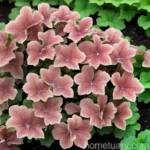
Alum Root (Heuchera richardsonii): A Comprehensive Guide
Alum root (Heuchera richardsonii) is a stunning perennial plant that has been gaining popularity in gardens and landscapes. With its vibrant foliage and delicate flowers, this plant is not only a visual delight but also offers several benefits and uses. This comprehensive guide will delve into all aspects of alum root, from its cultivation and care to its potential medicinal uses and ecological significance.
What is Alum Root (Heuchera richardsonii)?
Alum root (Heuchera richardsonii) is a herbaceous perennial plant belonging to the Saxifragaceae family. This native North American plant is predominantly found in regions with temperate climates, ranging from Alaska to California and as far east as Montana. It is commonly known as alum root due to its astringent properties, which historically made it a popular remedy for various ailments.
Key Takeaways – Alum Root (Heuchera richardsonii)
Before delving into the specifics of cultivating and caring for alum root, it’s important to grasp the key takeaways related to this captivating plant. Here are some essential points to remember:
- Alum Root is a Perennial Plant: As a perennial, alum root returns year after year, making it a sustainable and long-term addition to gardens and landscapes.
- Resilient and Adaptable: This plant is known for its ability to thrive in a range of environments, from moist woodland settings to dry, rocky terrains.
- Aesthetic Appeal: The vibrant foliage and delicate flowers of alum root make it a valuable ornamental addition to gardens, particularly those with partial shade.
- Ecological Significance: Alum root plays a role in supporting wildlife, attracting pollinators, and contributing to the biodiversity of its native habitats.
Now that we have an overview of the plant, let’s explore the specific aspects of its culture and care, its uses, and its significance.
Culture
Understanding the ideal conditions for cultivating alum root is crucial for promoting its growth and ensuring its longevity in gardens and landscapes. Here’s a comprehensive look at the cultural considerations for this plant:
Uses
Alum root offers various uses and benefits, be it for its visual appeal in landscaping or its potential medicinal properties. Let’s explore some of its primary uses:
- Ornamental Plant: The vibrant foliage of alum root, coupled with its delicate flowers, makes it an aesthetically pleasing addition to gardens and landscapes.
- Medicinal Purposes: Historically, alum root has been used in herbal remedies for its astringent and antibacterial properties, offering potential benefits for skin ailments and wound healing.
Water
Appropriate watering is crucial for the health and vitality of alum root. Understanding its water requirements can contribute significantly to its thriving growth. Here are some considerations regarding watering:
- Moderate Moisture: Alum root prefers moderately moist soil, particularly during its active growing season. However, excessive waterlogging should be avoided to prevent root rot.
Sunlight
Alum root’s sun preferences play a pivotal role in its overall health and vigor. Understanding its sunlight needs is essential for determining its placement in gardens and landscapes. Consider the following points related to sunlight:
- Partial Shade: Alum root thrives in partial shade, making it an excellent choice for gardens or areas with dappled sunlight.
Fertilizer
While alum root is relatively low-maintenance, providing adequate nutrients is essential for promoting its growth and enhancing its visual appeal. Consider the following points regarding fertilization:
- Organic Matter: Amending the soil with organic matter, such as compost, can provide the necessary nutrients for alum root’s thriving growth.
Soil
The type of soil in which alum root is planted can significantly influence its overall health and vitality. Understanding its soil preferences is crucial for establishing an optimal growing environment. Consider the following points related to soil:
- Well-Draining Soil: Alum root thrives in well-draining soil to prevent water stagnation around its roots.
- Rich in Organic Matter: Soil enriched with organic matter offers essential nutrients and promotes healthy growth for alum root.
Pruning
Pruning is a vital aspect of maintaining the visual appeal and overall health of alum root. Utilizing proper pruning techniques can contribute to the plant’s longevity and aesthetic appeal. Consider the following points related to pruning:
- Deadheading Flowers: Regular deadheading of spent flowers can promote continuous blooming and prevent the plant from expending energy on seed production.
Propagation
The propagation of alum root offers the opportunity to expand its presence in gardens and landscapes, creating a sustainable and vibrant display. Understanding the methods of propagation is essential for successfully reproducing this captivating plant. Consider the following points related to propagation:
- Division: Alum root can be propagated through division, particularly during its dormant season.
Container Popularity
Alum root’s popularity as a container plant has been steadily increasing, owing to its visual appeal and adaptable nature. Consider the following points regarding its container popularity:
- Aesthetic Display: Alum root’s vibrant foliage and delicate flowers make it a captivating addition to container gardens and landscapes.
Container Common Diseases
While alum root is relatively resilient, it is crucial to be mindful of potential diseases that can affect it when cultivated in containers. Understanding these common diseases is essential for implementing preventive measures. Consider the following points related to container common diseases:
- Root Rot: Excessive moisture in container environments can lead to root rot, impacting the overall health of alum root.
- Fungal Diseases: Poor air circulation in containers can contribute to the development of fungal diseases, necessitating vigilant monitoring and care.
Disease Diagnosis
Diagnosing and addressing potential diseases affecting alum root is crucial for preserving its health and visual appeal in gardens and landscapes. Consider the following points related to disease diagnosis:
- Visual Symptoms: Wilting, discoloration, and unusual spotting on leaves can indicate potential diseases affecting alum root.
Common Pests
As with any plant, alum root is susceptible to certain pests that can impact its growth and overall health. Recognizing these pests is essential for implementing effective pest management strategies. Consider the following points related to common pests:
- Aphids: These sap-sucking insects can infest alum root, leading to distorted growth and potential virus transmission.
- Slugs and Snails: These common garden pests can cause damage to the foliage of alum root, particularly in humid environments.
Botanist’s Tips
Incorporating insights from botanists can offer valuable guidance for cultivating and caring for alum root effectively. Consider the following botanist’s tips:
- Mulching: Applying a layer of organic mulch around the base of alum root can help retain moisture and suppress weed growth.
Fun Facts
Learning intriguing and captivating facts about alum root can deepen one’s appreciation for this unique plant. Consider the following fun facts about alum root:
- Ecological Role: Alum root serves as a valuable source of nectar and pollen for pollinators, contributing to the ecological diversity of its native habitats.
- Native American Uses: Indigenous communities historically used alum root in medicinal remedies, acknowledging its astringent and antibacterial properties.
Links to External Resources
To further expand knowledge and resources related to alum root, the following external links can provide valuable insights and information:
- The American Horticultural Society
- Royal Horticultural Society
- Missouri Botanical Garden
- The Morton Arboretum
Conclusion
Alum root (Heuchera richardsonii) represents a captivating and versatile perennial plant that offers aesthetic value, potential medicinal uses, and ecological significance. By understanding its cultural requirements, uses, and significance, one can effectively cultivate and care for this unique plant, adding a vibrant and sustainable element to gardens and landscapes. Whether it’s as a shade-loving ornamental or an ecological contributor, alum root continues to enrich diverse environments with its vibrant foliage and delicate flowers.