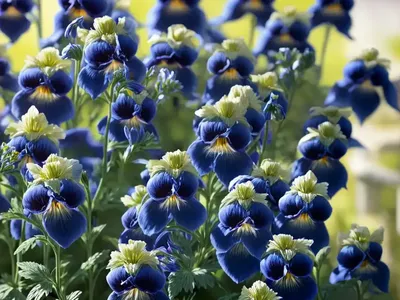
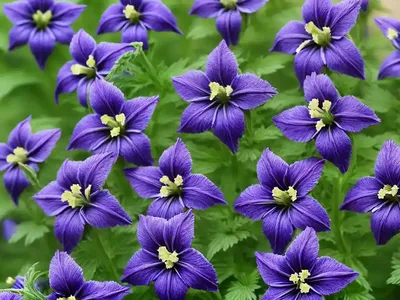
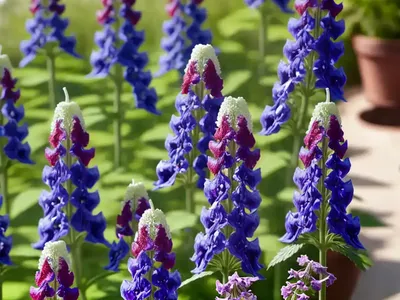
Delphinium ‘Black Eyed Angels’ (Candle Larkspur)
Delphinium ‘Black Eyed Angels’, commonly known as Candle Larkspur, is a stunning and versatile perennial plant with beautiful flowers that add elegance to.
Introduction
Delphinium ‘Black Eyed Angels’, commonly known as Candle Larkspur, is a stunning and versatile perennial plant with beautiful flowers that add elegance to any garden. As a plant scientist with a passion for exploring the diverse world of plants, I am excited to delve into the intricacies of this captivating species.
In this comprehensive guide, we will explore the characteristics, cultivation techniques, maintenance requirements, and much more about Delphinium ‘Black Eyed Angels’. Whether you are a seasoned gardener or a beginner looking to enhance your gardening skills, this guide will provide valuable insights into the world of Candle Larkspur.
What is Delphinium ‘Black Eyed Angels’?
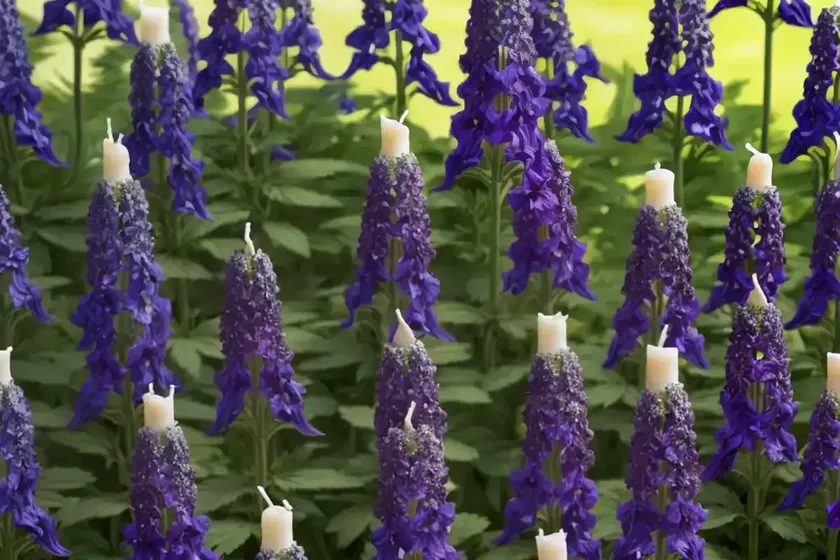
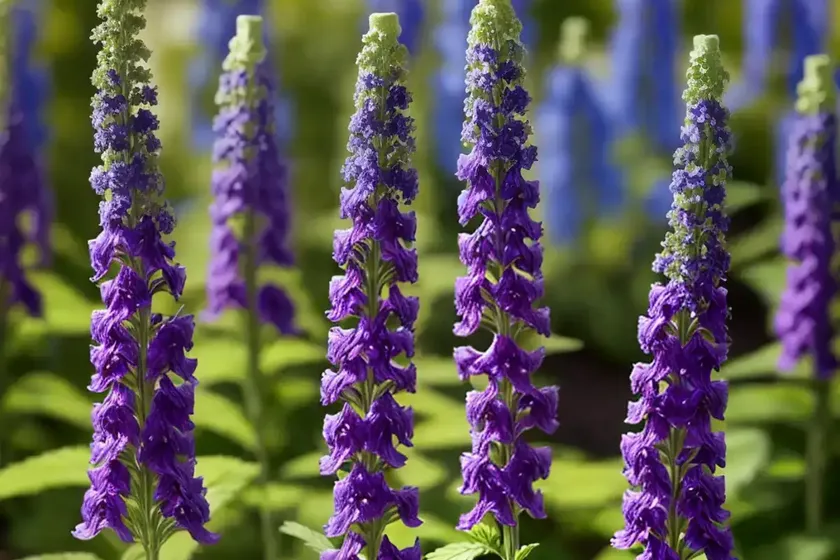
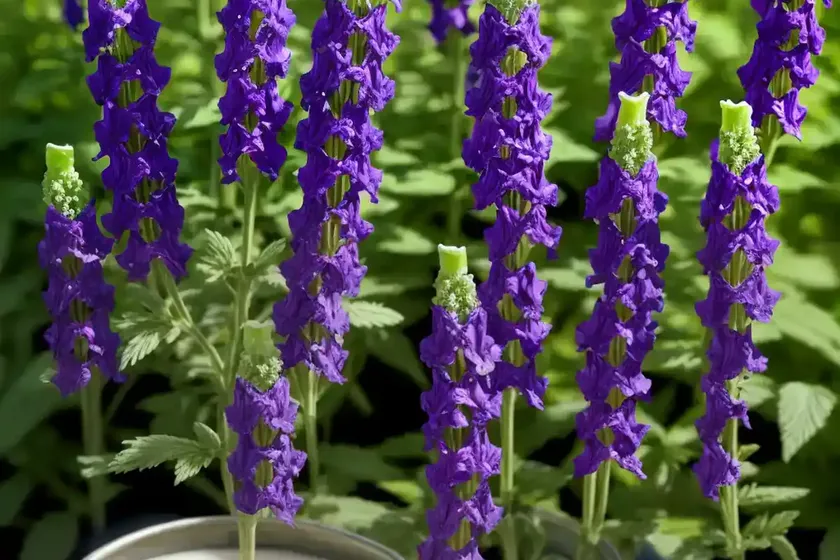
Delphinium ‘Black Eyed Angels’ is a member of the Ranunculaceae family and is native to the temperate regions of the Northern Hemisphere. This striking perennial plant is renowned for its towering spires adorned with vibrant, densely packed flowers. The mesmerizing hues of blue, purple, and white make Delphinium ‘Black Eyed Angels’ a show-stopping addition to any garden or landscape.
Delphinium ‘Black Eyed Angels’ Description
- Botanical Name: Delphinium ‘Black Eyed Angels’
- Common Name: Candle Larkspur
- Family: Ranunculaceae
- Origin: Temperate regions of the Northern Hemisphere
- Height: 3 to 4 feet
- Spread: 1 to 2 feet
- Flower Color: Blue, Purple, White
- Foliage: Deeply lobed, green leaves
- Bloom Time: Late spring to early summer
- USDA Hardiness Zones: 3 to 7
- Lifespan: Perennial
Key Takeaways – Delphinium ‘Black Eyed Angels’ (Candle Larkspur)
Before we delve into the specific aspects of cultivating and caring for Delphinium ‘Black Eyed Angels’, let’s highlight some key takeaways about this enchanting plant.
Delphinium ‘Black Eyed Angels’ Characteristics
- Striking, densely packed flowers in shades of blue, purple, and white
- Towering spires that add vertical interest to the garden
- Deeply lobed, lush green foliage
- Thrives in temperate climates
Candle Larkspur Care Tips
- Requires well-draining soil
- Prefers full to partial sunlight
- Regular watering to maintain soil moisture
- Benefit from staking for support
- Pruning after flowering to encourage reblooming
- Propagation through division or seeds
- Susceptible to certain pests and diseases
Cultivation of Delphinium ‘Black Eyed Angels’
1. Sunlight
Delphinium ‘Black Eyed Angels’ thrives in full to partial sunlight, requiring at least 6 hours of direct sunlight daily. When planted in a location with ample sunlight, the plant displays vigorous growth and produces an abundance of vibrant blooms.
2. Soil
The soil requirements for Candle Larkspur are crucial for its successful cultivation. It thrives in well-draining, fertile soil with a slightly acidic to neutral pH. Amending the soil with organic matter such as compost or well-rotted manure can enhance the soil structure and fertility, providing an ideal growing environment for Delphinium ‘Black Eyed Angels’.
3. Water
A consistent and adequate water supply is essential for the health and vigor of Delphinium ‘Black Eyed Angels’. While it is important to maintain soil moisture, overwatering should be avoided to prevent waterlogging, which can lead to root rot. Mulching around the base of the plant helps in retaining soil moisture and regulating soil temperature.
4. Fertilizer
Appropriate fertilization is a key aspect of nurturing healthy and robust Candle Larkspur plants. A balanced, slow-release fertilizer applied in early spring can provide the necessary nutrients for vigorous growth and prolific flowering. It is essential to follow the recommended dosage and application instructions to prevent over-fertilization.
Pruning and Maintenance
Delphinium ‘Black Eyed Angels’ requires regular maintenance to ensure its continued health and vitality. Proper pruning techniques are essential for managing the plant’s growth and promoting continuous flowering. After the initial bloom, deadheading spent flowers encourages the development of new buds, extending the flowering period and enhancing the overall visual appeal of the plant.
Pruning Techniques
-
Deadheading: Removing spent flowers by cutting the flower stalks down to the base of the plant.
-
Cutting Back: Trimming back the entire plant after the first flowering to encourage a second flush of blooms.
-
Staking: Providing support for the tall flower spikes to prevent bending or breakage, especially in regions with strong winds.
Propagation of Delphinium ‘Black Eyed Angels’
Methods:
-
Division: During the early spring or fall, the plant can be divided by carefully separating the root clumps and replanting them in suitable locations. Division not only allows for the propagation of existing plants but also helps rejuvenate older, crowded clumps.
-
Seeds: Delphinium ‘Black Eyed Angels’ can also be propagated from seeds, which should be sown in well-prepared seedbeds or containers. Lightly cover the seeds with soil, and ensure consistent moisture for successful germination.
Container Gardening with Delphinium ‘Black Eyed Angels’
Candle Larkspur can thrive in containers, providing an excellent option for gardeners with limited space or those aiming to create captivating floral displays on patios, decks, or balconies. When cultivating Delphinium ‘Black Eyed Angels’ in containers, it is essential to consider the following factors:
Container Requirements
-
Size: Select a large, deep container that allows for sufficient root development and stability for the tall flower spikes.
-
Drainage: Ensure that the container has adequate drainage holes to prevent waterlogging, which can be detrimental to the plant’s health.
-
Soil: Fill the container with well-draining, nutrient-rich potting mix suitable for perennial plants.
-
Sunlight: Position the container in a location that receives ample sunlight, as Delphinium ‘Black Eyed Angels’ thrives in full to partial sunlight.
-
Watering: Monitor the soil moisture consistently, ensuring that the plant receives adequate water without becoming waterlogged.
Popularity in Container Gardening
Delphinium ‘Black Eyed Angels’ has gained popularity in container gardening due to its stunning visual appeal and vertical growth habit, which adds an enchanting dimension to container displays. This versatile species thrives in containers when provided with the necessary care and growing conditions, making it a valuable addition to any container garden.
Common Diseases and Pests
Disease Diagnosis
Delphinium ‘Black Eyed Angels’ is susceptible to certain diseases that can affect its overall health and vigor. Common diseases that may affect Candle Larkspur include:
-
Powdery Mildew: Characterized by the development of white, powdery patches on the leaves, powdery mildew can weaken the plant and hinder its growth and flowering.
-
Crown Rot: Excessive soil moisture, especially in poorly draining soil, can lead to crown rot, which manifests as the decay of the plant’s crown and root system.
-
Botrytis Blight: Also known as gray mold, this fungal disease can affect the flowers and foliage of Delphinium ‘Black Eyed Angels’, causing discoloration and decay.
Common Pests
Pests can also pose a threat to the health and vitality of Candle Larkspur. Identifying and addressing pest infestations in a timely manner is crucial for preventing extensive damage. Common pests that may affect Delphinium ‘Black Eyed Angels’ include:
-
Aphids: These tiny, sap-sucking insects may congregate on the new growth and undersides of leaves, causing distortion and stunted growth.
-
Snails and Slugs: These pests can feed on the foliage and flowers, leaving behind irregularly shaped holes and damage.
-
Spider Mites: Infestations of spider mites can lead to the stippling of leaves and the development of fine webbing on the plant.
Botanist’s Tips for Growing Delphinium ‘Black Eyed Angels’
As a plant scientist with a deep understanding of the intricacies of horticulture, I aim to provide valuable insights and expert advice for successfully cultivating Delphinium ‘Black Eyed Angels’. Here are some essential tips for growing and caring for this enchanting plant:
– Soil Requirements:
Well-draining, fertile soil is essential for the health and vigor of Candle Larkspur. Amend the soil with organic matter to improve its structure and fertility.
– Sun Exposure:
Position Delphinium ‘Black Eyed Angels’ in a location that receives ample sunlight, as it thrives in full to partial sunlight.
– Watering:
Maintain consistent soil moisture without overwatering, as excessive moisture can lead to root rot and other fungal diseases.
– Regular Pruning:
Engage in regular deadheading and cutting back to promote continuous flowering and keep the plant tidy and healthy.
– Pest and Disease Management:
Monitor the plant for signs of pests and diseases, and take timely action to address any issues that may arise.
Fun Facts about Delphinium ‘Black Eyed Angels’
-
The genus name “Delphinium” is derived from the Latin word “delphinus,” which means dolphin, due to the shape of the nectar-secreting spur resembling the shape of a dolphin.
-
Delphinium plants have a rich history of folklore and symbolism, often associated with themes of protection, positivity, and a connection to the divine.
-
Some species of Delphinium have been traditionally used in herbal medicine for their potential medicinal properties, although caution should be exercised when using any plant for medicinal purposes.
Links to External Resources
To further expand your knowledge and understanding of Delphinium ‘Black Eyed Angels’ and Candle Larkspur, I recommend exploring the following external resources:
-
The Royal Horticultural Society (RHS): The RHS provides in-depth information on growing and caring for Delphiniums, including specific details about Delphinium ‘Black Eyed Angels’.
-
University Extension Services: Many university extension websites offer comprehensive guides on perennials and ornamental plants, providing valuable insights into the cultivation and management of Candle Larkspur.
-
Specialty Gardening Forums and Communities: Engage with experienced gardeners and plant enthusiasts in online forums to share knowledge and gather practical tips for growing Delphinium ‘Black Eyed Angels’.
-
Botanical Gardens and Arboreta: Visit botanical gardens and arboreta that showcase diverse plant collections, including Delphiniums, to observe their growth habits and visual characteristics firsthand.
By leveraging these external resources, you can enhance your understanding of Delphinium ‘Black Eyed Angels’ and gain valuable insights into maximizing the plant’s potential in your garden or landscape.
Conclusion
Delphinium ‘Black Eyed Angels’ (Candle Larkspur) is a captivating perennial plant that captivates with its breathtaking blooms and towering spires. By understanding its unique characteristics, cultivation techniques, maintenance requirements, and potential challenges, you can cultivate and enjoy the beauty of Candle Larkspur in your own garden or landscape.
I hope this comprehensive guide has provided valuable insights into the world of Delphinium ‘Black Eyed Angels’ and has equipped you with the knowledge to cultivate and care for this enchanting plant effectively. Whether you are a seasoned gardener or a beginner embarking on your horticultural journey, the allure of Candle Larkspur can enrich any garden with its majestic presence.
The information provided in this article aims to offer comprehensive insights into the cultivation and care of Delphinium ‘Black Eyed Angels’, also known as Candle Larkspur. The article covers various aspects such as plant description, cultivation techniques, maintenance requirements, pest and disease management, and fun facts. The piece also includes valuable external resources for further exploration.