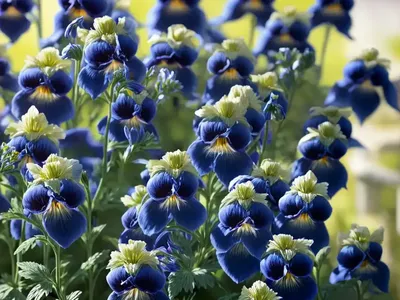
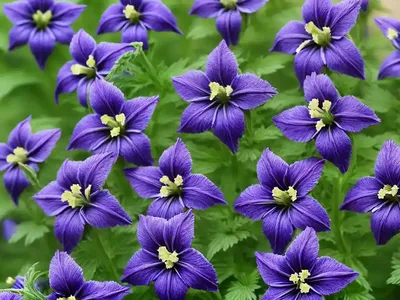
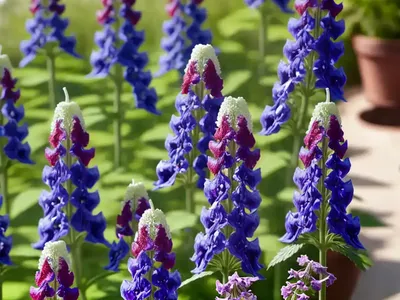
Delphinium Astolat Group (Candle Larkspur)
Plants have always been an integral part of human life, providing food, shelter, and aesthetics. As a plant scientist, I am deeply fascinated by the.
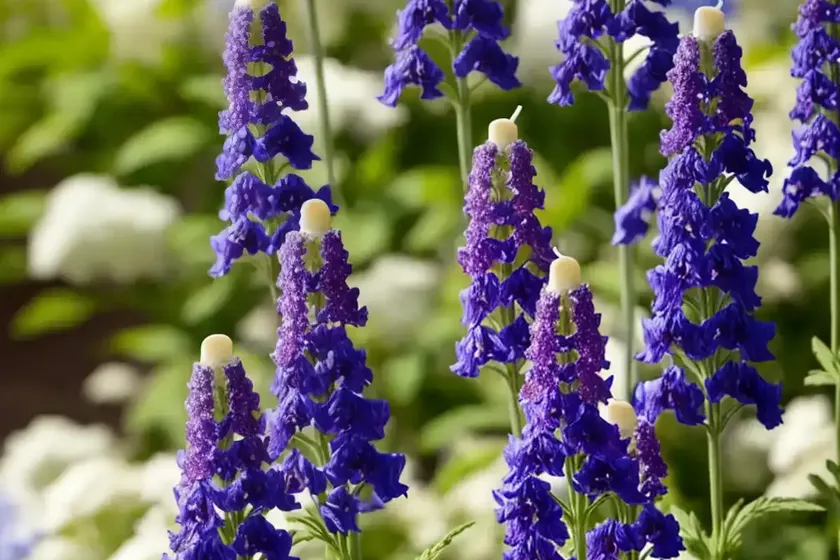
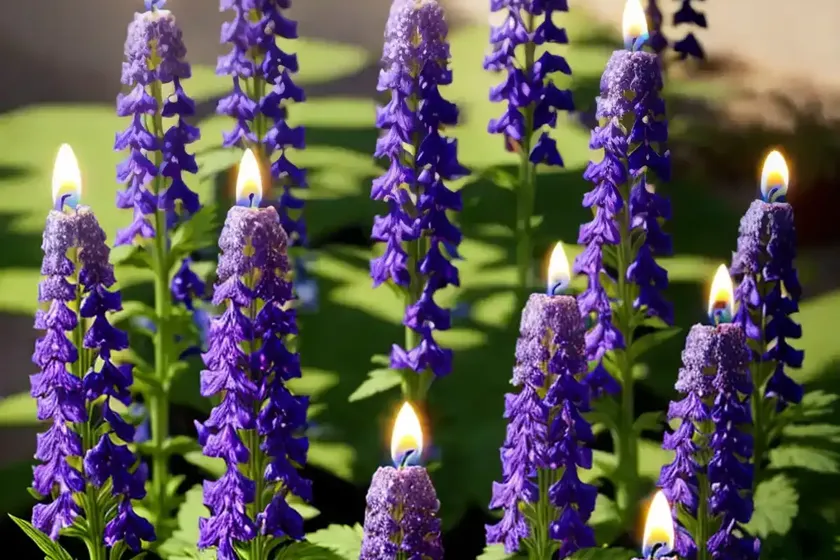
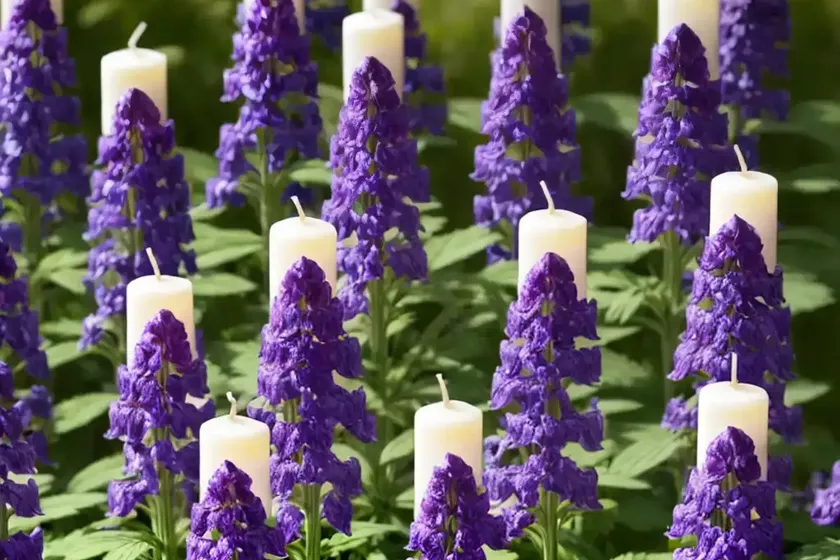
Plants have always been an integral part of human life, providing food, shelter, and aesthetics. As a plant scientist, I am deeply fascinated by the diverse range of plants and their unique characteristics. In this article, we will explore the Delphinium Astolat Group, also known as the Candle Larkspur, and delve into its cultivation, care, and uses.
What is Delphinium Astolat Group (Candle Larkspur)?
The Delphinium Astolat Group, commonly referred to as the Candle Larkspur, is an exquisite flowering plant belonging to the genus Delphinium. It is a stunning perennial with tall, impressive flower spikes that add a vertical dimension to gardens and landscapes. The Astolat Group specifically refers to a variety of Delphinium known for its exceptional qualities and diverse flower colors.
Plant Specifications
- Scientific Name: Delphinium (Astolat Group)
- Common Name: Candle Larkspur
- Variety: Astolat
- Family: Ranunculaceae
- Type: Perennial
- USDA Hardiness Zones: 3-7
- Mature Height: 4-6 feet
- Mature Spread: 1-2 feet
- Bloom Time: Late spring to early summer
The Candle Larkspur is renowned for its towering spires of colorful flowers, making it a favorite among gardeners and landscape enthusiasts.
Key Takeaways – Delphinium Astolat Group (Candle Larkspur)
Before delving into the specific cultivation and care aspects, it’s essential to understand the key takeaways about the Delphinium Astolat Group. These takeaways will provide a comprehensive overview of the plant’s characteristics and uses.
Culture
- Perennial Nature: The Candle Larkspur is a perennial plant, meaning it regrows year after year.
- Impressive Flower Spikes: Known for its tall, stately flower spikes that bear numerous blooms.
- Color Variations: The Astolat Group offers a wide range of flower colors, including blue, purple, pink, and white.
- Attractive to Pollinators: Its vibrant flowers attract bees, butterflies, and hummingbirds, contributing to the overall biodiversity of the garden.
Uses
- Garden Ornamental: Valued for its ornamental qualities, adding height and color to flower beds and borders.
- Cut Flowers: The long stems and abundant blooms make it an excellent choice for cut flower arrangements.
- Landscape Focal Point: Used to create a striking focal point in mixed perennial borders or cottage gardens.
Now that we have an overview of the Delphinium Astolat Group, let’s delve into the specific aspects of its cultivation and care.
Cultivation
Successful cultivation of the Delphinium Astolat Group requires attention to various environmental factors and gardening practices. From sunlight and water requirements to soil preparation and fertilization, each aspect plays a crucial role in nurturing these majestic flowering plants.
Sunlight
- Full Sun: The Candle Larkspur thrives in full sun, preferably receiving at least 6-8 hours of direct sunlight daily.
- Shelter from Harsh Afternoon Sun: While it enjoys abundant sunlight, it benefits from some protection against intense afternoon sun, especially in warmer climates.
Water
- Consistent Moisture: Delphiniums prefer consistently moist soil, especially during the growing season.
- Avoid Waterlogging: While moisture is essential, it’s crucial to ensure well-draining soil to prevent waterlogging, which can be detrimental to the plants.
Fertilizer
- Balanced Fertilization: Use a balanced, slow-release fertilizer or a water-soluble fertilizer diluted to half strength during the growing season.
- Avoid Excessive Nitrogen: While some fertilization is beneficial, too much nitrogen can lead to excessive foliage growth at the expense of flowers.
Soil
- Well-Draining Soil: Ensure the planting site has well-draining soil to prevent waterlogging, which can lead to root rot.
- pH Level: Delphiniums prefer slightly acidic to neutral soil with a pH range of 6.5-7.0.
Pruning
Pruning is an essential aspect of maintaining the health and appearance of the Delphinium Astolat Group. Proper pruning encourages new growth and supports the overall vigor of the plant.
Pruning Instructions
- Deadheading: Regularly remove spent blooms to encourage the plant to produce new flowers.
- Cutting Back: After the first bloom, trim the plants back to encourage a second round of flowering and prevent excessive self-seeding.
Propagation
Propagating the Candle Larkspur allows for the expansion of its presence in the garden or landscape. Understanding effective propagation methods is vital for gardeners interested in multiplying their Delphinium Astolat plants.
Propagation Methods
- Division: Divide mature clumps in early spring, ensuring each division has healthy roots and several growing points.
- Seeds: Collect seeds from mature plants and sow them in prepared seedbeds or containers for subsequent germination.
Container Popularity
While Delphiniums are often associated with traditional garden and landscape settings, they are also well-suited for container cultivation. The graceful height and vibrant flowers of the Candle Larkspur make it an appealing choice for container gardening enthusiasts.
Container Cultivation Tips
- Large Containers: Plant Delphiniums in large, sturdy containers to accommodate their mature size and provide ample root space.
- Well-Draining Soil: Use a high-quality, well-draining potting mix to ensure proper soil moisture levels and prevent waterlogging.
Common Diseases
Like all plants, Delphiniums are susceptible to certain diseases that can affect their health and appearance. Familiarizing oneself with these common diseases and their associated symptoms is crucial for early detection and effective management.
Disease Diagnosis
- Powdery Mildew: Presents as a powdery white substance on leaves, typically occurring in humid conditions with poor air circulation.
- Crown Rot: Causes wilting and browning of the plant from the center outward, often due to waterlogging and poorly drained soil.
Common Pests
In addition to diseases, Delphiniums may be prone to attacks from various pests that can compromise their vitality. Recognizing these common pests and implementing appropriate pest control measures is essential for plant health maintenance.
Common Pests
- Aphids: These small, soft-bodied insects can cluster on new growth and cause distorted leaves and shoot tips.
- Snails and Slugs: These mollusks feed on the foliage and can cause significant damage, especially in wet conditions.
Botanist’s Tips
As a plant scientist with a profound appreciation for the Delphinium Astolat Group, I offer the following tips to fellow enthusiasts and gardeners looking to cultivate these stunning plants successfully.
Tips for Success
- Provide Adequate Support: Given their tall nature, providing support, such as staking, is essential to prevent flopping and damage to the flower spikes.
- Monitor Soil Moisture: Regularly check the soil moisture levels to ensure consistent moisture without waterlogging.
Fun Facts
Understanding the fun and fascinating aspects of plants adds an extra layer of appreciation for their beauty and ecological significance. Here are some intriguing facts about the Candle Larkspur:
Did You Know?
- Historical Significance: Delphiniums have a rich history and are often associated with Greek mythology, where the name “Delphinium” is derived from the Greek word for dolphin, due to the shape of the nectary that resembles a dolphin.
- Toxicity: While admired for their beauty, Delphiniums are highly toxic to humans and animals if ingested, necessitating caution when handling and planting them.
Links to External Resources
To further delve into the world of Delphinium Astolat Group and expand your knowledge on its cultivation, care, and uses, the following external resources provide valuable insights and practical guidance:
- The Royal Horticultural Society (RHS) – Delphiniums
- University of California Integrated Pest Management – Delphinium Diseases
- The American Phytopathological Society – Delphinium Diseases
In conclusion, the Delphinium Astolat Group, or Candle Larkspur, stands as a remarkable addition to any garden or landscape, offering striking beauty and a vertical presence that captivates onlookers. Its cultivation and care require attention to specific environmental and gardening practices, ensuring its longevity and continued splendor. With a deeper understanding of its characteristics, cultivation, and potential uses, plant enthusiasts can welcome the allure of the Candle Larkspur into their outdoor spaces with confidence and appreciation.
Remember, the Delphinium Astolat Group not only adds visual appeal but also contributes to the ecological tapestry of gardens, attracting and supporting pollinators, and enriching the overall biodiversity of the ecosystem.
As a plant scientist, I am continually inspired by the wonders of the natural world and the myriad of plant species that grace our planet. The Delphinium Astolat Group, with its vibrant colors and graceful form, remains a testament to the beauty and ingenuity of nature, inviting us to cultivate, cherish, and revel in its timeless splendor.