Alpine Cinquefoil (Potentilla Crantzii)
Alpine cinquefoil, scientifically known as Potentilla crantzii, is a stunning, low-growing perennial plant that is highly valued for its ornamental appeal.
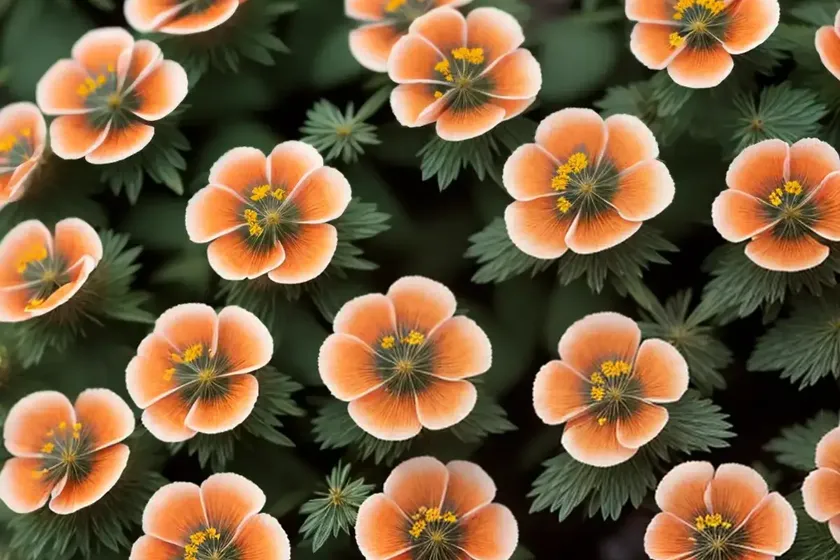
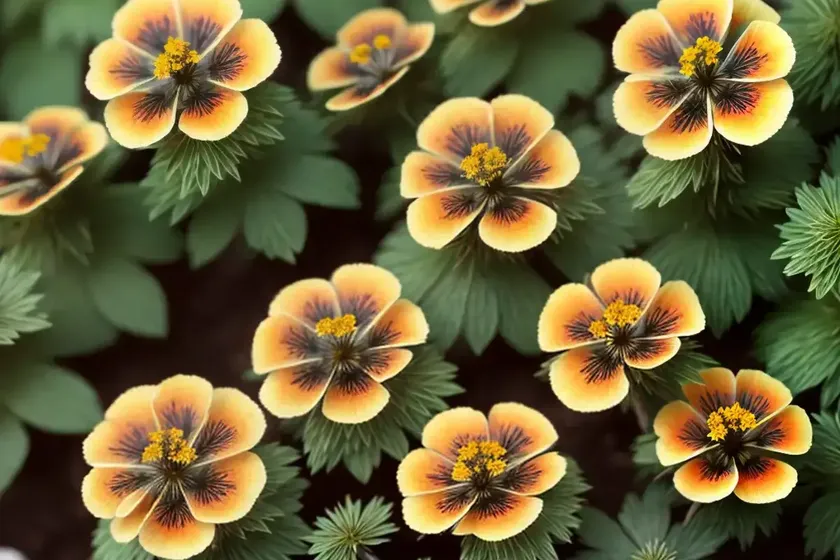
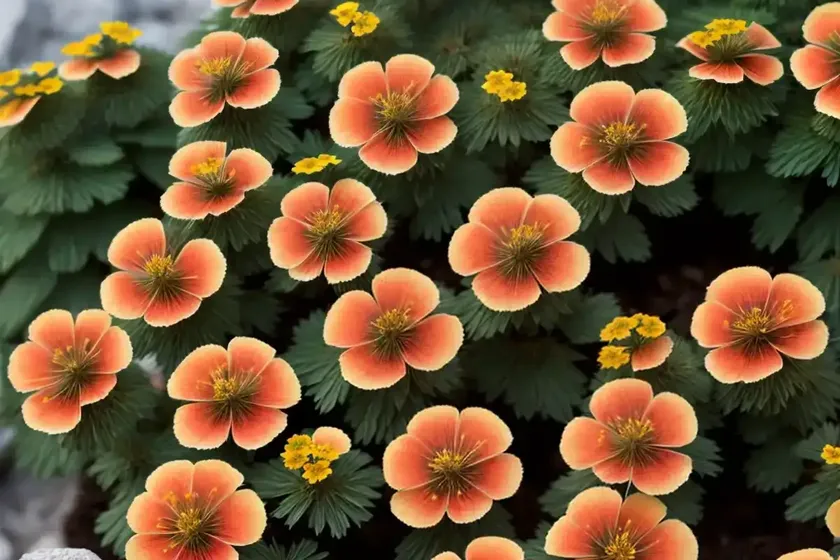
Alpine cinquefoil, scientifically known as Potentilla crantzii, is a stunning, low-growing perennial plant that is highly valued for its ornamental appeal and its ability to thrive in various environmental conditions. This beautiful plant is part of the rose family (Rosaceae) and is native to the mountainous regions of Europe. Its delicate, vibrant flowers and decorative foliage make it an excellent addition to rock gardens, borders, and containers. In this comprehensive care guide, we will explore the best practices for cultivating and maintaining Alpine cinquefoil, including its cultural preferences, uses, and significant characteristics.
What is Alpine Cinquefoil (Potentilla crantzii)?
Alpine cinquefoil, or Potentilla crantzii, is a species of flowering plant in the Potentilla genus. It is a hardy, mat-forming perennial that produces charming, yellow flowers and intricate, deeply divided leaves. The plant typically reaches a height of 10-15 cm with an attractive spread, creating a delightful groundcover effect. Alpine cinquefoil is also known for its ability to attract pollinators, making it a favorite among gardeners who wish to support local wildlife.
The plant is characterized by its adaptability to various growing conditions, including poor soils and alpine environments. Its resilience and aesthetic appeal have contributed to its widespread popularity in horticulture. Additionally, Alpine cinquefoil has been used for its medicinal properties, adding to its cultural and historical significance.
Key Takeaways – Alpine Cinquefoil (Potentilla crantzii)
Before delving into the detailed care guide for Alpine Cinquefoil, let’s summarize the key takeaways that will be explored in this comprehensive plant care guide:
Plant Name: Alpine Cinquefoil (Potentilla crantzii)
- Scientific Name: Potentilla crantzii
- Family: Rosaceae
- Common Names: Alpine Cinquefoil, Crantz’s potentilla
Culture
- Hardiness Zone: Alpine cinquefoil thrives in USDA hardiness zones 4-7, which span a wide range of temperature and climate conditions.
- Soil Preferences: Well-draining, loamy soil with a slightly acidic to neutral pH.
- Water Requirements: Moderate water needs; avoid waterlogged soil.
- Sunlight: Full sun to partial shade.
- Maintenance: Low maintenance; regular deadheading can promote continuous blooming.
Uses
- Ornamental: Alpine cinquefoil is prized for its decorative foliage and vibrant flowers, making it an excellent choice for rock gardens, borders, and containers.
- Medicinal: Traditionally used for its medicinal properties, particularly in herbal remedies.
Water
Alpine cinquefoil prefers moderate moisture levels in the soil, and it is important to avoid waterlogged conditions. Overly wet soil can lead to root rot and other complications. During the growing season, regular watering is necessary, particularly during dry periods. However, it is crucial to allow the soil to dry out between watering sessions to avoid waterlogged conditions.
Sunlight
This plant thrives in a sunny location, benefitting from full sun exposure for the majority of the day. While it can tolerate partial shade, the overall flowering and growth will be more prolific when provided with adequate sunlight. When planted in an area with limited sunlight, the plant may become leggy and produce fewer blooms.
Fertilizer
Alpine cinquefoil generally performs well in nutrient-poor soils, and excessive fertilization can lead to excessive foliage growth at the expense of flowering. However, a light application of balanced fertilizer in early spring can provide a boost to the plant’s overall health and vigor. Alternatively, the incorporation of organic matter into the soil during planting can contribute to sustained growth and flowering.
Soil
The ideal soil composition for Alpine cinquefoil is well-draining, loamy soil with a slightly acidic to neutral pH. It is essential to avoid heavy or waterlogged soils, as these can adversely affect the plant’s root system. Additionally, incorporating organic matter into the soil can enhance its structure and nutrient content, supporting the plant’s growth and development.
Pruning
This plant does not require extensive pruning, as its growth habit is naturally compact and low-lying. However, removing spent flowers through deadheading can promote continuous blooming and maintain a tidy, attractive appearance. Additionally, trimming back any excessively leggy growth can help to rejuvenate the plant and encourage new growth from the base.
Propagation
Alpine cinquefoil can be propagated through several methods, including division, seed sowing, and cuttings. Each propagation method offers unique advantages and considerations, allowing for flexibility in expanding the plant population.
- Division: Divide mature plants in early spring or early autumn, ensuring that each division has a healthy root system and sufficient foliage to support its growth.
- Seed Sowing: Sow fresh seeds in a well-prepared seedbed or containers in late spring to early summer, providing adequate moisture and light for germination.
- Cuttings: Take softwood or semi-ripe cuttings from healthy, actively growing plants in early summer, utilizing a rooting hormone to enhance the success of the cuttings.
Container Popularity
Given its compact growth habit and ornamental appeal, Alpine cinquefoil is well-suited for container cultivation. This allows gardeners with limited space to enjoy the beauty of this plant on patios, balconies, or other confined areas. When selecting a container for Alpine cinquefoil, ensure that it provides adequate drainage and sufficient space for the plant’s roots to develop.
Container Common Diseases
While Alpine cinquefoil is relatively resistant to many common diseases, certain issues may arise when grown in containers. Understanding these potential challenges can aid in prevention and early intervention, safeguarding the plant’s health.
Disease Diagnosis
Common diseases that may affect Alpine cinquefoil when grown in containers include:
- Root Rot: Caused by overly wet or waterlogged soil, leading to the decay of the plant’s roots.
- Powdery Mildew: A fungal infection characterized by white, powdery growth on the plant’s foliage, potentially impacting its overall vigor.
Common Pests
Despite its hardiness, Alpine cinquefoil may occasionally encounter pest pressure, particularly when grown in containers. Vigilance and prompt intervention are essential for managing pest infestations effectively.
- Aphids: Small, sap-sucking insects that can distort new growth and transmit viruses to the plant.
- Spider Mites: These tiny arachnids thrive in dry, warm conditions, causing stippling and webbing on the plant’s foliage.
Botanist’s Tips
As a plant scientist, I have a profound appreciation for the unique attributes of Alpine cinquefoil and am eager to share several valuable tips for cultivating and maintaining this beautiful plant.
- Enhanced Drainage: Prioritize well-draining soil and containers with ample drainage holes to prevent waterlogged conditions and safeguard the plant’s root health.
- Sustained Monitoring: Regularly monitor the plant for signs of stress, disease, or pest infestations, intervening promptly to preserve its vitality and longevity.
- Strategic Propagation: Explore various propagation methods to expand your Alpine cinquefoil collection and experiment with different techniques to determine the most effective approach for your gardening practices.
Fun Facts
- Cultural Significance: Alpine cinquefoil has been historically treasured for its folkloric and medicinal significance, offering a rich tapestry of cultural connections and traditional uses.
- Native Habitat: In the wild, Alpine cinquefoil thrives in alpine and subalpine habitats, showcasing its adaptability to challenging environments and climates.
As we continue to explore the multifaceted nature of Alpine cinquefoil, it becomes evident that this plant represents a harmonious blend of aesthetic allure, ecological significance, and cultural resonance, making it a captivating subject for plant enthusiasts, gardeners, and botanical aficionados.
Links to External Resources
For additional information and resources on Alpine cinquefoil (Potentilla crantzii), I highly recommend exploring the following links:
- Royal Horticultural Society – Potentilla crantzii
- Missouri Botanical Garden – Potentilla crantzii
- Gardening Know How – Alpine Cinquefoil
By delving into these resources, you can gain valuable insights and practical advice for cultivating, caring for, and appreciating the many dimensions of Alpine cinquefoil. These platforms offer a wealth of knowledge, enabling you to deepen your understanding of this remarkable plant and its captivating attributes.
In conclusion, Alpine cinquefoil (Potentilla crantzii) epitomizes the allure of resilient, ornamental plants, intertwining cultural, ecological, and aesthetic significance. By embracing its unique characteristics and addressing its specific cultural preferences, gardeners and plant enthusiasts can embark on a rewarding journey of exploration, appreciation, and horticultural mastery.
References