Aloe Vaombe (Malagasy Tree Aloe)
Aloe vaombe, also known as Malagasy Tree Aloe, is an extraordinary succulent that is native to Madagascar, an island known for its unique and diverse.
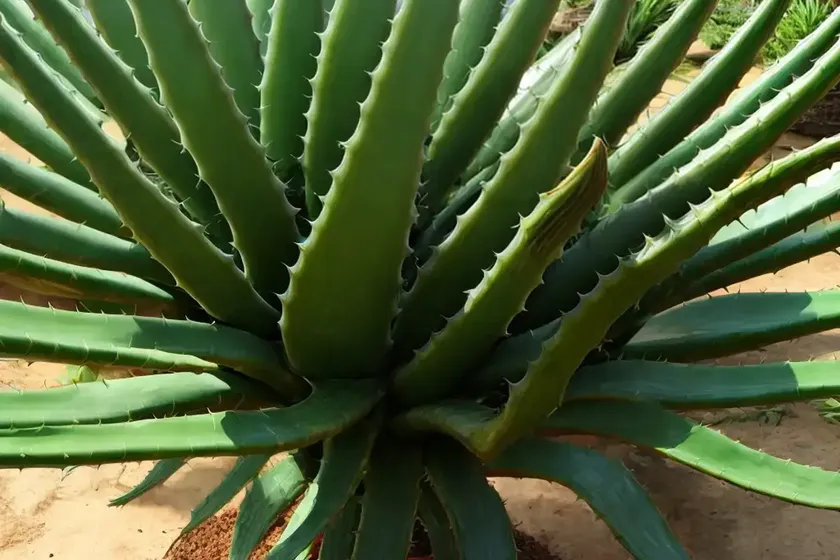
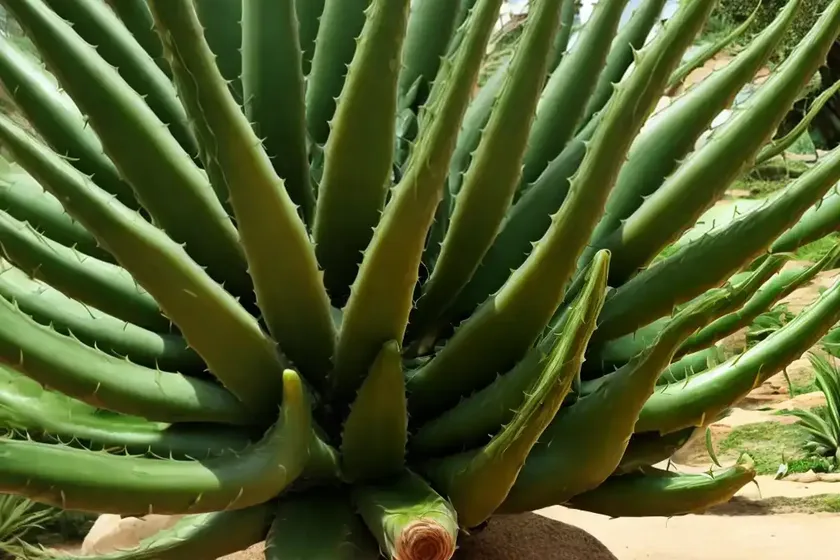
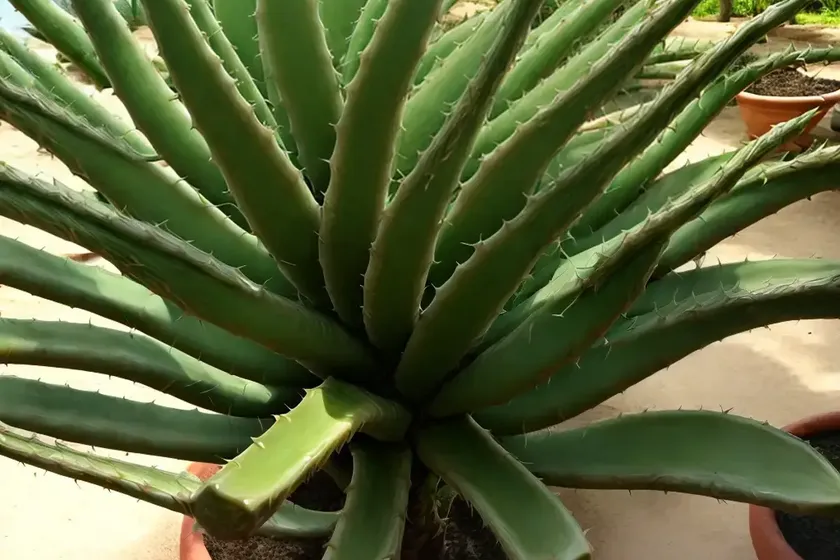
Aloe vaombe, also known as Malagasy Tree Aloe, is an extraordinary succulent that is native to Madagascar, an island known for its unique and diverse flora. The Aloe vaombe plant belongs to the Aloe genus, which encompasses over 500 species of flowering succulents. This particular species is treasured for its striking appearance, adaptive nature, and various traditional and contemporary uses.
In this comprehensive guide, we will delve into the captivating world of Aloe vaombe. From its cultural significance and natural habitat to its cultivation, care, and uses, this guide aims to provide enthusiasts, gardeners, and nature lovers with an in-depth understanding of this fascinating plant.
Plant Overview
Aloe vaombe (Malagasy Tree Aloe)
- Scientific Name: Aloe vaombe
- Common Name: Malagasy Tree Aloe
- Family: Asphodelaceae
- Origin: Madagascar
- Type: Succulent, perennial
Key Takeaways – Aloe vaombe (Malagasy Tree Aloe)
Before we embark on this botanical journey, let’s take a moment to highlight the essential takeaways about Aloe vaombe. Understanding these key points will serve as a foundation for unraveling the intricate details of this remarkable plant.
Culture
- Origin: Endemic to Madagascar
- Cultural Significance: Deeply intertwined with local traditions and folklore
- Traditional Uses: Medicinal and spiritual properties
- Conservation Status: Endangered plant species
Uses
- Traditional Medicine: Widely used in traditional Malagasy medicine
- Landscaping: Ornamental addition to drought-resistant gardens
- Wildlife Attraction: Draws pollinators and serves as a habitat for small creatures
- Folklore Beliefs: Associated with spiritual and symbolic significance in Malagasy culture
Water
- Drought Tolerance: Adapted to arid conditions
- Watering Needs: Moderate to low water requirements
- Well-Draining Soil: Essential for preventing waterlogging and root rot
Sunlight
- Sun Exposure: Thrives in full sun to partial shade
- Sunlight Requirements: Prefers bright, indirect light
Fertilizer
- Nutrient Needs: Thrives in nutrient-poor soils
- Fertilization: Infrequent and minimal feeding requirements
- Organic Matter: Can benefit from occasional organic amendments
Soil
- Soil Type: Well-draining, sandy or rocky soil
- Acidic Soil: Tolerant of slightly acidic conditions
- Soil Amendments: Addition of coarse sand for improved drainage
Pruning
- Maintenance: Low maintenance plant
- Pruning Needs: Minimal pruning requirements
- Removal of Dead Leaves: Promotes aesthetic appeal and prevents pest infestations
Propagation
- Propagation Methods: Offsets, seeds, and stem cuttings
- Propagation Season: Most successful during the growing season
- Propagation Medium: Well-draining potting mix or sandy soil
Container
- Container Gardening: Suitable for container cultivation
- Container Size: Select a size that accommodates the plant’s roots
- Drainage Holes: Essential for preventing waterlogging in containers
Popularity
- Global Appeal: Found in botanical gardens and succulent collections worldwide
- Ornamental Value: Admired for its striking foliage and architectural form
Common Diseases
- Disease Resistance: Generally resistant to most plant diseases
- Root Rot: Potential risk in waterlogged or poorly-draining soil
- Preventive Measures: Maintain proper soil moisture and aeration
Disease Diagnosis
- Symptoms: Wilting, yellowing leaves, and root discoloration
- Cultural Conditions: Assess watering and soil conditions
- Treatment: Adjust cultural practices and improve soil drainage
Common Pests
- Pest Resilience: Relatively resistant to common pests
- Preventive Measures: Regular monitoring for signs of infestation
- Natural Predators: Attracts beneficial insects that aid in pest control
Botanist’s Tips
- Elevation: Native to higher elevations in Madagascar
- Adaptability: Resilient to diverse environmental conditions
- Conservation Efforts: Subject to conservation initiatives in Madagascar
Fun Facts
- Endemic Species: Uniquely native to Madagascar
- Longevity: Known for its longevity and slow growth
- Cultural Relevance: Embedded in Malagasy culture and traditions
Links to External Resources
Before we explore the intricacies of Aloe vaombe, it’s worth noting that the following external resources offer valuable information and insights on this plant:
- Madagascar Plants: Aloe vaombe
- The Succulent Plant Page: Aloe vaombe
- In Defense of Plants: Aloe vaombe Conservation
Now that we have established the foundation, let’s embark on a detailed exploration of Aloe vaombe, encompassing its origin, cultural significance, cultivation, care, and much more.
What is Aloe Vaombe?
Aloe vaombe: A Botanical Marvel from Madagascar
Aloe vaombe, scientifically known as Aloe vaombe, is a species of succulent plant that belongs to the Asphodelaceae family. This remarkable succulent is endemic to the island of Madagascar, a biodiversity hotspot renowned for its rich assemblage of unique flora and fauna. The Aloe vaombe plant is a striking representation of Madagascar’s botanical diversity and embodies the intriguing allure of the island’s indigenous plant species.
Characteristics of Aloe Vaombe
Physical Attributes
Aloe vaombe is known for its remarkable characteristics, which contribute to its allure and ornamental value. The following physical attributes define the unique appearance of Aloe vaombe:
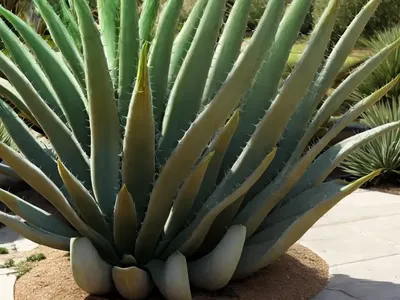
- Tree-Like Growth: Aloe vaombe exhibits a tree-like growth habit, eventually reaching heights of up to 6 meters (20 feet).
- Trunk Formation: As the plant matures, it develops a robust, tree-like trunk that distinguishes it from other Aloe species.
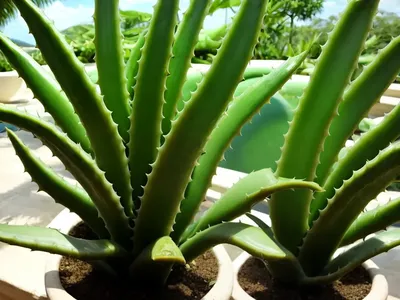
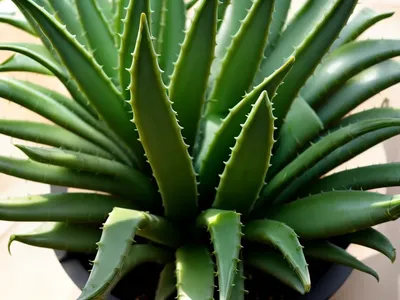
- Foliage: The leaves of Aloe vaombe are arranged in rosettes and feature a bluish-green hue. The leaves are succulent, narrow, and prominently serrated along the margins. These distinctive leaves contribute to the plant’s architectural appeal.
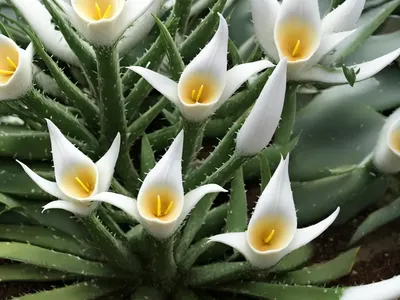
- Floral Display: Mature Aloe vaombe plants produce striking inflorescences topped with tubular, orange-red flowers. These vibrant blooms add a captivating contrast to the plant’s blue-green foliage.
Ecological Adaptations
Aloe vaombe’s ecological adaptations are tailored to thrive in its native habitat of Madagascar. The following ecological characteristics showcase the plant’s resilience and adaptability:
- Drought Tolerance: Aloe vaombe exhibits remarkable drought tolerance, allowing it to thrive in arid and semi-arid environments.
- Heat Resistance: The plant is well-equipped to withstand high temperatures, which are characteristic of its natural habitat.
- Succulent Features: As a succulent plant, Aloe vaombe stores water in its leaves, enabling it to endure prolonged periods of drought.
Cultural and Traditional Significance
Beyond its botanical attributes, Aloe vaombe holds profound cultural and traditional significance in the context of Madagascar. The plant is deeply interwoven with the cultural fabric of the island, playing diverse roles in traditional medicine, folklore, and spiritual practices.
Natural Habitat and Endemism
Aloe vaombe is specifically endemic to Madagascar, signifying that it is exclusively native to this particular region. The plant thrives in select habitats within Madagascar and is intricately connected to the island’s intricate ecosystems.
Aloe Vaombe (Malagasy Tree Aloe): Cultivation and Care Guide
As a plant enthusiast or gardener, cultivating Aloe vaombe requires a nuanced understanding of its specific cultural and environmental requirements. The following sections detail the essential aspects of Aloe vaombe’s cultivation, encompassing its preferred conditions, watering needs, sunlight requirements, ideal soil composition, and more.
Aloe Vaombe Care
Cultivating Aloe vaombe involves providing the plant with optimal conditions that mirror its native habitat in Madagascar. By adhering to the following care guidelines, enthusiasts can ensure the well-being and flourishing of this captivating succulent.
Water
- Watering Frequency: Aloe vaombe thrives in environments with low to moderate water availability. As such, it is crucial to allow the soil to partially dry between watering sessions. During the growing season, which typically spans spring and summer, watering can be conducted when the top 1-2 inches of the soil have dried out. In contrast, the plant’s water requirements are significantly reduced during the dormant winter months.
- Watering Technique: When watering Aloe vaombe, it is advisable to apply water directly to the soil, avoiding moisture accumulation within the leaf rosettes. Excessively wet conditions can predispose the plant to rot and fungal issues.
Sunlight
- Light Exposure: Aloe vaombe flourishes in environments with ample sunlight. Optimal conditions for this species involve exposure to full sun or partial shade, with a preference for bright, indirect light. When grown indoors, it is beneficial to place the plant near a south-facing window to ensure it receives sufficient sunlight.
Soil
- Drainage Requirements: Aloe vaombe necessitates well-draining soil to prevent conditions of waterlogging and root rot. It thrives in sandy or rocky soil with excellent drainage properties. The use of a cactus or succulent potting mix, augmented with coarse sand or perlite, can bolster soil drainage and aeration.
Fertilizer
- Nutritional Needs: Aloe vaombe typically thrives in nutrient-poor soils and exhibits minimal feeding requirements. Infrequent fertilization with a diluted, balanced fertilizer during the active growing season can provide the plant with essential nutrients. Alternatively, the application of organic matter, such as compost or manure, on an occasional basis can bolster soil fertility.
Pruning
- Pruning Practices: Aloe vaombe boasts a low maintenance profile and necessitates minimal pruning. Although dead or decaying leaves can be removed as needed for aesthetic purposes, extensive pruning is generally unnecessary. Pruning should be conducted using sterilized cutting tools to prevent the transmission of diseases.
Propagation
- Propagation Methods: Aloe vaombe can be propagated via offsets, seeds, or stem cuttings. Offsets are young plantlets that emerge adjacent to the parent plant and can be carefully separated for propagation. Seeds and stem cuttings represent alternative propagation methods, each with its specific protocols and requirements. Propagation endeavors are most successful when undertaken during the plant’s active growth phase.
Malagasy Tree Aloe Tips
The following specialized tips are tailored to enhance the cultivation and care of Aloe vaombe, offering insights into optimizing the plant’s growing conditions and bolstering its overall well-being.
Drought and Heat Tolerance
- Adaptation to Arid Environments: Aloe vaombe’s inherent adaptation to arid conditions positions it as an ideal choice for drought-resistant landscaping projects. Its proficiency in enduring prolonged periods of drought and its capacity to withstand high temperatures make it particularly suited for water-wise gardening endeavors.
Soil Conditions
- Optimizing Soil Composition: To ensure optimal soil conditions for Aloe vaombe, it is paramount to utilize well-draining soil that mimics its native habitat. Incorporating a blend of cactus or succulent potting mix, coarse sand, and perlite can foster the ideal soil structure for the plant, promoting effective drainage and aeration.
Conservation Awareness
- Conservation Efforts: Given its status as an endangered plant species, heightened awareness and consideration for conservation efforts are pivotal in the context of Aloe vaombe. Supporting conservation initiatives and adhering to sustainable plant propagation and cultivation practices can contribute to the preservation of this remarkable species.
Wildlife Habitat
- Wildlife Attraction: Aloe vaombe serves as a focal point for wildlife, attracting pollinators and creating microhabitats for small creatures within its native environment. Its presence in gardens and landscapes can foster ecological diversity and support local fauna.
Cultural Significance
- Traditional Uses: Exploring the traditional uses and cultural significance of Aloe vaombe can yield valuable insights into the historical and contemporary roles of the plant within the context of Malagasy culture. This understanding can enrich the appreciation for the plant and its intricate connections to indigenous traditions.
Aloe Vaombe Plant: Growing and Propagation
Growing Aloe Vaombe Indoors and Outdoors
Cultivating Aloe vaombe presents versatile options for both indoor and outdoor growth, catering to the preferences and environmental constraints of plant enthusiasts. This section delineates the distinct considerations for growing Aloe vaombe in indoor and outdoor settings.
Indoor Growing- Light Requirements: When grown indoors, Aloe vaombe necessitates access to ample sunlight. Position the plant near a south-facing window to ensure it receives adequate brightness throughout the day.
- Potting Medium: Utilize a well-draining potting mix, ideally formulated for cacti and succulents, to provide the optimal growing medium for Aloe vaombe.
- Environmental Conditions: Indoor environments should offer the plant protection from extreme temperature fluctuations and drafts, ensuring that it is shielded from adverse environmental stressors.
- Sun Exposure: Aloe vaombe thrives in outdoor environments characterized by full sun to partial shade. Established outdoor plantings should be positioned in locations that afford the plant access to bright, indirect light.
- Soil Preparation: Prior to outdoor planting, prepare the planting site by ensuring the soil is well-draining and devoid of excessive moisture-retentive qualities. Incorporating organic matter or sand into the soil can improve its drainage capacity.
Propagation Methods
Offsets- Offset Detachment: To propagate Aloe vaombe through offsets, carefully detach the young plantlets that develop adjacent to the parent plant. Employ a clean, sharp implement to separate the offsets with minimal disruption to their roots.
- Rooting Medium: Establish the offsets in a well-draining rooting medium, ensuring that it is conducive to root establishment and development.
- Seed Sowing: When propagating Aloe vaombe from seeds, sow the seeds in a well-draining, sandy potting mix. Sand can provide stability to the soil, accommodating the germination and early growth of the seeds.
- Germination Conditions: Oversee the germination process in an environment with consistent warmth and moisture. Maintain the appropriate conditions to facilitate the germination and emergence of the seedlings.
- Cutting Preparation: When utilizing stem cuttings for propagation, opt for a healthy stem segment and prepare a clean, precise cut to obtain the cutting. Minimize damage to the parent plant during the cutting process.
- Rooting Medium: Insert the stem cutting into a suitable rooting medium, ensuring it is conducive to root initiation and establishment. Monitor the cutting for signs of root development, indicative of successful propagation.
Aloe Vaombe Characteristics
Foliage and Flowers
- Distinctive Foliage: Aloe vaombe’s foliage is characterized by its succulent, narrow leaves that exhibit prominent serrations along the margins. The leaves possess a striking bluish-green coloration, contributing to the plant’s ornamental appeal.
- Floral Display: Mature Aloe vaombe plants produce tall, erect inflorescences topped with vibrant, tubular flowers. The flowers are predominantly orange-red, creating a visually striking contrast against the plant’s foliage.
Wildlife Attraction
- Ecological Role: Aloe vaombe’s presence in the environment attracts pollinators, such as bees and birds, which contribute to the plant’s reproductive success and ecological significance within its native habitat. Additionally, the plant fosters microhabitats for small creatures, further enriching its ecological value.
Habitat and Range
- Endemic Status: Aloe vaombe is exclusively native to Madagascar, emphasizing its status as an endemic plant species that is localized to this specific region.
- Natural Range: The plant’s natural range encompasses select habitats within Madagascar, reflecting its ecological preferences and adaptations to diverse environmental conditions.
Conservation Status
- Endangered Status: Aloe vaombe is classified as an endangered plant species, signifying its vulnerability to extinction and the necessity for concerted conservation efforts to safeguard its existence. The plant’s endangered status underscores the significance of bolstering conservation initiatives and promoting sustainable cultivation practices.
Cultural Significance
- Folklore Beliefs: Aloe vaombe holds cultural and spiritual significance within Malagasy folklore and traditions, embodying diverse symbolic and practical roles within the context of indigenous culture.
- Traditional Uses: The plant is deeply entrenched in traditional Malagasy medicine and is utilized for its purported medicinal and spiritual properties, representing an intertwining of botanical knowledge and cultural practices.
Malagasy Tree Aloe: Watering and Sunshine Requirements
Sunlight Preferences
- Sun Exposure: Aloe vaombe thrives in environments characterized by full sun to partial shade. The plant’s preference for ample sunlight underscores the necessity of positioning it in locations where it can access bright, indirect light throughout the day.
- Sunlight Intensity: Although the plant favors bright light conditions, it is advisable to shield it from intense, direct sunlight, particularly during the peak of the day, to prevent leaf scorch and environmental stress.
Watering Guidelines
- Watering Frequency: Aloe vaombe’s watering needs revolve around moderate to low water availability, mirroring its adaptation to arid and semi-arid conditions. Water the plant when the top layer of soil has dried out, employing cautious moderation to avoid overhydration.
- Moisture Regulation: Prevent the accumulation of excess moisture within the plant’s leaf rosettes, which can lead to unfavorable consequences such as rot and fungal issues. Direct water application to the soil level helps regulate moisture distribution and maintains healthy growing conditions for the plant.
Aloe Vaombe Soil Conditions and Pruning
Soil Composition
- Drainage Necessity: Aloe vaombe’s soil requirements prioritize effective drainage to prevent instances of waterlogging and root-related issues. The plant excels in well-draining soil compositions, typically characterized by sandy or rocky textures that promote optimal aeration and moisture regulation.
- Acidic Soil Tolerance: Aloe vaombe displays tolerance to slightly acidic soil conditions, adapting to a range of soil pH levels within the acidic spectrum.
Pruning Practices
- Maintenance Requirements: Aloe vaombe embodies a low maintenance profile, necessitating minimal pruning to maintain its aesthetics and overall health. Pruning activities focus on the removal of dead or decaying leaves, which supports the plant’s visual appeal and mitigates the risk of pest infestations.