Aloe Flow (Gasteria Spp.)
Plants not only bring life to our environment but also contribute to our well-being. Aloe Flow, scientifically known as Gasteria spp., is a remarkable.
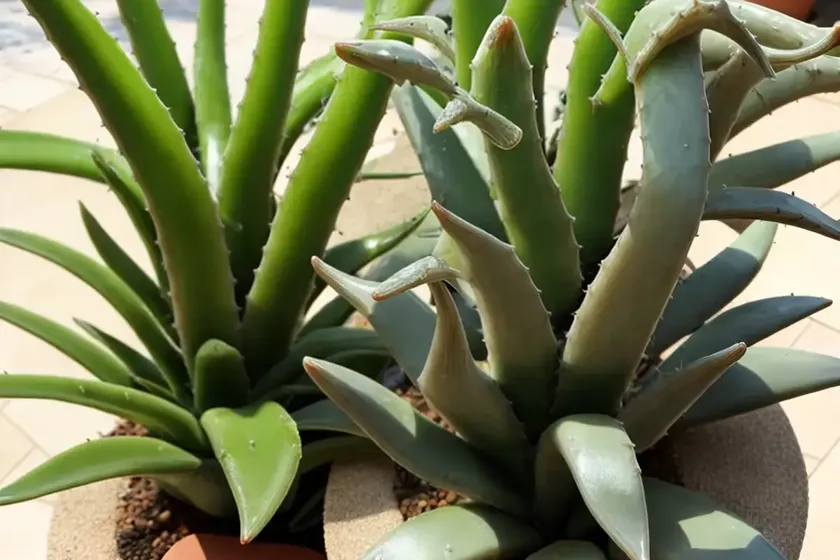
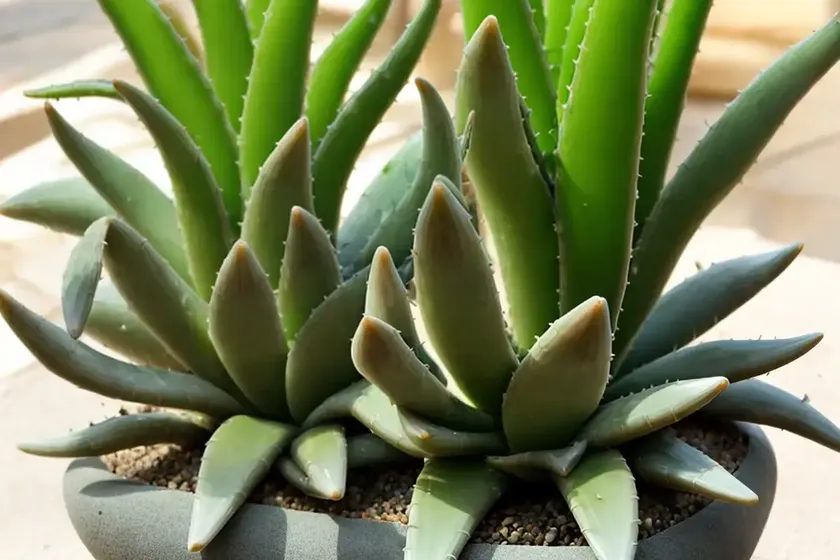
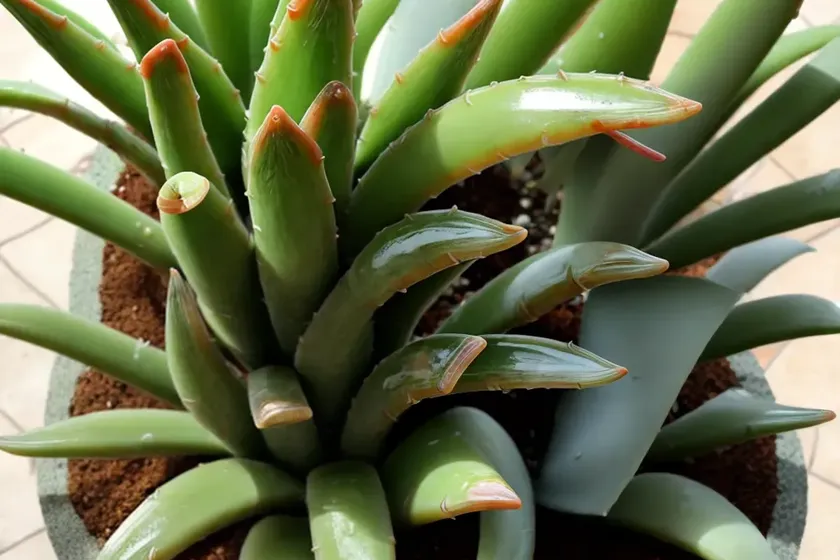
Plants not only bring life to our environment but also contribute to our well-being. Aloe Flow, scientifically known as Gasteria spp., is a remarkable plant known for its unique aesthetic appeal and various beneficial properties. In this comprehensive plant care guide, we will explore everything you need to know about Aloe Flow, including its culture, uses, maintenance, and much more.
What is Aloe Flow (Gasteria spp.)?
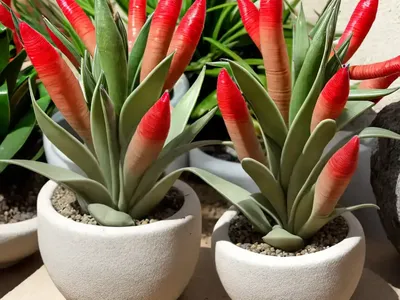
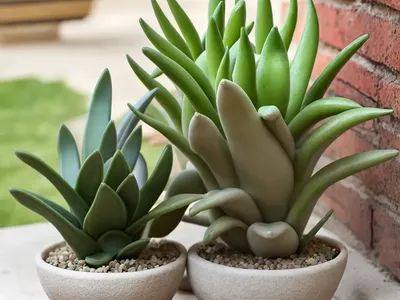
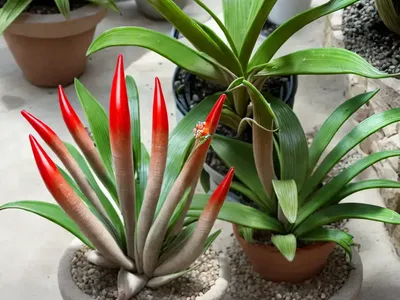
Aloe Flow, or Gasteria spp., belongs to the Asphodelaceae family, which also includes other well-known species such as Aloe and Haworthia. Native to South Africa, Aloe Flow is a succulent plant renowned for its attractive, tongue-shaped leaves with eye-catching patterns and colors. It thrives in arid environments and has adapted to store water in its fleshy leaves, making it an excellent choice for indoor and outdoor landscapes.
Key Takeaways – Aloe Flow (Gasteria spp.)
Culture
- Origin: South Africa
- Family: Asphodelaceae
- Type: Succulent
- Common Names: Aloe Flow, Gasteria spp.
- Foliage: Variegated, Textured
Uses
- Decorative purposes
- Medicinal properties
- Indoor and outdoor landscaping
- Air purification
Now, let’s delve into the essential aspects of caring for Aloe Flow.
Aloe Flow Care Guide
Proper care is essential to ensure the vitality and beauty of Aloe Flow. Understanding its requirements for water, sunlight, soil, and other factors will help you cultivate a thriving Aloe Flow plant.
Water
Aloe Flow, like many other succulents, has low water requirements. Over-watering can lead to root rot and other issues. Follow these watering guidelines to maintain the health of your Aloe Flow:
- Frequency: Water the plant thoroughly, allowing the soil to dry out completely before the next irrigation. Typically, this translates to watering every 2-3 weeks, depending on environmental conditions.
- Soil Moisture: Ensure that the soil is completely dry at least an inch or two deep before watering again.
- Watering Method: Water the base of the plant directly, avoiding splashing the leaves to prevent potential rot or fungal diseases.
Sunlight
Aloe Flow thrives in bright, indirect sunlight. Position your plant near a window where it can receive ample natural light without being exposed to direct, intense sunlight for extended periods. An east or west-facing window is generally ideal for most indoor settings.
Fertilizer
Fertilizing Aloe Flow is not overly demanding, but it can benefit from occasional feeding during its active growth phase. Use a balanced, water-soluble fertilizer diluted to half-strength and apply it during the growing season, typically from spring to early fall, at monthly intervals.
Soil
An appropriate well-draining potting mix is crucial for Aloe Flow. A cactus or succulent mix is readily available and can be used as a suitable growing medium. Additionally, adding perlite or coarse sand can further enhance the drainage and aeration of the soil.
Pruning
Aloe Flow generally requires minimal pruning. Remove any dried or withered leaves by gently pulling them away from the base of the plant. Use clean, sharp scissors or pruning shears to trim dead or damaged foliage as needed.
Propagation
Propagating Aloe Flow is relatively simple and can be done through offsets or leaf cuttings. The following are the basic steps for propagating Aloe Flow from offsets:
- Identify Offsets: Locate the offsets or pups growing at the base of the mother plant.
- Separation: Gently remove the offset by carefully detaching it from the main plant using a clean, sharp knife or scissors.
- Rooting: Allow the offset to air dry and callus for a day or two before planting it in a well-draining, moist propagation mix.
- Care: Keep the soil lightly moist while the new plant establishes roots, avoiding excess moisture to prevent rotting.
Container Popularity
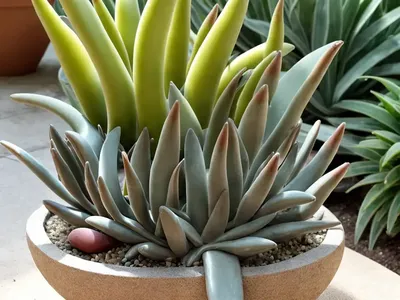
Aloe Flow is popular as a container plant, thriving in various types of containers such as terra cotta pots, ceramic planters, and hypertufa containers. Its striking appearance makes it a favored choice for both indoor and outdoor container gardening.
Common Diseases
Aloe Flow is generally resistant to many common plant diseases, provided it is grown in suitable conditions. However, over-watering and poor soil drainage can increase the risk of root rot and fungal infections. It’s essential to maintain proper care practices to prevent potential diseases.
Disease Diagnosis
Identifying plant diseases early is crucial for effective treatment. Here are some common signs of disease or stress in Aloe Flow:
- Yellowing or browning of leaves
- Soft, mushy spots on the leaves
- Black or darkened areas on the leaves
- Stunted growth or wilting
If you notice any of these symptoms, inspect the plant carefully and adjust the care routine as needed. If the issue persists, consider consulting with a plant specialist for proper diagnosis and treatment recommendations.
Common Pests
Aloe Flow is typically resistant to most pests, but it can occasionally attract common succulent pests such as spider mites, aphids, and mealybugs. Regularly inspect your Aloe Flow for pests, especially in the nooks and crannies of the leaves, and promptly address any infestations using natural or recommended pest control methods.
Botanist’s Tips
- Monitor soil moisture levels to prevent over-watering.
- Ensure proper air circulation around the plant to reduce the risk of fungal diseases.
- Provide occasional fresh air for indoor Aloe Flow, if possible.
Fun Facts
- Aloe Flow is often considered a symbol of endurance and resilience due to its ability to thrive in harsh, arid conditions.
- In traditional medicine, various parts of the Aloe Flow plant are used for their medicinal properties, including treating minor burns and skin irritations.
Now that we have covered the essential care guidelines and interesting facts about Aloe Flow, let’s explore additional aspects and resources related to this fascinating plant.
Links to External Resources
For more in-depth information about Aloe Flow (Gasteria spp.) and related topics, consider exploring the following resources:
- The New Encyclopedia of Aloe: Gasteria spp. care tips
- Succulent Society: Aloe Flow plant varieties
- Indoor Gardening Today: Aloe Flow indoor gardening
- Gardening Experts Forum: Gasteria spp. outdoor care
- Natural Remedies for Aloe Flow: Aloe Flow natural remedies
By exploring these resources, you can gain valuable insights, practical advice, and inspiration for incorporating Aloe Flow into your indoor and outdoor spaces.
In the next section, we’ll discuss Aloe Flow plant varieties, companion plants, and its decorative uses.
Aloe Flow Plant Varieties
Aloe Flow exhibits an impressive range of varieties, each with its distinct features and characteristics. Whether you are drawn to its variegated foliage or unique growth habits, there is likely a variety that will captivate your gardening interests.
Aloe Flow Propagation Methods
As discussed earlier, Aloe Flow can be propagated from offsets or leaf cuttings. Additionally, it is essential to explore and understand the various propagation methods to expand your collection of Aloe Flow plants and share their beauty with others.
Gasteria spp. Characteristics
The characteristics of Gasteria spp. (Aloe Flow) include:
– Variegated leaf patterns
– Textured foliage
– Compact growth habit
– Drought tolerance
– Low maintenance requirements
Aloe Flow Indoor Gardening
Indoor gardening with Aloe Flow offers numerous benefits, including its air-purifying qualities and decorative appeal. Consider incorporating Aloe Flow into your indoor garden to enhance the overall ambiance of your living space.
Gasteria spp. Outdoor Care
Outdoor care for Gasteria spp. involves providing ample sunlight and well-draining soil. Select suitable companion plants and decorative containers to create visually appealing outdoor landscapes featuring Aloe Flow.
Aloe Flow Maintenance Guide
Maintaining healthy and vibrant Aloe Flow plants involves regular monitoring, appropriate watering, occasional fertilization, and timely propagation when necessary. A consistent and attentive care routine will ensure the long-term well-being of your Aloe Flow.
Gasteria spp. Watering Requirements
Understanding the specific watering needs of Gasteria spp. is vital for preventing over-watering or under-watering, both of which can negatively impact the plant’s health.
Aloe Flow Soil Preferences
The ideal soil for Aloe Flow should provide excellent drainage and aeration. Mixing cactus or succulent soil with perlite or coarse sand can create a suitable growing medium for Aloe Flow.
Gasteria spp. Sunlight Needs
Aloe Flow thrives in bright, indirect sunlight. Balancing its light requirements is essential for promoting robust growth and vibrant foliage.
Aloe Flow Pest Control
Preventing and addressing pest issues promptly is crucial for the well-being of Aloe Flow. Explore effective, natural pest control methods to protect your plants from common succulent pests.
In addition to the topics covered above, let’s continue our exploration of Aloe Flow by discussing its decorative uses, companion plants, and therapeutic benefits.
Aloe Flow Decorative Uses
Aloe Flow’s striking foliage and unique growth habit position it as an exceptional decorative plant for various settings. Consider incorporating Aloe Flow in the following decorative uses:
- Indoor plant displays
- Office desk plants
- Landscaping elements
- Container gardens
- Succulent arrangements
Gasteria spp. Companion Plants
Selecting compatible companion plants for Aloe Flow can enhance its visual appeal and create harmonious plant arrangements. Choose plants with similar care requirements and complementary colors and textures to create stunning combinations.
Aloe Flow Medicinal Properties
The medicinal properties of Aloe Flow have been traditionally recognized for their skin-soothing and healing effects. Incorporate Aloe Flow into your natural remedy collection for its therapeutic benefits.
Gasteria spp. Therapeutic Benefits
Beyond its traditional medicinal uses, Aloe Flow offers therapeutic benefits such as stress relief and purifying the indoor air, contributing to a healthier and more relaxing environment.
Aloe Flow Natural Remedies
Explore the natural remedies derived from Aloe Flow, ranging from soothing skin treatments to potential stress-relieving effects.
Gasteria spp. Succulent Plants
As a member of the succulent family, Aloe Flow shares common characteristics with other succulent plants, such as water-storing abilities and low maintenance requirements.
Aloe Flow Cancer-Fighting Properties
Ongoing research has shown promising indications of the cancer-fighting properties of certain compounds found in Aloe Flow. While further studies are needed, these preliminary findings are an exciting area of exploration.
As we conclude our in-depth exploration of the many facets of Aloe Flow, let’s consider its low maintenance attributes, drought tolerance, and its potential as a pet-friendly plant.
Aloe Flow Low Maintenance Plants
Aloe Flow is renowned for its low maintenance requirements, making it an excellent choice for both experienced and novice plant enthusiasts. With minimal care, it can thrive and enhance the beauty of indoor and outdoor settings.
Gasteria spp. Drought Tolerance
In its natural habitat and in cultivation, Aloe Flow exhibits exceptional drought tolerance, making it an ideal choice for water-wise landscapes and regions with arid climates.
Aloe Flow Frost Resistance
While Aloe Flow is not frost-tolerant, it can withstand brief periods of cold temperatures if provided with proper protection. Consider bringing the plant indoors or providing adequate insulation during frosty weather conditions.
Gasteria spp. Pet-Friendly Plant
Aloe Flow is generally considered to be pet-friendly, with minimal toxic effects on pets such as cats and dogs. However, it is always advisable to prevent pets from ingesting any part of the plant as a precautionary measure.
Aloe Flow Indoor Air Freshener
The air-purifying qualities of Aloe Flow are beneficial for improving indoor air quality, making it an excellent choice for enhancing the overall freshness of indoor spaces.
Gasteria spp. Aesthetic Appeal
Aloe Flow’s aesthetic appeal stems from its striking, variegated foliage and unique growth habit. Utilize its visual allure to create captivating plant displays and arrangements.
Aloe Flow Decorative Containers
Selecting suitable containers for Aloe Flow enables you to accentuate its beauty while providing adequate space for its growth. Consider various decorative containers and planters to showcase Aloe Flow in style.
Reflecting on the multitude of qualities and advantages of Aloe Flow, from its low maintenance nature to its potential therapeutic benefits, it is evident that this remarkable plant holds immense potential for both ornamental and practical purposes.
Conclusion
Aloe Flow (Gasteria spp.) stands out as a versatile and visually captivating plant, offering a range of benefits for indoor and outdoor settings. From its decorative charm to its potential therapeutic properties, Aloe Flow has firmly established its place in the world of plants, captivating the hearts of gardening enthusiasts and aficionados of natural remedies alike.
Incorporating Aloe Flow into your living spaces and landscapes can not only elevate the visual appeal but also contribute to a healthier and more vibrant environment. By following the comprehensive care guidelines and exploring its diverse uses, you can cultivate and appreciate the enduring beauty and functionality of Aloe Flow.
As you embark on your journey with Aloe Flow, may your experience be filled with the joy of nurturing a plant that not only enriches your surroundings but also offers a multitude of possibilities for enjoyment and well-being.
References:
1. The New Encyclopedia of Aloe: Gasteria spp. care tips. Link
2. Succulent Society: Aloe Flow plant varieties. Link
3. Indoor Gardening Today: Aloe Flow indoor gardening. Link
4. Gardening Experts Forum: Gasteria spp. outdoor care. Link
5. Natural Remedies for Aloe Flow: Aloe Flow natural remedies. Link
Note: The content provided in this article is for informational purposes only and does not constitute professional advice. Always consult with a qualified plant specialist or horticulturist for personalized guidance and care recommendations.