Ox-tongue (Gasteria Batesiana)
The world of succulent plants encompasses a diverse array of species, each with its own unique characteristics and qualities. One such remarkable plant is.
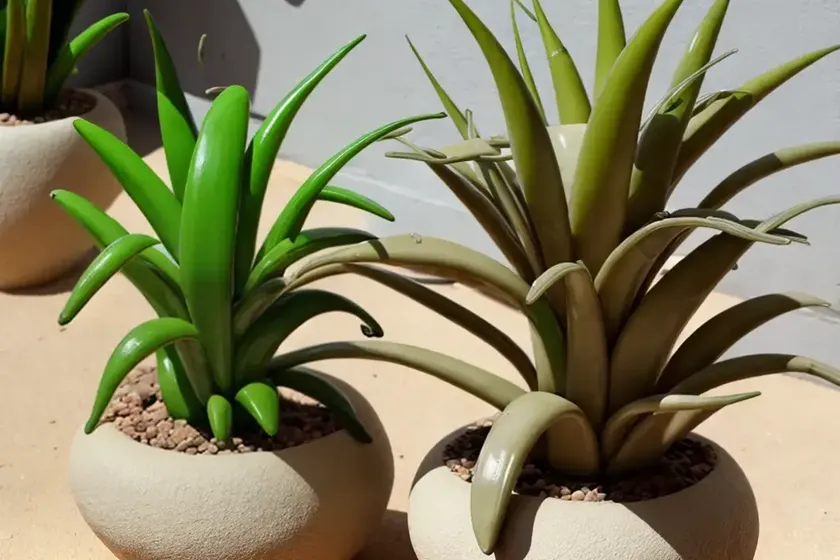
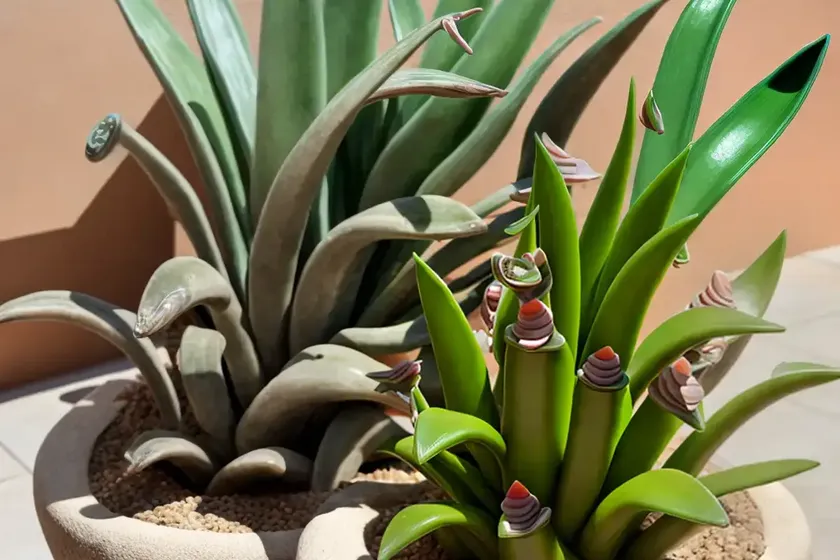
The world of succulent plants encompasses a diverse array of species, each with its own unique characteristics and qualities. One such remarkable plant is the Gasteria batesiana, commonly known as the Ox-tongue. Originating from South Africa, this plant exhibits an intriguing blend of beauty and resilience, making it a popular choice for both indoor and outdoor cultivation.
In this comprehensive guide, we will delve into the enchanting world of Ox-tongue, exploring its cultural significance, uses, care requirements, and much more. Whether you are a seasoned plant enthusiast or just beginning your journey into the realm of gardening, this article will provide you with valuable insights into the captivating realm of Gasteria batesiana.
What is Ox-tongue (Gasteria batesiana)?
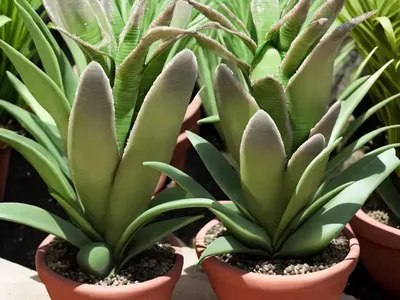
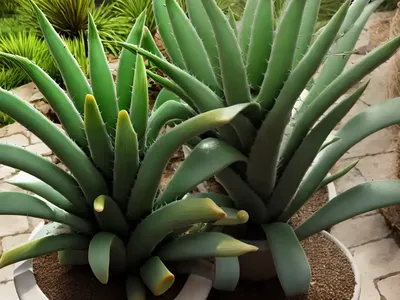
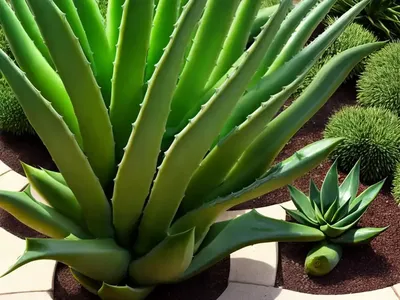
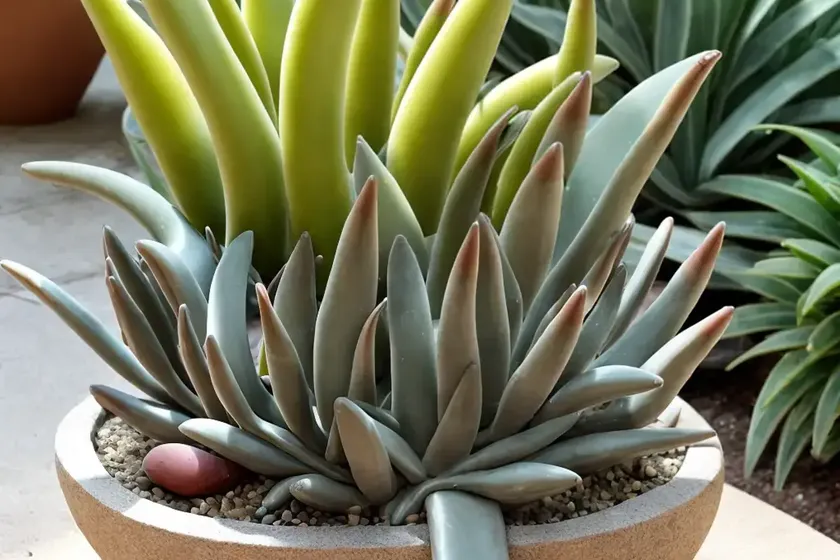
Gasteria batesiana, also commonly known as the Ox-tongue plant, belongs to the genus Gasteria within the family Asphodelaceae. This species is native to the Eastern Cape province of South Africa, where it thrives in arid and rocky environments. The plant is characterized by its rosette-shaped arrangement of fleshy, pointed leaves, which feature striking patterns and vibrant hues.
The name “Ox-tongue” alludes to the plant’s long, tapering leaves, which bear a resemblance to the tongue of an ox. Exhibiting a slow growth habit, Gasteria batesiana can reach a height and spread of approximately 30 centimeters, making it a compact and visually appealing addition to any plant collection.
Key Takeaways – Ox-tongue (Gasteria batesiana)
Before delving into the specific aspects of cultivating Ox-tongue (Gasteria batesiana), it is essential to understand the key takeaways associated with this captivating succulent plant. Below are some of the fundamental points that encapsulate the essence of Gasteria batesiana:
-
Resilient and Low-Maintenance: Gasteria batesiana is renowned for its ability to thrive in low-maintenance conditions, making it an ideal choice for individuals seeking a resilient and easy-to-care-for plant.
-
Distinctive Foliage: The unique foliage of Ox-tongue, characterized by its rosette formation and intricate patterns, sets it apart as an exceptional ornamental plant, suitable for both indoor and outdoor settings.
-
Drought-Resistant Nature: Reflecting its natural habitat in arid regions, Gasteria batesiana exhibits remarkable tolerance to drought, making it an excellent option for water-conservation efforts and dry landscapes.
-
Versatile Uses: From decorative houseplant arrangements to outdoor landscaping and even potential medicinal applications, Ox-tongue offers a diverse range of uses, contributing to its widespread appeal.
Now, let us delve deeper into each aspect of Ox-tongue’s cultivation and characteristics, shedding light on the specific care requirements, uses, and unique attributes that make this plant truly exceptional.
Culture
Uses
The multifaceted nature of Gasteria batesiana lends itself to a variety of uses, ranging from ornamental displays to potential medicinal applications. Understanding the diverse roles that this plant can fulfill enhances its appeal and relevance in different contexts.
Ornamental Uses
Thanks to its visually striking foliage and compact growth habit, Ox-tongue is extensively utilized for ornamental purposes. Whether grown in pots, terrariums, or outdoor gardens, the distinct appearance of Gasteria batesiana adds an aesthetic charm to any setting. Its versatility in design applications ranges from minimalist modern interiors to lush and diverse outdoor landscapes.
Medicinal Applications
In addition to its ornamental value, Gasteria batesiana is also believed to possess certain medicinal properties in traditional contexts. As a member of the larger Gasteria genus, which includes several species with documented medicinal uses, there is potential for further exploration of the therapeutic qualities of Ox-tongue. From traditional herbal remedies to contemporary investigations into its chemical composition, the plant holds promise for a range of medicinal applications.
Water
Watering Requirements
Gasteria batesiana, true to its succulent nature, demonstrates a preference for infrequent watering. The plant is accustomed to arid conditions in its natural habitat, where it has adapted to store water in its fleshy leaves and roots. As such, it is crucial to exercise restraint when watering Ox-tongue, allowing the soil to dry out between waterings to prevent moisture-related issues such as root rot.
-
Watering Frequency: During the growing season, which typically spans spring and summer, it is advisable to water Gasteria batesiana thoroughly but only when the soil has completely dried out. As autumn transitions to winter, the plant enters a period of dormancy, during which watering should be minimal to avoid excessive moisture around the roots.
-
Watering Method: When watering Ox-tongue, it is essential to ensure that excess water can freely drain from the pot, as waterlogged soil can lead to detrimental consequences for succulent plants. Utilizing a well-draining potting mix and providing adequate drainage holes in the container promotes healthy root conditions and prevents the risk of water stagnation.
-
Seasonal Adjustments: Adapting the watering regimen in accordance with seasonal changes is critical for maintaining optimal health and vigor in Gasteria batesiana. By tailoring the watering frequency to suit the plant’s natural growth cycles, you can facilitate robust and sustainable growth throughout the year.
Sunlight
Light Requirements
As a succulent plant originating from sun-drenched regions, Gasteria batesiana exhibits a preference for bright, indirect sunlight. While the plant can tolerate some degree of direct sunlight, especially during the morning hours, excessive exposure to intense sunrays may lead to sunburn or leaf discoloration.
-
Indoor Placement: When cultivating Ox-tongue indoors, positioning the plant near a south- or west-facing window affords it access to sufficient natural light without subjecting it to the full force of the midday sun. Alternatively, if natural light is limited, supplementing with grow lights can help meet the plant’s sunlight requirements for healthy growth.
-
Outdoor Considerations: When grown in outdoor settings, such as gardens or patio containers, it is essential to provide partial shade during the hottest parts of the day, particularly in regions with intense sun exposure. This protective measure helps shield the plant from excessive heat and minimizes the risk of sun-related damage.
Fertilizer
Nutritional Needs
While Gasteria batesiana is renowned for its resilience, providing adequate nutrition in the form of balanced fertilization contributes to its overall vitality and growth. Fertilizer application should be carried out judiciously, taking into account the plant’s natural adaptations to nutrient-scarce environments.
-
Fertilization Frequency: During the active growing season in spring and summer, applying a diluted, balanced fertilizer approximately once a month can support healthy growth in Ox-tongue. It is important to use a fertilizer specifically formulated for succulent plants, as these products provide the appropriate blend of nutrients without overwhelming the plant with excessive concentrations.
-
Fertilizer Type: Opting for a low-potency, specialized succulent fertilizer or a diluted general-purpose houseplant fertilizer helps prevent the risk of fertilizer burn while supplying Gasteria batesiana with the essential nutrients it requires. Additionally, incorporating organic fertilizers into the soil mix during potting can offer a gradual and gentle source of nourishment for the plant.
-
Winter Rest: As the dormant phase sets in during autumn and winter, it is advisable to withhold fertilizer applications, allowing the plant to undergo a period of rest without the stimulation of additional nutrients. By aligning fertilization practices with the plant’s natural growth cycles, you can optimize its nutritional intake and long-term well-being.
Soil
Potting Mix Composition
Creating an ideal potting mix is a critical component of cultivating Gasteria batesiana, as it directly influences the plant’s water retention, drainage, and overall root health. Tailoring the soil composition to mimic the plant’s natural habitat in rocky, well-draining environments facilitates robust growth and minimizes the risk of moisture-related issues.
-
Well-Draining Medium: Gasteria batesiana thrives in a loose, well-aerated potting mix that allows excess water to drain freely, preventing waterlogged conditions that can compromise the plant’s health. Incorporating components such as perlite, coarse sand, and pumice facilitates optimal drainage and minimizes the risk of overwatering.
-
Organic Matter Content: While promoting efficient drainage is paramount, it is equally important to include a moderate amount of organic matter in the potting mix to provide the plant with essential nutrients and support root development. Components such as coconut coir, peat moss, or well-rotted compost contribute to the overall structure and fertility of the soil.
-
pH Considerations: Gasteria batesiana thrives in slightly acidic to neutral soil conditions, with a pH range of 6.0 to 7.0 being ideal for its growth and nutrient absorption. Regular monitoring of the soil pH, along with incorporating amendments as needed to maintain the optimal range, helps create a favorable environment for the plant’s root system.
Pruning
Maintenance and Pruning
The minimal maintenance requirements of Gasteria batesiana extend to its pruning needs, as the plant typically retains a tidy and compact growth habit without necessitating extensive intervention. However, periodic pruning can be beneficial for tidying up the plant, removing damaged leaves, and promoting overall aesthetics.
-
Leaf Removal: As older leaves naturally wither and decline, it is advisable to gently remove them from the base of the plant to maintain its visual appeal and prevent the accumulation of decaying foliage. Utilizing sanitized pruning tools helps minimize the risk of transmitting diseases while carrying out pruning tasks.
-
Propagation Pruning: When undertaking propagative measures, such as leaf or offshoot propagation, closely monitoring the condition of the parent plant’s leaves and removing viable offsets for propagation purposes contributes to the overall health and longevity of Gasteria batesiana.
Propagation
Propagation Methods
Gasteria batesiana can be propagated through various methods, enabling the expansion of your plant collection and the sharing of its unique beauty with others. Understanding the different propagation techniques empowers you to propagate Ox-tongue successfully and propagate new generations of this captivating succulent.
-
Leaf Propagation: One of the most common and straightforward methods of propagating Gasteria batesiana involves utilizing healthy, mature leaves to generate new plants. By carefully detaching individual leaves and allowing them to callus before placing them in a suitable potting mix, you can initiate the growth of new plants from leaf cuttings.
-
Offset Division: As Ox-tongue matures, it produces offsets, also known as “pups,” which can be separated from the parent plant and transplanted into their own containers. Dividing the offsets using sanitized tools and ensuring they possess their own root systems facilitates successful establishment and independent growth.
-
Seed Propagation: While less commonly employed due to the slow growth rate associated with seed propagation, collecting and sowing Gasteria batesiana seeds offers an alternative method of generating new plants. Cultivating plants from seed necessitates patience and attentiveness, as the seedlings require a nurturing environment to flourish.
Container Popularity
Container Gardening Appeal
The compact size and ornamental allure of Gasteria batesiana make it an attractive choice for container gardening, where it can thrive in a variety of indoor and outdoor settings. Selecting the appropriate containers and integrating Ox-tongue into container displays enhances its visual impact and adaptability to diverse environments.
-
Indoor Displays: As a well-suited indoor plant, Gasteria batesiana thrives in containers placed on windowsills, shelves, or as part of decorative plant groupings. Its low-maintenance nature and aesthetic charm make it a favored choice for individuals seeking to incorporate succulents into their indoor living spaces.
-
Patio and Garden Containers: Outdoors, Gasteria batesiana flourishes in containers positioned on patios, balconies, or in garden beds, where it enlivens the surroundings with its distinctive foliage. Container gardening offers the advantage of mobility and flexibility, allowing you to showcase the plant in various outdoor settings while providing it with the preferred growing conditions.
Common Diseases
Disease Susceptibility
Gasteria batesiana exhibits a commendable resistance to diseases, owing to its natural adaptations to arid environments and its capacity to store water within its leaves. However, certain environmental and care-related factors can predispose the plant to specific diseases, necessitating vigilance and proactive management to maintain its health.
-
Root Rot: Overly moist or poorly draining soil can lead to root rot in Gasteria batesiana, compromising the plant’s ability to absorb water and nutrients. Preventing waterlogged conditions through appropriate watering practices and employing a well-draining potting mix helps safeguard the plant from root-related diseases.
-
Pest-Induced Damage: While not a disease per se, damage caused by pests such as mealybugs, aphids, or spider mites can weaken the plant and render it more susceptible to opportunistic infections. Regularly inspecting the plant for signs of pest infestations and promptly addressing any issues can mitigate the risks associated with pest-induced damage.
Disease Diagnosis
Diagnosing and addressing potential diseases in Gasteria batesiana involves keen observation of the plant’s appearance, coupled with an understanding of the environmental and care conditions that may impact its health. Several diagnostic cues can provide insights into the presence of diseases or unfavorable conditions affecting the plant.
-
Leaf Discoloration: Discoloration of the leaves, manifested as browning, yellowing, or blackening, may indicate underlying issues such as overwatering, nutrient deficiencies, or root-related ailments. Identifying the specific patterns and locations of discoloration aids in pinpointing the potential cause and determining appropriate remedial actions.
-
Stunted Growth: A lack of vigorous growth or visible decline in the plant’s overall vitality can serve as a red flag for potential disease or care-related issues. By evaluating the plant’s growth patterns and comparing them to established benchmarks for healthy Gasteria batesiana, it becomes possible to discern deviations and address the underlying factors contributing to stunted growth.
Common Pests
Pest Infestation Risks
While Gasteria batesiana possesses innate resilience against pests due to its succulent nature and adaptive traits, it is not immune to potential infestations from common garden pests. Recognizing the signs of pest activity and implementing preventive measures helps safeguard the plant from the detrimental effects of pest-related damage.
-
Mealybugs: These small, cottony insects can cluster around the base of leaves and in leaf axils, damaging the plant with their piercing mouthparts and secreting honeydew. Regularly inspecting the plant for the presence of mealybugs and promptly addressing any infestations aids in preventing extensive damage.
-
Aphids: Aphids feed on plant sap, causing distortion and yellowing of leaves while potentially transmitting viral diseases. Monitoring the undersides of leaves and tender shoot tips for aphid activity assists in early detection and intervention, minimizing the impact of aphid infestations on Gasteria batesiana.
-
Spider Mites: As tiny arachnids that thrive in dry conditions, spider mites can inflict damage on Gasteria batesiana by piercing leaf tissue and extracting fluids, leading to stippled or discolored foliage. Maintaining adequate humidity levels and promptly addressing any signs of spider mite infestations contributes to effective pest control.
Botanist’s Tips
Optimal Care Practices
Gasteria batesiana thrives when provided with attentive care and suitable growing conditions that emulate its natural habitat. Implementing the following botanist’s tips helps foster robust growth and long-term well-being in Ox-tongue, allowing you to appreciate its beauty and resilience to the fullest extent.
-
Patience and Observation: Cultivating Gasteria batesiana entails a measure of patience, as the plant exhibits a slow growth rate and deliberate pace of development. By observing the plant’s responses to various care practices and environmental conditions, you can tailor its care regimen to align with its unique requirements.
-
Well-Draining Soil: Emphasizing the importance of well-draining soil and containers with adequate drainage facilitates the establishment of healthy root systems and mitigates the risks associated with overwatering. Prioritizing soil and container considerations sets the stage for successful growth and resilience in Gasteria batesiana.
-
Balanced Nutrient Supply: Providing balanced fertilization during the active growing season and respecting the plant’s dormancy period during autumn and winter supports its nutritional needs while respecting its natural growth cycles. Adhering to a balanced approach to feeding ensures that Gasteria batesiana receives the necessary nutrients without excessive stimulation.
-
Environmental Adaptations: Tailoring the plant’s exposure to sunlight, watering frequency, and humidity levels to align with its natural habitat in arid regions promotes healthy growth and minimizes the risk of environmental stress. By emulating the conditions to which Gasteria batesiana is naturally adapted, you can optimize its overall resilience and vitality.
Fun Facts
Uncovering the fascinating aspects of Gasteria batesiana enriches the experience of nurturing and appreciating this extraordinary succulent plant. Delving into the following fun facts sheds light on the unique characteristics and cultural significance of the Ox-tongue, deepening your connection to this captivating species.
-
Traditional Uses: In traditional South African medicine, various Gasteria species, including Gasteria batesiana, have been utilized for their reputed medicinal properties. From relieving digestive ailments to treating burns and wounds, these plants have played a role in indigenous healing practices, contributing to their cultural significance.
-
Air Purification Abilities: Like many succulent plants, Gasteria batesiana possesses air-purifying qualities, helping to improve indoor air quality by removing toxins and impurities. In addition to its ornamental value, this plant serves as a natural air purifier, enhancing the health and well-being of the indoor environment.
-
Landscape Design Accent: Beyond its merits as a potted plant, Gasteria batesiana can be integrated into outdoor landscaping schemes, adding textural interest and drought-tolerant appeal to gardens, rockeries, and xeriscape designs. Its distinctive foliage and low-maintenance nature make it a valuable component of sustainable, water-wise landscapes.
Links to External Resources
For further exploration of Gasteria batesiana and related topics, the following external resources offer valuable insights, guidance, and inspiration for enthusiasts and cultivators interested in delving deeper into the realm of succulent plants and sustainable gardening practices:
- The Complete Guide to Growing Succulents Indoors
- Gasteria: A Growing Guide
- Sustainable Gardening Practices for Drought-Resistant Plants
- South African Medicinal Plants: An Overview
In conclusion, the enigmatic allure of Gasteria batesiana, or the Ox-tongue plant, invites enthusiasts and novices alike to appreciate its beauty, resilience, and diverse applications. By embracing the cultural, horticultural,