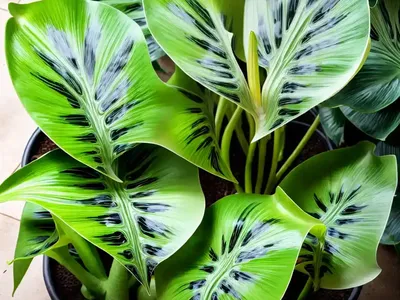
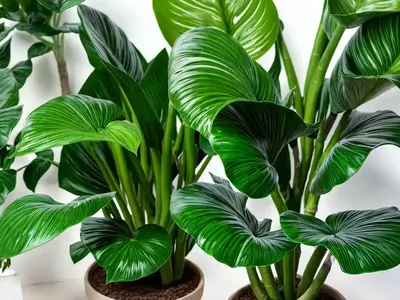
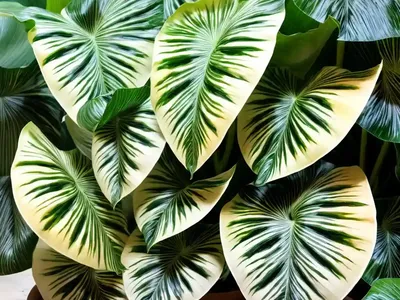
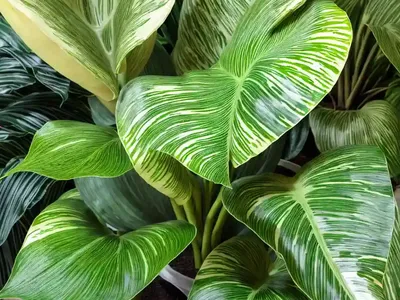
Alocasia Regal Shield (Alocasia ‘Regal Shields’)
Alocasia Regal Shield, scientifically known as Alocasia ‘Regal Shields’, is a striking and popular tropical plant that is cultivated for its large, glossy.
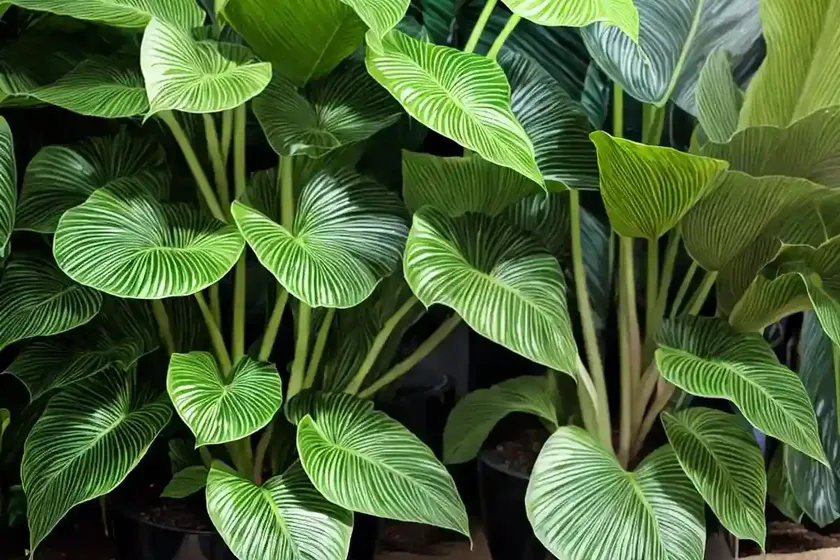
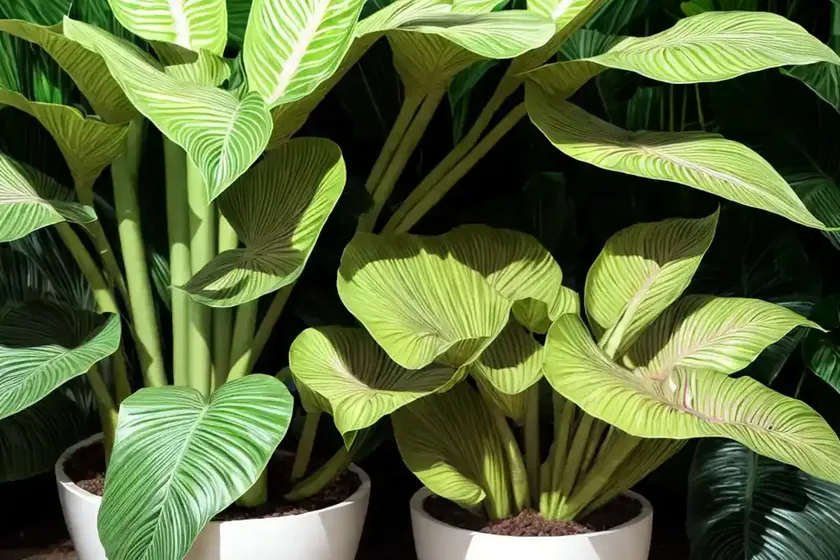
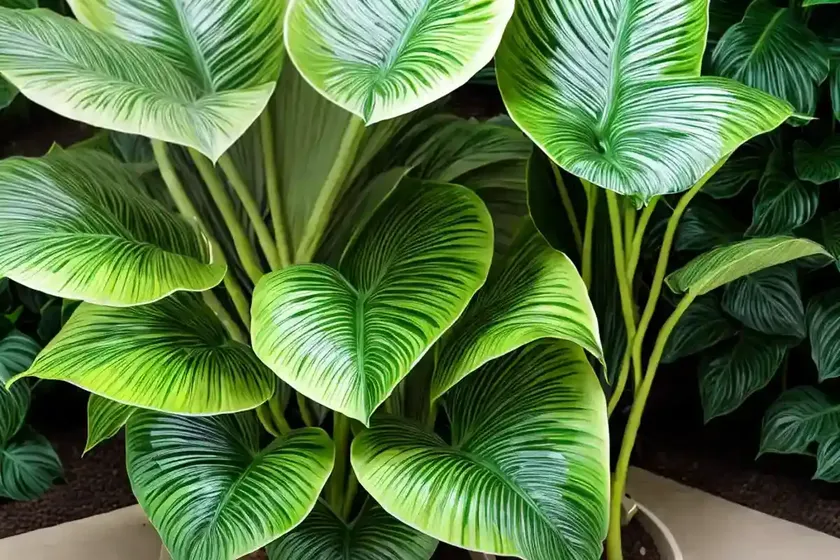
Alocasia Regal Shield, scientifically known as Alocasia ‘Regal Shields’, is a striking and popular tropical plant that is cultivated for its large, glossy, heart-shaped leaves and its elegant, upright growth habit. This stunning plant belongs to the Araceae family and is native to Southeast Asia, where it thrives in the warm, humid climates of tropical rainforests. Alocasia Regal Shields have gained immense popularity among plant enthusiasts and gardeners due to their ornamental foliage and impressive presence as a houseplant.
In this comprehensive guide, we will delve into the various aspects of Alocasia Regal Shield care, including its cultural requirements, uses, water and sunlight needs, fertilizer recommendations, soil preferences, pruning techniques, propagation methods, common diseases, pest management, and much more. Whether you’re a seasoned plant enthusiast or a novice gardener, understanding the key factors influencing the growth and well-being of Alocasia Regal Shields is essential for successfully cultivating and maintaining this captivating plant.
Key Takeaways – Alocasia Regal Shield ( Alocasia ‘Regal Shields’)
Before delving into the specifics of Alocasia Regal Shield care, let’s take a look at the key takeaways that will serve as the foundation for effectively nurturing this tropical beauty.
- Scientific Name: Alocasia ‘Regal Shields’
- Common Names: Alocasia Regal Shield, Elephant Ear ‘Regal Shields’
- Family: Araceae
- Native Habitat: Southeast Asia, tropical rainforests
- Foliage: Large, glossy, heart-shaped leaves
- Growth Habit: Upright, elegant
- Popular as: Houseplant, ornamental foliage
- Special Features: Impressive size, striking appearance
Now that we have an overview of Alocasia Regal Shield, let’s delve into the detailed care guide to ensure the successful cultivation of this captivating tropical plant.
Culture
Understanding the cultural requirements of Alocasia Regal Shield is crucial for creating an environment that mimics its native habitat and supports its growth and development. The following cultural aspects play a pivotal role in nurturing this tropical beauty.
- Humidity: Alocasia Regal Shields thrive in high humidity levels, making them ideal candidates for terrariums or bathrooms with ample humidity. Alternatively, regular misting or using a humidifier in drier environments can aid in maintaining the required moisture levels.
- Temperature: These tropical plants prefer warm temperatures ranging between 65-80°F (18-27°C). It is important to protect them from drafts and sudden temperature fluctuations, especially during the colder months.
- Potting: Choosing a well-draining potting mix rich in organic matter is essential for Alocasia Regal Shields. A mix containing peat moss, perlite, and pine bark provides the ideal combination for supporting healthy growth.
- Indoor/Outdoor: Alocasia Regal Shield can be grown both indoors and outdoors, provided they receive adequate light, warmth, and humidity. When grown outdoors, they are best suited to regions with mild climates.
Uses
Alocasia Regal Shield is primarily cultivated for its ornamental foliage, which adds a touch of tropical elegance to indoor and outdoor spaces. The impressive size and glossy sheen of its leaves make it a popular choice for interior decoration, landscaping, and as a statement plant in gardens and courtyards.
Water
Ensuring appropriate watering practices is essential for the well-being of Alocasia Regal Shield. While these plants enjoy consistent moisture, they are susceptible to root rot if overwatered. The following tips will guide you in providing the right amount of water to your Alocasia Regal Shield.
- Watering Frequency: Alocasia Regal Shield should be watered thoroughly whenever the top inch of the soil feels dry. It is crucial to allow excess water to drain from the pot to prevent waterlogged conditions.
- Water Quality: Using room temperature, filtered water can help prevent the buildup of salts and chemicals that may be present in tap water. This aids in maintaining the health of the plant and preventing leaf damage.
- Signs of Overwatering: Yellowing or browning of the leaves, wilting, and mushy stems are indicators of overwatering. Adjust the watering frequency to prevent these symptoms.
Sunlight
Proper sunlight exposure is vital for the growth and vitality of Alocasia Regal Shield. While these plants appreciate bright, indirect light, they should be shielded from direct sunlight, which can scorch their leaves. Understanding the sunlight requirements will ensure the optimal growth of Alocasia Regal Shields.
- Light Requirements: Alocasia Regal Shield thrives in bright, indirect light. Placing them near east or west-facing windows where they receive gentle morning or afternoon sunlight is ideal. In low-light conditions, the growth may slow down, and the plant may become leggy.
- Avoiding Direct Sunlight: Shielding Alocasia Regal Shields from direct sunlight is crucial, as prolonged exposure can lead to leaf scorching and damage. Using sheer curtains or placing them at a distance from south-facing windows can help protect the plants from intense sunlight.
Fertilizer
Providing the right balance of nutrients through fertilization supports the lush growth of Alocasia Regal Shield. Choosing a suitable fertilizer and following a regular feeding schedule can significantly impact the overall health and vigor of these tropical plants.
- Fertilizer Type: A balanced, water-soluble fertilizer with an NPK ratio of 20-20-20 or 10-10-10 is suitable for Alocasia Regal Shields. Alternatively, a fertilizer formulated specifically for foliage plants can be used to provide the essential nutrients.
- Feeding Frequency: During the growing season, from spring to early fall, feed the plant with diluted fertilizer every two to four weeks. Withholding fertilization during the winter months when growth slows down is recommended.
Soil
The choice of soil for Alocasia Regal Shield plays a pivotal role in maintaining optimal moisture levels and supporting healthy root development. A well-draining, nutrient-rich soil mix is essential for the overall well-being of these tropical plants.
- Soil Composition: A blend of peat moss, perlite, and pine bark provides excellent drainage while retaining sufficient moisture for Alocasia Regal Shields. Adding organic matter such as compost or well-rotted manure enriches the soil and promotes robust growth.
- Aeration: Adequate aeration in the soil is essential to prevent waterlogging and root suffocation. Incorporating perlite or coarse sand into the soil mixture enhances aeration and drainage.
Pruning
Pruning Alocasia Regal Shield is essential for maintaining its attractive appearance, removing damaged or yellowing leaves, and encouraging healthy growth. Understanding the pruning techniques will aid in effectively managing the plant’s foliage.
- Leaf Pruning: Trimming off yellowing or damaged leaves can improve the overall appearance of Alocasia Regal Shield. Use sharp, clean scissors or pruning shears to make precise cuts to avoid unnecessary stress to the plant.
- Caution: Alocasia Regal Shield sap can cause skin irritation, and it is important to wear gloves while pruning the plant to avoid contact with the sap.
Propagation
Expanding your Alocasia Regal Shield collection or sharing the beauty of these tropical plants with fellow enthusiasts can be achieved through propagation. Understanding the propagation methods and the ideal timing for propagation will enable you to successfully multiply your plant.
- Division: Propagation through division involves separating the plant’s rhizomes and ensuring that each divided section has sufficient roots and foliage. Spring is generally the best time for division when the plant is actively growing.
- Potting the Divisions: Once divided, the sections are potted in well-draining soil, and they are placed in a warm, humid environment to encourage root development and new growth.
Container Popularity
The striking appearance and manageable size of Alocasia Regal Shield make it a popular choice for container gardening. The following factors contribute to the widespread popularity of growing these tropical beauties in containers.
- Ornamental Value: Alocasia Regal Shield serves as a stunning focal point in containers, adding a touch of tropical elegance to indoor and outdoor spaces.
- Manageable Size: The relatively compact size of Alocasia Regal Shields makes them well-suited for container cultivation, allowing enthusiasts with limited space to enjoy their striking foliage.
Container Common Diseases
While Alocasia Regal Shield is generally resilient, it is important to be aware of the common diseases that can affect these tropical beauties. Understanding the symptoms and management strategies for these diseases is crucial for maintaining the health of the plants.
- Leaf Spot: This fungal disease manifests as dark, water-soaked spots on the leaves, often surrounded by yellow halos. Preventing overhead watering, providing adequate air circulation, and removing affected leaves can help manage leaf spot.
- Root Rot: Excessive moisture or poorly draining soil can lead to root rot, causing wilting, yellowing leaves, and overall decline. Adjusting the watering frequency, improving soil drainage, and repotting in fresh soil can aid in managing root rot.
Disease Diagnosis
Diagnosing diseases affecting Alocasia Regal Shield involves careful observation of the plant’s symptoms, coupled with an understanding of the common diseases that may impact its health. The following signs may indicate a potential disease affecting the plant.
- Leaf Discoloration: Yellowing, browning, or blackening of the leaves can indicate fungal infections, nutrient deficiencies, or overwatering issues.
- Wilting: Sudden wilting, especially in well-watered conditions, can signal root rot, which requires immediate intervention to prevent further damage to the plant.
- Spotting: Dark, water-soaked spots on the leaves often signify fungal infections, and they should be promptly addressed to prevent the spread of the disease.
Common Pests
Despite their resilience, Alocasia Regal Shield may be susceptible to certain pests that can affect their overall health and appearance. Recognizing the common pests and implementing the appropriate control measures is crucial for the well-being of these tropical plants.
- Spider Mites: These tiny pests can cause stippling and webbing on the leaves, leading to a decline in the plant’s vigor. Regularly misting the leaves to increase humidity and treating the plant with insecticidal soap can help control spider mite infestations.
- Mealybugs: Mealybugs may appear as white, cottony masses on the leaves and stems of Alocasia Regal Shields. Using a cotton swab dipped in rubbing alcohol to remove the mealybugs and subsequently applying neem oil can aid in managing these pests.
Botanist’s Tips
Drawing from the expertise of accomplished botanists and plant enthusiasts, the following tips are tailored to ensure the successful care and cultivation of Alocasia Regal Shield.
- Humidity Management: Creating a humid environment through pebble trays, humidifiers, or regular misting can significantly benefit the growth of Alocasia Regal Shields, mimicking their natural tropical habitat.
- Protection from Cold: Shielding the plant from cold drafts and temperatures below 60°F is essential to prevent damage and ensure its overall well-being.
- Cautious Watering: Carefully monitoring the moisture levels in the soil and adjusting the watering frequency based on the plant’s needs can prevent issues such as root rot and overwatering.
Fun Facts
Delving into the fascinating aspects of Alocasia Regal Shield can uncover a myriad of intriguing details and captivating attributes that add to the allure of these tropical beauties.
- Alocasia Regal Shield leaves exhibit a dramatic, almost metallic sheen, adding to their visual appeal and contributing to their captivating presence as ornamental plants.
- The genus name “Alocasia” is derived from the Greek words “alos,” meaning salt, and “kasia,” meaning to burn, alluding to the plant’s ability to thrive in coastal areas and its potential to cause skin irritation.
Links to External Resources
For further insights into Alocasia Regal Shield care, propagation techniques, and additional information, explore the following external resources:
- Royal Horticultural Society – Alocasia Regal Shield Care Guide
- University of Florida IFAS Extension – Alocasia Production Guide
A deep understanding of the cultural requirements, maintenance practices, and potential challenges associated with Alocasia Regal Shield is fundamental for the successful cultivation of this captivating tropical plant. By integrating these insights into your plant care routine, you can create an optimal environment for Alocasia Regal Shield to flourish, bringing a touch of tropical elegance to your indoor or outdoor space.