Alocasia Wentii (Alocasia Wentii ‘Hardy Elephant Ear’)
Alocasia wentii, also known as the Hardy elephant ear, is a stunning plant with large, dramatic leaves that have made it a popular choice for both indoor.
Alocasia wentii, also known as the Hardy elephant ear, is a stunning plant with large, dramatic leaves that have made it a popular choice for both indoor and outdoor cultivation. This tropical beauty belongs to the Araceae family and is native to Southeast Asia. Its distinctive foliage and relatively low maintenance requirements have garnered the interest of plant enthusiasts and gardeners alike. In this comprehensive guide, we will delve into the various aspects of Alocasia wentii, including its cultural requirements, uses, propagation techniques, common pests, and diseases, along with some fun facts, and links to external resources for further reading.
Key Takeaways – Alocasia wentii (Alocasia wentii ‘Hardy Elephant Ear’)
Before we explore Alocasia wentii in detail, here are some key takeaways about this unique plant:
- Alocasia wentii is a tropical plant that is known for its large, striking leaves, earning it the nickname “Hardy elephant ear.”
- It thrives in environments with high humidity and warm temperatures, making it well-suited for indoor cultivation in certain climates.
- While it is a visually stunning plant, it is essential to carefully manage its cultural requirements to ensure its health and longevity.
- Alocasia wentii can be propagated through division, and it is essential to be mindful of its watering, sunlight, and soil preferences to foster optimal growth.
Now, let’s delve into the details of Alocasia wentii, encompassing its culture, uses, propagation, and more.
What is Alocasia wentii (Alocasia wentii ‘Hardy Elephant Ear’)?
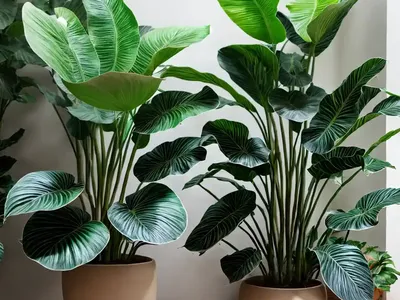
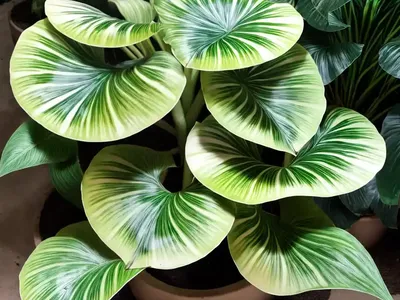
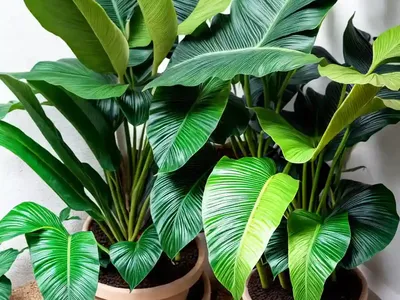
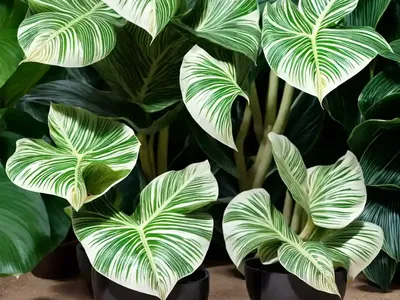
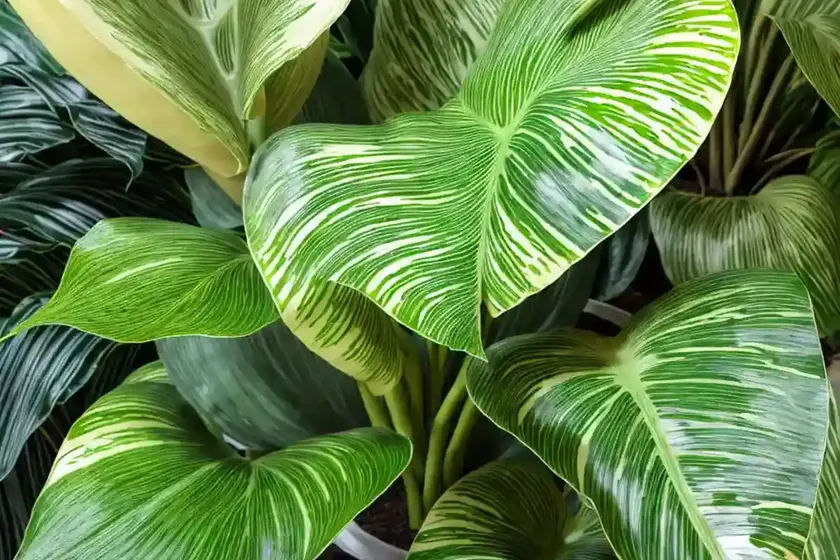
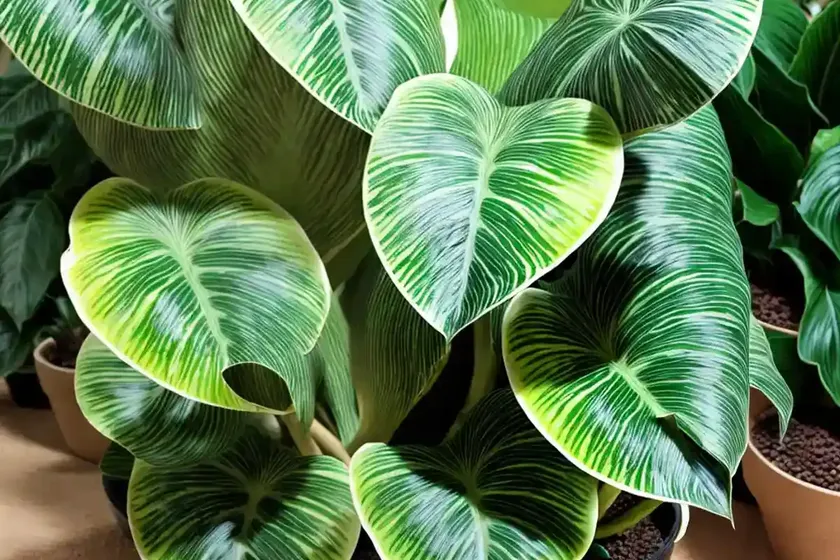
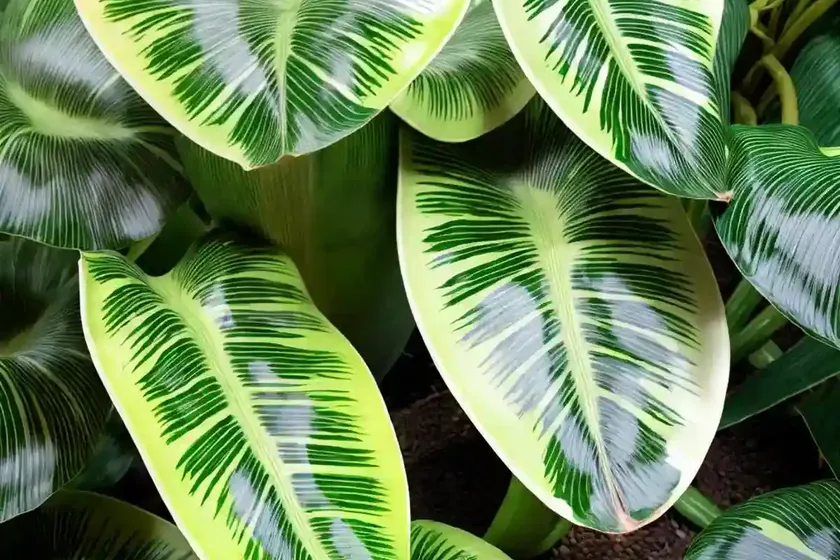
Alocasia wentii, also known as the Hardy elephant ear, is a species of Alocasia that boasts large, heart-shaped leaves with distinct veining. The foliage displays a vibrant green color, while the undersides of the leaves often exhibit a striking purple hue. It is a herbaceous perennial that is valued for its ornamental appeal and tropical ambiance, making it a sought-after addition to gardens, landscapes, and indoor spaces.
This plant is indigenous to the rainforests of Borneo and is named after the renowned botanist L.J.W. Went, who was instrumental in the classification of many tropical plant species. In its natural habitat, Alocasia wentii thrives in moist, shaded areas with rich, well-draining soil, typical of the conditions found within tropical rainforests.
Many plant enthusiasts are drawn to Alocasia wentii for its mesmerizing foliage, which lends an exotic and lush aesthetic to its surroundings. Despite its tropical origins, Alocasia wentii has been cultivated in various regions worldwide, where it is adored for its striking appearance and relatively manageable care requirements.
Plant Classification
- Kingdom: Plantae
- Family: Araceae
- Genus: Alocasia
- Species: Alocasia wentii
Culture
The successful cultivation of Alocasia wentii hinges on a thorough understanding of its cultural preferences, encompassing various factors such as water, sunlight, fertilizer, soil, and pruning. Let’s explore these essential aspects of Alocasia wentii cultivation in detail.
Water
Alocasia wentii thrives in consistently moist soil, mirroring the conditions of its natural rainforest habitat. However, it is crucial to strike a balance, as overwatering can lead to root rot and other moisture-related issues. The key to watering Alocasia wentii is to maintain a moderately moist environment without allowing the soil to become waterlogged.
Watering Requirements:
- Ensure that the soil remains consistently moist, but not waterlogged, by allowing the top inch of the soil to dry out slightly between waterings.
- Water the plant thoroughly, allowing excess water to drain from the bottom of the pot.
- During the growing season, typically spring through fall, water Alocasia wentii regularly and adjust the frequency based on the environmental conditions and the plant’s specific needs.
Sunlight
While Alocasia wentii thrives in bright, indirect light, it is crucial to shield it from direct sunlight, which can scorch its foliage. Positioning the plant in a location with ample ambient light or filtered sunlight can help it flourish.
Light Requirements:
- Locate Alocasia wentii in a spot with bright, indirect light, such as near a north or east-facing window, to provide it with the appropriate light levels without the risk of leaf burn.
- In regions with intense sunlight, it is advisable to shield the plant with sheer curtains or move it to a shadier location to prevent leaf damage.
Fertilizer
Fertilizing Alocasia wentii is essential to support its growth and promote lush foliage. A balanced, time-release fertilizer formulated for tropical plants can bolster the plant’s vigor and overall health. During the growing season, regular fertilization can contribute to vibrant and robust foliage.
Fertilizing Tips:
- Apply a balanced liquid fertilizer every two to four weeks during the growing season to supply essential nutrients for healthy growth.
- Dilute the fertilizer to half the recommended strength to prevent over-fertilization, which can harm the plant or lead to salt buildup in the soil.
Soil
The soil composition plays a pivotal role in the well-being of Alocasia wentii. It thrives in well-draining, organically rich soil that retains moisture without becoming waterlogged. This balanced soil structure supports root health and contributes to the plant’s ability to access essential nutrients.
Soil Preferences:
- Utilize a well-draining potting mix enriched with organic matter, such as peat moss or coconut coir, to create a moisture-retentive yet aerated substrate conducive to Alocasia wentii’s growth.
- Consider adding perlite or sand to the potting mix to enhance drainage and prevent water stagnation, reducing the risk of root rot.
Pruning
While Alocasia wentii typically does not require extensive pruning, removing dead or yellowing leaves can help enhance its appearance and prevent the spread of disease. Pruning can also encourage the growth of new leaves and maintain the plant’s vitality.
Pruning Guidelines:
- Trim away any discolored or damaged leaves using clean, sharp scissors or pruning shears to maintain the plant’s aesthetic appeal and overall health.
- Promptly remove any dead or wilting foliage to prevent the onset of fungal or bacterial diseases and promote the growth of new, healthy leaves.
Uses
Alocasia wentii is prized for its ornamental value and is commonly cultivated as a focal point in gardens, landscapes, and interior settings. Its visually captivating foliage and tropical allure make it a sought-after addition to various environments, allowing it to serve multiple purposes.
Indoor Décor
Due to its striking foliage and manageable size, Alocasia wentii is a popular choice for indoor cultivation, adorning homes, offices, and interior spaces with its lush, tropical ambiance. Its dramatic leaves and distinctive veining make it an eye-catching addition to plant collections and interior design schemes.
Outdoor Landscaping
In suitable climates, Alocasia wentii enhances outdoor landscapes with its large, lush foliage, providing a focal point in gardens, tropical-themed landscapes, and shaded outdoor areas. Its bold leaf structure and vibrant coloration contribute to the visual appeal of garden beds, borders, and container plantings.
Tropical Gardens
Alocasia wentii is a natural fit for tropical and exotic gardens, where its striking foliage and imposing stature complement the lush, verdant surroundings. It can be integrated into tropical garden designs to create an immersive and verdant atmosphere, evoking the ambiance of its native rainforest habitat.
Container Gardening
The compact size of Alocasia wentii makes it well-suited for container gardening, allowing plant enthusiasts with limited outdoor space to cultivate this tropical beauty on patios, balconies, and decks. Its bold foliage adds an element of drama and lushness to container plantings, creating visual interest and vibrant greenery.
Propagation
Propagation of Alocasia wentii can be accomplished through division, allowing plant enthusiasts to expand their collection or share this captivating plant with fellow gardening enthusiasts. Division involves separating the plant into smaller sections, each with its own root system, to establish new plants.
Propagation Method: Division
- Select a healthy, established Alocasia wentii plant for propagation and carefully remove it from its container.
- Gently shake off excess soil from the plant’s root system to expose the rhizomes, which are underground stems that store energy and produce new shoots.
- Using a clean, sharp knife or gardening tool, carefully divide the rhizomes into sections, ensuring that each division has several healthy shoots and an intact root system.
- Plant the divisions in separate containers or suitable planting sites, ensuring that the soil remains consistently moist to encourage the establishment of new growth.
Container Popularity
The compact size and striking appearance of Alocasia wentii make it a popular choice for container cultivation, enabling plant enthusiasts to showcase its lush foliage and exotic charm in a variety of indoor and outdoor settings. Its adaptability to container gardening offers versatility and flexibility in incorporating this tropical beauty into diverse environments.
Indoor Containers
Alocasia wentii is well-suited for indoor containers, where its vibrant foliage and manageable size make it an ideal choice for homes, offices, and other interior spaces. Its striking appearance and lush foliage elevate interior décor, adding a touch of tropical elegance to indoor settings.
Outdoor Containers
In outdoor settings, Alocasia wentii thrives in containers on patios, balconies, and decks, bringing a tropical ambiance to outdoor living spaces. Its compact growth habit and visually appealing leaves make it a favored selection for container gardens, where it contributes to the visual allure of outdoor settings.
Common Diseases
Despite its robust nature, Alocasia wentii is susceptible to certain diseases and disorders that can affect its health and appearance. By recognizing common diseases and their symptoms, prompt intervention and appropriate management strategies can be employed to protect the plant’s well-being.
Disease Diagnosis
-
Leaf Spot: Characterized by the presence of dark, water-soaked spots on the foliage, leaf spot can be caused by fungal pathogens and environmental stress. Proper sanitation and favorable growing conditions can mitigate leaf spot incidence.
-
Root Rot: Excessive moisture and poor drainage can lead to root rot in Alocasia wentii, resulting in wilting, yellowing foliage and root decay. Improving soil drainage and adjusting watering practices can prevent root rot and promote root health.
-
Powdery Mildew: Manifesting as a powdery, white fungal growth on the leaves, powdery mildew can compromise Alocasia wentii’s health. Adequate air circulation and humidity management can prevent powdery mildew and preserve the plant’s foliage.
Common Pests
Alocasia wentii is susceptible to certain pests that can compromise its health and vigor if left unchecked. Being vigilant for signs of pest infestation and employing appropriate pest management techniques can safeguard the plant from detrimental insect damage.
Insect Pests
-
Spider Mites: These tiny arachnids can infest Alocasia wentii, causing stippling, webbing, and leaf discoloration. Showering the plant with a strong stream of water and utilizing insecticidal soap can help control spider mite populations.
-
Aphids: Aphids can congregate on Alocasia wentii, feeding on the plant’s sap and causing leaf distortion and yellowing. Regularly inspecting the plant and employing natural predators or insecticidal sprays can help manage aphid infestations.
-
Mealybugs: Mealybugs are common pests that can infest Alocasia wentii, resulting in white, cottony masses on the foliage. Removing mealybugs manually and applying horticultural oil can aid in controlling their population.
Botanist’s Tips
For successful cultivation and maintenance of Alocasia wentii, it is key to consider the following tips:
-
Humidity: Alocasia wentii thrives in high humidity levels, making it essential to provide adequate moisture in the surrounding environment. Utilizing a humidifier or employing humidity trays can help bolster the plant’s health and vitality.
-
Temperature: Maintaining a warm, consistent temperature is conducive to Alocasia wentii’s growth and well-being. It is sensitive to cold drafts and temperature fluctuations, requiring a stable, warm environment for optimal performance.
-
Disease Prevention: Practicing good sanitation and providing optimal growing conditions can effectively ward off common diseases and disorders, preserving Alocasia wentii’s health and vigor.
-
Regular Monitoring: Regularly inspecting Alocasia wentii for signs of pests, diseases, and environmental stress can facilitate early detection and prompt intervention, preventing potential issues from escalating.
Fun Facts
- The species name “wentii” honors botanist L.J.W. Went, who made significant contributions to the study and classification of tropical plants.
- Alocasia wentii’s large, heart-shaped leaves are often likened to the ears of an elephant, inspiring its common name, “Hardy elephant ear.”
- While Alocasia wentii is visually appealing, all parts of the plant are toxic if ingested and can cause discomfort if they come into contact with the skin.
Links to External Resources
To further expand your knowledge and understanding of Alocasia wentii, consider exploring the following external resources:
- Royal Horticultural Society: Alocasia
- University of Florida IFAS Extension: Alocasia Species
- Missouri Botanical Garden: Alocasia wentii
- American Society for the Prevention of Cruelty to Animals (ASPCA): Alocasia
In conclusion, Alocasia wentii, or the Hardy elephant ear, is a captivating plant with its large, dramatic leaves and tropical allure. By understanding its cultural preferences, propagation techniques, common pests, and diseases, plant enthusiasts can effectively cultivate and nurture this exotic beauty, adding a touch of the tropics to their indoor and outdoor spaces. With its visually striking foliage and ornamental value, Alocasia wentii contributes to the verdant splendor of gardens, landscapes, and interior settings, captivating the admiration of plant enthusiasts and nature lovers worldwide.