Alocasia Variegata (Alocasia Macrorrhizos Variegata)
Alocasia Variegata, also known as Alocasia Macrorrhizos Variegata, is an incredibly striking and popular plant known for its large, variegated leaves. With.

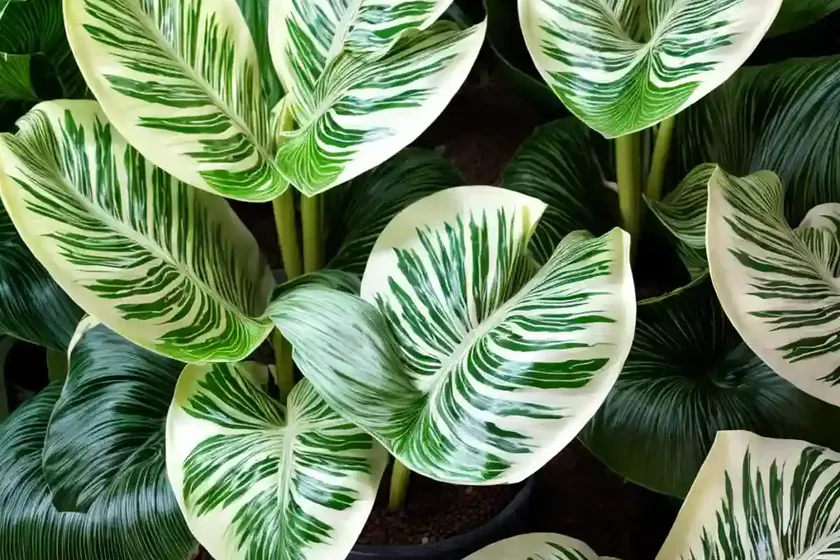
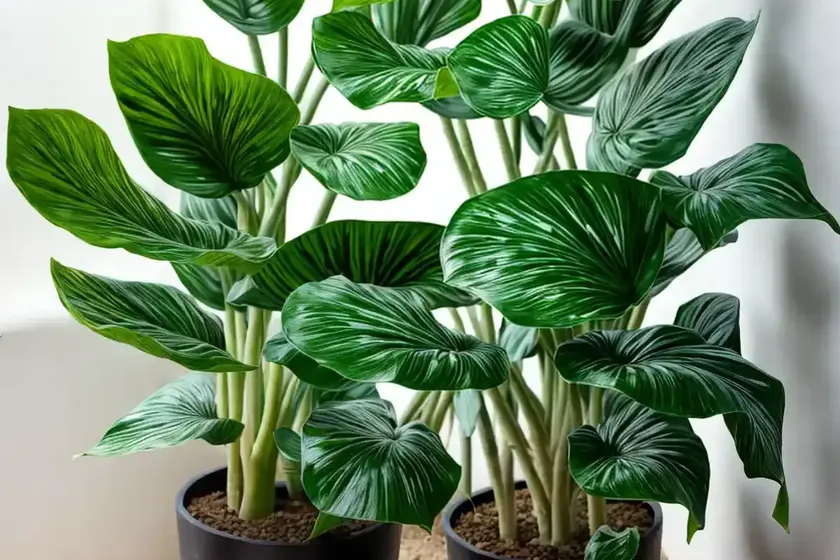
Alocasia Variegata, also known as Alocasia Macrorrhizos Variegata, is an incredibly striking and popular plant known for its large, variegated leaves. With its unique aesthetic appeal and relatively low maintenance requirements, it has become a favored choice for indoor and outdoor plant enthusiasts. In this comprehensive guide, we will delve into the key points of caring for Alocasia Variegata, including its culture, uses, water and sunlight needs, fertilizer requirements, soil preferences, pruning, propagation, container options, common diseases and pests, and much more. Whether you are a seasoned plant enthusiast or just starting your plant journey, this guide will equip you with valuable insights to ensure the thriving growth of Alocasia Variegata in your space.
What is Alocasia Variegata (Alocasia Macrorrhizos Variegata)?
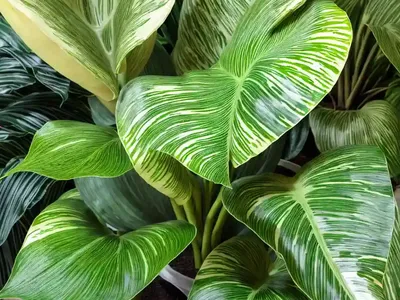
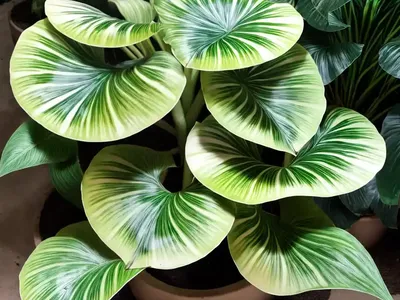
Alocasia Variegata, a member of the Araceae family, is a visually captivating plant that is mainly recognized for its distinctively large, glossy leaves adorned with intricate variegation patterns. Originating from subtropical and tropical regions, it is a perennial plant that can grow up to 5-6 feet in height under favorable conditions. The unique variegation of its leaves, featuring a blend of vibrant green and creamy white hues, adds a touch of sophistication and charm to any indoor or outdoor setting. It is this exceptional foliage that makes Alocasia Variegata a sought-after choice for plant collectors and enthusiasts.
Key Takeaways – Alocasia Variegata (Alocasia Macrorrhizos Variegata)
Before we delve into the specifics of caring for Alocasia Variegata, let’s outline some key takeaways that will guide us through this comprehensive guide.
- Scientific Name: Alocasia Macrorrhizos Variegata
- Common Names: Variegated Elephant Ear, Alocasia Variegata
- Foliage: Large, variegated leaves with green and creamy white patterns
- Height: Can grow up to 5-6 feet in favorable conditions
- Family: Araceae
- Uses: Ornamental purposes, landscaping, indoor decor
- Watering Needs: Moderate, consistent moisture
- Sunlight Requirements: Indirect, bright light
- Soil Type: Well-draining, rich potting mix
- Fertilizer: Balanced liquid fertilizer during the growing season
- Propagation: Rhizome division, offsets, or seeds
- Container: Well-draining, spacious containers
- Popularity: Highly sought-after for its unique foliage
- Common Diseases: Leaf spot diseases, root rot
- Common Pests: Spider mites, aphids
- Toxicity: Toxic to pets if ingested
- Fun Facts: Originates from subtropical and tropical regions, exhibits exceptional resilience and adaptability
Now that we have a high-level overview of Alocasia Variegata, let’s dive into the specifics of caring for this remarkable plant.
Culture
Uses
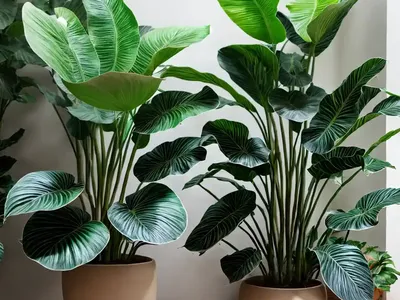
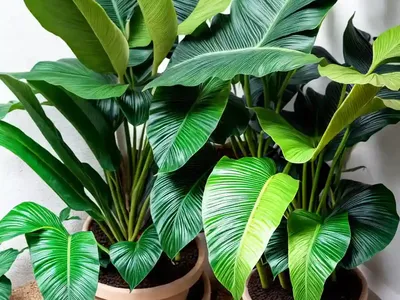
Alocasia Variegata is primarily cultivated for its ornamental appeal, with its striking variegated leaves making it a popular choice for both indoor and outdoor decor. Its elegant foliage adds a touch of sophistication to any space, making it well-suited for landscaping, accentuating garden beds, or adorning interior settings. Whether used as a standalone specimen or incorporated into mixed plant arrangements, Alocasia Variegata brings a unique charm and visual interest to its surroundings.
Water
Proper watering is crucial for the health and vitality of Alocasia Variegata. Maintaining consistent moisture levels without overwatering or allowing the soil to dry out completely is key to its well-being. Let’s explore the watering needs in detail.
-
Watering Needs: Alocasia Variegata thrives with moderately moist soil. It is essential to water the plant when the top inch of the soil feels slightly dry to the touch. However, it’s important to avoid waterlogging the soil, as excessive moisture can lead to root rot and other complications. Inadequate watering or prolonged dry periods can cause stress to the plant, resulting in wilting and leaf damage. Regular monitoring of the soil moisture and adjusting the watering frequency based on environmental conditions is vital for the plant’s overall health.
-
Watering Schedule: While the specific watering frequency can vary based on factors such as ambient humidity, temperature, and soil composition, a general guideline is to water the plant thoroughly whenever the top layer of the soil feels dry to the touch. It’s crucial to allow excess water to drain from the pot to prevent water accumulation at the root level.
-
Watering Technique: When watering Alocasia Variegata, it’s advisable to water the soil directly at the root zone, ensuring that the entire root ball receives adequate moisture. This can be achieved by applying water evenly across the soil surface until it starts to trickle out from the drainage holes at the bottom of the pot.
Sunlight
Alocasia Variegata exhibits a preference for bright, indirect sunlight. While it tolerates partial shade, providing it with ample indirect light is essential for stimulating healthy growth and maintaining the vibrancy of its variegated foliage. Here are the key points to consider regarding sunlight requirements.
-
Light Conditions: Alocasia Variegata thrives in locations with bright, indirect light. Direct sunlight, especially intense midday sun, can scorch its delicate leaves, leading to unsightly sunburn damage. Hence, it’s advisable to position the plant in spaces with filtered or diffused light, such as near east or west-facing windows. Avoid placing it in direct sun, particularly during the peak hours of intense sunlight.
-
Low-Light Tolerance: While Alocasia Variegata appreciates bright, indirect light, it can adapt to lower light conditions, albeit with reduced growth and potential loss of variegation intensity. When grown in low-light environments, such as interiors with minimal natural light, supplementary lighting from fluorescent or LED grow lights can be beneficial in providing the necessary light spectrum for photosynthesis and overall health.
Fertilizer
Appropriate fertilization is pivotal in supporting the robust growth and development of Alocasia Variegata. By supplying essential nutrients through a balanced fertilizer regimen, the plant can maintain its vigor and produce vibrant foliage. Let’s explore the fertilizer requirements for Alocasia Variegata.
-
Fertilizing Frequency: During the active growing season, typically from spring through summer, it’s advisable to fertilize Alocasia Variegata every 2-4 weeks. This regular supplementation of nutrients supports the plant’s metabolic processes and sustains its lush foliage.
-
Fertilizer Type: A balanced, water-soluble fertilizer with a formulation such as 20-20-20 or 10-10-10 is suitable for Alocasia Variegata. These formulations provide the necessary macro and micronutrients, ensuring comprehensive nourishment for the plant.
-
Application Method: When applying fertilizer to Alocasia Variegata, it’s essential to dilute the fertilizer to half or quarter strength to avoid the risk of over-fertilization, which can lead to nutrient imbalances and potential damage to the plant. Applying the diluted fertilizer to the soil, ensuring even distribution, is an effective approach to deliver essential nutrients to the root zone.
-
Fertilizer Ceasing: As the plant enters the dormant or low-growth phases in fall and winter, it’s recommended to reduce or cease fertilization. During this period, the plant’s metabolic activity diminishes, and supplying excess nutrients can lead to salt accumulation in the soil, negatively impacting the plant’s health.
Soil
The soil composition plays a critical role in providing the necessary support and nutrients for the growth of Alocasia Variegata. A well-draining, organically rich potting mix is essential to ensure optimal root health and overall plant vitality. Let’s explore the ideal soil type and considerations for Alocasia Variegata.
-
Soil Type: Alocasia Variegata flourishes in well-draining, peat-based potting mixes that offer excellent aeration and moisture retention. Adding organic components such as perlite, coarse sand, or pine bark fines aids in enhancing the soil structure and drainage capacity. These amendments promote oxygenation of the root zone and prevent waterlogging, mitigating the risk of root rot and other moisture-related issues.
-
Acidic Soil Preferences: Alocasia Variegata demonstrates a preference for slightly acidic soil conditions with a pH range of 5.5-6.5. Monitoring the soil pH and utilizing acidic soil amendments or pH-adjusting solutions can help maintain the optimal growing environment for the plant.
-
Moisture Retention: While well-draining soil is essential, it’s imperative to strike a balance to ensure adequate moisture retention for the plant. The soil should have the capacity to retain moisture without becoming waterlogged. Regularly assessing the soil moisture and adjusting the watering frequency based on the soil’s drying pattern is crucial in maintaining the ideal moisture levels for Alocasia Variegata.
Pruning
Pruning serves as an effective method for maintaining the aesthetic appeal and managing the growth of Alocasia Variegata. By removing spent or damaged foliage and controlling the plant’s size, pruning contributes to the overall health and visual allure of the plant. Here are the key points to consider regarding pruning Alocasia Variegata.
-
Leaf Maintenance: Regularly inspecting the foliage of Alocasia Variegata allows for the timely identification of damaged or yellowing leaves. Pruning these unattractive or compromised leaves not only enhances the plant’s appearance but also redirects its energy towards producing new, healthy foliage.
-
Sterilization: When performing pruning or trimming activities on Alocasia Variegata, it’s essential to use clean, sterilized pruning tools to minimize the risk of transmitting diseases or pathogens to the plant. Disinfecting the tools with a solution of 70% isopropyl alcohol or a similar sterilizing agent before and after each use helps maintain plant hygiene and prevents potential infections.
-
Size Management: If the plant’s size becomes unwieldy or outgrows its intended space, selective pruning can aid in controlling its overall dimensions. Removing excessive growth or dividing crowded rhizomes enables the plant to maintain a harmonious and balanced appearance within its environment.
-
Pruning Frequency: As part of regular plant maintenance, periodic pruning can be carried out as needed, typically targeting damaged or unsightly leaves, as well as managing the plant’s size and shape. By incorporating pruning into the plant care routine, Alocasia Variegata can showcase its striking foliage to its full potential.
Propagation
The propagation of Alocasia Variegata allows enthusiasts to expand their plant collection and share the beauty of this remarkable species with others. Whether through rhizome division, offsets, or seeds, the propagation process offers an exciting opportunity to cultivate new plants. Let’s explore the key methods of propagating Alocasia Variegata.
-
Rhizome Division: Propagation through rhizome division involves separating the plant’s rhizomes, which are underground stems, into distinct sections to create new individual plants. This method is commonly utilized for Alocasia Variegata due to the presence of well-defined rhizomes that facilitate the division process. Each divided section should have healthy rhizomes and viable root systems to support the development of a new plant.
-
Offset Division: Alocasia Variegata may produce offsets, also known as plant pups, adjacent to the parent plant. These offsets can be carefully detached from the main plant and potted separately to initiate their independent growth. Ensuring that the offsets have roots or emerging root nodes enhances their probability of successful establishment.
-
Seeds: While less frequently employed than rhizome or offset division, propagating Alocasia Variegata from seeds offers an alternative means of cultivating new plants. It’s important to note that growing Alocasia Variegata from seeds requires patience and attention to the specific germination conditions to promote successful seedling development.
-
Propagation Environment: Providing a warm, humid environment and maintaining consistent moisture levels are essential for fostering the establishment of propagated Alocasia Variegata. Shielding the newly propagated plants from direct sun and ensuring high ambient humidity supports their acclimatization and initial growth.
Container
Selecting the appropriate container for Alocasia Variegata is instrumental in creating an optimal growing environment for the plant. The container’s size, material, and drainage capacity directly impact the plant’s root health and overall well-being. Let’s explore the considerations for choosing the right container for Alocasia Variegata.
-
Drainage: Alocasia Variegata thrives in containers with adequate drainage, allowing excess water to escape from the soil and prevent waterlogging. Selecting pots with drainage holes at the bottom promotes healthy root aeration and minimizes the risk of root rot caused by water accumulation.
-
Spaciousness: The container should offer sufficient room for the plant’s root system to expand and develop. Choosing a pot that accommodates the plant’s current size while allowing room for future growth supports the long-term health and vigor of Alocasia Variegata.
-
Material: Containers made of materials such as terracotta, ceramic, or plastic are commonly utilized for cultivating Alocasia Variegata. Each material type has distinct attributes in terms of moisture retention, insulation, and weight, and selecting a container that aligns with the plant’s moisture requirements and environmental conditions is beneficial for its growth.
-
Repotting: As Alocasia Variegata grows, periodic repotting may be necessary to provide ample space for its expanding root system. Observing signs of root congestion, such as roots protruding from the drainage holes or restricted growth, indicates the need for repotting into a larger container.
Popularity
Alocasia Variegata has garnered widespread popularity among plant enthusiasts and collectors due to its striking foliage and relatively manageable care requirements. The demand for Alocasia Variegata as a decorative and visually captivating plant has contributed to its prevalence in indoor and outdoor settings. Its alluring variegated leaves and adaptability to various environments have solidified its status as a coveted ornamental plant.
Common Diseases
Alocasia Variegata, like many plants, is susceptible to certain diseases that can impact its overall well-being. Understanding the common diseases and adopting preventive measures is essential for maintaining the plant’s health. Let’s examine the prevalent diseases that may affect Alocasia Variegata.
Disease Diagnosis
-
Leaf Spot Diseases: Alocasia Variegata is vulnerable to leaf spot diseases caused by fungal pathogens such as Cercospora and Xanthomonas. Symptoms include the development of circular or irregular brown spots on the leaves, often accompanied by yellowing or browning of the surrounding tissue. To minimize the risk of leaf spot diseases, it’s advisable to avoid overhead watering that can promote moisture accumulation on the foliage and to maintain proper air circulation around the plant.
-
Root Rot: Overwatering and waterlogged soil conditions can contribute to the onset of root rot in Alocasia Variegata. The presence of discolored, mushy roots and a foul odor emanating from the soil are indicative of root rot. Addressing the underlying cause, such as excessive moisture, and adjusting the plant’s watering regimen are crucial in preventing and managing root rot.
-
Preventive Practices: Adopting preventive measures, including providing adequate air circulation, avoiding water splashing on foliage, and practicing proper watering techniques, can help mitigate the risk of common diseases. Additionally, utilizing well-draining soil and ensuring the plant’s environment is conducive to its growth can enhance its resilience against potential diseases.
Common Pests
In addition to diseases, Alocasia Variegata may encounter pest infestations that can compromise its vitality and appearance. Implementing pest management strategies and proactive monitoring aids in preserving the plant’s health. Let’s explore the common pests that may affect Alocasia Variegata.
-
Spider Mites: These tiny arachnids can infest the foliage of Alocasia Variegata, causing stippling, discoloration, and webbing on the leaves. Spider mites thrive in dry, dusty conditions and can rapidly reproduce, leading to substantial damage if left unaddressed. Introducing measures to increase humidity and employing natural or chemical control methods can help manage spider mite populations.
-
Aphids: Aphids, small sap-sucking insects, can feed on the tender foliage of Alocasia Variegata, causing distortion, yellowing, and stunted growth. Controlling aphid infestations through the introduction of beneficial predators, such as ladybugs, or the application of horticultural oils can aid in mitigating their impact on the plant.
-
Monitoring and Intervention: Regularly inspecting the plant for signs of pest activity and promptly intervening upon detection can limit the extent of damage and prevent pest populations from proliferating. By staying vigilant and proactively addressing pest issues, Alocasia Variegata can be safeguarded from the detrimental effects of common pests.
Botanist’s Tips
We would like to offer some additional insights and tips for nurturing Alocasia Variegata based on my experiences and research.
-
Environmental Consistency: Maintaining consistent environmental conditions, including temperature, humidity, and light exposure, fosters stability and promotes steady growth for Alocasia Variegata. Sudden fluctuations in these factors can place stress on the plant, potentially impacting its overall health.
-
Regular Cleaning: Periodically cleaning the foliage of Alocasia Variegata with a soft, damp cloth not only enhances its aesthetic appeal by removing dust and debris but also aids in preventing pest infestations and minimizing the risk of foliar diseases.
-
Mild Temperature Preferences: Alocasia Variegata thrives in temperatures ranging from 65-80°F (18-27°C). Avoiding prolonged exposure to temperatures below 60°F (15°C) or sudden temperature extremes is beneficial for the plant’s well-being.
-
Toxicity Awareness: As Alocasia Variegata is toxic to pets if ingested, it’s crucial to place it in locations inaccessible to pets and to exercise caution when handling the plant to prevent accidental ingestion.
Fun Facts
To enrich our understanding and appreciation of Alocasia Variegata, here are some interesting and notable facts about this captivating plant.
-
Natural Habitat: Alocasia Variegata is indigenous to subtropical and tropical regions, where it thrives in the dappled shade of forests and alongside water bodies. Its ability to adapt to diverse habitats underscores its resilience as a tropical plant.
-
Leaf Size: The leaves of Alocasia Variegata can span from 1 to 2 feet in width, showcasing its impressive foliar dimensions and contributing to its visual impact.
-
Variegation Patterns: The intricate variegation patterns on the leaves of Alocasia Variegata are truly diverse, with each leaf exhibiting unique juxtapositions of green and creamy white hues, adding to the plant’s ornamental allure.
-
Temperature Tolerance: While Alocasia Variegata thrives in warm and humid conditions, it also exhibits a reasonable degree of temperature tolerance, withstanding moderate fluctuations within its ideal temperature range.
Now that we have delved into the comprehensive care and characteristics of Alocasia Variegata, here are some additional resources and links for further exploration and learning.
Links to External Resources
- [The Spruce: How to Grow and Care for Alocasia