Alocasia Bambino (Alocasia Iowii)
Alocasia Bambino, scientifically known as Alocasia iowii, is a stunning tropical plant that has gained popularity among plant enthusiasts due to its.
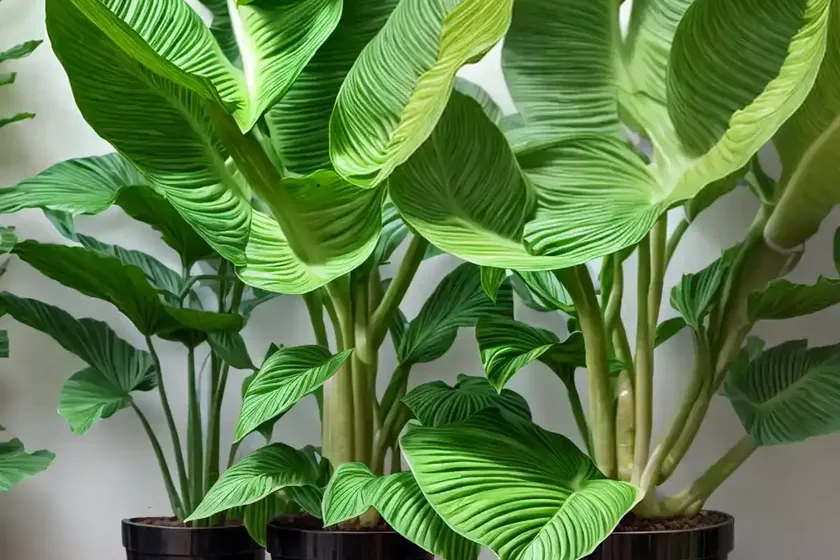
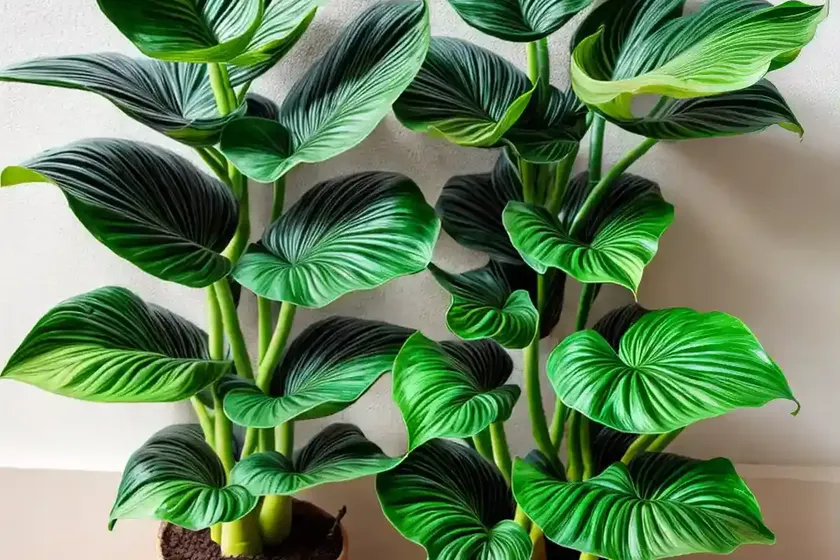
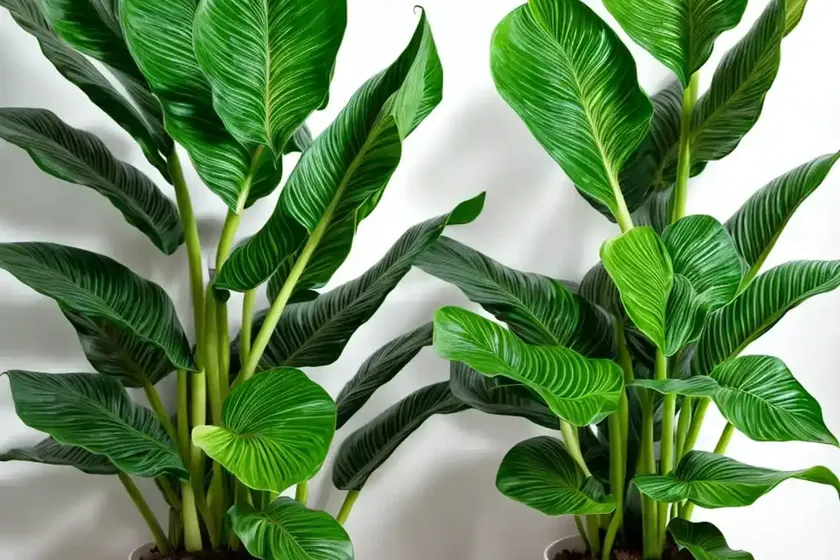
Alocasia Bambino, scientifically known as Alocasia iowii, is a stunning tropical plant that has gained popularity among plant enthusiasts due to its striking foliage and unique characteristics. This article provides an in-depth overview of Alocasia Bambino, including its culture, uses, care requirements, common diseases, pests, and much more.
What is Alocasia Bambino (Alocasia Iowii)?
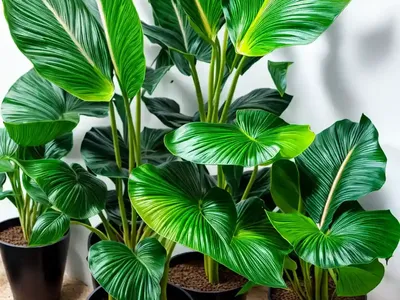
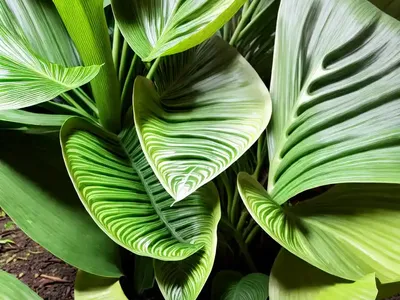
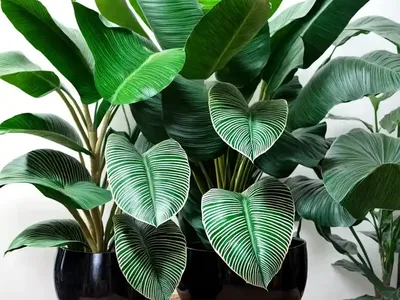
Alocasia Bambino, also known as Alocasia iowii, is a species of flowering plant in the Araceae family. It is native to the tropical rainforests of Southeast Asia, where it thrives in warm and humid conditions. The plant is characterized by its glossy, deep green leaves with prominent veins, making it a visually appealing addition to any indoor or outdoor space.
Alocasia Bambino is a relatively small variety of Alocasia, typically growing up to 2 feet in height, making it suitable for compact spaces such as apartments and offices. Its compact size, coupled with its ornamental foliage, makes it a popular choice for plant enthusiasts looking to add a touch of tropical elegance to their surroundings.
Let’s delve deeper into the various aspects of Alocasia Bambino, including its culture, care requirements, common uses, and much more.
Key Takeaways – Alocasia Bambino (Alocasia Iowii)
Before we explore the specific aspects of Alocasia Bambino in detail, let’s highlight the key takeaways associated with this stunning plant.
- Alocasia Bambino is a compact and visually striking tropical plant with glossy, deep green leaves.
- It requires a warm and humid environment to thrive, mimicking its native habitat in the tropical rainforests of Southeast Asia.
- In terms of care, Alocasia Bambino has specific requirements related to water, sunlight, soil, and fertilizer, which need to be carefully managed to ensure its well-being.
- The plant is popular for its ornamental value, often used as a decorative indoor plant to add a touch of tropical charm to interior spaces.
- Despite its visual appeal, Alocasia Bambino is susceptible to certain diseases and pests, necessitating attentive maintenance and care.
These key takeaways provide a fundamental understanding of what makes Alocasia Bambino a captivating and sought-after plant. Now, let’s delve into the various aspects of Alocasia Bambino in more detail.
Culture
The culture of Alocasia Bambino encompasses the environmental conditions and care practices necessary to support its growth and well-being. From lighting and watering requirements to soil preferences and fertilization, understanding the plant’s culture is essential for cultivating it successfully.
Uses
Alocasia Bambino serves multiple purposes, primarily revolving around its ornamental value and decorative applications. Some common uses of Alocasia Bambino include:
-
Indoor Decoration: Due to its compact size and striking foliage, Alocasia Bambino is often used as an indoor decorative plant, adding a touch of tropical elegance to homes, offices, and commercial spaces.
-
Garden Landscaping: In suitable climates, Alocasia Bambino can be incorporated into garden landscapes to create tropical-themed outdoor settings, adding visual interest and lush greenery.
-
Botanical Gardens and Conservatories: Alocasia Bambino is frequently featured in botanical gardens and conservatories as part of their tropical plant collections, showcasing its exotic allure to visitors.
Water
Proper watering is crucial for the health and vitality of Alocasia Bambino. The plant’s water requirements are influenced by various factors, including environmental conditions, season, and soil moisture levels.
Sunlight
Alocasia Bambino has specific requirements regarding sunlight exposure, as excessive or insufficient light can adversely impact its growth and foliage quality. Understanding its sunlight needs is essential for providing an optimal growing environment.
Fertilizer
Fertilization plays a significant role in supporting the growth and development of Alocasia Bambino. By supplying essential nutrients, fertilizers contribute to the plant’s overall health and vigor.
Soil
The choice of soil is critical for Alocasia Bambino, as it directly influences its root development, moisture retention, and nutrient uptake. Selecting the right type of soil is essential for promoting robust growth and minimizing the risk of issues such as waterlogging or nutrient deficiencies.
Pruning
Pruning is a maintenance practice that can benefit Alocasia Bambino by removing dead or damaged foliage, promoting air circulation, and shaping the plant’s overall appearance. Proper pruning techniques are essential for minimizing stress and maintaining the plant’s aesthetic appeal.
Propagation
Propagation allows plant enthusiasts to expand their collection of Alocasia Bambino by creating new plants from existing ones. Understanding the propagation methods and requirements is essential for successful reproduction of the plant.
Container Popularity
Alocasia Bambino is highly favored as a container plant, owing to its compact size and ornamental foliage. Its popularity as a container plant makes it a versatile decorative choice for various indoor and outdoor settings.
Common Diseases
Despite its visual appeal, Alocasia Bambino is susceptible to certain diseases that can affect its overall health and vitality. Recognizing the symptoms and implementing appropriate control measures is crucial for disease management.
Common Pests
Alocasia Bambino is vulnerable to pests that can compromise its growth and damage its foliage. Identifying common pests and implementing preventive strategies is essential for protecting the plant from infestations.
Botanist’s Tips
As a botanist specializing in tropical plants, here are some expert tips for cultivating and caring for Alocasia Bambino:
-
Provide Adequate Humidity: Alocasia Bambino thrives in high humidity environments, so consider using a humidifier or placing the plant on a pebble tray to create a humid microclimate.
-
Monitor Watering Closely: Avoid overwatering Alocasia Bambino, as it can lead to root rot. Instead, allow the soil to dry out slightly between watering sessions to prevent waterlogged conditions.
-
Provide Indirect Sunlight: While Alocasia Bambino appreciates bright, indirect light, direct sun exposure should be avoided, as it can scorch the plant’s leaves.
-
Regularly Inspect for Pests: Routinely check the foliage for signs of pests such as spider mites or aphids, and address any infestations promptly to prevent damage.
-
Be Mindful of Temperature: Alocasia Bambino prefers warm temperatures and is sensitive to cold drafts, so maintain a consistently warm environment, especially during the colder months.
These tips offer valuable insights for nurturing Alocasia Bambino and ensuring its long-term health and vitality.
Fun Facts
-
Alocasia Bambino belongs to the Araceae family, which also includes other popular ornamental plants like Anthurium and Philodendron.
-
The species name “iowii” pays homage to the renowned horticulturist and plant collector A.K. Iwanyckyj, who has contributed significantly to the study and cultivation of tropical plants.
-
Alocasia Bambino is sometimes referred to as “African Mask” due to the distinct shape and patterns of its leaves, which bear a resemblance to traditional African masks.
-
In its native habitats, Alocasia Bambino plays a vital ecological role in the tropical rainforests, contributing to the biodiversity and richness of these lush ecosystems.
Now that we have explored the various facets of Alocasia Bambino, let’s take a closer look at some essential aspects of caring for this exquisite plant, including its specific requirements for water, sunlight, soil, and much more.
Alocasia Bambino Care
The care requirements for Alocasia Bambino play a pivotal role in ensuring the plant’s optimal growth and overall well-being. From watering and light exposure to soil preferences and fertilization, understanding the key elements of Alocasia Bambino care is essential for nurturing this stunning tropical plant.
Watering
Proper watering is crucial for maintaining the health and vigor of Alocasia Bambino. The plant has specific requirements related to soil moisture and watering frequency that need to be adhered to for optimal growth.
Sunlight Exposure
Alocasia Bambino has distinct preferences when it comes to sunlight exposure. Understanding its light requirements is essential for providing an ideal growing environment and preventing issues related to light stress or inadequate light availability.
Soil Drainage
The soil drainage capabilities directly impact the plant’s root health and growth. Good soil drainage is essential for preventing waterlogging and creating a suitable root environment for Alocasia Bambino.
Fertilizing
Fertilization is essential for providing Alocasia Bambino with the necessary nutrients for robust growth and development. Selecting suitable fertilizers and implementing a fertilizing schedule is crucial for supporting the plant’s nutritional needs.
Humidity
Alocasia Bambino thrives in high humidity environments, mimicking its native tropical habitat. Managing humidity levels is essential for preventing issues such as leaf drooping and promoting healthy foliage.
Common Names
Alocasia Bambino is known by several common names, including African Mask Plant, Alocasia Elephant Ear, and Alocasia Dwarf.
Toxicity to Pets
It’s important to note that Alocasia Bambino is toxic to pets if ingested, so caution should be exercised when cultivating the plant in households with pets.
Air Purification
Alocasia Bambino contributes to air purification by filtering out toxins and airborne pollutants, thereby improving indoor air quality.
Growth Rate
Alocasia Bambino exhibits a moderate growth rate under optimal conditions, gradually developing new foliage and expanding its overall size.
Temperature Sensitivity
The plant is sensitive to temperature fluctuations, particularly cold drafts, and thrives in warm and stable temperature environments.
Winter Care
During the winter months, it’s essential to provide adequate protection and maintain suitable growing conditions to support Alocasia Bambino’s well-being.
Potting and Container Selection
Selecting an appropriate pot or container is crucial for Alocasia Bambino, as it influences factors such as root development, moisture retention, and overall plant stability.
Now that we have established a comprehensive understanding of Alocasia Bambino’s care requirements, let’s delve into the characteristics and unique attributes of this captivating plant.
Alocasia Iowii Characteristics
Alocasia Bambino, also known as Alocasia iowii, possesses a distinctive set of characteristics that contribute to its visual appeal and unique charm. Understanding these characteristics provides valuable insights into the plant’s growth habits, foliage patterns, and overall behavior.
Leaf Patterns
The foliage of Alocasia Bambino features attractive and intricate leaf patterns, characterized by deep green coloration, prominent veins, and distinct patterns that add to its ornamental value.
Leaf Propagation
Alocasia Bambino can be propagated through leaf cuttings, allowing for the creation of new plants from existing foliage. Leaf propagation is a rewarding and effective method for expanding the plant collection.
Leaf Yellowing
Leaf yellowing can occur due to various factors, including overwatering, inadequate light, or nutrient deficiencies. Monitoring leaf coloration is essential for identifying and addressing potential issues.
Leaf Curling
Leaf curling in Alocasia Bambino can be indicative of environmental stress, pests, or water-related issues. Recognizing the causes of leaf curling is essential for implementing targeted solutions.
Leaf Drooping
Leaf drooping may occur in response to factors such as water stress, temperature fluctuations, or insufficient humidity. Understanding the causes of leaf drooping is crucial for addressing the underlying issues.
Plant Size
Alocasia Bambino typically reaches a moderate size, growing up to approximately 2 feet in height, making it suitable for compact indoor spaces or container cultivation.
Growth Stages
The growth stages of Alocasia Bambino encompass the development of new leaves, expansion of the root system, and overall maturation of the plant. Understanding its growth stages provides insights into its long-term care requirements.
Now that we have explored the specific characteristics and care requirements of Alocasia Bambino, let’s delve into some common questions and topics related to this captivating plant.
Alocasia Bambino: Frequently Asked Questions
As a popular tropical plant, Alocasia Bambino often raises questions and inquiries from plant enthusiasts seeking to cultivate and care for it effectively. Let’s address some common questions and topics associated with Alocasia Bambino.
How to Grow Alocasia Bambino
Cultivating Alocasia Bambino involves providing it with suitable growing conditions, including appropriate lighting, watering, soil, and fertilization. Understanding the essential elements of Alocasia Bambino care is crucial for successful growth.
Alocasia Bambino Varieties
While Alocasia Bambino is a specific variety of Alocasia, it has close relatives and variants within the Alocasia genus, each with unique foliage patterns and growth habits.
Alocasia Bambino Propagation
Alocasia Bambino can be propagated through methods such as division, rhizome cuttings, or leaf cuttings, allowing for the creation of new plants from existing specimens.
Alocasia Bambino Indoor Plant
The compact size and ornamental nature of Alocasia Bambino make it a popular choice for indoor cultivation, adding a touch of tropical elegance to interior spaces.
Alocasia Bambino Soil Requirements
The soil requirements for Alocasia Bambino encompass factors such as good drainage, moisture retention, and aeration, which are essential for supporting its root health and growth.
Alocasia Bambino Watering
Proper watering practices, including monitoring soil moisture, allowing for slight drying between waterings, and avoiding waterlogging, are essential for Alocasia Bambino’s well-being.
Alocasia Bambino Light Requirements
Alocasia Bambino thrives in bright, indirect light, making it well-suited for locations with ample natural illumination but without direct sun exposure.
Alocasia Bambino Temperature
Providing consistent and warm temperatures is essential for nurturing Alocasia Bambino, especially during colder periods or when exposed to drafts.
Alocasia Bambino Humidity
Maintaining high humidity levels is crucial for Alocasia Bambino, and employing methods such as misting or using a humidity tray can promote an ideal growing environment.
Alocasia Bambino Pests
Common pests that can affect Alocasia Bambino include spider mites, aphids, and mealybugs, necessitating vigilant monitoring and preventive measures.
Alocasia Bambino Diseases
Diseases such as root rot and leaf spot can impact Alocasia Bambino, and prompt diagnosis and treatment are essential for preserving the plant’s health.
Alocasia Bambino Pruning
Pruning helps maintain the aesthetic appeal of Alocasia Bambino by removing dead or damaged foliage and promoting compact growth.
Alocasia Bambino Fertilizing
Selecting suitable fertilizers and implementing a fertilizing schedule is essential for providing Alocasia Bambino with essential nutrients for robust growth.
Alocasia Bambino Toxic to Pets
As mentioned earlier, Alocasia Bambino is toxic to pets if ingested and should be kept out of reach of pets or in pet-free environments.
Alocasia Bambino Air Purification
Alocasia Bambino contributes to air purification by filtering out toxins and impurities, enhancing indoor air quality.
Alocasia Bambino Decorative Plant
The ornamental foliage of Alocasia Bambino makes it a popular choice for decorative purposes, adding a touch of tropical charm to interior and exterior spaces.
Alocasia Bambino Natural Habitat
Alocasia Bambino is native to the tropical rainforests of Southeast Asia, where it thrives in warm, humid, and shaded environments.
Alocasia Bambino Potting and Container Selection
Selecting a suitable pot and ensuring proper drainage are essential for supporting Alocasia Bambino’s root health and overall growth.
Alocasia Bambino Watering Schedule
Establishing a consistent watering schedule and monitoring soil moisture levels is essential for providing Alocasia Bambino with the proper hydration it needs.
Alocasia Bambino Recommended Potting Mix
Choosing a well-draining potting mix with good aeration and moisture retention properties is crucial for promoting healthy root development in Alocasia Bambino.
Alocasia Bambino Companion Plants
Selecting suitable companion plants that share similar environmental preferences can complement Alocasia Bambino and create visually appealing arrangements.
Alocasia Bambino Growth Stages
Understanding the growth stages of Alocasia Bambino provides valuable insights into its overall development and long-term care requirements.
Alocasia Bambino Root Rot Prevention
Preventing root rot in Alocasia Bambino involves implementing proper watering practices, maintaining good soil drainage, and avoiding waterlogged conditions.
Alocasia Bambino Leaf Propagation
Leaf propagation is a rewarding method of reproducing Alocasia Bambino, allowing for the creation of new plants from existing leaves.
With these frequently asked questions addressed, readers can gain a greater understanding of the specific aspects of caring for Alocasia Bambino.
Alocasia Bambino vs. Alocasia Polly
Alocasia Bambino and Alocasia Polly are two popular varieties within the Alocasia genus, each possessing distinct characteristics and visual appeal. Let’s explore the key differences between Alocasia Bambino and Alocasia Polly.
Alocasia Bambino
- Size: Alocasia Bambino is a relatively compact variety, typically growing up to 2 feet in height, making it well-suited for indoor cultivation and limited spaces.
- Foliage: The foliage of Alocasia Bambino features prominent veins, deep green coloration, and striking patterns, adding to its ornamental value.
- Growth Habits: Alocasia Bambino exhibits a moderate growth rate under optimal conditions, gradually developing new leaves and expanding its overall size.
Alocasia Polly
- Size: Alocasia Polly, also known as Alocasia Amazonica, can reach larger dimensions compared to Alocasia Bambino, often growing up to 3 feet or more in height.
- Foliage: Alocasia Polly is characterized by its distinct, arrow-shaped leaves with deep green coloration and contrasting white veins or markings.
- Growth Habits: Alocasia Polly exhibits a relatively vigorous growth rate, producing new leaves and expanding its overall size at a faster pace than Alocasia Bambino.
While both Alocasia Bambino and Alocasia Polly belong to the Alocasia genus and share similarities, they also possess unique traits that distinguish them from one another, appealing to different preferences and growing environments.
Popularity
Alocasia Bambino has gained notable popularity among plant enthusiasts, interior decorators, and botanical enthusiasts, thanks to its captivating foliage and suitability for indoor cultivation. The plant’s aesthetic appeal, compact size, and tropical charm have contributed to its rising popularity as a sought-after ornamental plant.
Common Diseases
Alocasia Bambino is susceptible to several common diseases that can impact its overall health and vitality. Understanding these diseases and their associated symptoms is vital for prompt diagnosis and effective management.
Disease Diagnosis
Di