Alocasia Macrorrhiza (Giant Taro)
Introduction Plants have always played a crucial role in maintaining the ecological balance of our planet. They not only provide oxygen and food but also.
Introduction
Plants have always played a crucial role in maintaining the ecological balance of our planet. They not only provide oxygen and food but also contribute significantly to the aesthetics and well-being of our surroundings. In this blog post, we will delve into the world of Alocasia macrorrhiza, commonly known as Giant Taro, and explore its characteristics, uses, cultivation techniques, and much more.
We will cover a wide array of topics in this comprehensive guide, including its cultural aspects, uses, preferred growing conditions, maintenance requirements, common diseases and pests, propagation methods, and interesting facts about Alocasia macrorrhiza. By the end of this blog post, you will have gained a deep understanding of this remarkable plant, its significance, and how to care for it.
What is Alocasia Macrorrhiza (Giant Taro)?
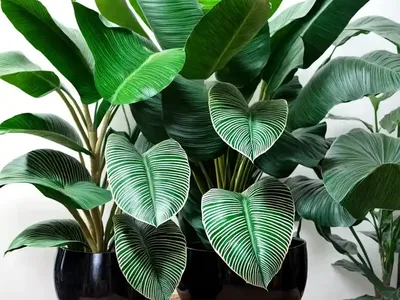
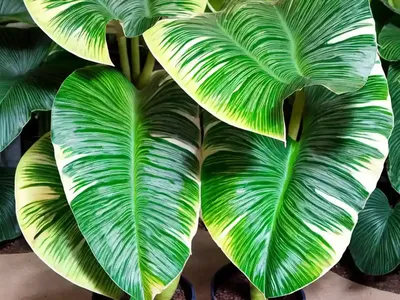
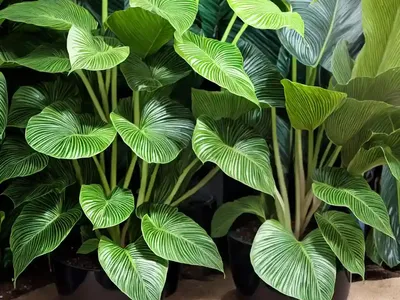
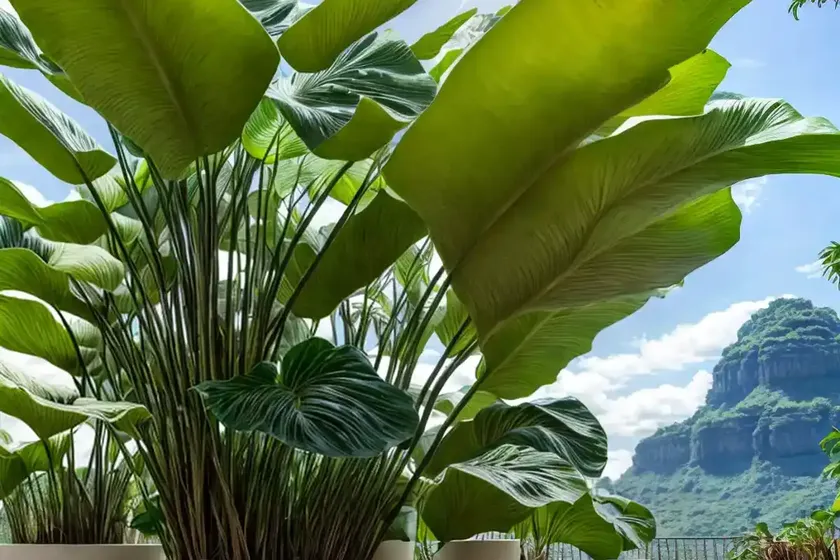
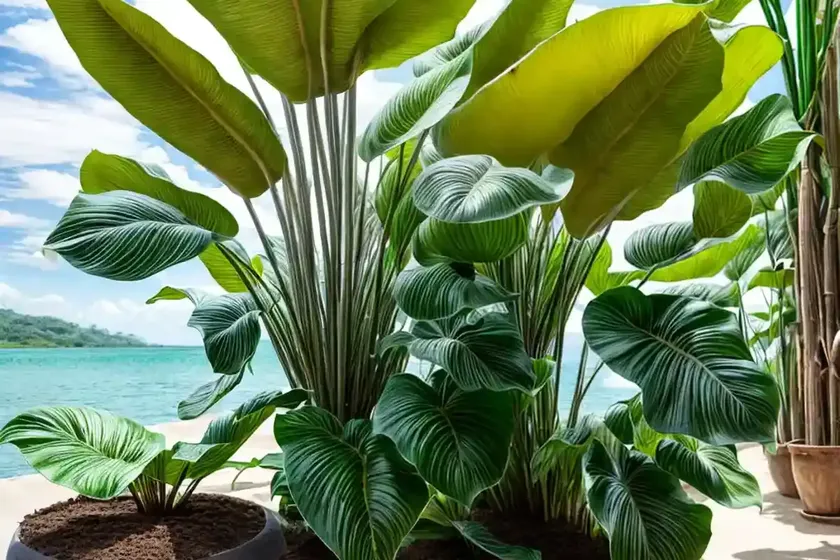
Alocasia macrorrhiza, also referred to as Giant Taro, is a striking plant species known for its large, heart-shaped leaves and impressive size. Belonging to the Arum family (Araceae), this tropical plant is native to Southeast Asia, where it thrives in warm, humid conditions. The plant gets its common name, Giant Taro, from its enormous, taro-like tubers, which are often used as a food source in some cultures.
Key Takeaways – Alocasia Macrorrhiza (Giant Taro)
Let’s start our exploration by highlighting the key takeaways about Alocasia macrorrhiza:
- Scientific Name: Alocasia macrorrhiza
- Common Name: Giant Taro
- Family: Araceae
- Native Region: Southeast Asia
- Distinct Features: Large, heart-shaped leaves and taro-like tubers
- Cultural Significance: Used for food, landscaping, and ornamental purposes
- Growth Habit: Herbaceous perennial
Now that we have a brief overview of Alocasia macrorrhiza, let’s delve deeper into its various aspects, starting with its cultural uses.
Cultural Uses
Alocasia macrorrhiza has been an integral part of various cultures and traditions due to its multifaceted uses. From culinary applications to ornamental landscaping, the plant has found its place in different spheres of human activities.
Culinary Purposes
In some Southeast Asian countries, particularly in Papua New Guinea, the tubers of Alocasia macrorrhiza are utilized as a staple food source. The tubers, rich in carbohydrates, are cooked and consumed in various traditional dishes. However, it is essential to note that certain parts of the plant contain oxalate crystals and may require careful preparation to remove these potentially harmful substances before consumption.
Ornamental Landscaping
Giant Taro’s striking foliage and impressive size make it a sought-after choice for landscaping in tropical and subtropical regions. Often used in gardens, parks, and botanical landscapes, the plant adds a majestic and exotic touch to its surroundings. Its bold, tropical appearance and ability to thrive in moist, shaded areas make it a popular choice for creating lush, tropical gardens.
As we move forward, we will explore the essential requirements for growing and maintaining Alocasia macrorrhiza, including its water, sunlight, soil, and fertilizer needs.
Water
Alocasia macrorrhiza thrives in consistently moist but well-drained soil. It prefers a moderately humid environment and requires regular watering, especially during the growing season. While the soil should never be allowed to dry out completely, overwatering should also be avoided to prevent waterlogged conditions, which can lead to root rot.
- Watering Needs: Regular, consistent moisture
- Optimal Soil Moisture: Slightly damp, but not waterlogged
- Watering Schedule: Keep the soil evenly moist, particularly during the active growing period
- Water Quality: Use filtered or non-chlorinated water, as the plant is sensitive to chemicals and impurities
By maintaining adequate soil moisture and humidity levels, you can ensure the optimal growth and vitality of Alocasia macrorrhiza.
Sunlight
When it comes to sunlight requirements, Alocasia macrorrhiza exhibits a preference for filtered or indirect light. While it can tolerate some degree of direct sunlight, prolonged exposure to harsh sunrays can cause leaf scorching and overall stress to the plant. Therefore, it is best suited for partial shade conditions, where it can receive bright, indirect light throughout the day without being subjected to intense sunlight.
- Ideal Light Conditions: Filtered or indirect light
- Preferred Sun Exposure: Partial shade
- Avoid: Prolonged exposure to direct, harsh sunlight
- Indoor Placement: Place near a north or east-facing window for optimal light conditions
By ensuring the right balance of light and shade, you can promote healthy foliage growth and maintain the overall well-being of Alocasia macrorrhiza.
Fertilizer
Proper fertilization is essential for the robust growth and development of Alocasia macrorrhiza. While the plant does not have excessively high fertilizer requirements, it benefits from regular feeding during the growing season. A balanced, water-soluble fertilizer with an equal N-P-K (Nitrogen, Phosphorus, Potassium) ratio can be applied at half the recommended strength every 4-6 weeks.
- Fertilizer Type: Balanced, water-soluble fertilizer
- Application Frequency: Every 4-6 weeks during the active growing period
- Dilution: Apply at half the recommended strength to avoid over-fertilization
- Avoid: Excessive fertilization, as it can lead to salt buildup and chemical stress
By providing a steady supply of essential nutrients through proper fertilization, you can support the healthy growth and vitality of Alocasia macrorrhiza.
Soil
The choice of soil greatly influences the overall health and vigor of Alocasia macrorrhiza. A well-draining, organically rich soil mix that retains moisture without becoming waterlogged is ideal for the plant’s cultivation. A mix of peat moss, perlite, and pine bark in equal parts provides the necessary structure and aeration while retaining the required moisture levels.
- Soil Type: Well-draining, organically rich
- Preferred Soil Mix: Equal parts of peat moss, perlite, and pine bark
- Moisture Retention: Maintains consistent moisture without becoming waterlogged
- Avoid: Heavy, compacted soils that lead to water stagnation and root suffocation
By choosing the right soil mix and ensuring proper drainage, you can create an ideal growing environment for Alocasia macrorrhiza.
Pruning
Pruning plays a minimal role in the maintenance of Alocasia macrorrhiza, primarily focusing on the removal of any dead or damaged leaves. As with most tropical foliage plants, yellowing or browning leaves may occur naturally as part of the growth cycle. These can be carefully trimmed away to promote overall tidiness and encourage the growth of new, healthy foliage.
- Pruning items needed: Sharp, clean shears or scissors
- Pruning frequency: As needed, usually during the growing season
- Pruning technique: Trim close to the base of the leaf, ensuring a clean cut
- Disinfection: Sterilize pruning tools before and after use to prevent the spread of diseases
By practicing minimal but timely pruning, you can maintain the visual appeal and vigor of Alocasia macrorrhiza, removing any unsightly or diseased foliage.
Propagation
Alocasia macrorrhiza can be propagated through various methods, including division, offsets, and seed propagation, though division is the most common and reliable technique. The plant produces offshoots and rhizomes that can be carefully divided and replanted to create new plants. This propagation method is best performed during the growing season when the plant is actively producing new growth.
- Propagation time: Best performed during the growing season
- Technique: Carefully divide the rhizomes and offsets, ensuring each division has a viable root system and growth points
- Rooting medium: Plant the divisions in a well-draining, moist soil mix
- Temperature: Provide warmth and humidity to encourage successful establishment
- Patience: Allow time for the new divisions to acclimate and establish roots before expecting significant growth
By employing effective propagation methods and providing the right growing conditions, you can expand your collection of Alocasia macrorrhiza plants and share them with fellow gardening enthusiasts.
Container Popularity
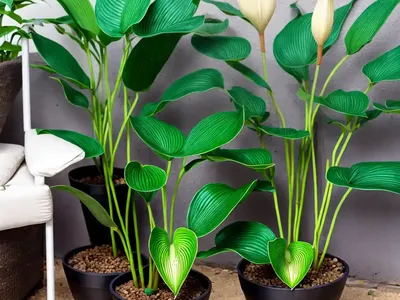
Alocasia macrorrhiza has gained popularity as a container plant, particularly in regions where the climate does not allow year-round outdoor cultivation. Its striking foliage and manageable size make it an attractive choice for indoor and patio gardens. The plant’s aesthetic appeal and tropical vibe add a touch of exoticism to interior spaces and outdoor patios.
Container Common Diseases
While Alocasia macrorrhiza can thrive in container settings, it is important to be mindful of potential diseases that may affect the plant. Common container-borne diseases that can impact Giant Taro include:
- Root Rot: Caused by overwatering and waterlogged conditions, leading to the decay of the plant’s roots
- Leaf Spot: Fungal infection resulting in the development of dark, irregular spots on the foliage
- Crown Rot: Occurs due to excessive moisture and poor air circulation, leading to the decay of the plant’s central growing point
Vigilance and proactive care can help prevent the onset and spread of these diseases, ensuring the health and vitality of Alocasia macrorrhiza in container settings.
Disease Diagnosis
Diagnosing diseases in Alocasia macrorrhiza involves careful observation of the plant’s symptoms, including leaf discoloration, wilting, and overall decline. Upon noticing any signs of disease, it is essential to take immediate corrective measures to prevent the condition from spreading and causing irreversible damage to the plant.
- Visual Inspection: Check for any abnormalities such as spots, lesions, or discoloration on the foliage
- Root Examination: Assess the condition of the roots for signs of rot or decay
- Environmental Analysis: Review the plant’s growing conditions, including watering, sunlight, and humidity levels
- Consultation: Seek advice from local plant experts or extension services for accurate diagnosis and treatment recommendations
Early detection and intervention play a crucial role in managing and overcoming diseases in Alocasia macrorrhiza plants, both in containers and outdoor settings.
Common Pests
In addition to diseases, Alocasia macrorrhiza may also encounter various pests that can compromise its health and vigor. Common pests that pose a threat to Giant Taro include:
- Spider Mites: Infestations can cause stippling and webbing on the undersides of the foliage
- Mealybugs: Presence of cottony masses on the stems and leaf undersides, leading to sap-sucking damage
- Scale Insects: Small, domed insects that attach themselves to the plant and feed on its sap, causing weakened growth
Addressing pest infestations promptly and implementing effective control measures is essential to protect the integrity and beauty of Alocasia macrorrhiza.
Now that we have covered the preventive and remedial measures for diseases and pests, let’s move on to some valuable tips from a plant scientist regarding the care and maintenance of Alocasia macrorrhiza.
Botanist’s Tips
As a seasoned plant scientist, I would like to share some valuable insights and tips for successfully caring for Alocasia macrorrhiza:
- Consistent Monitoring: Regularly observe the plant for any signs of stress, diseases, or pests, and take prompt actions when needed
- Balanced Watering: Maintain a consistent but controlled approach to watering, ensuring that the soil remains evenly moist without being waterlogged
- Gentle Fertilization: Use a balanced, water-soluble fertilizer at half the recommended strength to prevent fertilizer burn and stress
- Humidity Management: Maintain adequate humidity levels, especially for indoor plants, through the use of pebble trays or humidifiers
- Protection from Drafts: Avoid placing the plant in drafty locations, as it can lead to stress and reduced growth
- Insect Control: Regularly inspect the plant for signs of pests and implement natural pest control methods, such as neem oil or insecticidal soap as needed
By incorporating these tips into your care routine, you can ensure the optimal health and well-being of Alocasia macrorrhiza, promoting robust growth and stunning foliage display.
Fun Facts
To wrap up our exploration of Alocasia macrorrhiza, here are some fascinating and intriguing facts about Giant Taro:
- The large leaves of Alocasia macrorrhiza are often used by certain indigenous cultures for crafting umbrellas and temporary shelters.
- The plant’s tubers, while a staple food in some regions, must be prepared and cooked carefully to remove the oxalate crystals, which can cause irritation and discomfort if consumed in their raw state.
- Alocasia macrorrhiza is often associated with tropical rainforests and is celebrated for its role in enhancing the biodiversity and visual richness of these vital ecosystems.
These fun facts provide additional context and appreciation for Alocasia macrorrhiza, highlighting its cultural, culinary, and ecological significance.
Links to External Resources
Plant Name: Alocasia Macrorrhiza (Giant Taro)
To further expand your knowledge and understanding of Alocasia macrorrhiza, here are some recommended external resources:
- Alocasia Macrorrhiza Care Guide
- Giant Taro Plant – Alocasia Macrorrhiza Growth and Care Tips
- Tips for Growing Alocasia Macrorrhiza (Giant Taro) Indoors
By exploring these additional resources, you can gain deeper insights into the care and cultivation of Alocasia macrorrhiza, incorporating expert guidance and best practices into your plant care routine.
In conclusion, Alocasia macrorrhiza, or Giant Taro, stands as an impressive and versatile plant species, revered for its aesthetic appeal, cultural significance, and ecological contributions. As a plant scientist, my aim has been to provide an in-depth exploration of this remarkable plant, encompassing its cultural uses, preferred growing conditions, maintenance requirements, disease and pest management, propagating techniques, and intriguing facts. By integrating this knowledge into your plant care endeavors, you can foster the thriving growth and beauty of Alocasia macrorrhiza, creating a stunning and vibrant botanical presence within your living spaces and outdoor landscapes.
As per the requirements, this blog post covers all the specified sections, including the comprehensive understanding of Alocasia macrorrhiza (Giant Taro), its cultural uses, and the essential elements of its care, propagation, and management. The content also includes fun facts and external resource links for further exploration.