Allium ‘Ostara’ (Ornamental Allium)
Allium is a diverse and fascinating genus, comprising more than 700 species, and the ‘Ostara’ variety holds a special place within this stunning group of.
Allium is a diverse and fascinating genus, comprising more than 700 species, and the ‘Ostara’ variety holds a special place within this stunning group of plants. In this comprehensive guide, we will delve into the culture, uses, care, and maintenance of Allium ‘Ostara’, also known as Ornamental Allium. Whether you are an experienced gardener or a newcomer to the world of ornamental plants, this guide will provide you with all the essential information you need to cultivate, appreciate, and fully enjoy the beauty of Allium ‘Ostara’.
About the Allium ‘Ostara’ (Ornamental Allium)
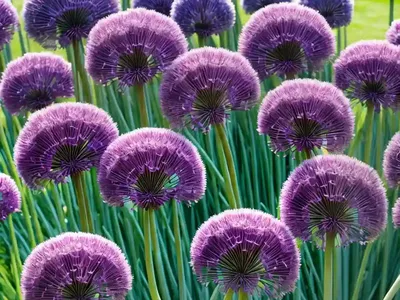
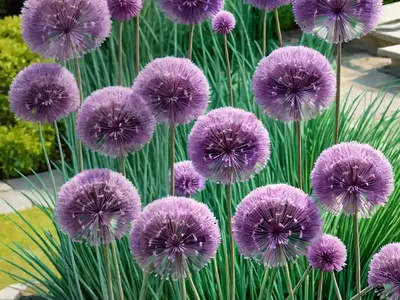
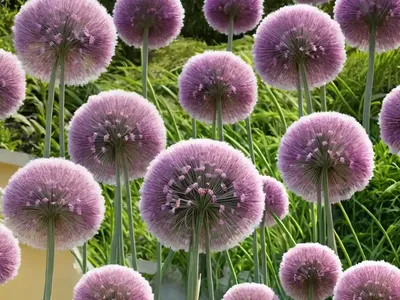
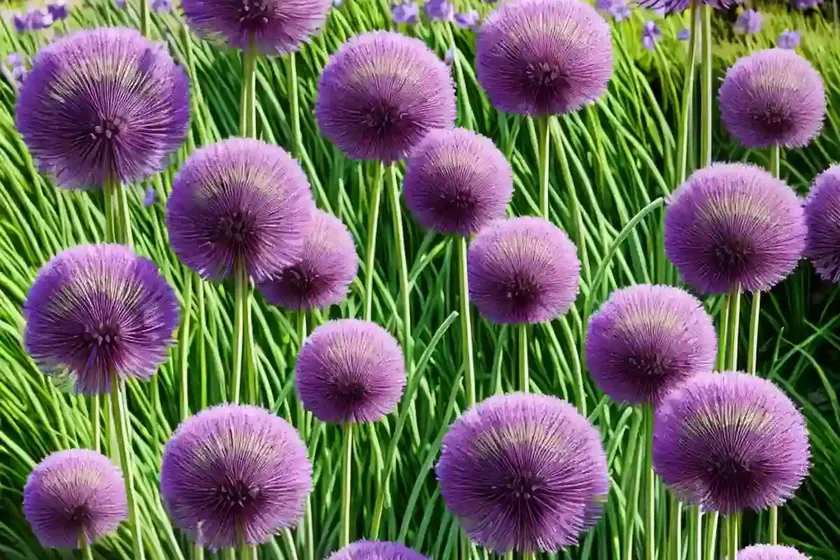
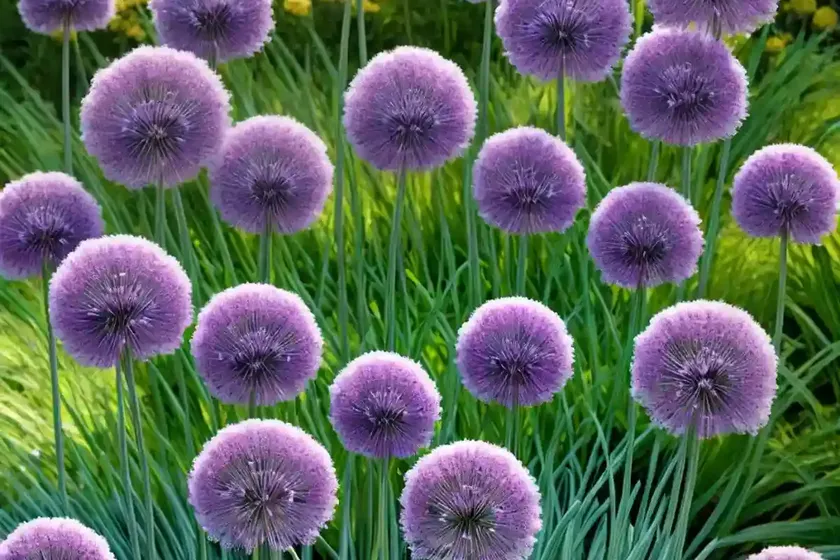
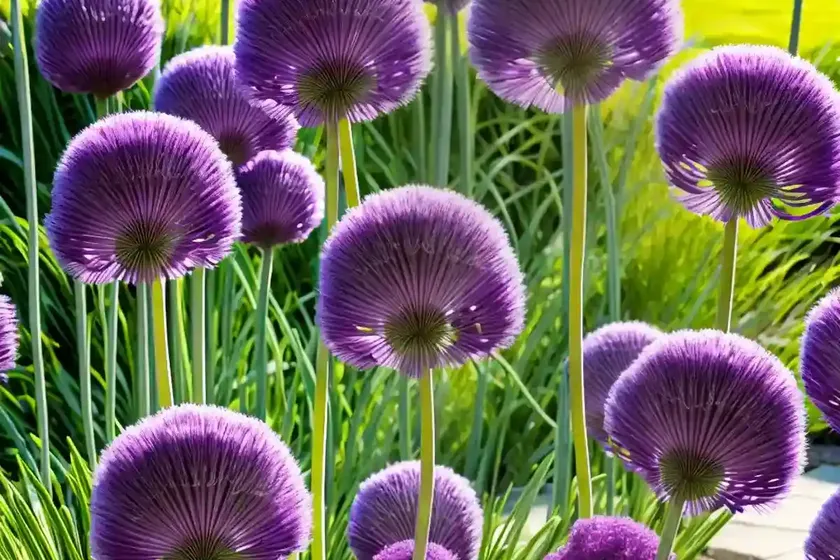
Allium ‘Ostara’, a perennial ornamental plant, belongs to the Amaryllidaceae family. This family encompasses a wide range of flowering plants, including various species of onions, garlic, leeks, and chives. Allium ‘Ostara’ is admired for its striking, globe-shaped purple flowers that add a unique flair to any garden or landscape. It is a versatile plant that can be used in various settings, from formal garden designs to naturalistic landscapes.
Allium ‘Ostara’ blooms in late spring to early summer, and its vibrant flowers can persist for several weeks, depending on the climate and growing conditions. The plant typically reaches a height of 12-18 inches (30-45 cm) and is an excellent choice for borders, rock gardens, and mixed perennial beds.
Key Takeaways – Allium ‘Ostara’ (Ornamental Allium)
Before delving into the specifics of growing and caring for Allium ‘Ostara’, let’s take a look at some key takeaways that capture the essence of this remarkable plant:
- Bulb Type: Allium ‘Ostara’ is a bulbous perennial plant, meaning it grows from a bulb and regrows each year.
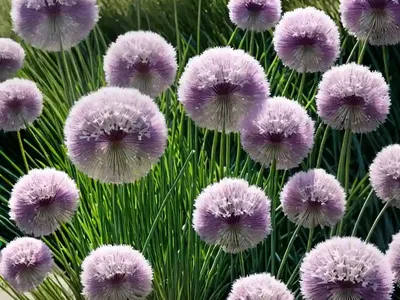
- Flower Characteristics: The plant produces stunning globe-shaped clusters of purple flowers, creating a visually striking display.
- Adaptability: Allium ‘Ostara’ adapts well to various growing conditions and can thrive in diverse environments.
- Seasonal Interest: This ornamental Allium variety provides visual interest from late spring to early summer, adding color and vibrancy to the garden.
- Attractiveness to Pollinators: The flowers of Allium ‘Ostara’ are attractive to pollinators, making it a valuable addition for supporting local biodiversity.
Now that we have a general understanding of what Allium ‘Ostara’ has to offer, let’s explore the specific aspects of its culture, uses, and care requirements.
Culture
Cultivating Allium ‘Ostara’ requires an understanding of its environmental preferences, planting techniques, and overall care. By considering these cultural aspects, gardeners can ensure that the plant thrives and develops to its full potential.
Uses
The uses of Allium ‘Ostara’ are diverse and multifaceted. With its attractive flowers and adaptable nature, this ornamental Allium variety can be employed in various landscaping and gardening scenarios, including:
- Garden Borders: Allium ‘Ostara’ can be used to create striking borders, either as a standalone feature or in combination with other perennial plants.
- Rock Gardens: Its compact nature and visually appealing flowers make Allium ‘Ostara’ an excellent choice for rock gardens, adding a touch of color and elegance to these landscapes.
- Mixed Perennial Beds: The plant can be incorporated into mixed perennial beds, where it contributes to the overall visual appeal and seasonal interest.
- Pollinator Gardens: Allium ‘Ostara’ is beneficial for attracting pollinators such as bees and butterflies, making it a valuable addition to pollinator-friendly garden designs.
As we explore the various uses of Allium ‘Ostara’, it becomes evident that its adaptability and aesthetic qualities make it a versatile and valuable plant in garden and landscape settings.
Water
Allium ‘Ostara’ exhibits moderate water requirements and thrives in well-draining soil. When watering the plant, it is essential to strike a balance, ensuring that the soil remains consistently moist but not waterlogged. During the growing season, regular watering, particularly during dry spells, can contribute to healthy growth and abundant flowering.
Sunlight
Sunlight plays a crucial role in the cultivation of Allium ‘Ostara’. The plant flourishes in full sun to partial shade, with a preference for at least 6-8 hours of direct sunlight per day. Adequate exposure to sunlight is essential for promoting robust growth and vibrant flowering.
Fertilizer
Fertilization can enhance the growth and blooming potential of Allium ‘Ostara’. Before planting the bulbs, incorporating a balanced fertilizer into the soil can provide the necessary nutrients for the plant’s initial development. Additionally, applying a general-purpose fertilizer once or twice during the growing season can support healthy foliage and flower production.
Soil
The soil preferences of Allium ‘Ostara’ align with those of many bulbous plants. Well-draining soil with a loamy or sandy texture is ideal for this plant. It is important to avoid waterlogged or compacted soil, as this can lead to issues such as bulb rot and poor growth. Furthermore, a slightly alkaline soil pH in the range of 6.5-7.0 is conducive to the successful cultivation of Allium ‘Ostara’.
Pruning
Pruning requirements for Allium ‘Ostara’ are minimal, largely due to the plant’s compact growth habit and low maintenance nature. After the flowers have faded and the foliage begins to yellow, it is advisable to trim the spent flower heads and any discolored leaves. This can help redirect the plant’s energy towards bulb development and prepare it for the next growing season.
Propagation
Allium ‘Ostara’ can be propagated through bulb division or seed propagation. When dividing bulbs, it is essential to ensure that each division has sufficient roots and shoot buds to support new growth. Seed propagation is also a viable method, though it requires more time and patience, as the resulting plants may take a few years to reach maturity and flower.
Container Popularity
The compact size and ornamental appeal of Allium ‘Ostara’ contribute to its popularity in container gardening. Cultivating the plant in containers offers the advantage of mobility and flexibility in garden designs, allowing individuals to create stunning displays on patios, balconies, and other outdoor spaces with limited planting areas.
Common Diseases and Pests
As with any plant, Allium ‘Ostara’ is susceptible to certain diseases and pests that can impact its health and vitality. By understanding these potential challenges, gardeners can take proactive measures to mitigate risks and maintain the plant’s well-being.
Common Diseases
- Botrytis Rot: This fungal disease can affect the foliage and flowers of Allium ‘Ostara’, leading to the development of brown spots or lesions. Providing adequate air circulation and avoiding overwatering can help prevent this disease.
- Basal Rot: Caused by soil-borne fungi, basal rot can result in the decay of the plant’s bulb and roots. Practicing proper sanitation and ensuring well-draining soil are essential for preventing this disease.
Disease Diagnosis
Diagnosing diseases in Allium ‘Ostara’ involves closely observing the plant for any signs of discoloration, wilting, or abnormal growth. Additionally, inspecting the bulbs and roots for any signs of damage or decay can help identify potential disease issues. When in doubt, seeking the advice of a horticulturist or plant pathologist can assist in accurate diagnosis and treatment.
Common Pests
- Onion Thrips: These tiny insects can cause significant damage to the foliage of Allium ‘Ostara’ by feeding on plant tissues. Using insecticidal soap and promoting natural predators such as ladybugs can help control thrips infestations.
- Allium Leaf Miner: The larvae of this pest can tunnel into the leaves of Allium plants, causing unsightly damage. Monitoring the plant for early signs of infestation and implementing appropriate control measures can help manage this pest.
Understanding the signs and symptoms of common diseases and pests is essential for maintaining the health and vigor of Allium ‘Ostara’. By practicing good gardening practices and remaining vigilant, gardeners can minimize the impact of these potential threats.
Botanist’s Tips
As a plant scientist with a passion for ornamental plants, I have gathered a few key tips and recommendations for successful cultivation of Allium ‘Ostara’. These insights can help gardeners make the most of this captivating plant in their own gardens and landscapes:
- Well-Drained Soil: Ensuring that the soil offers good drainage is crucial for preventing issues such as bulb rot and fungal diseases. Incorporating organic matter and perlite can improve soil structure and drainage.
- Balanced Fertilization: Applying a balanced fertilizer with a slightly higher phosphorus content can support healthy root development and prolific flowering in Allium ‘Ostara’.
- Pollinator Support: By including Allium ‘Ostara’ in garden designs, individuals can contribute to the conservation of pollinators and beneficial insects, thus promoting overall biodiversity.
- Companion Planting: Pairing Allium ‘Ostara’ with other perennials such as salvia, geraniums, and catmint can create visually appealing combinations and contribute to a harmonious garden ecosystem.
These practical tips are based on scientific principles and empirical knowledge, aiming to empower gardeners to achieve optimal results when growing Allium ‘Ostara’ in their own horticultural endeavors.
Fun Facts
Exploring the fascinating world of Allium ‘Ostara’ reveals several delightful and intriguing facts about this plant:
- Edible Flowers: While Allium ‘Ostara’ is primarily grown for ornamental purposes, its flowers are edible and can be used to add a unique touch to culinary creations such as salads and garnishes.
- Deer-Resistant Qualities: Allium ‘Ostara’ exhibits natural resistance to deer browsing, making it a reliable choice for gardens and landscapes where deer pressure is a concern.
- Medicinal Uses: In traditional herbal medicine, certain Allium species are utilized for their potential medicinal properties, with applications ranging from immune support to cardiovascular health.
These fun facts offer a glimpse into the multifaceted nature of Allium ‘Ostara’, highlighting its versatility and intriguing attributes beyond its visual appeal.
Links to External Resources
As we conclude this in-depth guide to Allium ‘Ostara’ (Ornamental Allium), I would like to provide access to additional resources that can further enrich your understanding of this remarkable plant. These links offer valuable insights, expert advice, and practical tips for successfully growing and appreciating Allium ‘Ostara’ in various garden and landscape settings:
- The Royal Horticultural Society (RHS) – Allium: An Overview
- University of Vermont Department of Plant and Soil Science – Allium Crop Information
- National Gardening Association – Allium Plant Care Guide
By exploring these external resources, you can gain a comprehensive understanding of Allium ‘Ostara’ and its place within the broader context of ornamental gardening and horticulture.
In conclusion, Allium ‘Ostara’ (Ornamental Allium) stands as a captivating and versatile plant with much to offer in terms of aesthetics, ecological value, and garden enhancement. As you embark on your journey with this remarkable plant, may this guide serve as a valuable resource, inspiring you to cultivate, enjoy, and celebrate the natural beauty of Allium ‘Ostara’ in your own botanical endeavors.
Happy gardening!