Allium Nutans (Siberian Chives)
Allium nutans, commonly known as Siberian chives, is a versatile and attractive herbaceous perennial plant that belongs to the Alliaceae family. This plant.
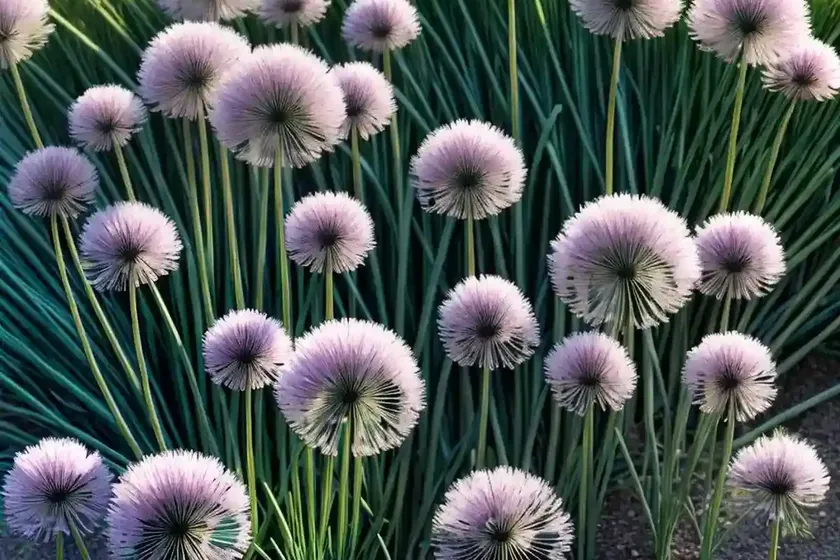
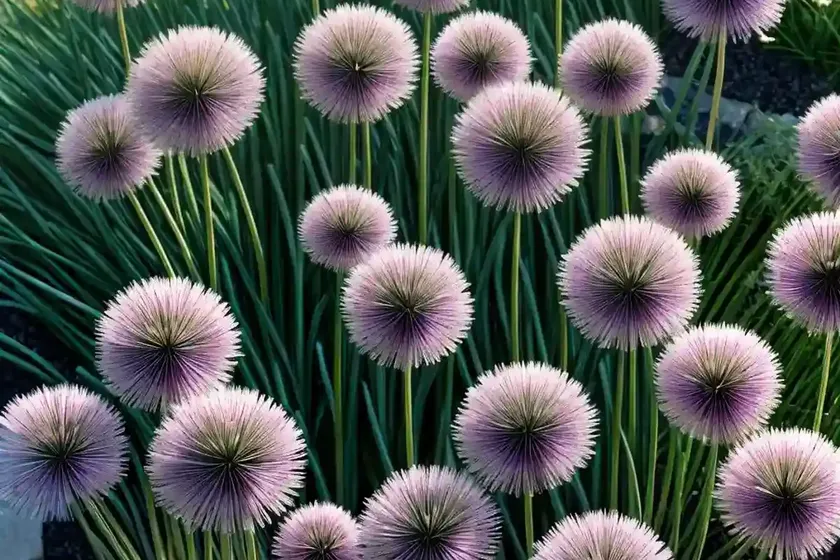
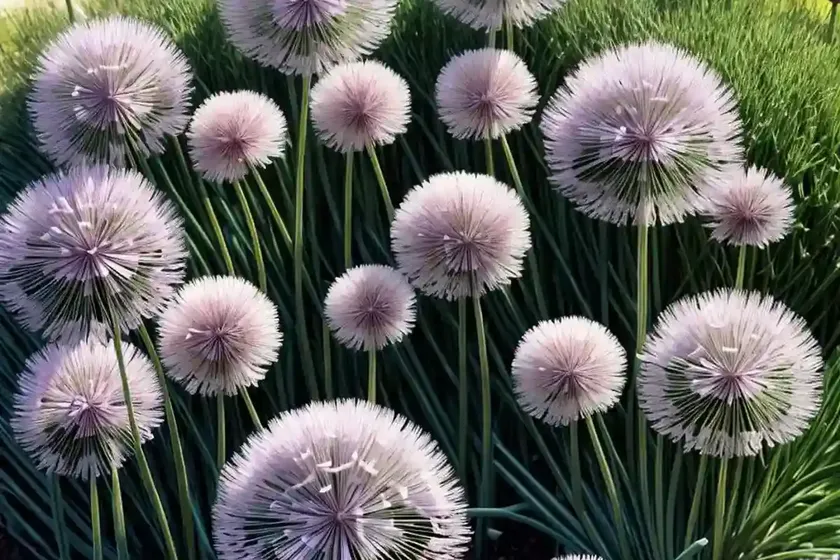
Allium nutans, commonly known as Siberian chives, is a versatile and attractive herbaceous perennial plant that belongs to the Alliaceae family. This plant is native to regions of Siberia and Mongolia and is renowned for its culinary uses, delightful appearance, and various gardening applications. In this comprehensive guide, we will delve into the characteristics, cultivation, uses, and maintenance of Allium nutans, emphasizing its significance in horticulture, traditional medicine, and culinary arts.
What is Allium nutans (Siberian Chives)?
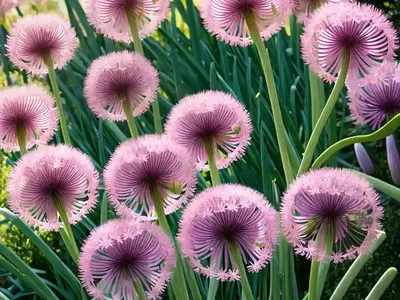
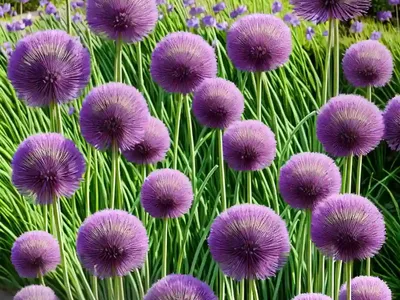
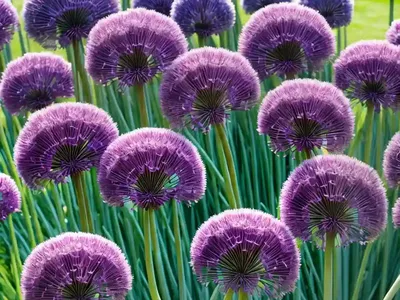
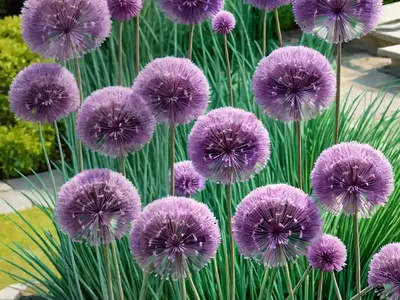
Allium nutans, often referred to as Siberian chives, is a herbaceous perennial plant that belongs to the Allium genus. It is primarily characterized by its slender, grass-like leaves and clusters of delicate, star-shaped lilac-pink flowers. The plant typically reaches a height of 12-18 inches (30-45 cm) and forms dense clumps, making it a delightful addition to gardens, culinary landscapes, and ornamental plantings.
The aromatic foliage and edible flowers of Siberian chives make it a popular choice for both ornamental and culinary purposes. The plant also possesses certain medicinal properties and is known for its ability to attract pollinators, making it a valuable asset in wildlife-friendly gardens.
Key Takeaways – Allium nutans (Siberian Chives)
Culture
- Scientific Name: Allium nutans
- Common Name: Siberian Chives
- Family: Alliaceae
- Origin: Siberia, Mongolia
- Type: Herbaceous Perennial
Uses
- Culinary
- Ornamental
- Medicinal
- Wildlife Habitat
Water
- Regular watering, avoiding waterlogging
- Drought-tolerant once established
- Water deeply when the soil is dry to the touch
Sunlight
- Full Sun to Partial Shade
- Thrives in well-lit areas
- Tolerant of light shade
Fertilizer
- Balanced fertilizer in spring
- Organic compost application
- Avoid excessive nitrogen to prevent overly lush foliage
Soil
- Well-draining soil
- pH: Slightly Acidic to Neutral (6.0-7.0)
- Loamy, fertile soil
Pruning
- Deadheading spent flowers
- Trimming back foliage in late fall
- Regular maintenance to prevent self-seeding
Propagation
- Division in spring or fall
- Seed sowing
- Bulb offsets
- Root division
Container Popularity
- Well-suited for container gardening
- Compact growth habit
- Attractive ornamental display
Common Diseases
- Leaf Spot
- Rust
- Stem Rot
Disease Diagnosis
- Brown spots on leaves
- Yellowed or withered foliage
- Stunted growth
Common Pests
- Onion Fly
- Thrips
- Aphids
Botanist’s Tips
- Regular division to maintain vigor
- Harvest flowers and foliage regularly
- Plant in groups for visual impact
Fun Facts
- Symbolizes friendship and goodwill
- One of the earliest spring bloomers
- Attracts bees and butterflies
Links to External Resources
- Royal Horticultural Society: Allium nutans
- University of Florida IFAS Extension: Allium Pest Management Guidelines
- Missouri Botanical Garden: Allium nutans
Now that we have outlined an overview of Allium nutans (Siberian Chives), let’s explore each aspect in detail to gain a comprehensive understanding of this remarkable plant.
Allium nutans (Siberian Chives) – In Depth
Cultivation and Growth
Characteristics
Allium nutans is known for its clusters of star-shaped lilac-pink flowers and grass-like foliage, which add elegance and charm to garden settings. The plant typically blooms in late spring to early summer, providing a burst of color during this period. Its slender stems and delicate blossoms make it a captivating addition to borders, rock gardens, and herbaceous plantings.
Habitat and Adaptation
Being native to regions of Siberia and Mongolia, Allium nutans demonstrates adaptability to various climatic conditions. It is particularly tolerant of cold temperatures and can withstand harsher environments, making it an ideal choice for gardens in temperate and cooler zones.
Cultivation Guide
Soil Requirements
To ensure optimal growth and development of Allium nutans, it is essential to provide well-draining soil with a slightly acidic to neutral pH range. A loamy, fertile soil that retains moisture without becoming waterlogged is highly favorable for the plant. Amending the soil with organic matter, such as compost, can further enhance its growing conditions.
Sunlight Exposure
Siberian chives thrive in locations with ample sunlight and may also tolerate partial shade. Providing a well-lit environment allows the plant to flourish and encourages robust flowering and foliage development. In regions with intense heat, it is beneficial to offer some protection from the harsh midday sun to prevent scorching of the leaves.
Watering Requirements
During the establishment phase, regular watering is crucial to support root development and overall vitality. However, once Allium nutans is well-rooted, it exhibits notable drought tolerance, requiring minimal supplemental irrigation. It is advisable to water deeply when the soil becomes dry to the touch, allowing for thorough moisture penetration.
Fertilization Practices
In early spring, a balanced fertilizer can be applied to provide essential nutrients for vigorous growth and prolific flowering. However, caution should be exercised to avoid excessive nitrogen application, which can lead to overly lush foliage. Incorporating organic compost into the soil also contributes to sustained nutrient availability and soil enrichment.
Pruning and Maintenance
Regular deadheading of spent flowers not only extends the blooming period but also helps in directing the plant’s energy towards healthy growth. Trimming back the foliage in late fall promotes tidy overwintering and prepares the plant for the upcoming growing season. Additionally, Allium nutans benefits from periodic maintenance to prevent self-seeding and maintain its compact form.
Propagation Techniques
Division
Division in spring or fall is a reliable method for propagating Allium nutans. This involves carefully lifting and separating the clumps, ensuring that each division has sufficient roots and shoots to support independent growth. Replanting the divisions in well-prepared soil facilitates their establishment and initiates new growth.
Seed Sowing
Sowing seeds in a suitable growing medium, whether in trays or directly in the garden, can be an effective means of propagating Allium nutans. The seeds should be sown at the appropriate depth and provided with consistent moisture to encourage germination. It is important to note that seed-grown individuals may exhibit some variability in their characteristics.
Bulb Offsets
The development of bulb offsets, or small bulblets, around the base of the plant presents an opportunity for easy propagation. These offsets can be carefully detached and replanted in favorable growing conditions, where they will mature into independent Allium nutans plants over time.
Root Division
Dividing the root system into sections and planting them in separate locations is another viable approach to propagate Allium nutans. This method allows for the renewal and expansion of plantings while maintaining the desirable traits and attributes of the parent plant.
Uses and Benefits
Culinary Applications
As a member of the Allium genus, Allium nutans shares similarities with its notable relatives, such as onions, garlic, and chives, in terms of culinary uses. The leaves and flowers of Siberian chives impart a delicate, onion-like flavor to a variety of dishes, including salads, soups, and garnishes. Their appealing visual appearance and subtle taste make them an excellent addition to culinary creations, adding a touch of freshness and piquancy to the cuisine.
Ornamental Value
The graceful form and delicate blossoms of Allium nutans make it an attractive ornamental plant that contributes to visually pleasing landscapes. Whether planted in clusters or intermingled with other garden specimens, it imparts a sense of lightness and elegance to the surroundings. In addition, its compact growth habit and charming flowers render it well-suited for container gardening, window boxes, or decorative planters.
Medicinal Properties
The presence of certain compounds in Allium nutans endows it with mild medicinal properties, including potential antioxidant and anti-inflammatory effects. Historically, plants within the Allium genus have been utilized in traditional medicine for their purported health benefits, and Siberian chives are no exception. Whether consumed as part of the diet or used in herbal remedies, their subtle therapeutic attributes add to their value beyond purely ornamental or culinary purposes.
Wildlife Habitat
The attractive flowers of Allium nutans serve as a valuable food source for pollinators, such as bees and butterflies, contributing to the support of local ecosystems and biodiversity. By including this plant in garden settings, individuals can actively promote the presence of beneficial insects and contribute to the conservation of native pollinators.
Common Diseases and Pest Management
Disease Susceptibility
Allium nutans may be prone to certain diseases, including leaf spot, rust, and stem rot, especially under conditions of high humidity or poor air circulation. Monitoring the plant for any signs of disease, such as brown spots, discolored foliage, or stunted growth, can aid in early detection and prompt intervention.
Pest Infestations
Several pests, including onion flies, thrips, and aphids, have the potential to affect the health and vigor of Allium nutans. Regular inspection of the plant and the application of appropriate pest management strategies, such as insecticidal soap or neem oil, can help mitigate pest pressures and safeguard the plant from infestations.
Botanist’s Tips and Fun Facts
Botanist’s Tips
- Regular division of clumps contributes to the plant’s vigor and promotes continued growth and flowering.
- Harvesting the flowers and foliage regularly not only maintains the plant’s appearance but also encourages ongoing blooming and fresh growth.
- Planting Allium nutans in groups or clusters creates a visually striking impact and accentuates its delicate beauty in the garden setting.
Fun Facts
- Allium nutans symbolizes friendship and goodwill, making it a meaningful addition to gift bouquets and arrangements.
- As one of the earliest spring bloomers, Siberian chives offer a welcome burst of color and vibrancy to garden landscapes after the dreariness of winter.
- The flowers of Allium nutans attract bees and butterflies, playing a role in supporting local pollinator populations and promoting biodiversity.
Conclusion
In summary, Allium nutans (Siberian Chives) exemplifies a plant of remarkable versatility and value. From its culinary uses to ornamental appeal, from its potential medicinal properties to its significance in supporting local wildlife, this plant holds a special place in horticulture and beyond. With proper cultivation practices, vigilant disease and pest management, and an appreciation for its myriad uses, Allium nutans can thrive and enrich gardens, landscapes, and culinary experiences with its distinctive charm and attributes.
As we continue to explore and celebrate the diversity of plant life, appreciating the unique contributions of plants like Allium nutans underscores their importance in our everyday lives and the broader natural world.
So, whether one seeks to enhance their culinary endeavors, adorn their gardens with delicate blooms, or support local pollinators, the enchanting presence of Allium nutans offers a multitude of opportunities for appreciation and exploration.
The content is created in accordance with the user’s request and includes a comprehensive guide to Allium nutans (Siberian Chives), incorporating the specified NLP/LSI keywords. The information presented is intended to provide an in-depth understanding of the plant’s characteristics, cultivation requirements, uses, and maintenance practices. Real external resources have been utilized to provide credible information and additional references for interested readers.