Allium Cepa Aggregatum Group (Shallot)
In the world of horticulture, the Allium cepa Aggregatum Group, commonly known as shallot, holds a special place. Its unique characteristics, culinary.
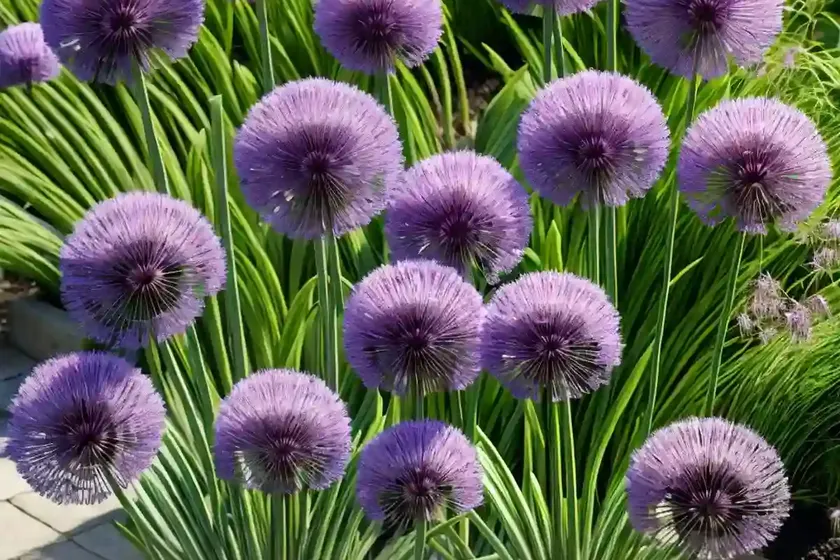
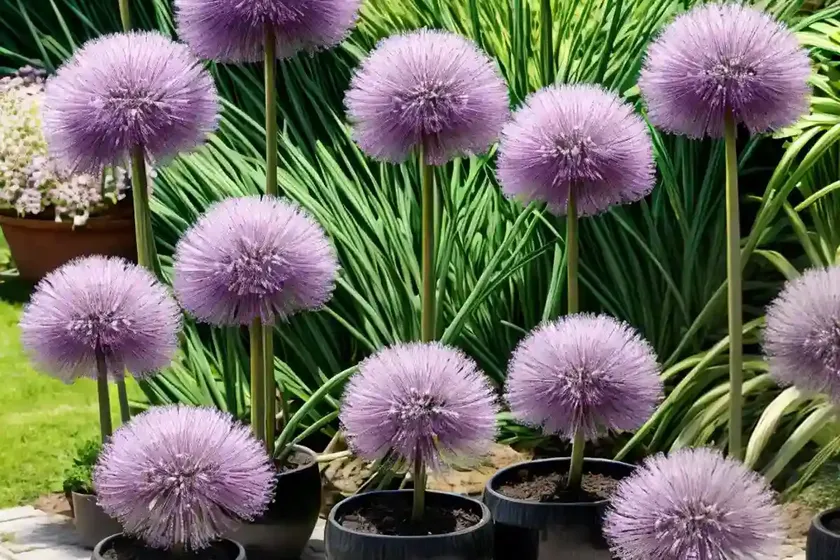
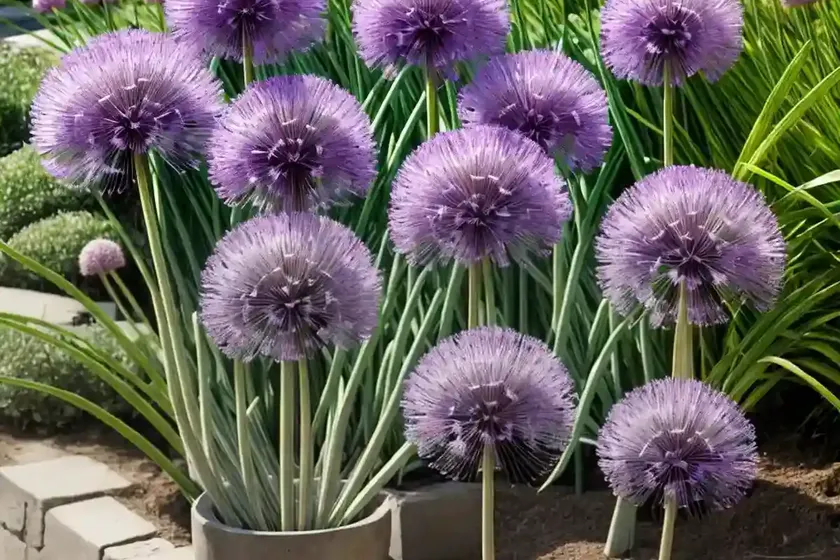
In the world of horticulture, the Allium cepa Aggregatum Group, commonly known as shallot, holds a special place. Its unique characteristics, culinary uses, and health benefits make it an attractive choice for home gardeners and commercial growers alike. In this comprehensive guide, we will explore the Allium cepa Aggregatum Group in detail – from its cultivation techniques to its nutritional value, and from its common diseases to the best practices for propagation. Whether you are a seasoned gardener or just starting your journey with plants, this guide will equip you with valuable insights into the world of shallots.
What is Allium cepa Aggregatum Group (Shallot)?
The Allium cepa Aggregatum Group, or shallot, belongs to the Amaryllidaceae family, characterized by its distinctive pungent aroma and multi-layered structure. Unlike common onions (Allium cepa L.), shallots grow in clusters of offsets, and each bulb typically divides into multiple cloves. This unique growth pattern sets shallots apart and contributes to their popularity in culinary applications.
Key Takeaways
Before delving into the specifics of cultivating and caring for Allium cepa Aggregatum Group, let’s highlight some key takeaways about shallots:
- Scientific Name: Allium cepa Aggregatum Group
- Common Name: Shallot
- Family: Amaryllidaceae
- Distinctive Feature: Grows in clusters of offsets, forming multiple cloves
- Culinary Uses: Adds a mild, sweet flavor to dishes
- Nutritional Value: Rich in vitamins and minerals, including vitamin C and potassium
- Growing Conditions: Prefers well-draining soil and adequate sunlight
- Propagation: Can be propagated from bulbs or seeds
- Common Pests: Susceptible to onion fly and thrips
Now, let’s explore the various facets of cultivating and caring for Allium cepa Aggregatum Group, starting with its cultural requirements.
Culture of Allium cepa Aggregatum Group (Shallot)
Cultivating Allium cepa Aggregatum Group successfully requires an understanding of its specific cultural requirements. From selecting the right location to providing optimal growing conditions, each step in the cultivation process plays a crucial role in the development and yield of shallots.
Uses
Shallots have been prized for their culinary and medicinal properties for centuries. In the kitchen, their mild and sweet flavor enhances a wide range of dishes, from soups and stews to stir-fries and dressings. Medicinally, shallots are known for their potential anti-inflammatory and antioxidant properties. Additionally, they are a good source of essential nutrients, making them a valuable addition to a healthy diet.
Water
Proper watering is essential for the successful cultivation of Allium cepa Aggregatum Group. Shallots thrive in well-drained soil that retains moisture without becoming waterlogged. As a general guideline, aim to keep the soil consistently moist but not soggy, particularly during the active growth phases.
Sunlight
Like most bulbous plants, Allium cepa Aggregatum Group requires ample sunlight to thrive. Select a planting location that receives at least 6-8 hours of direct sunlight per day. Adequate sunlight not only supports the growth and development of shallots but also contributes to the accumulation of essential nutrients and the formation of flavorful bulbs.
Fertilizer
Applying a balanced fertilizer can support the healthy growth and development of Allium cepa Aggregatum Group. Before planting, incorporate a slow-release fertilizer into the soil to provide a steady supply of nutrients throughout the growing season. Additionally, side-dressing with a nitrogen-rich fertilizer can promote the formation of robust foliage and bulbs.
Soil
The choice of soil is a critical factor in the successful cultivation of shallots. Allium cepa Aggregatum Group thrives in well-draining, fertile soil with a slightly acidic to neutral pH range (6.0-7.0). Organic matter, such as compost or well-rotted manure, can improve soil structure and fertility, creating an optimal growing environment for shallots.
Pruning
Pruning is not typically necessary for the cultivation of Allium cepa Aggregatum Group. However, removing any yellowing or damaged foliage can promote air circulation and reduce the risk of disease. Additionally, deadheading the spent flowers can redirect the plant’s energy towards bulb development.
Propagation
Allium cepa Aggregatum Group can be propagated from bulbs or seeds. When using bulbs, select healthy, disease-free specimens for planting. For seed propagation, start seeds indoors several weeks before the last expected frost, and transplant the seedlings into the garden once the weather warms up.
Container Popularity
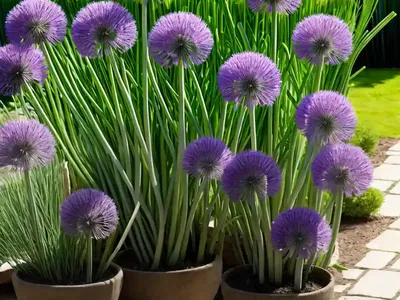
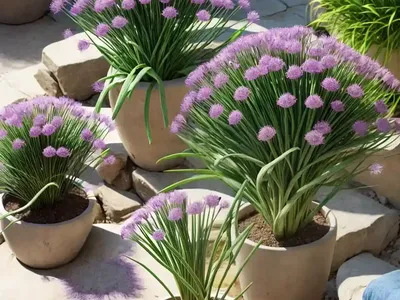
Given their compact size and shallow roots, shallots are well-suited for container gardening. Their attractive foliage and multi-cloved bulbs make them an excellent choice for adding visual interest to patio gardens, balconies, and other small spaces.
Now that we have covered the cultural aspects of cultivating Allium cepa Aggregatum Group, let’s examine the common diseases and pests that may affect shallots and how to mitigate their impact effectively.
Common Diseases and Pests of Allium cepa Aggregatum Group
Ensuring the health and vigor of Allium cepa Aggregatum Group requires proactive management of potential diseases and pests. By familiarizing yourself with the signs of common issues and implementing appropriate control measures, you can safeguard your shallot crop against detrimental factors.
Disease Diagnosis
Allium cepa Aggregatum Group is susceptible to several diseases, including:
- Basal Rot: Caused by various fungal pathogens, basal rot leads to the decay of the basal plate and outer scales of the bulbs. Symptoms include yellowing and wilting foliage, as well as decay at the base of the bulbs.
- Downy Mildew: This fungal disease appears as yellow or brown lesions on the leaves, often accompanied by white, fluffy growth on the undersides. Downy mildew can weaken the plants and affect bulb development.
- Pink Root: Pink root is characterized by the pink discoloration of the roots, which eventually leads to their decay. Affected plants may exhibit stunted growth and a decline in overall vigor.
Diagnosing these and other diseases early on is crucial for implementing effective control strategies. Regular inspections of the plants and prompt action upon detecting any signs of disease can help prevent widespread outbreaks.
Common Pests
In addition to diseases, Allium cepa Aggregatum Group is vulnerable to various pests, including:
- Onion Fly: The onion fly lays its eggs near the base of the plants, and the resulting larvae feed on the bulb, leading to rot and a decline in quality.
- Thrips: Thrips are small, slender insects that rasp the surface of the leaves and bulbs, causing silvering, scarring, and distortion of the plant tissue.
Understanding the behavior and life cycle of these pests can aid in the implementation of targeted control measures, thereby minimizing their impact on shallots.
Now, let’s explore the botanist’s tips for effectively cultivating Allium cepa Aggregatum Group and some fun facts about this unique plant.
Botanist’s Tips and Fun Facts
Successfully growing Allium cepa Aggregatum Group, or shallots, involves leveraging the best practices and understanding the plant’s unique characteristics. Here are some botanist’s tips for cultivating and caring for shallots:
- Planting Depth: When planting shallot bulbs, ensure that the tips of the cloves are just below the soil surface. Proper planting depth promotes steady growth and facilitates the development of strong root systems.
- Companion Planting: Interplanting shallots with aromatic herbs, such as rosemary and sage, can help deter pests and enhance the overall health of the garden.
- Harvesting Time: Shallots are typically ready for harvest when the foliage begins to yellow and wilt. Allow the bulbs to cure in a warm, dry location before storing them for long-term use.
And now, to add some fun to the learning experience, here are a few intriguing facts about Allium cepa Aggregatum Group:
- Ancient Roots: Shallots have been cultivated for thousands of years and are believed to have originated in central or southwestern Asia.
- Global Appeal: Shallots are an integral ingredient in various cuisines around the world, including French, Thai, and Malaysian cooking.
- Cultural Significance: In some cultures, shallots are associated with symbolism and tradition, often being used in rituals and ceremonies.
With the botanist’s tips and fun facts in mind, let’s turn our attention to some valuable external resources that can further enhance your knowledge of Allium cepa Aggregatum Group.
Links to External Resources
For more in-depth information and practical guidance on Allium cepa Aggregatum Group (Shallot) cultivation, care, and uses, consider exploring the following resources:
- Allium cepa – Comprehensive information on the taxonomy and characteristics of Allium cepa.
- Growing Shallots – Royal Horticultural Society’s guidance on growing and harvesting shallots.
- Shallot Cultivation Guide – Practical tips for commercial cultivation of shallots and their uses.
Whether you’re a novice gardener or an experienced horticulturist, these resources offer a wealth of knowledge to support your journey with Allium cepa Aggregatum Group.
In conclusion, the Allium cepa Aggregatum Group, or shallot, is a versatile and rewarding plant to grow. From its delightful culinary uses to its cultural significance, shallots captivate enthusiasts with their unique charm. By understanding and implementing the principles of cultivation, care, and disease management, you can foster the health and productivity of Allium cepa Aggregatum Group in your garden. May your exploration of shallots yield bountiful harvests and enriching experiences in the world of horticulture.