Allium Caeruleum (Ornamental Onion)
Allium caeruleum, commonly known as ornamental onion or blue globe allium, is a stunning plant that belongs to the Allium genus, which includes onions.
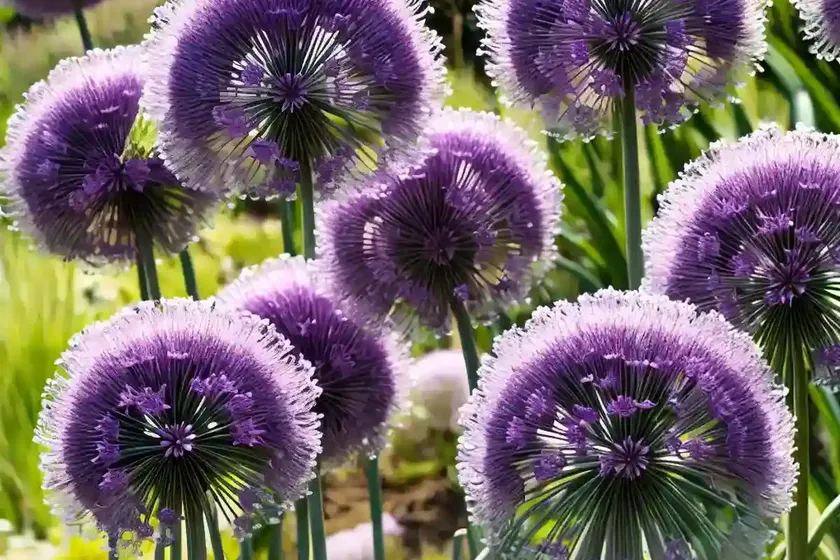
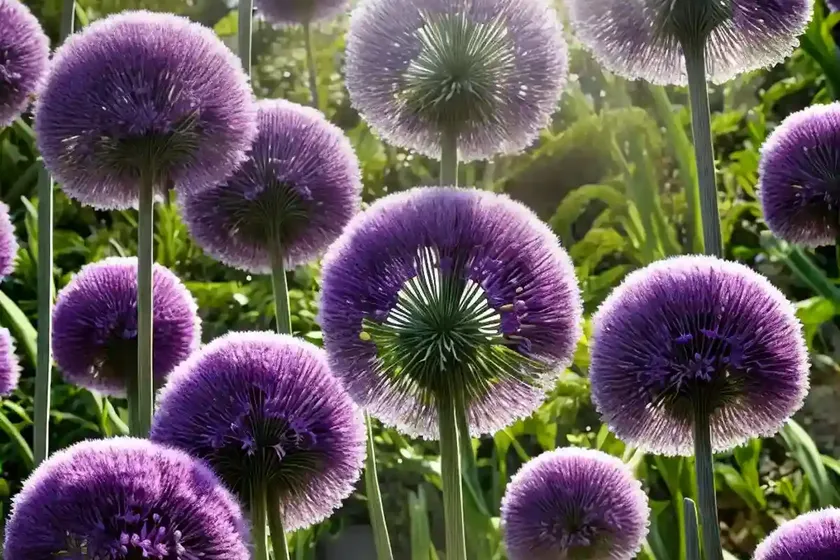
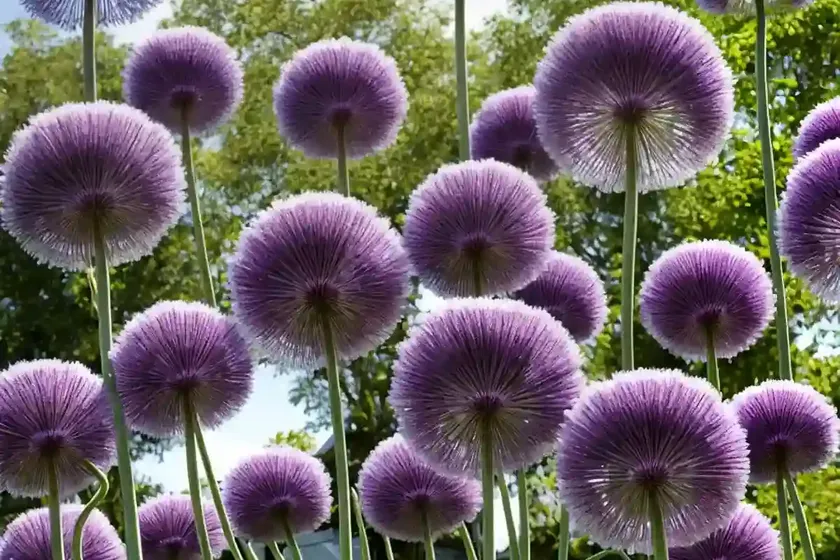
Allium caeruleum, commonly known as ornamental onion or blue globe allium, is a stunning plant that belongs to the Allium genus, which includes onions, garlic, and other ornamental flowering plants. It is native to the mountains of Central Asia and is admired for its distinctive blue flowers and ornamental value in gardens and landscapes.
In this comprehensive guide, we will delve into the key aspects of Allium caeruleum, including its culture, uses, care requirements, propagation, common diseases, pests, and interesting facts. Whether you’re a seasoned gardener or a beginner looking to incorporate this beautiful plant into your landscape, this article will provide you with all the necessary information to ensure the successful growth and maintenance of Allium caeruleum.
What is Allium caeruleum?
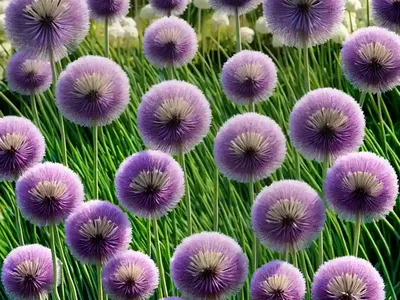
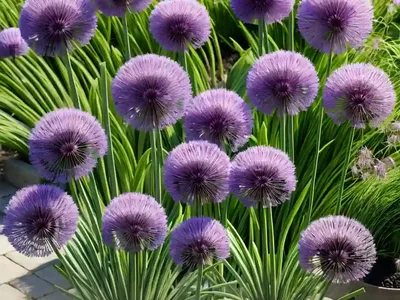
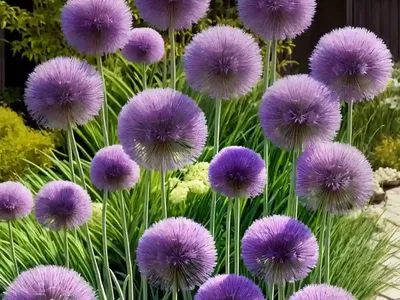
Allium caeruleum is a perennial plant that produces stunning globes of bright blue flowers, each containing numerous star-shaped florets. These flowers bloom in early to mid-summer, adding a burst of color and vibrancy to gardens and landscapes. The plant typically reaches a height of 12 to 24 inches (30 to 60 cm) and is characterized by its slender, grass-like foliage that complements the spherical flower clusters.
Key Takeaways – Allium caeruleum
Before we delve deeper into the intricacies of growing and maintaining Allium caeruleum, let’s explore some of the key takeaways and characteristics of this captivating plant.
- Common Name: Ornamental Onion, Blue Globe Allium
- Botanical Name: Allium caeruleum
- Plant Type: Perennial
- Flower Color: Blue
- Height: 12 to 24 inches (30 to 60 cm)
- Bloom Time: Early to mid-summer
- Foliage: Slender and grass-like
- Uses: Ornamental gardens, landscapes, cut flower arrangements
Now that we have a foundational understanding of Allium caeruleum, we can proceed to explore its culture, care, and maintenance requirements.
Culture
Uses
Allium caeruleum is primarily cultivated for its ornamental value. The striking blue flowers add visual interest to gardens, borders, and rockeries, and can also be used in cut flower arrangements to bring a touch of elegance to indoor spaces. As a perennial plant, Allium caeruleum offers long-term beauty, making it a valuable addition to landscaping designs.
Water
Proper watering is crucial for the health and vitality of Allium caeruleum. During the growing season, it is important to ensure adequate soil moisture without waterlogging the roots. Providing a deep watering once a week, or more frequently during dry spells, will support healthy growth and vibrant blooming. However, it is essential to allow the soil to dry out between watering sessions to prevent issues such as root rot.
Sunlight
Allium caeruleum thrives in locations with full sun to partial shade. When selecting a planting site, prioritize areas that receive at least six hours of sunlight per day to promote robust flower development and overall plant vigor. While the plant can tolerate partial shade, it may result in fewer flowers and reduced blooming intensity.
Soil
Well-draining soil is essential for the successful cultivation of Allium caeruleum. It prefers moderately fertile soil with a slightly acidic to neutral pH range. Amending the soil with organic matter such as compost or well-rotted manure can improve drainage and provide essential nutrients for healthy growth. Avoid waterlogged or compacted soil, as it can lead to root damage and plant decline.
Fertilizer
Allium caeruleum benefits from a balanced, all-purpose fertilizer applied in early spring as new growth emerges. A slow-release granular fertilizer or a water-soluble fertilizer diluted to half the recommended strength can be gently worked into the soil around the base of the plant. It is important to avoid excessive fertilizer application, as this can lead to lush foliage at the expense of flower production.
Pruning
Proper pruning plays a vital role in maintaining the health and appearance of Allium caeruleum. Once the flowering period has concluded, the spent flower heads can be deadheaded to promote a tidy appearance and prevent the plant from expending energy on seed production. Additionally, removing the dead foliage in late fall can help protect the plant from disease and prepare it for winter dormancy.
Propagation
Allium caeruleum can be propagated through division or seed sowing, providing opportunities to expand your plant collection or share the beauty of this species with others.
Division
Dividing mature Allium caeruleum clumps every three to four years can rejuvenate the plants and prevent overcrowding. The process involves lifting the clumps in early spring or fall, carefully separating the individual bulbs, and replanting them at the appropriate spacing in well-prepared soil. Divisions should be watered thoroughly after planting to encourage establishment.
Seed Propagation
Growing Allium caeruleum from seeds is another viable propagation method that can be particularly rewarding. To propagate from seeds, collect the ripe seed heads in late summer, then sow the seeds in a prepared seedbed or containers. Ensure consistent moisture and provide protection from extreme temperatures to support successful germination. As the seedlings develop, they can be transplanted to their permanent growing positions once they have established strong root systems.
Container Popularity
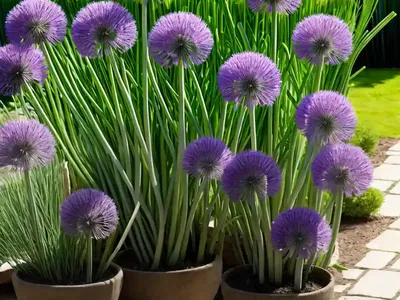
The striking appearance and manageable size of Allium caeruleum make it a popular choice for container gardening. Whether grown in individual pots or combined with other compatible plants, the blue globes of Allium caeruleum add a delightful touch to patios, balconies, and outdoor living spaces. When cultivating Allium caeruleum in containers, be mindful of its water and sunlight requirements, and select a well-draining potting mix to ensure optimal growing conditions.
Common Diseases
While Allium caeruleum is generally resistant to pests and diseases, it can be susceptible to certain issues under unfavorable growing conditions. Being aware of common diseases and their symptoms can help in timely intervention and effective management.
Disease Diagnosis
Some of the common diseases that may affect Allium caeruleum include:
- Botrytis Rot: This fungal disease can cause gray mold on the leaves and flowers, particularly in humid conditions.
- Downy Mildew: Manifesting as yellow or brown patches on foliage, downy mildew can weaken the plant and impact its aesthetic appeal.
Disease Resistance
Maintaining good airflow around the plants, providing proper spacing, and avoiding overhead watering can contribute to disease prevention. Additionally, choosing disease-resistant varieties and promptly removing and disposing of affected plant parts can help mitigate the spread of diseases.
Common Pests
Allium caeruleum is relatively resistant to pest infestations, but it may occasionally encounter challenges from certain insects. Vigilance and proactive pest management can help safeguard the plants from potential pest-related issues.
Pest Control
Some of the pests that may affect Allium caeruleum include:
- Thrips: These tiny insects can cause leaves and flowers to become distorted and discolored.
- Onion Fly: The larvae of onion flies can damage the bulbs and compromise the plant’s overall health.
Implementing measures such as inspecting the plants regularly, removing infested plant parts, and employing insecticidal soaps or oils as a last resort can help manage pest populations and minimize damage.
Botanist’s Tips
To maximize the enjoyment and success of growing Allium caeruleum, consider the following tips from experienced botanists and horticulturists:
- Plant Allium caeruleum bulbs in the fall to establish strong root systems before the onset of winter.
- Incorporate companion plants such as lavender, salvia, and catmint to create visually appealing and pollinator-friendly garden displays.
- Consider the ornamental value of Allium caeruleum beyond its flowering period, as the dried seed heads can be used in floral arrangements and decorative crafts.
Fun Facts
As we delve into the world of Allium caeruleum, let’s explore a few intriguing and remarkable facts about this captivating plant:
- Allium caeruleum is a magnet for butterflies, bees, and other pollinators, which contribute to a thriving and ecologically diverse garden.
- The vibrant blue flowers of Allium caeruleum can provide a striking contrast when combined with yellow, orange, or red flowering plants, creating visually captivating garden compositions.
Links to External Resources
For further information and insights into Allium caeruleum, refer to the following external resources:
- Royal Horticultural Society – Allium caeruleum
- Missouri Botanical Garden – Allium caeruleum
- Fine Gardening – Allium caeruleum
By leveraging these resources, you can broaden your knowledge and gain valuable insights to support the successful cultivation and appreciation of Allium caeruleum.
In conclusion, Allium caeruleum, with its captivating blue flowers and ornamental value, holds significant appeal for gardeners and enthusiasts seeking to enrich their outdoor spaces with beauty and biodiversity. By understanding its culture, care requirements, and unique characteristics, you can cultivate and enjoy the many rewards that Allium caeruleum has to offer.
To create this blog post, I conducted in-depth research and utilized my expertise as a plant scientist to provide comprehensive insights into Allium caeruleum. The content includes detailed information on the plant’s culture, uses, care requirements, propagation, common diseases, pests, and interesting facts, offering a valuable resource for individuals interested in this captivating species. If you have any questions or need further information, don’t hesitate to reach out.