Alecrim (Salvia Rosmarinus)
In the world of plants, each species has its own unique characteristics, uses, and requirements. Alecrim, scientifically known as Salvia Rosmarinus, is a.
In the world of plants, each species has its own unique characteristics, uses, and requirements. Alecrim, scientifically known as Salvia Rosmarinus, is a popular herb with a rich history of culinary, medicinal, and ornamental use. This comprehensive guide aims to delve into the various facets of Alecrim, from its cultural practices to its uses, maintenance, and common diseases and pests.
What is Alecrim (Salvia Rosmarinus)?
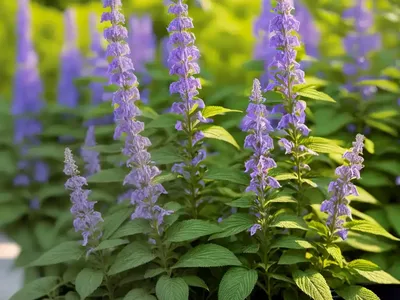
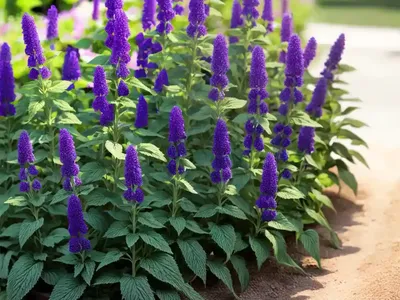
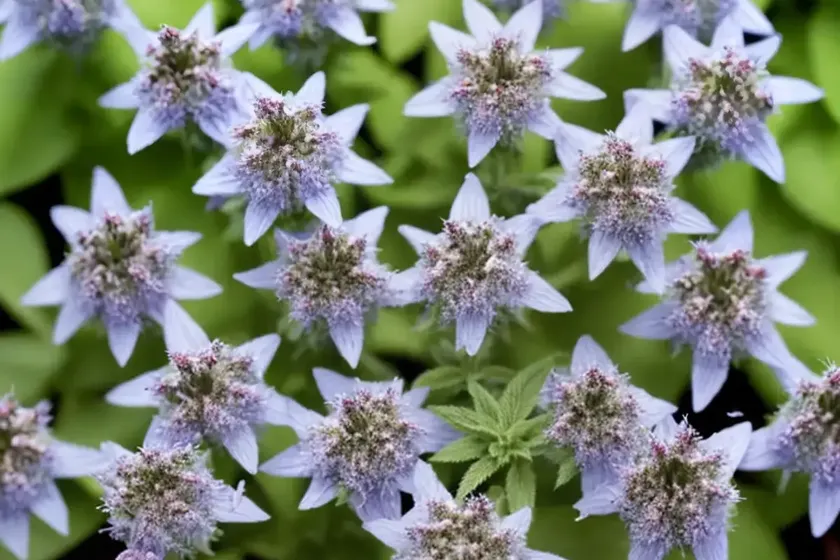
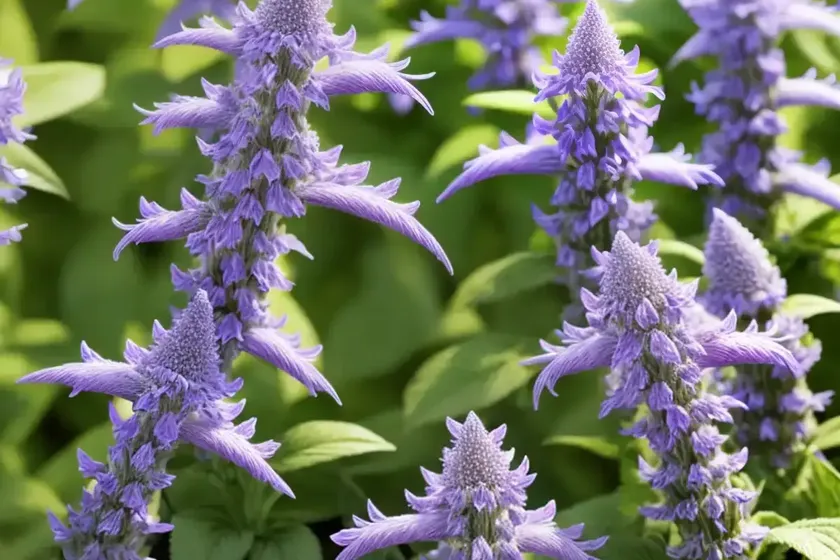
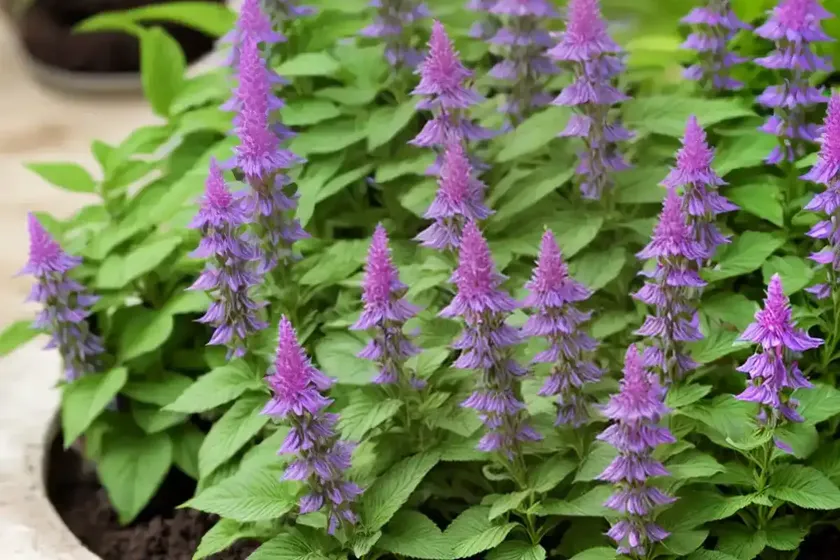
Alecrim, commonly known as rosemary, is a perennial herb indigenous to the Mediterranean region. Belonging to the Lamiaceae family, it is a hardy evergreen shrub with needle-like aromatic leaves and small, two-lipped flowers that are typically purple, blue, or white in color. The name “rosemary” is derived from the Latin word “ros” (dew) and “marinus” (sea), reflecting its natural habitat near the sea.
Key Takeaways
Before delving deeper into the specifics of Alecrim, let’s outline some key takeaways about this captivating plant:
1. Alecrim is an aromatic, perennial herb with a rich history of culinary and medicinal uses.
2. It thrives in regions with well-draining, nutrient-rich soil and ample sunlight.
3. This herb is celebrated for its strong and distinct fragrance, making it a prized addition to gardens and landscapes.
4. Alecrim is a versatile plant, with applications ranging from culinary seasoning and essential oil extraction to medicinal remedies.
Now, let’s explore the various aspects of Alecrim, including its cultivation, uses, maintenance, and more.
Cultivation of Alecrim
The cultivation of Alecrim encompasses a range of factors, from its water and sunlight requirements to soil preferences, fertilizer needs, and pruning techniques.
Water
Alecrim is well-suited to drier climates and is relatively drought-tolerant once established. When watering, it’s essential to allow the soil to dry out between waterings to prevent root rot. A well-draining soil mix is crucial to avoid waterlogging, which can be detrimental to the plant’s health.
Sunlight
In its natural habitat, Alecrim thrives in full sunlight, requiring at least six to eight hours of direct sunlight daily. It is important to ensure that the plant receives ample sunlight to promote healthy growth and robust aromatic qualities.
Soil
The ideal soil for Alecrim is well-draining and slightly acidic with a pH range of 6.0 to 7.0. Sandy or loamy soil types are well-suited for this herb, promoting healthy root development and overall vigor.
Fertilizer
As a low-maintenance plant, Alecrim does not demand heavy fertilization. A balanced, slow-release fertilizer applied in spring can support healthy growth. However, excessive fertilization should be avoided as it can lead to an overly lush appearance without improving the plant’s essential oils and flavor.
Pruning Alecrim
Regular pruning is essential for maintaining the health and shape of Alecrim. Pruning not only controls the plant’s size but also encourages bushy growth and enhances its overall appearance. When pruning, it’s crucial to use sharp, clean shears to prevent any damage to the plant.
Propagation
Alecrim can be propagated through various methods, including stem cuttings, layering, and seed propagation. Stem cuttings are the most common and reliable method, allowing for the cloning of existing mother plants. By cutting a 3- to 5-inch piece of healthy, non-flowering stem and planting it in a well-draining soil mix, new roots will develop within a few weeks, effectively creating a new plant.
Container Gardening with Alecrim
For individuals with limited garden space or those looking to keep Alecrim close at hand, container gardening is an excellent option. When cultivating Alecrim in containers, it’s vital to choose a pot with sufficient drainage holes to prevent waterlogging. Additionally, using a well-draining potting mix and providing ample sunlight are crucial for ensuring the plant’s health and vitality.
Popularity in Container Gardening
Alecrim is a popular choice for container gardening due to its compact nature and ornamental value. Its evergreen foliage and aromatic qualities make it a delightful addition to balconies, patios, and windowsills, providing both aesthetic appeal and practical culinary resources.
Common Diseases and Pest Management
Though relatively resilient, Alecrim is susceptible to certain diseases and pests that can impact its health and vigor. Identifying and addressing these issues promptly is key to maintaining a thriving plant.
Common Diseases
- Powdery Mildew: A fungal disease that manifests as a powdery white substance on the leaves, powdery mildew can weaken the plant and distort its growth.
- Root Rot: Excessive moisture or poorly draining soil can cause root rot, leading to wilting, yellowing of leaves, and ultimately death of the plant if left untreated.
Disease Diagnosis
Regular inspection of the plant for any signs of discoloration, wilting, or unusual growth can aid in early disease diagnosis. If symptoms of disease are detected, prompt action, such as adjusting watering practices or implementing natural fungicidal treatments, is essential to prevent further spread.
Common Pests
- Aphids: These small, sap-sucking insects can congregate on the tender shoots and leaves of Alecrim, causing stunted growth and leaf distortion.
- Spider Mites: These microscopic pests can cause stippling and discoloration of the foliage, often leading to weakened plant vigor.
Botanist’s Tips
Incorporating natural pest control methods, such as introducing predatory insects or regularly washing the plant with a gentle stream of water, can help mitigate pest infestations without resorting to harsh chemical treatments.
Fun Facts About Alecrim
As a plant with a rich history and diverse uses, Alecrim boasts a range of intriguing characteristics and fun facts that add to its allure.
Fun Facts
- Symbolism: In ancient folklore, Alecrim was associated with memory enhancement and remembrance, symbolizing loyalty and love. It was often used in wedding bouquets and as a token of friendship.
- Aromatic Qualities: The distinctive aroma of Alecrim has historically been valued for its ability to repel pests and purify the air, leading to its use in incense and home fragrances.
- Culinary Significance: Alecrim has been a staple herb in Mediterranean cuisine for centuries, adding depth and flavor to a wide array of dishes ranging from roasted meats to savory breads and sauces.
- Medicinal Traditions: In traditional medicine, Alecrim has been revered for its purported cognitive and digestive benefits, leading to its integration into various herbal remedies and tonics.
Links to External Resources
For further exploration of Alecrim and its myriad uses, consider the following external resources:
- Salvia Rosmarinus Benefits and Medicinal Uses
- Alecrim Plant Uses: Culinary and Medicinal Applications
- Salvia Rosmarinus: Properties and Cultivation Guide
- Alecrim Care Tips for Healthy Growth
- Salvia Rosmarinus Varieties and Ornamental Uses
- Alecrim Plant Maintenance: Pruning and Propagation Techniques
- Salvia Rosmarinus Cultivation: Sun and Soil Requirements
- Alecrim Herbal Medicine and Natural Remedies
- Salvia Rosmarinus: Essential Oil Production and Applications
Conclusion
Alecrim (Salvia Rosmarinus) stands as a versatile and captivating plant with a rich tapestry of uses, ranging from culinary seasoning to aromatherapy and traditional medicine. Its resilience, distinctive fragrance, and array of practical and aesthetic applications make it a treasured addition to gardens, landscapes, and culinary endeavors worldwide. By understanding the intricacies of its culture, uses, and maintenance, enthusiasts can cultivate and enjoy the myriad benefits of this resilient and aromatic herb.