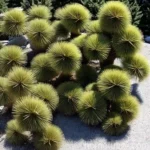
Alcock’s Spruce (Picea alcoquiana ‘Howell’s Tigertail’)
Alcock’s spruce (Picea alcoquiana ‘Howell’s Tigertail’) is an elegant and eye-catching conifer that adds a touch of beauty to any landscape. This stunning evergreen tree is a sought-after choice for gardens, parks, and commercial landscapes due to its unique characteristics and versatility. In this comprehensive guide, we will delve into the various aspects of Alcock’s spruce, including its cultural requirements, uses, maintenance, and much more. Whether you are a seasoned horticulturist or a gardening enthusiast, this insightful resource will equip you with the knowledge you need to cultivate and care for this exceptional plant.
What is Alcock’s Spruce?
Alcock’s spruce, scientifically known as Picea alcoquiana ‘Howell’s Tigertail’, is a cultivar of the Alcock’s spruce species (Picea alcoquiana). This coniferous evergreen is native to the mountainous regions of Japan, where it thrives in cool, moist climates. The ‘Howell’s Tigertail’ variety is specifically prized for its striking blue-green needles and vigorous growth habit, making it a stunning focal point in any garden setting.
This cultivar is named for its distinctive foliage, with the needles displaying a captivating shade of blue that sets it apart from other spruce varieties. Additionally, its vigorous growth and conical form make it an excellent choice for creating focal points in gardens or as a standalone specimen tree.
Key Takeaways – Alcock’s Spruce (Picea alcoquiana ‘Howell’s Tigertail’)
Before we delve into the specifics of caring for Alcock’s spruce, let’s review the key takeaways about this remarkable plant:
- Scientific Name: Picea alcoquiana ‘Howell’s Tigertail’
- Common Name: Alcock’s Spruce
- Characteristics: Striking blue-green needles, conical growth habit
- Native Habitat: Mountainous regions of Japan
- Cultivation Uses: Ornamental focal point, landscaping, specimen tree
- Maintenance: Low maintenance, minimal pruning required
- Growth Rate: Vigorous growth
- Sunlight: Prefers full sun to partial shade
- Soil Requirements: Well-drained, acidic soil
- Climate Preferences: Thrives in cool, moist climates
- Disease Resistance: Resistant to common spruce diseases
- Pest Tolerance: Generally pest-resistant
Now that we have an overview of Alcock’s spruce, let’s explore the specific cultural requirements, uses, maintenance, and care tips for this captivating conifer.
Culture
Water
Proper watering is crucial for the health and vitality of Alcock’s spruce. While this conifer is relatively tolerant of dry conditions once established, it is important to provide regular moisture, particularly during its initial establishment and periods of drought.
- Establishment: Newly planted Alcock’s spruce should be watered deeply immediately after planting to ensure the root ball is thoroughly saturated.
- Regular Watering: During dry periods, provide supplemental watering to keep the soil consistently moist, but not waterlogged.
- Watering Frequency: Depending on local climate and soil conditions, Alcock’s spruce may require watering once or twice a week, especially during the warmer months.
- Moisture Level: The soil should be kept consistently moist but not waterlogged, as excessive moisture can lead to root rot and other issues.
Sunlight
Alcock’s spruce thrives in full sun to partial shade, making it adaptable to a range of garden settings. When selecting a planting location for this conifer, consider the following sunlight requirements:
- Full Sun: Ideally, provide a planting location that receives ample sunlight, especially during the morning and early afternoon.
- Partial Shade: Alcock’s spruce can also tolerate partial shade, particularly in hot climates or during the intense afternoon sun.
- Optimal Conditions: Balanced exposure to sunlight throughout the day is favorable for promoting healthy growth and maintaining the plant’s vibrant foliage color.
Fertilizer
Proper fertilization can enhance the growth and overall vigor of Alcock’s spruce. While this conifer is not overly demanding in terms of fertility, applying a balanced fertilizer can provide necessary nutrients for optimal health.
- Fertilizer Type: Utilize a slow-release, balanced fertilizer specifically formulated for evergreen trees and shrubs.
- Application Timing: Apply fertilizer in early spring before new growth emerges and again in late spring or early summer if necessary.
- Amount: Follow the manufacturer’s recommendations for dosage based on the tree’s size and age.
- Avoid Excess: Refrain from over-fertilizing, as excessive nutrients can lead to issues such as burned foliage or excessive growth.
Soil
Alcock’s spruce thrives in well-drained, acidic soil, mirroring its natural habitat in the mountainous regions of Japan. When considering the soil requirements for this conifer, take the following factors into account:
- Acidic pH: The soil should have a pH ranging from 4.5 to 6.0, indicative of acidic conditions that are favorable for Alcock’s spruce.
- Drainage: Ensure the planting site offers good drainage to prevent waterlogging, as excessive moisture can lead to root rot and other complications.
- Soil Amendments: If the native soil is not well-draining or lacks acidity, consider amending it with organic matter such as peat moss or compost to improve its texture and pH.
Pruning
Alcock’s spruce typically requires minimal pruning, as it naturally maintains a uniform and symmetrical growth habit. However, occasional pruning may be necessary to remove any dead, damaged, or diseased branches, as well as to shape the tree for aesthetic purposes.
- Timing: Pruning can be performed in early spring before new growth emerges, allowing the wounds to heal quickly as the tree enters its active growth phase.
- Sanitization: Ensure pruning tools are clean and sharp to make precise cuts and minimize the risk of introducing diseases to the tree.
- Pruning Techniques: When removing branches, make clean cuts just outside the branch collar to promote proper healing and reduce the risk of pest infestations or disease entry points.
Propagation
While Alcock’s spruce can be propagated through techniques such as grafting or cutting, it is important to note that this process requires specialized horticultural knowledge and skills. For amateur gardeners and horticulture enthusiasts, it may be more practical to acquire Alcock’s spruce plants from reputable nurseries or garden centers.
Container Popularity
Alcock’s spruce is well-suited for container cultivation, making it an excellent choice for adding ornamental appeal to patios, porches, and other outdoor living spaces. When grown in containers, consider the following tips to ensure the plant’s vitality and aesthetics:
- Container Size: Select a spacious container that accommodates the plant’s root system and allows room for growth without becoming root-bound.
- Drainage: Ensure containers have adequate drainage holes to prevent waterlogging and promote healthy root development.
- Soil Mix: Utilize a well-draining potting mix designed for growing trees and shrubs in containers, and consider amending it with organic matter to improve moisture retention.
- Placement: Position the container in an area that provides the appropriate sunlight exposure for Alcock’s spruce, whether it is full sun or partial shade depending on regional climate and individual preferences.
Common Diseases
Disease Diagnosis
Alcock’s spruce is relatively resistant to many common spruce diseases, but it can still be susceptible to certain issues under unfavorable growing conditions or environmental stress. Keep an eye out for the following potential diseases and symptoms:
- Needle Cast Diseases: Watch for signs of needle discoloration, browning, or premature needle drop, which may indicate issues such as Rhizosphaera needle cast or Stigmina needle blight.
- Cankers: Check for the presence of sunken or discolored lesions on the tree’s bark, which could be indicative of canker diseases caused by various fungal pathogens.
- Root Rot: Monitor the tree for signs of root rot, such as wilting foliage, stunted growth, or visible decay at the base of the tree, especially in cases of persistent overwatering or poorly draining soils.
If any of these symptoms are observed, it is advisable to consult with a local horticultural extension or professional arborist to accurately diagnose the issue and determine appropriate management strategies.
Common Pests
Botanist’s Tips
When it comes to caring for Alcock’s spruce, it is important to keep in mind a few tips to ensure the plant’s health and vitality:
- Mulching: Apply a layer of organic mulch around the base of the tree to conserve soil moisture, suppress weed growth, and insulate the roots during temperature fluctuations.
- Weed Control: Regularly remove weeds from the vicinity of the tree to prevent competition for water, nutrients, and space.
- Wind Protection: In regions with strong winds or exposed landscapes, consider providing windbreaks or strategic planting locations to protect Alcock’s spruce from potential damage or stress.
- Winter Care: Prior to the onset of winter, ensure the tree is adequately watered to support its moisture reserves during colder months and reduce the risk of winter desiccation.
Fun Facts
- Alcock’s spruce is named after the renowned botanist John Alcock, who made significant contributions to the study and cultivation of coniferous plants.
- In its native habitat, Alcock’s spruce plays an important ecological role by providing habitat, food, and shelter for various wildlife species, including birds and small mammals.
Links to External Resources
For additional information and resources on Alcock’s spruce, consider exploring the following external links:
- American Conifer Society – Provides comprehensive information on conifers, including Alcock’s spruce and related species.
- Royal Horticultural Society – Offers gardening advice, plant profiles, and horticultural resources for enthusiasts and professionals.
- Missouri Botanical Garden – Features an extensive plant database and valuable insights on plant care, cultivation, and botanical research.
In conclusion, Alcock’s spruce (Picea alcoquiana ‘Howell’s Tigertail’) is a captivating and versatile evergreen conifer that is prized for its unique foliage, vigorous growth, and ornamental appeal. By understanding and fulfilling its cultural requirements, from water and sunlight to soil and maintenance, gardeners can successfully cultivate and care for this exceptional plant. Whether grown in landscape settings or containers, Alcock’s spruce adds a touch of elegance and natural beauty to any outdoor environment.
For those seeking a visually striking and low-maintenance conifer for their gardens, Alcock’s spruce stands as a testament to the enduring allure and diversity of the plant kingdom. Its resilience, beauty, and ecological significance make it a valuable addition to horticultural landscapes and an intriguing subject for botanists and gardening enthusiasts alike.
Remember to always consider your local climate, soil conditions, and microclimates when planning to cultivate Alcock’s spruce, and when in doubt, consult with knowledgeable professionals or local horticultural resources to ensure the best possible results.
Happy gardening, and may your Alcock’s spruce thrive and flourish in your green spaces!
*Note: This guide is intended for informational purposes only and is not a substitute for professional horticultural or botanical advice. Always consult with local experts or horticultural professionals for tailored guidance on plant cultivation and care.