Air Plant (Bryophyllum Pinnatum)
As a plant scientist, I have always been captivated by the diversity and complexity of the plant kingdom. Plants come in an astounding array of shapes.
As a plant scientist, I have always been captivated by the diversity and complexity of the plant kingdom. Plants come in an astounding array of shapes, sizes, and functions. Each species has its unique characteristics, making them an intriguing subject for study and admiration. In this blog post, we will delve into the captivating world of the air plant Bryophyllum pinnatum, commonly known as the Air Plant. We will explore its culture, uses, care requirements, common diseases, pests, propagation, and other fascinating aspects.
What is Bryophyllum Pinnatum?
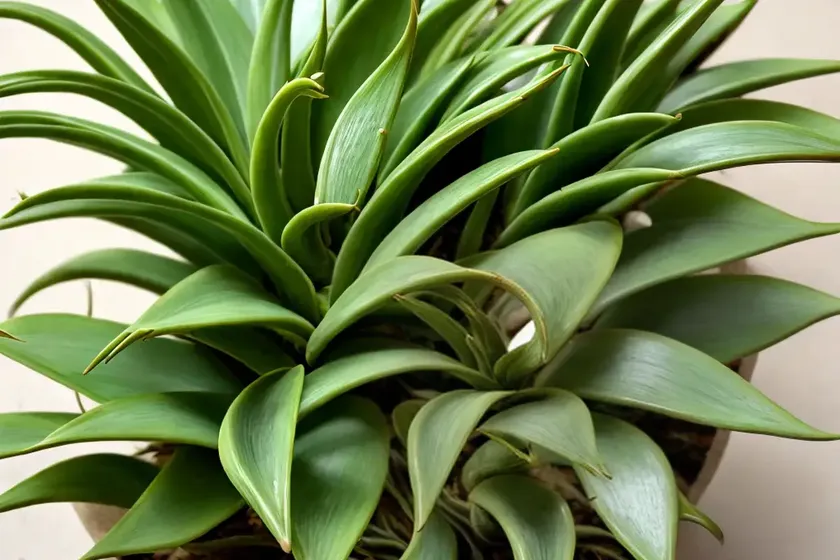
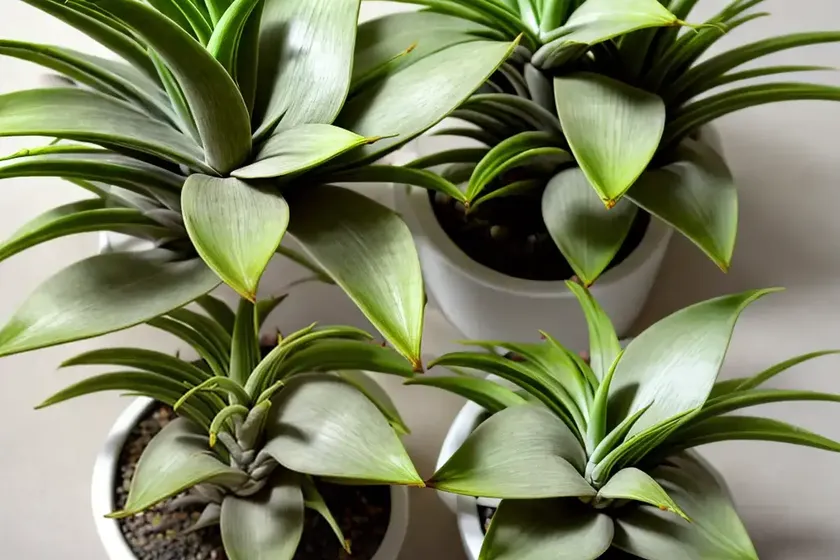
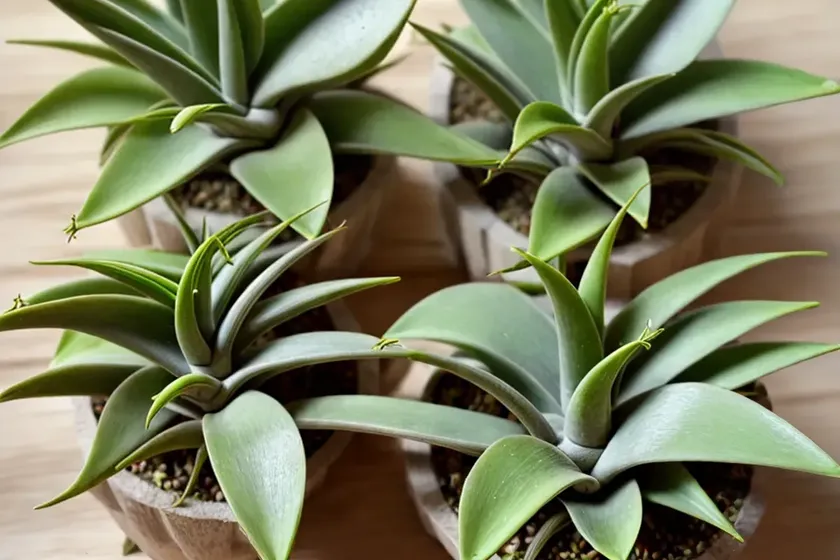
Bryophyllum pinnatum, also known as the Air Plant, Life Plant, Miracle Leaf, Goethe Plant, or Cathedral Bells, is a fascinating succulent plant belonging to the Crassulaceae family. This species is native to Madagascar, but it has spread to various tropical and subtropical regions around the world. It is characterized by its distinctive appearance, with thick, fleshy leaves and a remarkable ability to produce plantlets along the margins of its leaves, allowing it to propagate readily.
Key Takeaways – Air Plant (Bryophyllum Pinnatum)
Before we explore the intricate details of caring for Bryophyllum pinnatum, let’s first highlight some key takeaways about this unique plant:
- Common Names: Air Plant, Life Plant, Miracle Leaf, Goethe Plant, Cathedral Bells
- Family: Crassulaceae
- Native Range: Madagascar
- Distinctive Feature: Remarkable ability to produce plantlets along the margins of its leaves
- Uses: Medicinal, ornamental
- Cultural Significance: Revered in traditional medicine and folklore
- Growth Habit: Succulent with thick, fleshy leaves
- Propagation: Easily propagated through its plantlets
- Care Requirements: Specific water, sunlight, and soil preferences
Now that we have an overview of Bryophyllum pinnatum, let’s explore its culture in more detail.
Culture
The cultural significance of Bryophyllum pinnatum spans both traditional and modern contexts. This versatile plant has been revered for its medicinal properties and has also found its place as an ornamental species in many households and gardens.
Uses
Medicinal Uses
Bryophyllum pinnatum has a rich history of traditional medicinal uses in various cultures. It is believed to possess anti-inflammatory, analgesic, and antimicrobial properties. The leaves of the plant are often utilized in traditional remedies for conditions such as wounds, burns, bruises, insect bites, and skin infections. Additionally, its usage in traditional medicine includes the treatment of respiratory conditions, kidney stones, and gastrointestinal issues.
Ornamental Uses
In addition to its medicinal uses, Bryophyllum pinnatum is highly valued for its ornamental appeal. Its striking appearance, coupled with its unique propagation method, makes it an intriguing addition to gardens, indoor spaces, and botanical collections. The plant’s ability to thrive in a variety of containers and display settings further enhances its appeal in ornamental horticulture.
Care
Caring for Bryophyllum pinnatum requires a nuanced understanding of its specific needs, encompassing aspects such as water, sunlight, fertilizer, soil, pruning, and propagation. Let’s delve into the intricacies of providing optimal care for this exceptional succulent.
Water
Proper watering is crucial for the health and vitality of Bryophyllum pinnatum. As with many succulent species, overwatering poses a significant risk, potentially leading to root rot and other moisture-related issues. Conversely, inadequate watering can result in desiccation and reduced growth. Finding the right balance is essential for promoting robust growth and preventing water-related stress.
Air Plant Watering Guide
-
Watering Frequency: Bryophyllum pinnatum prefers well-draining soil and benefits from a thorough watering once the top inch of the soil has dried out. In typical indoor conditions, this may translate to weekly or bi-weekly watering during the growing season, while reducing the frequency in the winter when the plant experiences dormancy.
-
Watering Method: When watering, it is advisable to water the soil directly, avoiding wetting the foliage to minimize the risk of fungal infections. Additionally, ensuring that the excess water can freely drain from the pot is essential for preventing waterlogging.
-
Indications of Watering Needs: Monitoring the soil moisture level and observing the plant for signs of dehydration, such as wilting or shriveling leaves, will help in determining the appropriate timing and quantity of waterings.
Sunlight
Optimal light conditions play a pivotal role in the growth and development of Bryophyllum pinnatum. As a succulent plant, it thrives in bright, indirect sunlight and can also tolerate partial shade. However, prolonged exposure to intense, direct sunlight, especially during the peak of the day, should be avoided to prevent sunburn and leaf damage.
Bryophyllum Pinnatum Light Requirements
-
Light Intensity: Positioning Bryophyllum pinnatum in a location with bright, indirect light, such as near a south- or west-facing window, ensures that it receives the light energy it requires for photosynthesis without subjecting it to the harshness of direct sunbeams.
-
Light Duration: Providing the plant with approximately 6-8 hours of light per day during the growing season supports vigorous growth, while adjusting the light exposure during the winter months to accommodate its dormancy phase is beneficial.
-
Light Quality: Although adaptable to various light conditions, maintaining a balance between light availability and protection from direct, intense sunlight is vital for promoting healthy foliage and preventing sun-induced stress.
Fertilizer
Supplemental fertilization can aid in supporting the growth and resilience of Bryophyllum pinnatum. Choosing a balanced, diluted fertilizer and applying it judiciously during the growing season can provide the plant with essential nutrients without risking fertilizer burn or excessive growth stimulation.
Air Plant Fertilization
-
Fertilization Schedule: During the active growing phase, applying a diluted, balanced fertilizer every 2-4 weeks can contribute to the plant’s nutritional requirements. Choosing a fertilizer with an N-P-K ratio of 10-10-10 or similar can help in ensuring that the plant receives a balanced array of essential nutrients.
-
Fertilizer Dilution: Diluting the fertilizer to half or a quarter of the recommended strength helps in preventing fertilizer buildup and potential damage to the plant’s sensitive root system. Applying the fertilizer to moist soil and avoiding direct contact with the leaves minimizes the risk of foliar damage.
-
Winter Fertilization: Withholding fertilization during the winter months, when the plant experiences reduced growth, aligns with its natural growth cycle and prevents nutrient oversupply during its dormant period.
Soil
Selecting an appropriate potting medium is fundamental for providing Bryophyllum pinnatum with the necessary moisture retention, aeration, and drainage properties. A well-draining, nutrient-rich soil mix tailored to the preferences of succulent plants is well suited for supporting the growth and vitality of this species.
Air Plant Potting Soil
-
Soil Composition: A suitable soil mix for Bryophyllum pinnatum typically comprises a blend of gritty, porous components such as perlite, coarse sand, and well-draining potting mix tailored for succulents and cacti. This combination promotes adequate aeration and drainage, preventing waterlogging and root suffocation.
-
Repotting: Periodically repotting the plant, typically every 2-3 years, allows for refreshing the soil, inspecting the root system, and providing the plant with additional space for growth. When repotting, ensuring that the new container has drainage holes and using fresh potting mix supports the plant’s vigor and resilience.
-
Container Selection: Choosing a container with adequate drainage and appropriate size for the plant’s root system facilitates optimal soil moisture management and prevents the accumulation of excess water at the root zone.
Pruning
Pruning serves as a valuable practice for maintaining the compactness, aesthetics, and health of Bryophyllum pinnatum. Regular removal of spent flowers, damaged or diseased foliage, and excessive growth can help in directing the plant’s energy towards new growth and encouraging a tidy, attractive appearance.
Bryophyllum Pinnatum Pruning Techniques
-
Deadheading: Removing the spent flowers and seed pods not only promotes a tidy aesthetic but also prevents the plant from expending energy on seed production, redirecting it towards vegetative growth and regenerative processes.
-
Leaf Pruning: Trimming discolored, damaged, or desiccated leaves helps in maintaining the plant’s vitality and visual appeal while mitigating the risk of disease spread or pest infestations.
-
Size Control: In situations where Bryophyllum pinnatum outgrows its designated space, selective pruning of the stems and offsets can help in managing its size and maintaining a manageable growth habit.
Propagation
One of the most remarkable features of Bryophyllum pinnatum is its ability to propagate readily through the development of plantlets along the margins of its leaves. Understanding the propagation methods and providing the necessary conditions for successful reproduction can enable plant enthusiasts to expand their collection and share the beauty of this resilient species.
Bryophyllum Pinnatum Propagation Methods
-
Leaf Cuttings: The plantlets that develop along the leaf margins can be carefully detached from the parent plant and placed on a suitable, well-draining substrate. With the provision of humid, warm conditions and indirect light, the plantlets readily take root and establish themselves as independent specimens.
-
Division: Separating the offsets and young shoots from the main plant and transplanting them into individual containers with appropriate soil and care facilitates their independent growth and development.
-
Seed Propagation: While less commonly employed due to the ease of propagating through plantlets, cultivating Bryophyllum pinnatum from seeds can be an intriguing and rewarding endeavor for botanical enthusiasts.
Now that we have explored the essential aspects of caring for Bryophyllum pinnatum, let’s consider the importance of selecting suitable containers for this distinctive plant.
Container
Choosing the right container is crucial for providing Bryophyllum pinnatum with an environment that supports its growth, while also complementing its aesthetic appeal. Additionally, selecting appropriate containers aligns with the broader principles of succulent care, emphasizing the significance of good drainage and suitable size for the plant’s root system.
Air Plant Container Choices
-
Drainage: Ensuring that the chosen container has drainage holes is paramount for preventing water accumulation and promoting aeration of the root zone. This feature facilitates the even distribution of moisture in the soil and reduces the risk of root-related issues.
-
Material: Opting for containers made of porous materials such as terracotta or unglazed ceramic allows for improved airflow to the roots and contributes to the regulation of soil moisture. These materials also provide stability and reduce the risk of toppling, especially for top-heavy plants.
-
Size: Selecting a container that accommodates the current size of the plant while allowing room for additional growth minimizes the need for frequent repotting and supports the plant’s long-term development.
Popularity
The widespread popularity of Bryophyllum pinnatum is driven by its unique attributes, ranging from its distinguishable appearance to its easy propagation and diverse applications. As an ornamental plant, it has captured the interest of plant enthusiasts and collectors, while its traditional medicinal uses and cultural significance have contributed to its enduring appeal in various regions.
Common Names
- Bryophyllum Pinnatum’s prominent common names, such as Air Plant, Life Plant, Miracle Leaf, Goethe Plant, and Cathedral Bells, reflect its diverse cultural associations and the recognition it has garnered across different communities.
Container Gardening
The adaptability of Bryophyllum pinnatum to container gardening further amplifies its relevance and appeal in urban and indoor horticulture. Its ability to thrive in various pot sizes and display settings, coupled with its low maintenance requirements, makes it a favored choice for those seeking to incorporate greenery into limited spaces and interior environments.
Common Diseases
Despite its resilience, Bryophyllum pinnatum is susceptible to certain diseases and health issues that warrant attention for maintaining its vigor and aesthetic quality. Being aware of common diseases and their diagnosis is integral to implementing timely interventions and preventive measures.
Disease Diagnosis
Fungal Infections
-
Symptoms: Leaf spots, discoloration, wilting, and decay may indicate the presence of fungal infections, which can often result from excessive moisture, poor air circulation, or contaminated soil.
-
Management: Improving the airflow around the plant, avoiding overwatering, and providing well-draining soil can help in preventing and mitigating fungal issues. Additionally, applying fungicidal treatments as recommended for the specific fungal pathogens can aid in controlling the spread of infections.
Bacterial Diseases
-
Symptoms: Lesions, wilting, slime formation, and leaf distortion might indicate bacterial infections, which can be introduced through contaminated tools, soil, or water.
-
Management: Sanitizing tools, using sterile soil, and implementing proper watering practices can reduce the risk of bacterial infections. Pruning affected parts and applying suitable antibiotic treatments may also be necessary for managing bacterial diseases.
Viral Infections
-
Symptoms: Stunted growth, mottled or distorted foliage, and necrotic lesions are indicative of viral infections, which are often transmitted through contaminated tools, sap-feeding insects, or infected cuttings.
-
Management: Sanitizing tools, sourcing disease-free planting material, and promptly removing and disposing of infected plants can aid in preventing the spread of viral diseases. Implementation of integrated pest management practices also contributes to reducing the risk of viral infections.
Common Pests
In addition to diseases, Bryophyllum pinnatum can be vulnerable to pest infestations, necessitating vigilance and proactive pest management strategies for preserving the plant’s health and vitality.
Pest Control
-
Aphids and Mealybugs: These sap-feeding insects can colonize the tender foliage and stems of Bryophyllum pinnatum, leading to aesthetic damage and potential weakening of the plant.
-
Control Measures: Physical removal, insecticidal soaps, and horticultural oils are effective in managing aphids and mealybugs. Encouraging natural predators such as ladybugs and lacewings also aids in controlling these pests.
-
Spider Mites: Infestations of spider mites, characterized by stippling and webbing on the leaves, pose a risk to the overall health of the plant.
-
Control Measures: Regularly washing the foliage, maintaining adequate humidity, and considering the use of miticides tailored for spider mite control can help in managing and preventing these infestations.
-
Scale Insects: Scale insects, appearing as small, immobile bumps on the plant’s surface, can proliferate on Bryophyllum pinnatum, sapping its vitality.
-
Control Measures: Pruning and disposal of heavily infested plant parts, as well as the application of horticultural oils and insecticidal treatments, are effective in addressing scale insect populations.
Botanist’s Tips
As a botanist, I offer the following tips for enthusiasts seeking to cultivate and appreciate Bryophyllum pinnatum:
-
Maintenance: Regularly inspecting the plant for signs of pests, diseases, and nutrient deficiency helps in addressing issues promptly and supporting the plant’s overall well-being.
-
Propagation: Embracing the plant’s natural propagation methods and sharing the plantlets with fellow enthusiasts fosters community engagement and the sharing of botanical knowledge and experiences.
-
Cultural Awareness: Exploring the traditional uses and cultural significance of Bryophyllum pinnatum enhances one’s appreciation of its multifaceted nature and historical ties to various communities.
-
Conservation: Recognizing the value of conserving and preserving indigenous plant species like Bryophyllum pinnatum contributes to the protection of biodiversity and the continued exploration of the plant kingdom’s potential.
Fun Facts
Let’s conclude with some intriguing fun facts about Bryophyllum pinnatum, shedding light on its unique features and contributions:
-
Adaptability: The plant’s remarkable ability to produce plantlets along the margins of its leaves has earned it the nickname “Mother of Thousands,” reflecting its prolific propagation prowess.
-
Folklore: In various cultures, Bryophyllum pinnatum is associated with beliefs and symbols tied to protection, regeneration, and prosperity, adding a layer of cultural significance to its botanical allure.
-
Taxonomic Interest: The taxonomic classification and genetic diversity of Bryophyllum pinnatum continue to be subjects of scientific inquiry, highlighting its importance in evolutionary and ecological studies.
Links to External Resources
For those seeking further information, guidance, and inspiration related to Bryophyllum pinnatum, I recommend exploring the following external resources:
- International Union for Conservation of Nature (IUCN) Red List: Bryophyllum pinnatum
- Royal Botanic Gardens, Kew: Bryophyllum pinnatum Information
- North Carolina State University Extension: Succulent Plant Care
- University of California, Agriculture and Natural Resources: Integrated Pest Management (IPM) for Home Gardeners
Closing Thoughts
In the realm of botanical marvels, Bryophyllum pinnatum stands out as an exemplar of resilience, adaptability, and aesthetic allure. Its unique propagation, historical significance, and intricate care requirements add layers of intrigue and appreciation for enthusiasts and researchers alike. By immersing ourselves in the world of Bryophyllum pinnatum, we gain not only insights into its care and cultural relevance but also a deeper connection to the diverse tapestry of the plant kingdom.
The discourse on Bryophyllum pinnatum reflects the interplay of tradition, science, and horticultural artistry, calling upon us to embrace the wonder and responsibility of nurturing and celebrating the botanical treasures that enrich our lives and ecosystems.
With that, I encourage you to embark on your journey of plant exploration and to cultivate a deeper appreciation for the captivating succulent beauty of Bryophyllum pinnatum.
Happy gardening!
The above blog post reflects the comprehensive insights and guidance on caring for Bryophyllum pinnatum (Air Plant) and understanding its cultural and horticultural significance from the perspective of a plant scientist. The intricate details provided cater to both enthusiasts and professionals seeking in-depth knowledge about this distinctive succulent. Whether for ornamental horticulture, traditional medicine, or botanical curiosity, Bryophyllum pinnatum offers a world of exploration and