Cathedral Bells (Kalanchoe Pinnata)
Plants are incredible living organisms that play a crucial role in our ecosystem. They are not only essential for our survival by providing the oxygen we.
Introduction
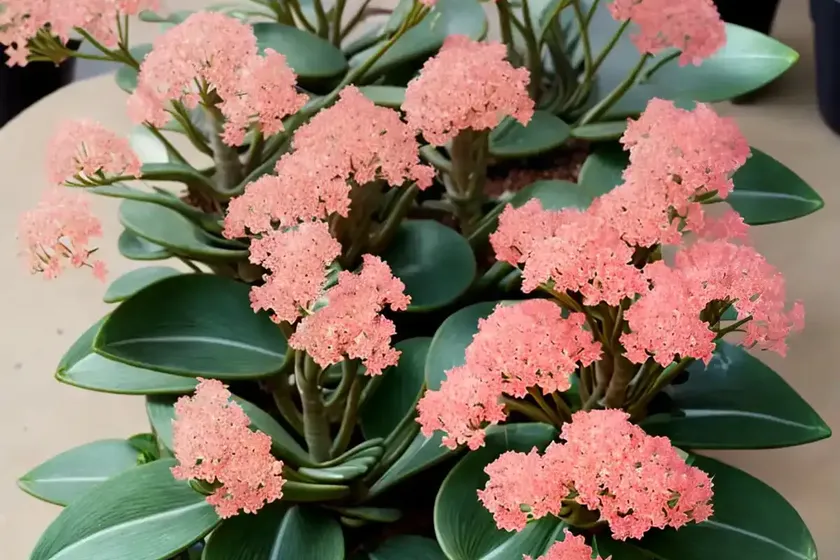
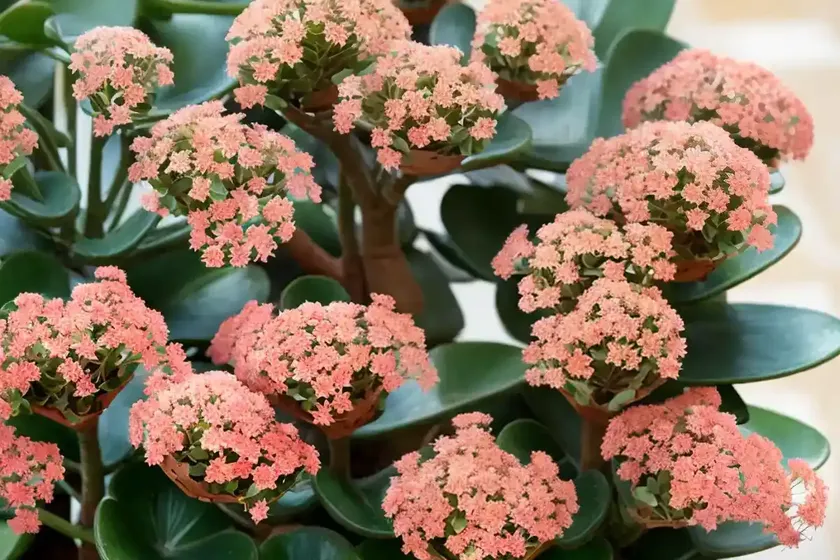
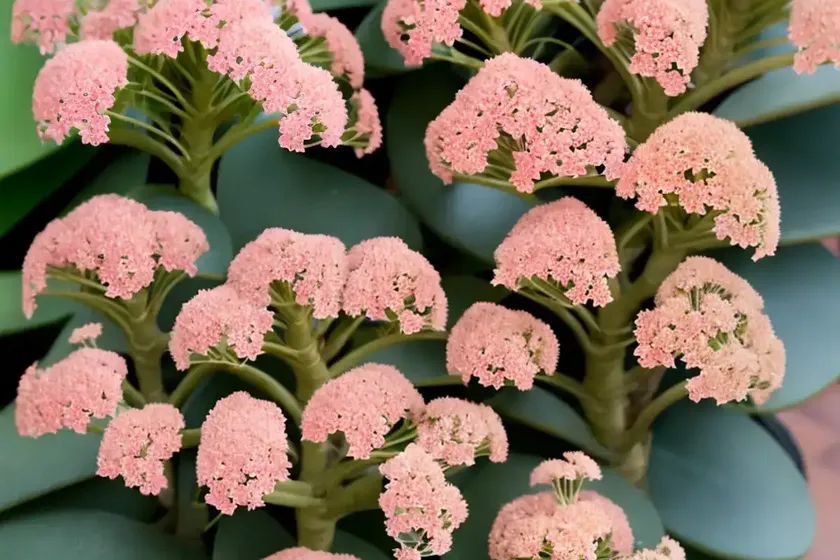
Plants are incredible living organisms that play a crucial role in our ecosystem. They are not only essential for our survival by providing the oxygen we breathe, but they also offer an array of benefits such as food, medicine, and aesthetic value. Among the vast array of plant species, Cathedral Bells, scientifically known as Kalanchoe pinnata, stands out as an intriguing and versatile plant that captivates both novice and experienced plant enthusiasts alike.
In this comprehensive guide, we will delve deep into the world of Cathedral Bells, exploring its various aspects including its cultural significance, uses, care requirements, propagation, common diseases, and much more. Whether you are a plant lover, a professional botanist, or simply someone interested in learning more about this fascinating plant, this guide aims to provide you with valuable insights and practical tips to help you successfully nurture and appreciate the beauty of the Cathedral Bells.
What is Cathedral Bells (Kalanchoe Pinnata)?
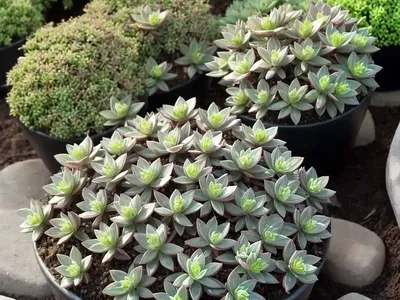
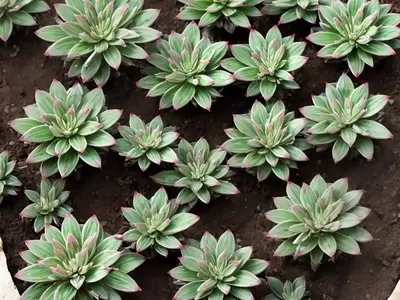
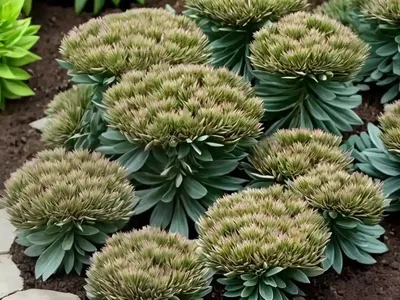
Cathedral Bells, scientifically known as Kalanchoe pinnata, is a species of flowering plant in the family Crassulaceae. Originating from Madagascar, this succulent plant has gained popularity not only for its ornamental value but also for its various medicinal and cultural uses. Commonly referred to by a multitude of names such as Cathedral Bells, Air Plant, Life Plant, Miracle Leaf, and Goethe Plant, Kalanchoe pinnata has a rich history of traditional uses in different cultures around the world.
Types of Cathedral Bells Plants
Kalanchoe pinnata encompasses several cultivated varieties with subtle differences in leaf shape, size, and coloration. While the basic characteristics remain consistent across these varieties, the aesthetic appeal may vary, offering enthusiasts a range of options to choose from based on their individual preferences.
Key Takeaways – Cathedral Bells (Kalanchoe Pinnata)
Before delving deeper into specific aspects of Cathedral Bells care and maintenance, let’s take a moment to highlight the key takeaways that will be explored in detail throughout this guide.
-
Cathedral Bells (Kalanchoe Pinnata) Care Tips
- Understanding the cultural requirements for optimal growth and health.
-
Growing Cathedral Bells Indoors
- Exploring the nuances of indoor cultivation and best practices for creating a favorable environment.
-
Benefits of Kalanchoe Pinnata
- Unveiling the various benefits, both aesthetic and practical, offered by Cathedral Bells.
-
Cathedral Bells Plant Care Guide
- Providing a comprehensive care guide for nurturing Kalanchoe pinnata.
-
How to Propagate Kalanchoe Pinnata
- Understanding the propagation methods and techniques for expanding your Cathedral Bells collection.
-
Cathedral Bells Plant Characteristics
- Detailing the unique characteristics and distinguishing features of this captivating plant.
Without further ado, let’s embark on a journey to comprehend the intricate aspects of nurturing and appreciating the beauty of Cathedral Bells.
Culture
Understanding the cultural requirements of Cathedral Bells, including its preferred environmental conditions and growth habits, forms the cornerstone of successful plant care. By harmonizing these cultural elements with the natural tendencies of Kalanchoe pinnata, you can create an environment that promotes vigorous growth and flourishing foliage.
Water
Cathedral Bells, like many other succulent plants, have specific water requirements that are essential for their well-being. Understanding the nuances of watering is crucial to prevent issues such as root rot or dehydration.
-
Watering Frequency: Cathedral Bells thrive in well-draining soil and appreciate a balanced approach to watering. It is essential to allow the soil to partially dry out between waterings to prevent waterlogged conditions, which can be detrimental to the plant’s health. During the active growing season, typically spring and summer, regular but moderate watering is recommended. As the plant enters its dormant phase in fall and winter, the watering frequency should be reduced to mimic its natural rhythm.
-
Watering Technique: When watering Cathedral Bells, it is advisable to water the soil directly at the base of the plant, ensuring that the water penetrates the root zone. Overhead watering or excessive splashing on the foliage should be avoided to prevent the risk of fungal diseases or water-related damage to the leaves.
Sunlight
Optimal exposure to sunlight plays a pivotal role in the growth and development of Cathedral Bells. Understanding the sunlight requirements and providing the appropriate light conditions is essential for fostering healthy foliage and vibrant blooms.
-
Sunlight Preferences: Cathedral Bells thrive in bright, indirect light. While they appreciate ample sunlight, especially in the morning and late afternoon, they should be protected from intense, direct sunlight, which can lead to sunburn and leaf damage. Indoor placement near a south- or west-facing window, where the plant can receive gentle sunlight, is ideal for promoting robust growth and flowering.
-
Light Duration: Providing approximately 6-8 hours of indirect sunlight daily is beneficial for Cathedral Bells. If outdoor cultivation is preferred, ensuring partial shade during the hottest part of the day can prevent the plant from succumbing to excessive heat and sun exposure.
Fertilizer
Supplementing Cathedral Bells with appropriate fertilization can enhance their vitality and promote abundant flowering. However, understanding the timing, type, and frequency of fertilization is imperative to avoid potential issues such as nutrient imbalance or fertilizer burn.
-
Fertilizer Type: A well-balanced, water-soluble fertilizer formulated for succulent plants is recommended for Cathedral Bells. Such fertilizers typically contain a balanced ratio of essential nutrients such as nitrogen, phosphorus, and potassium, along with micronutrients that support overall plant health.
-
Fertilization Schedule: During the active growing season in spring and summer, fertilizing Cathedral Bells every 4-6 weeks with a diluted fertilizer solution can provide the necessary nutrients for robust growth and prolific flowering. As the plant enters its dormant phase in fall and winter, fertilization should be minimized or temporarily ceased to align with its reduced metabolic activity.
Soil
Creating an optimal growing medium that caters to the specific requirements of Cathedral Bells is vital for ensuring their well-being. A well-draining, nutrient-rich soil mix is essential for preventing waterlogged conditions and supporting healthy root development.
-
Soil Composition: A well-aerated, fast-draining soil mix with good water retention capacity is ideal for Cathedral Bells. A combination of potting soil, coarse sand, and perlite in equal proportions can create a well-balanced mix that provides ample aeration and moisture control. Additionally, incorporating organic matter such as compost or coconut coir can enhance the soil’s fertility and texture.
-
pH Requirements: Cathedral Bells thrive in slightly acidic to neutral soil with a pH range of 6.0-7.0. It is essential to select a soil mix or amend the existing soil to maintain an optimal pH level that aligns with the plant’s preferences.
Pruning
Pruning Cathedral Bells not only helps maintain an attractive appearance but also promotes healthy growth and rejuvenates the plant. Understanding the basic principles of pruning and incorporating it into the plant care routine can help optimize the overall vigor and aesthetics of Kalanchoe pinnata.
-
Pruning Objectives: The primary objectives of pruning Cathedral Bells include removing spent blooms, tidying up leggy growth, and shaping the plant to maintain a compact and balanced form. Additionally, the removal of diseased or damaged foliage through pruning can prevent the spread of diseases and support the plant’s overall health.
-
Pruning Technique: Using clean, sharp pruning shears, selectively remove the faded flowers, yellowing leaves, or leggy stems to encourage bushier growth and stimulate new bud formation. It is crucial to disinfect the pruning tools before and after use to prevent the transmission of diseases between plants.
Propagation
The propagation of Cathedral Bells offers enthusiasts the opportunity to expand their plant collection and share the beauty of Kalanchoe pinnata with others. Understanding the various propagation methods and techniques can empower individuals to successfully propagate and nurture new plants.
-
Propagation by Leaf Cuttings: One of the most popular and effective methods of propagating Cathedral Bells is through leaf cuttings. Select a healthy, mature leaf from the parent plant and allow it to callus for a few days to minimize the risk of rotting. Subsequently, place the leaf cutting on a well-draining propagation medium and provide indirect light and moderate moisture to facilitate the emergence of new plantlets at the leaf’s base.
-
Propagation by Division: For mature Cathedral Bells with multiple rosettes, division can be employed to separate the offsets and propagate them into individual plants. Gently remove the offsets from the mother plant, ensuring that each division has its own roots and a portion of the stem. Plant the divisions in separate containers with a suitable soil mix and provide optimal care to support their establishment and growth.
Container Popularity
Cathedral Bells, with their charming appearance and low-maintenance nature, have garnered popularity as container plants, both indoors and outdoors. The versatile nature of Kalanchoe pinnata makes it an ideal candidate for various container gardening endeavors, adding a touch of natural elegance to any space.
-
Indoor Containers: When grown indoors, Cathedral Bells thrive in containers that offer adequate drainage and sufficient space for root development. Selecting decorative pots or containers that complement the aesthetic appeal of the plant can enhance the overall visual impact of indoor cultivation.
-
Outdoor Containers: Outdoor containers for Cathedral Bells should also prioritize efficient drainage and ample space for the plant to flourish. Additionally, selecting weather-resistant containers constructed from durable materials such as terracotta, ceramics, or resin can ensure longevity and withstand outdoor environmental conditions.
Common Diseases
Despite being relatively resilient, Cathedral Bells are susceptible to certain diseases and ailments that can impact their health and appearance. Recognizing the symptoms and implementing appropriate management strategies is crucial for mitigating the impact of common diseases.
Disease Diagnosis
Understanding the symptoms and identifying the underlying causes of diseases affecting Cathedral Bells is essential for accurate diagnosis and targeted treatment.
-
Anthracnose: Characterized by dark, sunken lesions on the leaves, stems, or flowers, anthracnose is a fungal disease that thrives in humid conditions. Pruning affected parts and improving air circulation can help manage and prevent the spread of anthracnose.
-
Root Rot: Excessive moisture or poorly-draining soil can lead to root rot, resulting in wilting, yellowing foliage, and a foul odor emanating from the soil. Adjusting the watering frequency and ensuring proper soil drainage are essential for combating root rot and promoting root recovery.
-
Powdery Mildew: A common fungal disease, powdery mildew manifests as a powdery white coating on the foliage, inhibiting photosynthesis and weakening the plant. Implementing regular inspections and applying appropriate fungicidal treatments can help alleviate powdery mildew and protect the plant from further damage.
Common Pests
Cathedral Bells are relatively resistant to pest infestations, but certain insects may attempt to jeopardize their well-being. Identifying common pests and adopting preventive measures can safeguard Kalanchoe pinnata from potential pest-related issues.
-
Aphids: Small, sap-sucking insects, aphids can cluster on the tender new growth of Cathedral Bells, causing stunted development and distortion of the foliage. Utilizing insecticidal soaps or horticultural oils can effectively control aphid populations and minimize their impact on the plant.
-
Mealybugs: Characterized by their white, cottony appearance, mealybugs can infest Cathedral Bells, particularly in the leaf axils and crevices, leading to wilting and yellowing of the foliage. Applying neem oil or alcohol-soaked swabs to target the mealybugs and disrupt their life cycle can aid in managing infestations effectively.
Botanist’s Tips
As you embark on your journey of nurturing and appreciating Cathedral Bells, consider these insightful tips from botanists and seasoned plant enthusiasts to enhance your plant care practices and celebrate the beauty of Kalanchoe pinnata.
-
Observation is Key: Regularly observe your Cathedral Bells to monitor their growth, detect early signs of any issues, and appreciate the intricate beauty of their foliage and blooms.
-
Balance Watering: Strive to strike a balance when watering Cathedral Bells, ensuring that the soil moisture levels remain consistent without becoming waterlogged or parched.
-
Adapt to Seasons: Recognize the seasonal changes and adjust your care routine accordingly, acknowledging the distinct requirements of Cathedral Bells during different times of the year.
-
Optimize Light Exposure: Experiment with different light conditions to identify the ideal placement for your Cathedral Bells, considering factors such as intensity, duration, and orientation of sunlight.
-
Practice Patience: Cultivating healthy and thriving Cathedral Bells requires patience and a willingness to adapt and learn from the challenges and successes encountered along the way.
Fun Facts
Dive into the intriguing world of Cathedral Bells with these fascinating fun facts, shedding light on the plant’s history, cultural significance, and unique attributes that make it a captivating addition to any botanical collection.
-
Medicinal Uses: In various traditional medicine systems, Kalanchoe pinnata has been employed for its purported medicinal properties, offering remedies for ailments ranging from wounds and ulcers to respiratory issues and inflammatory conditions.
-
Cultural Symbolism: Across different cultures, Cathedral Bells hold symbolic value, representing concepts such as resilience, vitality, and hope, and featuring in traditional ceremonies and folklore.
-
Ethnobotanical Legacy: The rich ethnobotanical legacy of Cathedral Bells includes diverse applications in indigenous cultures, where the plant has been revered for its holistic virtues and functional versatility.
Links to External Resources
To further expand your knowledge and appreciation of Cathedral Bells (Kalanchoe pinnata), consider exploring the following external resources that offer valuable insights, in-depth research, and practical guidance related to the plant.
- Royal Botanic Gardens, Kew – Kalanchoe pinnata
- American Society for the Prevention of Cruelty to Animals (ASPCA) – Kalanchoe
As you continue your journey of nurturing and cherishing Cathedral Bells, remember that each plant possesses its own unique charm and character, enriching our lives with their timeless beauty and innate resilience. By embracing the intricate details of plant care and immersing yourself in the captivating world of Kalanchoe pinnata, you can cultivate a rewarding connection with nature and savor the timeless allure of Cathedral Bells in all their botanical splendor.
References:
– Benzing, D. (2000). Vascular Epiphytes: General Biology and Related Biota. Cambridge University Press.
– Foster, S., & Johnson, R. (2014). National Geographic Desk Reference to Nature’s Medicine. National Geographic Books.