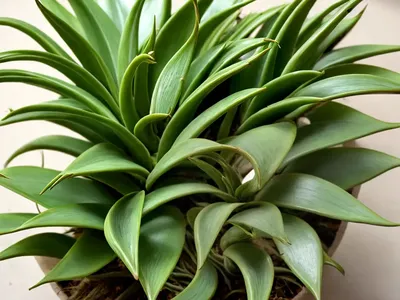
Lavender Scallops (Bryophyllum Fedtschenkoi)
Plants are an integral part of our natural world, providing beauty, sustenance, and important ecosystem services. One such intriguing plant is the Lavender.
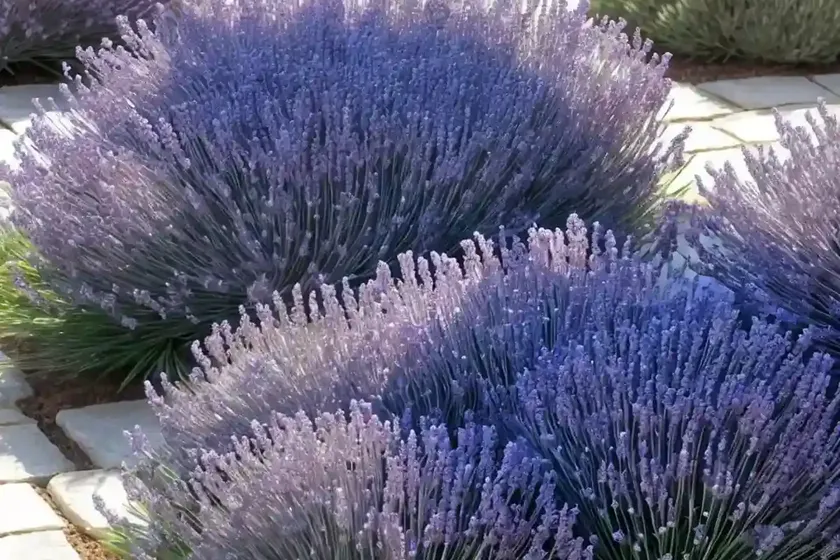
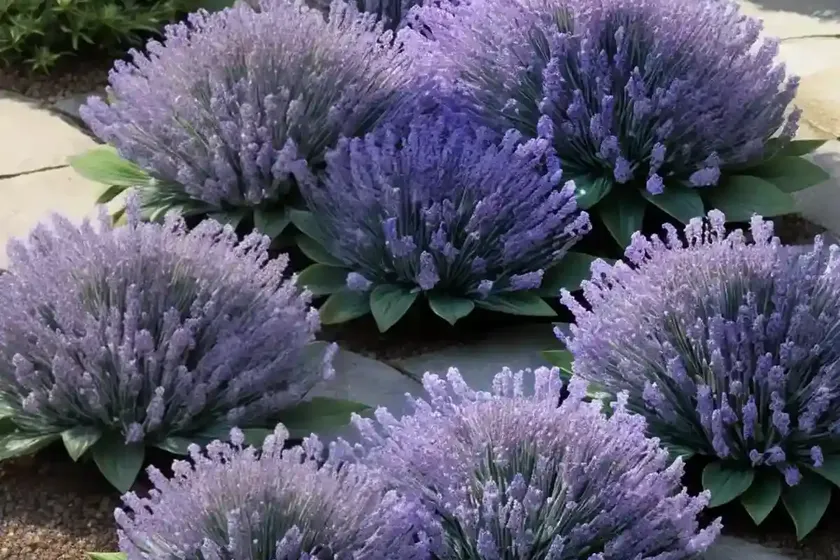
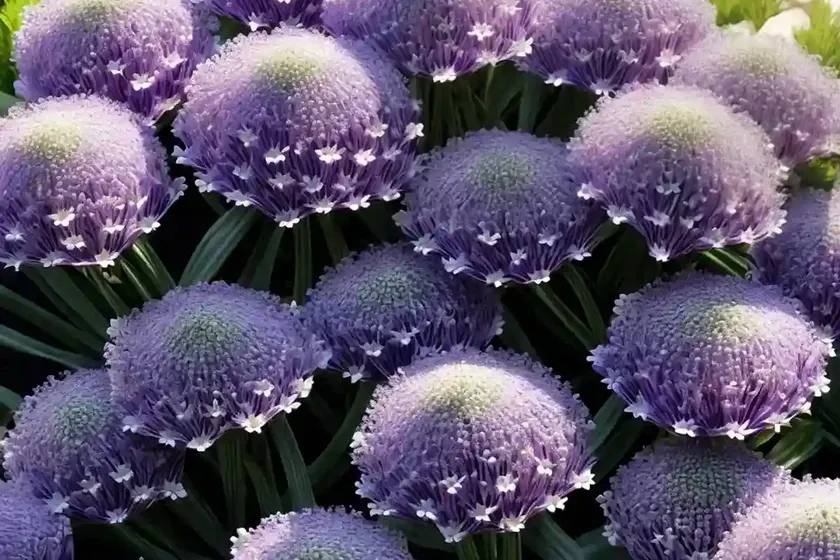
Plants are an integral part of our natural world, providing beauty, sustenance, and important ecosystem services. One such intriguing plant is the Lavender Scallops, scientifically known as Bryophyllum fedtschenkoi. This plant is known for its unique appearance, ease of care, and numerous uses in landscaping and horticulture. In this comprehensive guide, we will delve into the world of Lavender Scallops, exploring its cultural significance, uses, care requirements, and more. Whether you are a seasoned plant enthusiast or a beginner looking to expand your green thumb, this blog post offers valuable insights and practical tips for maximizing the potential of Bryophyllum fedtschenkoi.
What is the Lavender Scallops Plant (Bryophyllum fedtschenkoi)?
Lavender Scallops is a visually striking succulent plant that belongs to the family Crassulaceae. Also known as the Lavender Pebbles, Lavender Dollor Plant or simply Fairy Crassula, this plant is native to Madagascar and is characterized by its unique scalloped leaf edges and vibrant foliage. The leaves are fleshy and have a distinctive lavender hue, with scalloped edges that give the plant its name.
Key Takeaways – Lavender Scallops (Bryophyllum fedtschenkoi)
Before delving into the specific aspects of caring for the Lavender Scallops, let’s touch upon the key takeaways to keep in mind:
- Scientific Name: Bryophyllum fedtschenkoi
- Common Names: Lavender Scallops, Lavender Pebbles, Lavender Dollor Plant, Fairy Crassula
- Family: Crassulaceae
Now, let’s explore the various facets of caring for and utilizing the Lavender Scallops plant.
Culture
Understanding the cultural requirements of the Lavender Scallops is crucial for ensuring its healthy growth and vitality. From the right environmental conditions to appropriate care practices, the following factors play a significant role in nurturing this distinctive plant.
Water
Proper watering is essential for the well-being of the Lavender Scallops. As a succulent plant, Bryophyllum fedtschenkoi is adapted to store water in its leaves, allowing it to withstand periods of drought. However, it’s important to strike a balance, as overwatering can lead to root rot and other issues. Here are some key points to consider when watering the Lavender Scallops:
- Frequency: Water the plant when the top inch of the soil has dried out. In the growing season, typically spring and summer, this may mean watering every 7-10 days. In the dormant season, usually fall and winter, reduce watering to every 2-3 weeks.
- Method: Use a well-draining soil mix and allow excess water to drain out from the bottom of the pot to prevent waterlogging.
- Signs of Overwatering: If the leaves appear mushy or translucent, it’s a sign of overwatering. Adjust the watering schedule accordingly.
Sunlight
Proper sunlight exposure is crucial for the Lavender Scallops to thrive. This plant exhibits a preference for bright, indirect light, making it an excellent choice for indoor settings. Here’s what you need to know about providing adequate sunlight for Bryophyllum fedtschenkoi:
- Indoor Lighting: Place the plant near a bright, south-facing window where it can receive ample indirect sunlight throughout the day. A combination of morning and afternoon light is ideal.
- Outdoor Conditions: If growing the Lavender Scallops outdoors, ensure it is placed in a location that receives partial sunlight, especially during the hottest part of the day.
Fertilizer
Providing the right nutrients is essential for supporting the growth and resilience of the Lavender Scallops plant. A balanced approach to fertilization can help enhance the plant’s overall health and appearance. Consider the following tips for fertilizing Bryophyllum fedtschenkoi:
- Frequency: During the growing season, apply a diluted, balanced liquid fertilizer once a month to support the plant’s growth. Refrain from fertilizing during the dormant season.
- Fertilizer Type: Opt for a fertilizer specifically formulated for succulent plants, or use a general-purpose houseplant fertilizer diluted to half strength.
Soil
The choice of soil plays a critical role in creating a suitable growing environment for the Lavender Scallops. Well-draining, nutrient-rich soil is ideal for ensuring proper moisture levels and root health. Here’s what you need to know about the soil requirements for Bryophyllum fedtschenkoi:
- Composition: Use a well-draining soil mix formulated for succulent plants. A combination of potting soil, perlite, and coarse sand can create an ideal growing medium.
- Soil pH: Lavender Scallops thrive in slightly acidic to neutral soil conditions. Maintain a pH range of 6.0 to 7.0 for optimal growth.
Pruning
Occasional pruning can help maintain the shape and appearance of the Lavender Scallops, promoting a tidy and vibrant display. Additionally, removing dead or damaged growth supports the overall health of the plant. Here are some pruning tips for Bryophyllum fedtschenkoi:
- Frequency: Prune the plant as needed to remove leggy or damaged stems. Avoid excessive pruning, as the plant naturally maintains a compact and bushy form.
- Technique: Use clean, sharp pruning shears to make precise cuts, and ensure proper airflow within the plant to prevent disease or pest issues.
Propagation
The ability to propagate the Lavender Scallops allows enthusiasts to expand their collection and share the beauty of this plant with others. Understanding the various propagation methods is essential for successfully proliferating Bryophyllum fedtschenkoi. Let’s explore some common techniques for propagating Lavender Scallops:
- Leaf Cuttings: Take a healthy leaf from the plant and allow the cut end to callus for a day or two. Plant the leaf in a well-draining soil mix and keep it lightly moist until roots develop.
- Stem Cuttings: Select a healthy stem and cut it into sections, ensuring at least one leaf node on each cutting. Plant the cuttings in a soil mix and maintain adequate moisture until they root.
- Offshoots or Plantlets: Lavender Scallops produce plantlets along the edges of their leaves. These can be gently removed and planted in their own pots to establish new plants.
Container Popularity
The visually appealing and relatively compact nature of the Lavender Scallops makes it a popular choice for container gardening. Whether indoors or outdoors, this plant stands out as a striking addition to various container arrangements. Here’s why the Lavender Scallops is a popular choice for containers:
- Aesthetic Appeal: The unique foliage of the plant adds an intriguing visual element to container gardens, making it a focal point in indoor and outdoor settings.
- Space Efficiency: Its compact growth habit allows it to thrive in smaller containers, making it suitable for urban or space-restricted gardens.
Common Diseases
While the Lavender Scallops is a relatively resilient plant, it may be susceptible to certain pests and diseases. Being aware of common issues and their preventive measures is crucial for maintaining the plant’s health. Let’s explore some of the common diseases that can affect Bryophyllum fedtschenkoi:
- Root Rot: Overwatering or poorly draining soil can lead to root rot in the Lavender Scallops. To prevent this, ensure proper water management and provide a well-draining soil mix.
- Powdery Mildew: This fungal disease can manifest as white, powdery spots on the leaves. To prevent powdery mildew, maintain good air circulation and avoid overhead watering.
Disease Diagnosis
Diagnosing diseases in the Lavender Scallops involves observing the plant for signs of distress and addressing any issues promptly. Here are some key diagnostic steps for identifying and addressing diseases in Bryophyllum fedtschenkoi:
- Visual Inspection: Regularly inspect the plant for any abnormalities such as discolored leaves, unusual spots, or overall wilting.
- Research and Consultation: Use reliable resources and seek advice from experienced gardeners or plant specialists to identify specific symptoms and appropriate remedies.
Common Pests
Pest infestations can pose a threat to the health and appearance of the Lavender Scallops. Being proactive in pest management and understanding common pests can help prevent and address issues effectively. Let’s take a look at some of the common pests that may affect Bryophyllum fedtschenkoi:
- Aphids: These tiny insects can cluster on the undersides of leaves, sucking sap from the plant. Use insecticidal soap or a strong jet of water to dislodge aphids from the plant.
- Mealybugs: Mealybugs appear as small, white, cottony masses on the plant. Remove mealybugs by hand, and use neem oil or insecticidal soap to control infestations.
Botanist’s Tips
As a plant scientist, I would like to share some additional tips for the care of Lavender Scallops based on scientific knowledge and practical experience. These insights can help enthusiasts maximize the potential of Bryophyllum fedtschenkoi:
- Maintain Airflow: Adequate air circulation is crucial for preventing disease issues in the Lavender Scallops. Position the plant in an area with good airflow, and avoid overcrowding it with other plants.
- Observation and Maintenance: Regularly observe the plant for any signs of stress or pest activity, and address issues promptly to maintain its health and vigor.
- Responsive Care: Pay attention to the plant’s response to care practices, such as watering and sunlight exposure. Adjust care routines based on the plant’s feedback for optimal results.
Fun Facts
To further appreciate the charm and appeal of the Lavender Scallops, here are some intriguing and lesser-known facts about this remarkable plant:
- Medicinal Uses: In traditional medicine practices, the juice of Bryophyllum fedtschenkoi leaves has been used to aid in alleviating conditions such as coughs and inflammation.
- Edible Qualities: While caution should be exercised, as with any consumption of plant material, some cultures have used Lavender Scallops leaves in culinary preparations, after appropriate processing.
- Air Purification: Like many other succulent plants, the Lavender Scallops contributes to indoor air quality by removing toxins and emitting oxygen, enhancing the overall ambiance of indoor spaces.
Links to External Resources
For further exploration and detailed information on Lavender Scallops and succulent plant care, consider the following external resources:
- Succulent Plant Care Guide: This comprehensive guide provides valuable insights into caring for a wide variety of succulent plants, including the Lavender Scallops.
- Gardening Forums and Communities: Engaging with gardening forums and communities can offer a wealth of knowledge and practical tips from experienced gardeners and plant enthusiasts.
As we conclude this deep dive into the world of the Lavender Scallops (Bryophyllum fedtschenkoi), it’s evident that this plant offers not only visual beauty but also an array of practical uses and a fascinating cultural history. Whether adorning indoor spaces with its charming presence or being utilized in landscaping and horticulture, the Lavender Scallops holds a special place in the world of plants.
By understanding and implementing the key care tips and cultural practices discussed in this guide, enthusiasts can cultivate healthy, vibrant Lavender Scallops plants, and cherish the delightful qualities they bring to their spaces. As a plant scientist, I encourage all plant enthusiasts to continue learning, experimenting, and sharing their passion for plants, fostering a deeper appreciation for the natural world and the remarkable diversity of plant life.
In the wise words of Luther Burbank, “Flowers always make people better, happier, and more helpful; they are sunshine, food, and medicine to the soul.” Let the Lavender Scallops brighten your world and inspire your green pursuits!
Now that you’ve learned all about Lavender Scallops care, tips, and fun facts, you’re well-equipped to embark on your journey of plant parenthood. If you need further assistance, don’t hesitate to reach out. Happy gardening!
Note: The information provided in this article is for educational and informational purposes only. It is important to consult local plant experts and reliable resources for specific care advice tailored to your unique growing conditions.