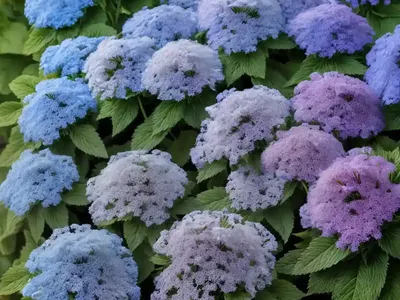
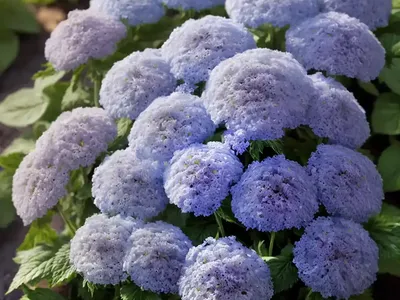
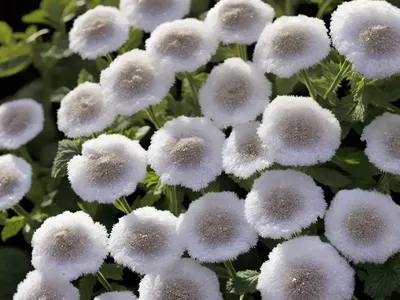
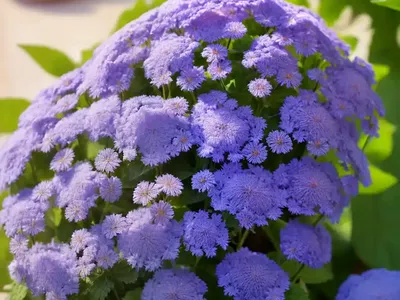
Ageratum Houstonianum ‘White Bouquet’ (Floss Flower)
Ageratum houstonianum ‘White Bouquet,’ commonly known as Floss Flower, is a beautiful and versatile plant that can be a valuable addition to any garden or.
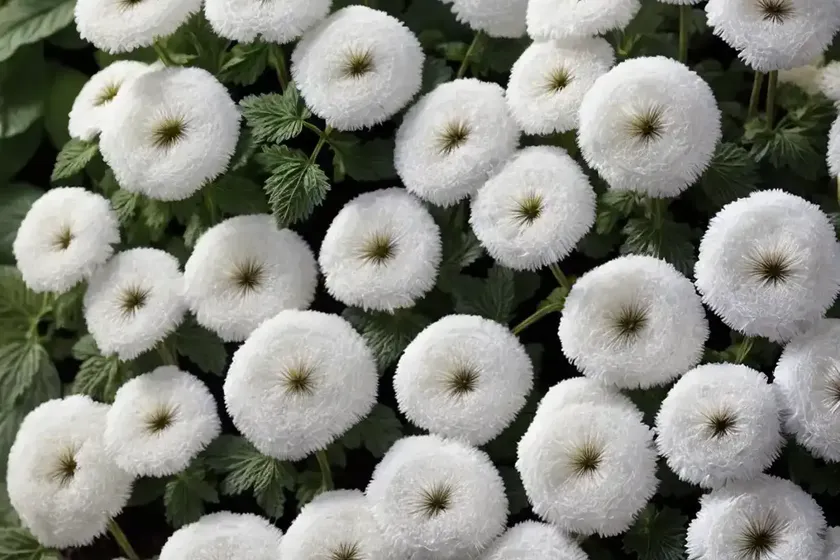
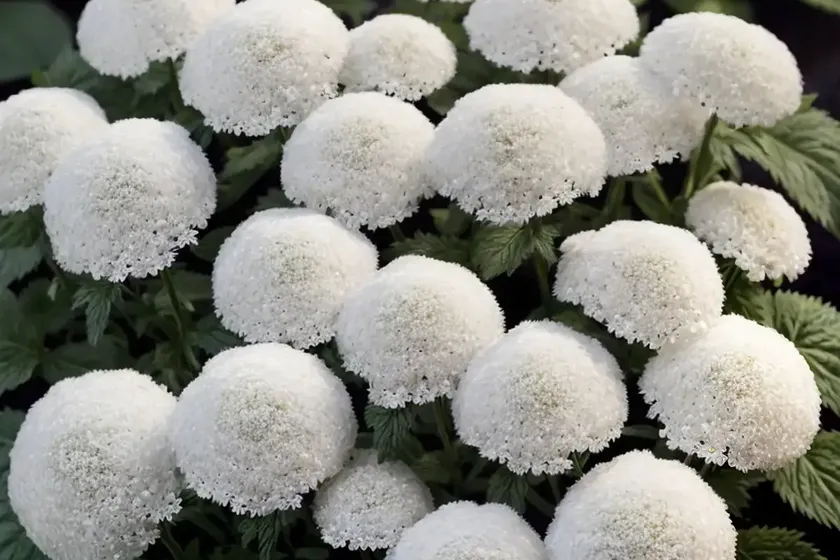
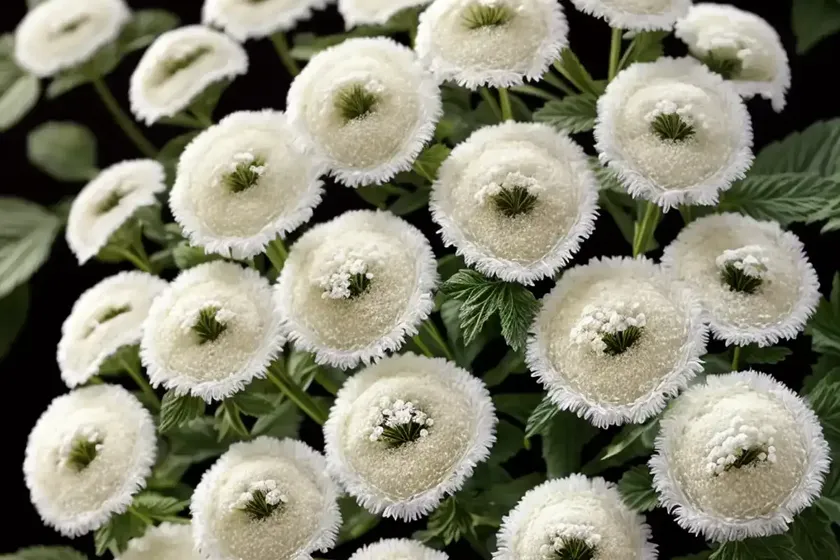
Ageratum houstonianum ‘White Bouquet,’ commonly known as Floss Flower, is a beautiful and versatile plant that can be a valuable addition to any garden or landscape. This guide aims to provide a detailed overview of this plant, covering its characteristics, cultivation, uses, and maintenance. Whether you are a seasoned gardener or a beginner looking to enhance your green space, this comprehensive resource will equip you with the knowledge needed to nurture and appreciate this lovely plant.
What is Ageratum houstonianum ‘White Bouquet’ (Floss Flower)?
Ageratum houstonianum ‘White Bouquet’ is a cultivar of Ageratum houstonianum, a species commonly referred to as Floss Flower. Belonging to the Asteraceae family, this herbaceous annual is native to Mexico and Central America. It is renowned for its clusters of small, fluffy flowers, which come in various shades of blue, pink, and white.
Ageratum houstonianum ‘White Bouquet’ Nomenclature
- Common Name: Floss Flower
- Botanical Name: Ageratum houstonianum ‘White Bouquet’
- Cultivar: ‘White Bouquet’
- Family: Asteraceae
- Origin: Mexico, Central America
Key Takeaways – Ageratum houstonianum ‘White Bouquet’ (Floss Flower)
Before delving deep into the intricacies of Ageratum houstonianum ‘White Bouquet,’ let’s highlight a few key takeaways about this delightful plant.
- Ageratum houstonianum ‘White Bouquet’ is a cultivar of the Ageratum houstonianum species.
- It is also known as Floss Flower, owing to the delicate and fuzzy appearance of its blooms.
- This plant is prized for its clusters of small, fluffy, white flowers.
- Ageratum houstonianum ‘White Bouquet’ belongs to the Asteraceae family and is native to Mexico and Central America.
Now that we have laid the groundwork, let’s explore the various facets of Ageratum houstonianum ‘White Bouquet,’ including its cultural requirements, uses, maintenance, and more.
Culture of Ageratum houstonianum ‘White Bouquet’
Understanding the cultural requirements of Ageratum houstonianum ‘White Bouquet’ is crucial for successfully cultivating and nurturing this plant. From water and sunlight needs to soil preferences and pruning techniques, here’s a comprehensive overview of the cultural aspects of Floss Flower cultivation.
Water
Ageratum houstonianum ‘White Bouquet’ thrives in consistently moist, well-draining soil. However, it is essential to strike a balance and avoid overwatering, as excessive moisture can lead to root rot and other issues. Aim to water the plant when the soil surface feels dry to the touch, and water deeply to encourage strong root development.
Sunlight
When it comes to sunlight requirements, Ageratum houstonianum ‘White Bouquet’ favors full sun to partial shade. While it can tolerate some shade, providing the plant with at least 6 hours of sunlight daily is ideal for promoting strong, healthy growth and prolific flowering.
Fertilizer
Applying a balanced, all-purpose fertilizer can support the growth and blooming of Ageratum houstonianum ‘White Bouquet.’ Consider using a slow-release fertilizer during the planting stage, and supplement with periodic feedings during the growing season to provide the plant with essential nutrients for robust performance.
Soil
Ageratum houstonianum ‘White Bouquet’ thrives in well-draining, moderately fertile soil with a slightly acidic to neutral pH. Amending the soil with organic matter, such as compost or peat moss, can improve its texture and nutrient content, creating an optimal environment for the plant to flourish.
Pruning
Pruning Ageratum houstonianum ‘White Bouquet’ is relatively simple and primarily involves deadheading spent flowers to encourage continuous blooming. Regular deadheading not only maintains the plant’s tidy appearance but also prevents the formation of seeds, redirecting the plant’s energy into producing new flowers.
Uses of Ageratum houstonianum ‘White Bouquet’
The versatility of Ageratum houstonianum ‘White Bouquet’ extends beyond its ornamental value. This section explores the diverse uses of Floss Flower, shedding light on its practical and aesthetic applications in various settings.
Ornamental Purposes
One of the primary uses of Ageratum houstonianum ‘White Bouquet’ is its ornamental appeal. Whether used as a bedding plant, border edging, or container specimen, the delicate, white blooms of this cultivar add a touch of elegance to gardens, landscapes, and floral arrangements. Its compact growth habit and profuse flowering make it a favored choice for adding charm and visual interest to outdoor spaces.
Pollinator Attraction
Ageratum houstonianum ‘White Bouquet’ is known to attract pollinators such as butterflies and bees, making it a valuable addition to pollinator gardens. By providing a nectar source for these beneficial insects, the plant contributes to ecological balance and biodiversity in the garden, while also enhancing the visual appeal with its fluttering visitors.
Indoor Décor
The cut flowers of Ageratum houstonianum ‘White Bouquet’ can also be utilized as decorative accents indoors, adorning vases and floral arrangements with their delicate, fluffy blooms. Their prolonged vase life makes them a popular choice for adding a touch of natural beauty to interiors, whether displayed alone or combined with other complementary flowers.
Medicinal and Herbal Uses
While primarily grown for ornamental purposes, some varieties of Ageratum houstonianum have been traditionally used in herbal medicine. White Bouquet Ageratum’s foliage is believed to possess medicinal properties and has been used in traditional remedies for various ailments, although its usage in contemporary medicine is limited and should be approached with caution and expert guidance.
Propagation of Ageratum houstonianum ‘White Bouquet’
Propagation is an essential aspect of Floss Flower cultivation, allowing gardeners to expand their plant collection, share specimens with others, or rejuvenate aging plants. Here are the key methods for propagating Ageratum houstonianum ‘White Bouquet.’
Seeds
One of the most common methods of propagating Ageratum houstonianum ‘White Bouquet’ is through seeds. By collecting ripe seed heads and sowing the seeds in a suitable growing medium, gardeners can germinate new plants and nurture them to maturity. It’s worth noting that this method allows for the establishment of true-to-type plants, ensuring that the characteristics of the parent plant are preserved in the offspring.
Cuttings
Propagation through stem cuttings is another viable option for obtaining new Ageratum houstonianum ‘White Bouquet’ plants. By taking stem cuttings from healthy, established plants and rooting them in a moist, well-draining medium, gardeners can produce clones of the parent plant, thereby expanding their stock of Floss Flower with genetically identical specimens.
Ageratum houstonianum ‘White Bouquet’ in Containers
The adaptability of Ageratum houstonianum ‘White Bouquet’ makes it well-suited for container cultivation, offering opportunities to incorporate this charming plant in various outdoor and indoor settings. Whether you have limited garden space or wish to embellish your patio, balcony, or interiors with floral beauty, here’s a guide to successfully growing Ageratum houstonianum ‘White Bouquet’ in containers.
Container Selection
When selecting a container for Ageratum houstonianum ‘White Bouquet,’ prioritize a vessel with adequate drainage holes to prevent waterlogging. Opt for a container that accommodates the plant’s root system while allowing for sufficient airflow around the roots. Consider the aesthetic appeal of the container as well, as it should complement the charming blooms of Floss Flower.
Potting Mix
Choosing a high-quality, well-draining potting mix is crucial for container-grown Ageratum houstonianum ‘White Bouquet.’ A mix formulated for annuals or flowering plants, enriched with organic matter for nutrition and moisture retention, can provide the ideal growing medium for the plant to thrive in a container environment.
Watering and Maintenance
When growing Ageratum houstonianum ‘White Bouquet’ in containers, consistent moisture is vital for the plant’s well-being. Regular watering to keep the potting mix evenly moist, without becoming waterlogged, is essential. Additionally, monitor the plant for any signs of stress, pests, or diseases, and provide appropriate care as needed to maintain its health and vigor.
Sunlight Requirements
Position the containers of Ageratum houstonianum ‘White Bouquet’ in a location that receives adequate sunlight, whether it’s a sunny patio, balcony, or an indoor area with ample natural light. Ensure that the plant receives at least 6 hours of sunlight daily for robust growth and abundant flowering, adjusting its placement as needed to optimize sunlight exposure.
Popularity of Ageratum houstonianum ‘White Bouquet’
Ageratum houstonianum ‘White Bouquet’ has garnered popularity among gardeners, landscapers, and floral enthusiasts owing to its enchanting blooms, versatility, and ease of cultivation. This section delves into the factors contributing to the widespread popularity of Floss Flower and the reasons behind its appeal in diverse horticultural contexts.
Garden and Landscape Use
The compact growth habit, profusion of delicate white flowers, and adaptability to various growing conditions make Ageratum houstonianum ‘White Bouquet’ a favored choice for enhancing garden beds, borders, and landscape compositions. Its visual appeal, low maintenance requirements, and ability to attract beneficial insects contribute to its popularity as a go-to ornamental plant.
Floral Design and Cut Flower Industry
The long-lasting, fluffy blooms of Ageratum houstonianum ‘White Bouquet’ find ample use in floral design and the cut flower industry. Their delicate appearance, durability, and compatibility with other flowers make them a sought-after element in bouquets, centerpieces, and assorted arrangements, adding a touch of elegance and charm to floral creations.
Container Gardening
The suitability of Ageratum houstonianum ‘White Bouquet’ for container cultivation has also played a role in its popularity. Its ability to thrive in pots and planters, whether displayed on patios, balconies, or indoors, has made it a favored choice for adding color and allure to container gardens, even in spaces with limited ground area.
Versatility and Adaptability
Ageratum houstonianum ‘White Bouquet’ exhibits versatility and adaptability in various horticultural scenarios, making it appealing to a wide audience of gardeners, landscapers, and plant enthusiasts. Its capacity to thrive in different soil types, its tolerance of partial shade, and its compatibility with companion plants further enhance its appeal and make it a valuable addition to diverse landscapes and garden designs.
Common Diseases of Ageratum houstonianum ‘White Bouquet’
While Ageratum houstonianum ‘White Bouquet’ is generally robust and resistant to many pests and diseases, it may occasionally face certain health issues that warrant attention. Understanding the common diseases that can affect Floss Flower is essential for prompt identification and effective management.
Disease Diagnosis
-
Powdery Mildew: A fungal disease that manifests as white, powdery spots on the leaves, stems, and flowers of Ageratum houstonianum ‘White Bouquet.’ It thrives in humid conditions and can weaken the plant if not addressed.
-
Botrytis Blight: Also known as gray mold, this fungal disease causes grayish-brown lesions on the leaves, stems, and flowers of the plant. It thrives in damp, cool conditions and can lead to rapid deterioration of affected plant parts.
Disease Prevention and Management
Preventing common diseases in Ageratum houstonianum ‘White Bouquet’ involves maintaining good cultural practices, such as providing proper air circulation, avoiding overwatering, and minimizing humidity around the plant. If signs of disease appear, promptly remove and dispose of affected plant parts, and consider applying appropriate fungicidal treatments to curb the spread of the disease.
Common Pests Affecting Ageratum houstonianum ‘White Bouquet’
While Ageratum houstonianum ‘White Bouquet’ is relatively resistant to many pests, it may still encounter occasional insect infestations that can impact its health and appearance. Familiarizing yourself with the common pests that may affect Floss Flower is important for early detection and effective pest management.
Pest Identification
- Aphids: Small, soft-bodied insects that may congregate on the tender growth tips and undersides of leaves, sucking sap from the plant and causing distortion and discoloration.
- Spider Mites: Tiny arachnids that produce fine webbing on the foliage of plants, and can cause stippling, yellowing, and premature leaf drop when feeding on Ageratum houstonianum ‘White Bouquet.’
- Whiteflies: Tiny, white, fly-like insects that may hover around the plant and feed on its sap, potentially causing yellowing, wilting, and reduced vigor in affected plants.
Pest Control
Controlling common pests affecting Ageratum houstonianum ‘White Bouquet’ can involve several strategies, including physical removal of pests, such as with a strong blast of water, the application of horticultural oils or insecticidal soaps, and the introduction of natural predators. Regular monitoring and early intervention can help manage pest populations before they cause substantial damage to the plant.
Botanist’s Tips for Growing Ageratum houstonianum ‘White Bouquet’
As a plant scientist, I have gathered invaluable insights and practical tips for successfully cultivating Ageratum houstonianum ‘White Bouquet.’ Drawing upon my expertise and experience, I’ve compiled a list of essential recommendations to help gardeners achieve optimal results when growing this charming cultivar.
1. Select a Well-Draining Site
When planting Ageratum houstonianum ‘White Bouquet,’ choose a location with well-draining soil to prevent waterlogging, as excessive moisture can lead to root rot and other complications.
2. Monitor Moisture Levels
Regularly assess the moisture levels in the soil around Ageratum houstonianum ‘White Bouquet’ to ensure that it remains consistently moist but not saturated, adjusting your watering frequency as needed based on environmental conditions.
3. Deadhead Spent Blooms
Deadheading spent flowers encourages continuous blooming in Ageratum houstonianum ‘White Bouquet,’ promoting a longer display of its charming white clusters and preventing the diversion of energy towards seed production.
4. Promote Air Circulation
Ensure adequate air circulation around Ageratum houstonianum ‘White Bouquet’ by spacing plants appropriately, as good airflow helps prevent the onset of certain fungal diseases, such as powdery mildew.
5. Introduce Beneficial Insects
Encouraging the presence of beneficial insects, such as ladybugs and lacewings, can naturally help control pest populations affecting Ageratum houstonianum ‘White Bouquet,’ minimizing the need for chemical insecticides.
6. Consider Companion Planting
Pairing Ageratum houstonianum ‘White Bouquet’ with compatible companion plants can create visually appealing and ecologically beneficial garden combinations, such as attracting pollinators and repelling certain pests.
7. Seek Proper Diagnosis
In the event of unusual symptoms or plant distress, seek professional help to accurately diagnose and address any diseases or pest issues affecting Ageratum houstonianum ‘White Bouquet,’ ensuring the health and vitality of the plant.
Fun Facts about Ageratum houstonianum ‘White Bouquet’
Embark on an adventure of discovery as we uncover fascinating and delightful fun facts about Ageratum houstonianum ‘White Bouquet’ (Floss Flower), shedding light on its unique characteristics, interactions with nature, and enriching qualities that make it an exceptional botanical treasure.
-
Fragrant Foliage: While renowned for its charming white blooms, Ageratum houstonianum ‘White Bouquet’ also emits a pleasant, mild fragrance from its foliage, contributing to its allure not only visually but also aromatically.
-
Deer Resistance: Ageratum houstonianum ‘White Bouquet’ exhibits resistance to deer browsing, making it a valuable addition to gardens and landscapes in areas prone to deer activity.
-
Attractive to Butterflies: The delicate, fluffy blossoms of Ageratum houstonianum ‘White Bouquet’ are particularly appealing to butterflies, enriching garden spaces with their fluttering presence and ecological contributions.
-
Drought Tolerance: While benefiting from consistent moisture, Ageratum houstonianum ‘White Bouquet’ displays a degree of drought tolerance, enabling it to withstand periods of reduced water availability.
-
Winter Care: In regions with cold winters, Ageratum houstonianum ‘White Bouquet’ may benefit from protective measures such as mulching to safeguard its roots and provide insulation during winter dormancy.
-
Traditional Medicinal Use: In some cultural traditions, Ageratum houstonianum has been used for its medicinal properties, although it is crucial to approach its potential medicinal uses with caution and seek expert guidance and validation.
These fun facts provide a glimpse into the captivating nature of Ageratum houstonianum ‘White Bouquet,’ showcasing its multifaceted appeal and the distinctive traits that contribute to its charm and value.
Links to External Resources
For further exploration and in-depth information on Ageratum houstonianum ‘White Bouquet’ (Floss Flower), consider accessing the following external resources:
-
Ageratum houstonianum ‘White Bouquet’ – Missouri Botanical Garden
-
Ageratum houstonianum ‘White Bouquet’ – Royal Horticultural Society
-
Ageratum houstonianum: An Ornamental – Purdue University Cooperative Extension Service
-
Ageratum houstonianum L. – University of Florida IFAS Extension
These esteemed institutions and organizations provide valuable insights, cultivation guidelines, and additional resources for enthusiasts, professionals, and researchers interested in Ageratum houstonianum ‘White Bouquet’ and its horticultural significance.
In conclusion, the enchanting Ageratum houstonianum ‘White Bouquet’ (Floss Flower) stands as a captivating symbol of timeless beauty and botanical sophistication, offering a plethora of ornamental and ecological contributions. Whether adorning garden beds, container displays, or floral designs, this delightful cultivar continues to weave its charm into the fabric of horticultural enjoyment and appreciation, enriching landscapes and hearts alike.
As we embrace the captivating allure of Ageratum houstonianum ‘White Bouquet,’ may we