Ageratum Houstonianum ‘Blue Horizon’ (Floss Flower)
Ageratum houstonianum, commonly known as the Floss Flower, is a popular annual plant that belongs to the Asteraceae family. It is cherished for its.
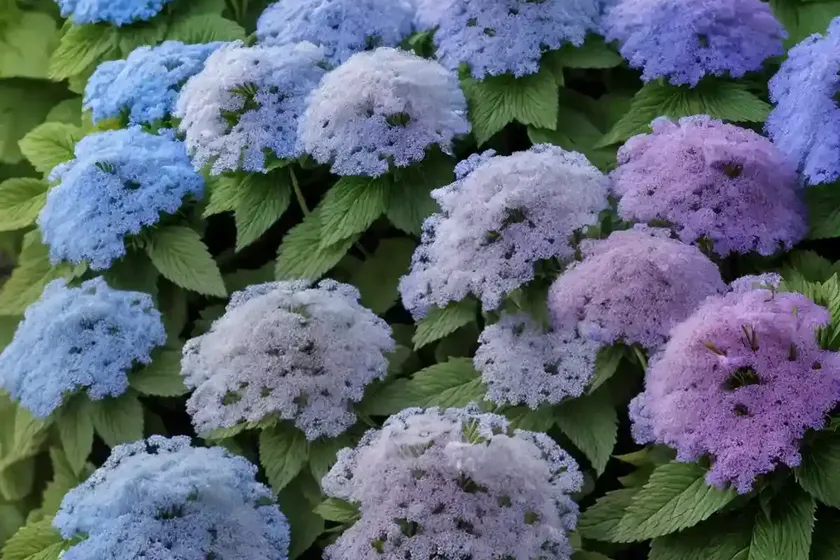
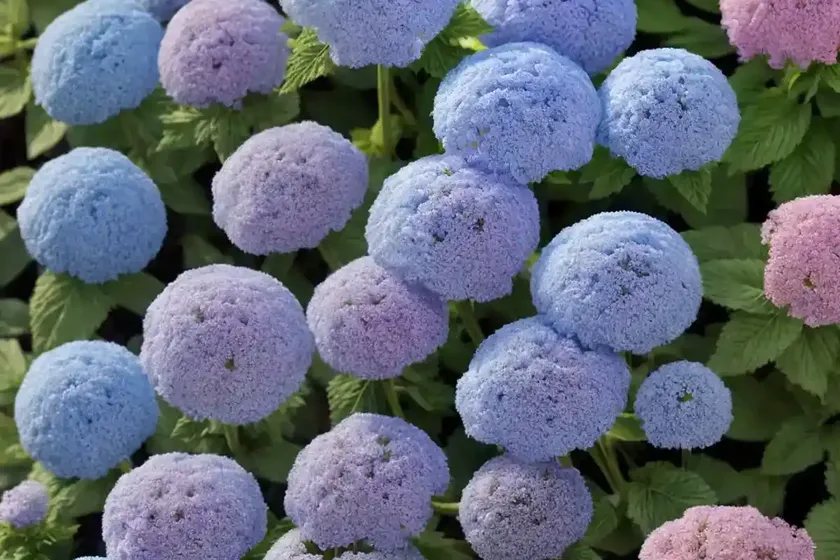
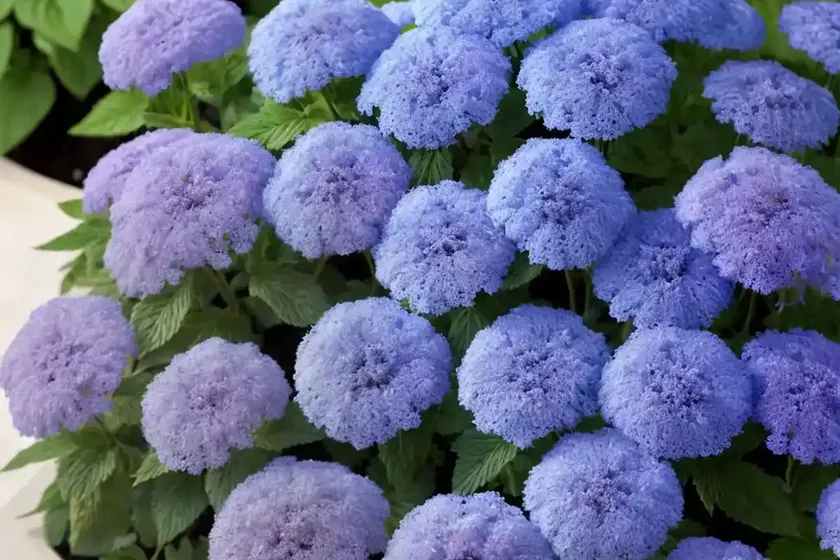
Ageratum houstonianum, commonly known as the Floss Flower, is a popular annual plant that belongs to the Asteraceae family. It is cherished for its delicate, fuzzy blooms that come in various shades of blue, which give a beautiful, soft appearance to gardens and landscapes. In this comprehensive guide, we will delve into the various aspects of caring for Ageratum houstonianum ‘Blue Horizon’, from its cultivation and uses to its management, ensuring that you can cultivate and appreciate this charming plant to its fullest potential.
What is Ageratum houstonianum ‘Blue Horizon’ (Floss Flower)?
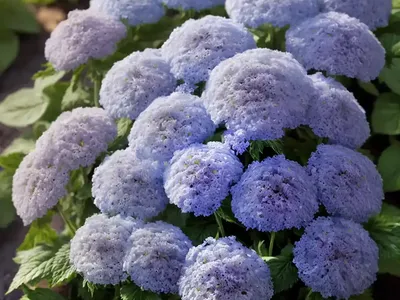
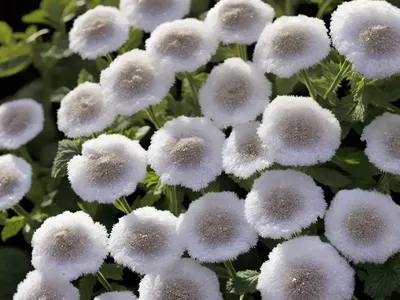
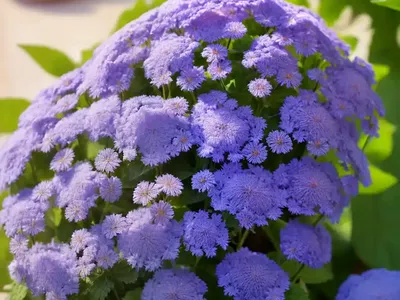
Ageratum houstonianum ‘Blue Horizon’, or the Floss Flower, is a compact, bushy annual plant that typically reaches heights of 6 to 24 inches. It is characterized by its fine, oval-shaped, fuzzy leaves and clusters of small, fluffy flowers in shades of blue, which can also sometimes appear in pink or white. The name “Floss Flower” is derived from the fine, hair-like texture of the blooms.
Key Takeaways – Ageratum houstonianum ‘Blue Horizon’ (Floss Flower)
Culture
- Ageratum houstonianum ‘Blue Horizon’ is an annual plant known for its distinctive blue, pink, or white fuzzy flowers.
- It is typically grown in flower beds, borders, and containers, making it a versatile addition to gardens and landscapes.
- This plant thrives in well-draining soil and requires regular watering to maintain soil moisture.
Uses
- Ageratum houstonianum ‘Blue Horizon’ is primarily cultivated for ornamental purposes, adding color and texture to gardens, landscapes, and floral arrangements.
- It is also known for attracting pollinators, particularly butterflies, making it a valuable addition to pollinator-friendly gardens.
Water
- Ageratum houstonianum ‘Blue Horizon’ has moderate water needs and thrives in well-drained soil. It is essential to avoid overwatering to prevent root rot and other water-related issues.
Sunlight
- This plant prefers full sun to partial shade, requiring at least 6 hours of sunlight daily for optimal growth and flowering.
Fertilizer
- Regular fertilization with a balanced, all-purpose fertilizer can promote healthy growth and abundant flowering in Ageratum houstonianum ‘Blue Horizon’.
Soil
- Well-draining, fertile soil with a slightly acidic to neutral pH is ideal for Ageratum houstonianum ‘Blue Horizon’. Amending the soil with organic matter can enhance its overall quality.
Pruning
- Deadheading spent blooms and light pruning can help maintain the plant’s appearance and encourage continuous flowering throughout the growing season.
Propagation
- Ageratum houstonianum ‘Blue Horizon’ can be propagated from seeds, providing an economical and straightforward method for obtaining new plants.
Container Popularity
- The compact growth habit and colorful blooms of Ageratum houstonianum ‘Blue Horizon’ make it well-suited for container gardening, adding vibrant accents to patios, balconies, and outdoor spaces.
Common Diseases
- Ageratum houstonianum ‘Blue Horizon’ is susceptible to certain fungal diseases, such as powdery mildew and damping off, especially in humid conditions or overly wet soil.
Disease Diagnosis
- Recognizing common symptoms of fungal diseases, such as white powdery patches on leaves or wilting, can prompt timely interventions to prevent the spread of infections.
Common Pests
- Aphids and spider mites are among the common pests that may infest Ageratum houstonianum ‘Blue Horizon’, potentially causing damage to the foliage and overall plant health.
With these key takeaways in mind, let’s explore the various aspects of caring for Ageratum houstonianum ‘Blue Horizon’ in more detail.
Ageratum houstonianum ‘Blue Horizon’ (Floss Flower) Care
Water
Ageratum houstonianum ‘Blue Horizon’ plants have moderate water needs and thrive in well-drained soil. The soil should be kept consistently moist but not waterlogged. Overwatering can lead to issues such as root rot and fungal diseases. It is essential to water the plants at the base to keep the foliage dry, as moisture on the leaves can contribute to the development of fungal infections.
Sunlight
For optimal growth and flowering, Ageratum houstonianum ‘Blue Horizon’ should be placed in an area that receives full sun to partial shade. It is recommended to provide the plants with at least 6 hours of sunlight daily. In hotter regions, providing partial shade during the afternoon can help prevent sunscald and heat stress.
Fertilizer
Regular fertilization can contribute to the overall health and vigor of Ageratum houstonianum ‘Blue Horizon’ plants. A balanced, all-purpose fertilizer can be applied every 4-6 weeks during the growing season to promote continuous flowering and robust growth. It is crucial to follow the manufacturer’s recommendations regarding application rates to avoid over-fertilizing the plants.
Soil
Ageratum houstonianum ‘Blue Horizon’ thrives in well-draining, fertile soil with a slightly acidic to neutral pH. Prior to planting, amending the soil with organic matter, such as compost or well-rotted manure, can enhance its structure and nutrient content. Additionally, ensuring good drainage is essential to prevent waterlogging, which can lead to root problems and fungal diseases.
Pruning
Pruning Ageratum houstonianum ‘Blue Horizon’ involves removing spent blooms and cutting back straggly or leggy growth. Deadheading the plants can encourage continuous flowering, while light pruning can help maintain a compact, bushy form. It is advisable to use clean, sharp pruners to make precise cuts and minimize the risk of causing damage to the plants.
Propagation
Ageratum houstonianum ‘Blue Horizon’ can be propagated from seeds, making it a cost-effective and straightforward method for obtaining new plants. To propagate via seeds:
1. Collect mature seeds from the dried flower heads.
2. Sow the seeds in a seed-starting mix, lightly covering them with a thin layer of soil.
3. Keep the soil consistently moist and provide warmth and adequate light for germination to occur.
4. Once the seedlings have developed several sets of true leaves, they can be transplanted into individual containers or outdoor growing sites.
Container Popularity
The compact growth habit and vibrant, colorful blooms of Ageratum houstonianum ‘Blue Horizon’ make it a popular choice for container gardening. When growing Ageratum houstonianum in containers, consider the following tips:
– Use well-draining potting mix to ensure proper water retention and aeration for the plants.
– Select appropriately sized containers that provide ample space for root growth and stability.
– Place the containers in locations that receive adequate sunlight and offer protection from strong winds or extreme temperatures.
Common Diseases
Ageratum houstonianum ‘Blue Horizon’ is susceptible to certain fungal diseases, including powdery mildew and damping off. These diseases can be managed and prevented through various cultural practices:
– Providing adequate air circulation around the plants can help minimize the risk of fungal infections.
– Avoiding overhead watering and watering at the base of the plants can reduce moisture on the foliage, thereby lowering the likelihood of fungal issues.
– Monitoring the plants regularly for signs of disease and promptly addressing any concerns can aid in early intervention.
Disease Diagnosis
Diagnosing common diseases in Ageratum houstonianum ‘Blue Horizon’ involves recognizing typical symptoms and patterns associated with fungal infections. Key signs of fungal diseases in Floss Flowers include:
– Powdery, white patches on the leaves and stems, indicative of powdery mildew.
– Seedlings that wilt and collapse at the soil line, characteristic of damping off.
Upon observing such symptoms, it is crucial to take proactive measures to mitigate the spread of disease and protect the overall health of the plants.
Common Pests
Ageratum houstonianum ‘Blue Horizon’ is vulnerable to infestations by various pests, such as aphids and spider mites. These pests can cause damage to the foliage, leading to stunted growth and reduced flowering. To manage pest issues effectively:
– Regularly inspect the plants for signs of pest activity, such as distorted leaves, webbing, or discoloration.
– Employ natural predators, such as ladybugs or lacewings, to help control aphid populations in a non-toxic manner.
– Consider using gentle insecticidal soaps or horticultural oils to manage spider mites and other soft-bodied pests while minimizing harm to beneficial insects.
By implementing these preventative measures, you can safeguard Ageratum houstonianum ‘Blue Horizon’ from pest-related damage and maintain its vitality.
Ageratum houstonianum ‘Blue Horizon’ (Floss Flower) Planting Tips
Companion Plants
When selecting companion plants for Ageratum houstonianum ‘Blue Horizon’, consider species that complement its growth habits and aesthetic qualities. Suitable companion plants for Floss Flowers include:
– Marigolds (Tagetes spp.): These vibrant annuals provide contrasting colors and textures, enhancing the visual appeal of garden beds and containers.
– Petunias (Petunia spp.): With their trailing or mounded growth habits and diverse color options, petunias make excellent companions for Ageratum houstonianum, creating captivating floral displays.
– Zinnias (Zinnia spp.): These sun-loving annuals offer a rich array of colors and attract beneficial pollinators, adding vibrancy and biodiversity to mixed plantings.
When planning companion plantings, consider the specific sunlight, water, and soil requirements of the selected species to ensure harmonious coexistence and mutual benefit.
Landscape Use
Ageratum houstonianum ‘Blue Horizon’ can be utilized in various landscape settings to add color, texture, and ecological value. Some landscape uses include:
– Garden Borders: Create striking borders and edging by incorporating Floss Flowers alongside other annuals, perennials, or shrubs, enhancing the visual impact of garden spaces.
– Mass Plantings: Planting Ageratum houstonianum ‘Blue Horizon’ en masse can create stunning swaths of color, particularly when combined with different flower varieties or complementary shades.
– Pollinator Gardens: Utilize Floss Flowers as a part of pollinator-friendly garden designs to attract butterflies, bees, and other beneficial insects, contributing to biodiversity and ecological balance.
By incorporating Ageratum houstonianum ‘Blue Horizon’ into landscape designs, you can elevate the aesthetic appeal and ecological functionality of outdoor spaces.
Winter Care
In regions with frost or freezing temperatures, providing appropriate winter care for Ageratum houstonianum ‘Blue Horizon’ is essential to protect the plants from cold-related stress and damage. Winter care practices for Floss Flowers include:
– Mulching: Apply a layer of organic mulch around the base of the plants to insulate the roots and preserve soil moisture during winter.
– Pruning: Trim back any dead or decaying foliage to promote a tidy appearance and prevent potential disease issues during the dormant season.
– Covering: In colder climates, consider covering Ageratum houstonianum ‘Blue Horizon’ with frost blankets or protective cloths during freezing nights to shield the plants from frost damage.
Taking proactive measures to care for Ageratum houstonianum ‘Blue Horizon’ during the winter months can help ensure the plants’ survival and vigor when the growing season resumes.
Fun Facts About Ageratum houstonianum ‘Blue Horizon’
-
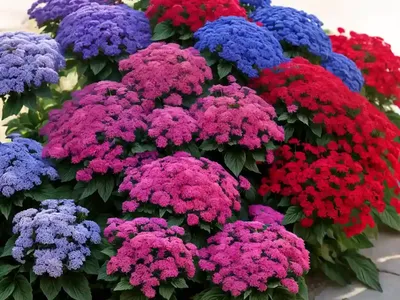
Color Varieties: While Ageratum houstonianum ‘Blue Horizon’ is predominantly known for its blue-hued blooms, cultivars and hybrids are available in an array of colors, including pink, white, and lavender, offering diverse options for garden aesthetics.
-
Historical Significance: The genus name “Ageratum” is derived from the Greek word “ageratos,” which translates to “ageless” or “long-lasting,” possibly alluding to the plant’s enduring qualities and extended blooming period.
-
Medicinal Folklore: In traditional herbal medicine, Ageratum houstonianum was used for various therapeutic purposes, including as a remedy for respiratory ailments and fevers, although contemporary use for such medicinal purposes is limited.
-
Wildlife Attraction: Floss Flowers are recognized for their ability to attract beneficial pollinators, particularly butterflies, making them valuable contributors to biodiversity and ecological balance in garden environments.
-
Global Distribution: Ageratum houstonianum is native to Central America and parts of South America, where it thrives in subtropical and tropical climates, exhibiting adaptability to different environmental conditions.
Ageratum houstonianum ‘Blue Horizon’, or the Floss Flower, exemplifies the beauty and versatility of annual plants, offering vibrant blooms, rich colors, and ecological significance in garden and landscape settings. By understanding and applying the care guidelines and insights provided in this comprehensive guide, you can cultivate and appreciate Ageratum houstonianum ‘Blue Horizon’ to its fullest potential, creating visually captivating displays and contributing to the ecological vitality of outdoor spaces.
Whether grown in flower beds, containers, or mixed plantings, the charm and appeal of Floss Flowers make them a cherished addition to diverse horticultural settings, enriching the visual landscape and fostering connections with nature. With its myriad uses, cultural significance, and aesthetic appeal, Ageratum houstonianum ‘Blue Horizon’ remains an enduring favorite among gardeners and enthusiasts, embodying the enduring allure of annual flowering plants.