Ageratum Houstonianum (Floss Flower)
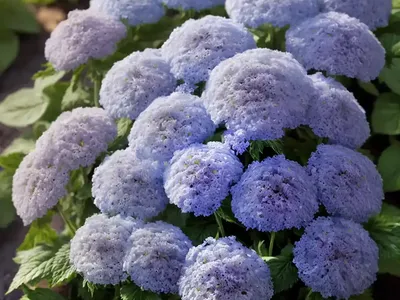
Ageratum houstonianum, commonly known as Floss Flower, is a delightful annual plant that belongs to the Asteraceae family. With its fluffy blue flowers and.
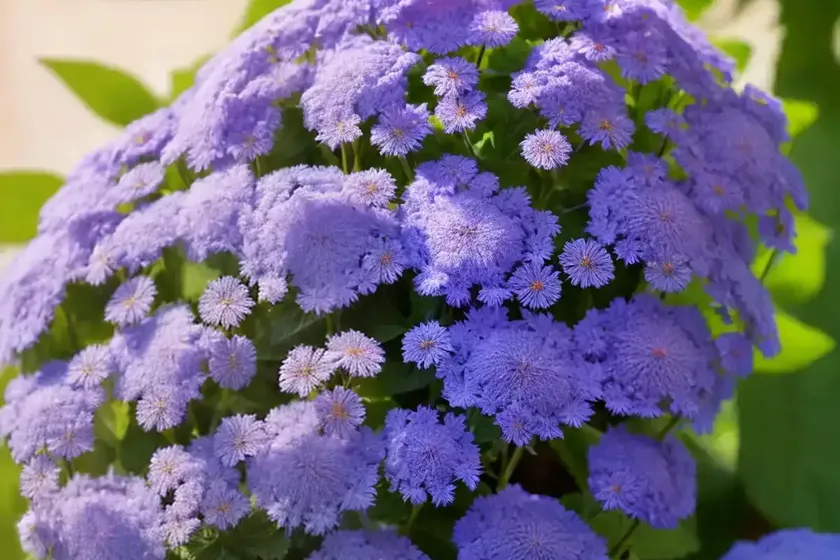
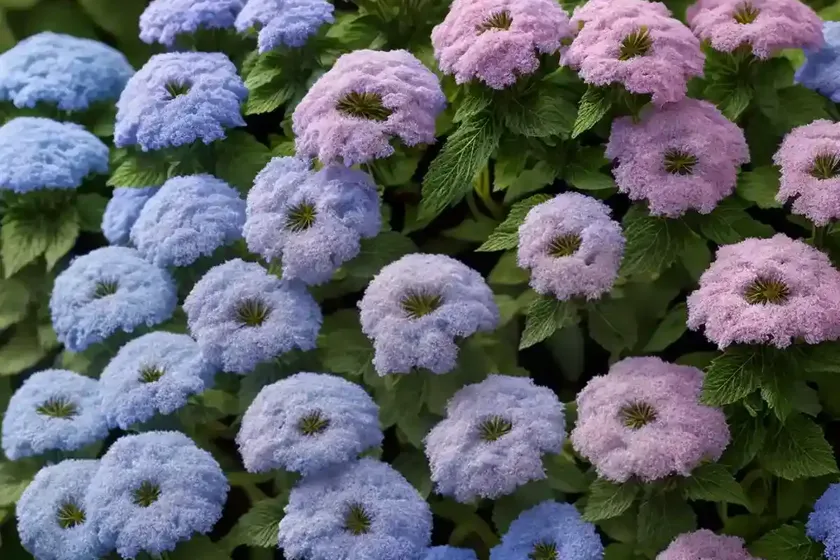
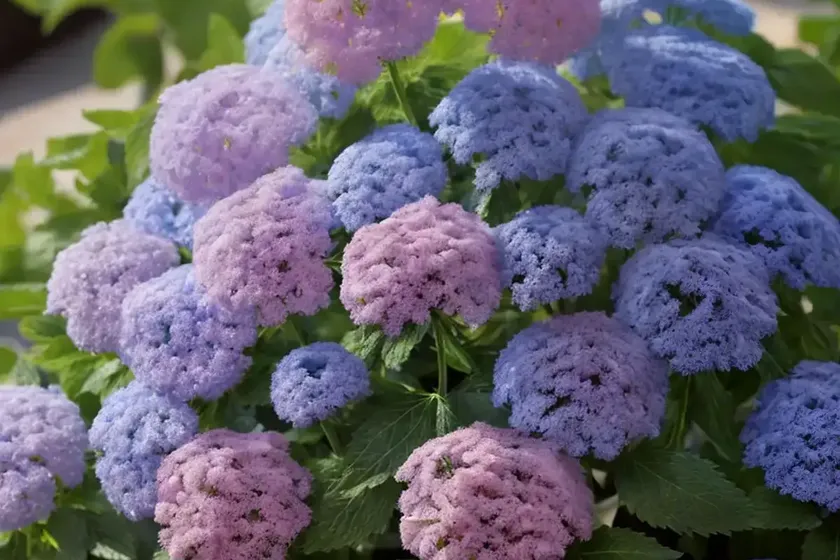
Ageratum houstonianum, commonly known as Floss Flower, is a delightful annual plant that belongs to the Asteraceae family. With its fluffy blue flowers and compact growth habit, Ageratum houstonianum adds a touch of charm to any garden or landscape. In this comprehensive guide, we will explore the various aspects of Ageratum houstonianum, from its cultural requirements and uses to its propagation techniques and common diseases. Additionally, we will delve into the fascinating characteristics of this plant and provide insights into its maintenance and care. Whether you are a gardening enthusiast or a professional horticulturist, this guide aims to equip you with the essential knowledge to cultivate and appreciate the beauty of Ageratum houstonianum.
What is Ageratum houstonianum (Floss Flower)?
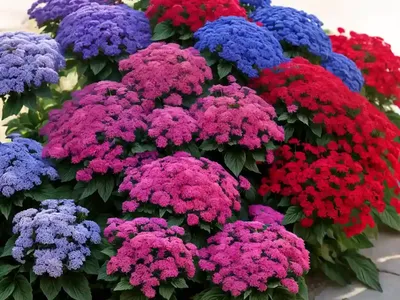
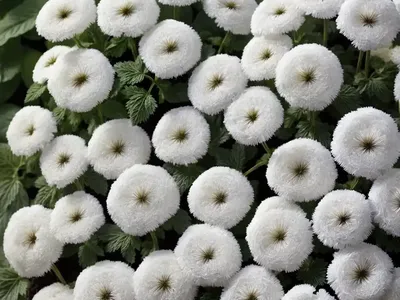
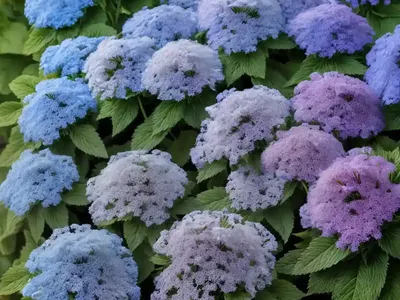
Ageratum houstonianum, often referred to as the Floss Flower, is a popular annual plant native to Mexico and Central America. It is widely cultivated for its showy, fluffy flower clusters and attractive foliage. This charming plant typically blooms in shades of blue, though cultivars with white, pink, and purple flowers are also available.
The genus name “Ageratum” is derived from the Greek words “a-” and “geras,” which translate to “not” and “aging,” respectively. This name alludes to the long-lasting nature of the flowers. The species epithet “houstonianum” pays tribute to William Houston, an 18th-century botanist and physician.
Ageratum houstonianum is characterized by its bushy, compact habit, making it ideal for edging, borders, and container plantings. It thrives in sunny to partially shaded locations and exhibits excellent heat tolerance. With proper care, Ageratum houstonianum can bloom profusely throughout the growing season, attracting pollinators and adding a splash of color to any garden setting.
Key Takeaways – Ageratum houstonianum (Floss Flower)
Before delving into the specific aspects of Ageratum houstonianum, let’s highlight the key takeaways of this plant, providing an overview of its cultural requirements, uses, and essential care tips.
Culture
- Ageratum houstonianum is an annual plant that belongs to the Asteraceae family.
- Native to Mexico and Central America, it thrives in warm and temperate climates.
- Cultivated for its fluffy flower clusters and attractive foliage, Ageratum houstonianum is commonly used in borders, edging, and container plantings.
Uses
- Ageratum houstonianum is primarily used for ornamental purposes, adding color and texture to garden landscapes.
- It is often incorporated in mixed plantings, borders, and mass plantings to create visual interest.
- With its compact growth habit, Ageratum houstonianum is well-suited for container gardening and as a bedding plant.
Water
- Ageratum houstonianum requires regular watering to maintain adequate soil moisture, especially during hot and dry periods.
- It is essential to water the plant at the base to prevent the foliage and flowers from getting wet, which can lead to diseases.
Sunlight
- Ageratum houstonianum thrives in full sun to partial shade, requiring at least 6 hours of direct sunlight daily for optimal growth and blooming.
- In hotter climates, providing some afternoon shade can help protect the plant from excessive heat.
Fertilizer
- Regular fertilization with a balanced, water-soluble fertilizer can promote healthy growth and prolific blooming in Ageratum houstonianum.
- Using a fertilizer with a higher phosphorus content can encourage the development of vibrant flowers.
Soil
- Well-draining, fertile soil is ideal for Ageratum houstonianum, helping to prevent waterlogging and root rot.
- Amending the soil with organic matter, such as compost, can improve its texture and nutrient content.
Pruning
- Deadheading spent flowers can prolong the blooming period of Ageratum houstonianum and maintain a tidy appearance.
- Pruning leggy or overgrown stems can encourage bushier growth and stimulate new flower production.
Propagation
- Ageratum houstonianum can be propagated from seeds or stem cuttings.
- Collecting and sowing seeds in the desired location or rooting stem cuttings in a suitable growing medium are common propagation methods.
Container Popularity
- Due to its compact size and attractive flowers, Ageratum houstonianum is popular for container gardening, adding a pop of color to patio or balcony settings.
- It is often paired with other annuals or foliage plants to create visually appealing container arrangements.
Common Diseases
- Ageratum houstonianum is susceptible to fungal diseases such as powdery mildew and leaf spot.
- Preventative measures, such as proper spacing and adequate air circulation, can help minimize the risk of disease.
Disease Diagnosis
- Monitoring the foliage for signs of powdery mildew (white, powdery patches) and leaf spot (dark, irregular lesions) can aid in early disease detection.
- Prompt treatment with fungicidal sprays or environmentally friendly remedies can help manage and prevent diseases.
Common Pests
- Aphids, spider mites, and whiteflies are common pests that can affect Ageratum houstonianum.
- Regular inspection and the use of insecticidal soaps or horticultural oils can help control pest infestations.
Botanist’s Tips
- When selecting Ageratum houstonianum cultivars, consider factors such as flower color, plant height, and growth habit to suit your specific gardening preferences.
- Providing consistent moisture and proper spacing can contribute to vigorous growth and abundant flowering in Ageratum houstonianum.
Fun Facts
- Ageratum houstonianum is also known by the names “Blue Mink,” “Mistflower,” and “Flossflower,” reflecting the soft and fluffy appearance of its blooms.
- In some cultures, Ageratum houstonianum is associated with symbolism, representing longevity, gratitude, and healing.
Now that we have outlined the key takeaways of Ageratum houstonianum, let’s delve deeper into each aspect to gain a comprehensive understanding of this charming annual plant.
Ageratum houstonianum Varieties
Ageratum houstonianum offers a range of cultivars with diverse flower colors, sizes, and growth habits, catering to various garden design preferences. Some popular varieties and cultivars of Ageratum houstonianum include:
| Variety | Description |
|---|---|
| ‘Blue Horizon’ | Compact, uniform growth with large, powder blue flower clusters. |
| ‘Red Sea’ | Distinctive deep red-purple flowers on compact, mounded plants. |
| ‘Artist Blue’ | Vibrant sky-blue flowers atop well-branched, vigorous plants. |
| ‘White Bouquet’ | Pure white, fluffy flower heads on compact, bushy plants. |
| ‘Aloha Blue’ | Sky-blue flowers and a spreading habit, ideal for ground cover. |
Each variety offers unique aesthetic qualities, allowing gardeners to create captivating combinations and arrangements in their landscapes.
Growing Ageratum houstonianum
Ageratum houstonianum Care Tips
Cultivating Ageratum houstonianum involves providing the plant with the optimal conditions for growth, flowering, and overall health. Here are essential care tips for growing Ageratum houstonianum successfully:
- Planting Guide:
- Choose a well-draining location with fertile soil for planting Ageratum houstonianum.
-
Space the plants according to their mature spread to allow for adequate air circulation and prevent overcrowding.
-
Flower Colors:
-
Ageratum houstonianum is known for its striking blue flowers, though cultivars with white, pink, and purple blooms offer additional color options for garden designs.
-
Height and Spread:
-
Depending on the variety, Ageratum houstonianum can range in height from 6 inches to 24 inches, with a spread of 6 inches to 18 inches.
-
Blooming Season:
-
Ageratum houstonianum typically blooms from early summer to fall, providing an extended period of floral display.
-
Maintenance:
- Regular deadheading and pruning can help maintain the plant’s appearance and prolong its blooming period.
Ageratum houstonianum Characteristics
Flowering and Foliage
Ageratum houstonianum exhibits distinctive characteristics that contribute to its ornamental value and appeal in garden settings.
- Flower Clusters:
- The fluffy flower clusters of Ageratum houstonianum add a soft and delicate texture to garden borders and containers.
-
The tiny individual flowers form dense, rounded heads, creating a mass of color when in full bloom.
-
Foliage:
- The leaves of Ageratum houstonianum are broadly ovate to lanceolate, with a slightly serrated margin.
-
They are typically medium to dark green in color, providing a lush backdrop for the profusion of flowers.
-
Vibrant Flower Colors:
-
While blue is the classic color associated with Ageratum houstonianum, cultivars offer variations in shades of white, pink, and purple, adding diversity to floral displays.
-
Compact Growth Habit:
- Ageratum houstonianum forms neat, mounded plants with dense foliage, making it well-suited for edging and mass plantings.
Ageratum houstonianum Planting Guide
Sun Exposure
Ageratum houstonianum thrives in locations that receive ample sunlight, supporting robust growth and prolific blooming. Here are planting and sun exposure guidelines for Ageratum houstonianum:
- Sun Requirements:
- Ageratum houstonianum performs best in full sun, receiving at least 6 hours of direct sunlight each day.
-
In regions with intense afternoon sun and heat, providing partial shade during the hottest part of the day can benefit the plants.
-
Container Gardening:
- When grown in containers, Ageratum houstonianum should be placed in locations that receive sufficient sunlight, such as patios, balconies, or well-lit indoor areas.
Ageratum houstonianum Soil Requirements
Water Needs
Proper soil moisture is essential for the health and vitality of Ageratum houstonianum, helping to sustain lush growth and abundant flowering. Consider the following soil and water requirements for Ageratum houstonianum:
- Well-Draining Soil:
-
Ageratum houstonianum thrives in well-draining soil that prevents waterlogging and root rot. Amending heavy or compacted soils with organic matter can improve drainage.
-
Moisture Needs:
- Consistent moisture is crucial for Ageratum houstonianum, especially during the active growing and blooming periods.
-
Deep, thorough watering is preferable to frequent shallow watering, promoting strong root development.
-
Water-Wise Gardening:
- Incorporating a layer of mulch around Ageratum houstonianum plants can help conserve soil moisture and reduce water evaporation.
Ageratum houstonianum Companion Plants
Garden Design Ideas
Pairing Ageratum houstonianum with compatible companion plants can enhance the visual appeal of garden landscapes and create harmonious plant combinations. Consider the following companion plant ideas for Ageratum houstonianum:
- Color Harmony:
- Marigolds (Tagetes spp.) and petunias (Petunia spp.) provide vibrant color contrasts when planted alongside Ageratum houstonianum.
-
Yellow, orange, and white flowering plants can complement the blue hues of Ageratum houstonianum, creating eye-catching displays.
-
Foliage Contrast:
-
Pairing Ageratum houstonianum with ornamental grasses or foliage plants with contrasting textures can add visual interest to mixed plantings and borders.
-
Pollinator Attraction:
- Including nectar-rich plants such as salvias (Salvia spp.) and agastaches (Agastache spp.) alongside Ageratum houstonianum can attract pollinators and beneficial insects to the garden.
Ageratum houstonianum Medicinal Uses
Natural Habitat
While Ageratum houstonianum is primarily cultivated for its ornamental qualities, it has also been used in traditional medicine for various purposes. Understanding the natural habitat and potential medicinal uses of Ageratum houstonianum provides a holistic perspective on this versatile plant:
- Cultural Significance:
-
In some cultures, Ageratum houstonianum has been historically associated with healing properties and used in traditional remedies for minor ailments.
-
Native Range:
-
Ageratum houstonianum is indigenous to Mexico and Central America, where it thrives in open grasslands, forest margins, and disturbed areas.
-
Traditional Healing:
- In traditional medicine, Ageratum houstonianum has been utilized for its anti-inflammatory and antimicrobial properties, often as a topical treatment for skin irritations and minor wounds.
Ageratum houstonianum Propagation Techniques
Seed Saving Tips
Propagating Ageratum houstonianum from seeds allows gardeners to perpetuate favored cultivars and expand their plantings. Consider the following tips for seed saving and propagation of Ageratum houstonianum:
- Choosing Healthy Seeds:
-
Selecting seeds from vigorous, disease-free plants can increase the likelihood of successful germination and healthy seedlings.
-
Harvesting Seeds:
-
Allow the spent flower heads of Ageratum houstonianum to dry on the plant before collecting the seeds. Ensure they are fully mature and dry before harvesting.
-
Sowing Seeds:
- Sow Ageratum houstonianum seeds in well-prepared soil or growing medium, maintaining consistent moisture until germination occurs.
Ageratum houstonianum Climate Conditions
Drought Tolerance
Ageratum houstonianum exhibits varying degrees of tolerance to environmental conditions, with certain cultivars displaying resilience to drought and heat stress. Explore the climate conditions and drought tolerance of Ageratum houstonianum:
- Climate Adaptability:
- Ageratum houstonianum is well-adapted to moderate climates with warm temperatures and adequate moisture.
-
In regions with hot, dry summers, providing supplemental irrigation can help sustain the plants during periods of drought.
-
Water-Wise Gardening:
- Incorporating Ageratum houstonianum into water-wise garden designs can showcase its resilience and adaptability to reduced water availability.
Ageratum houstonianum Pruning Techniques
Foliage Maintenance
Pruning and grooming Ageratum houstonianum can enhance its appearance, promote new growth, and prolong the blooming season. Consider the following pruning techniques to maintain Ageratum houstonianum:
- Deadheading:
-
Removing spent flowers by deadheading can redirect the plant’s energy into producing new blooms, extending the flowering period.
-
Trimming Leggy Growth:
-
Pruning back leggy or straggly stems can encourage branching and promote a more compact, bushy growth habit in Ageratum houstonianum.
-
Maintenance Pruning:
- Regularly inspect the plants for damaged or diseased foliage, removing any affected leaves to maintain plant health and appearance.
Ageratum houstonianum Wildlife Benefits
Pollinator Attraction
Ageratum houstonianum plays a valuable role in garden ecosystems by attracting pollinators and beneficial insects, supporting biodiversity and ecological balance. Discover the wildlife benefits of Ageratum houstonianum:
- Butterfly Attraction:
-
The nectar-rich flowers of Ageratum houstonianum are favored by butterflies, serving as a valuable food source for these beautiful pollinators.
-
Bees and Beneficial Insects:
-
Pollinating bees and other beneficial insects are drawn to the flowers of Ageratum houstonianum, contributing to the overall health of the garden ecosystem.
-
Wildlife-Friendly Gardening:
- Incorporating Ageratum houstonianum into wildlife-friendly garden designs can create a welcoming environment for pollinators and beneficial wildlife.
Ageratum houstonianum Flower Arrangements
Cutting Propagation
The attractive flowers of Ageratum houstonianum can be utilized in floral arrangements, showcasing their delicate beauty and soft coloration. Consider the following tips for utilizing Ageratum houstonianum in flower arrangements:
- Harvesting Flowers:
-
Cut Ageratum houstonianum flower stems in the morning when the plants are well-hydrated, selecting blooms at their peak freshness and vibrancy.
-
Arrangement Versatility:
-
Ageratum houstonianum flowers can be featured in mixed bouquets or utilized as focal points in floral designs, offering a graceful and airy accent.
-
Long-Lasting Blooms:
- Ageratum houstonianum flowers have a relatively long vase life, allowing them to be enjoyed in indoor arrangements for an extended period.
Ageratum houstonianum Soil pH Requirements
Mulching Techniques
Maintaining an optimal soil pH and texture is crucial for the overall health and prosperity of Ageratum houstonianum. Discover how mulching techniques and soil pH influence the growth and vigor of this charming annual plant:
- Mulch Benefits:
-
Applying a layer of organic mulch around Ageratum houstonianum plants can regulate soil temperature, conserve moisture, and suppress weed growth.
-
Soil pH Influence:
-
Ageratum houstonianum thrives in slightly acidic to neutral soil with a pH range of 6.0 to 7.0, where nutrients are readily available to the plants.
-
Organic Mulch Options:
- Consider using compost, shredded bark, or leaf mulch as organic mulching materials to enhance soil structure and fertility around Ageratum houstonianum.
Ageratum houstonianum Garden Border Ideas
Edging Plant
Ageratum houstonianum is a versatile and attractive plant that can be employed in a variety of garden design applications, particularly as an edging plant. Explore creative garden border ideas using Ageratum houstonianum:
- Border Definition:
-
Planting Ageratum houstonianum along garden borders can delineate pathways, flower beds, or vegetable plots with its compact, mounded growth habit.
-
Color Coordination:
-
Pairing Ageratum houstonianum with complementary flowering plants or foliage plants can create aesthetically pleasing and coordinated border designs.
-
Low Maintenance Borders:
- Ageratum houstonianum thrives in low-maintenance borders, providing vibrant color and texture without requiring excessive care or attention.
Ageratum houstonianum Attracting Butterflies
Wildlife Garden Plant
Ageratum houstonianum serves as a valuable addition to wildlife gardens, attracting butterflies with its nectar-rich blooms and creating an inviting habitat for these winged pollinators. Explore the role of Ageratum houstonianum in attracting butterflies to the