Agave Utahensis (Utah Agave)
Agave utahensis, commonly known as Utah Agave, is a striking and resilient succulent that adds a touch of elegance to any garden or landscape. Native to.
Agave utahensis, commonly known as Utah Agave, is a striking and resilient succulent that adds a touch of elegance to any garden or landscape. Native to the southwestern United States, specifically Utah, Nevada, and eastern California, Agave utahensis is a hardy and versatile plant that has become increasingly popular among gardeners and landscapers due to its unique characteristics and low-maintenance requirements.
As a plant scientist with a passion for succulents and arid-adapted plants, I have had the privilege of studying and working with Agave utahensis extensively. In this comprehensive guide, I will share insights into the cultivation, care, and uses of this remarkable plant, as well as provide practical tips for integrating it into various gardening and landscaping endeavors.
Key Takeaways – Agave utahensis (Utah Agave)
Before delving into the specifics of Agave utahensis, let’s highlight some key takeaways about this captivating succulent:
- Scientific Name: Agave utahensis
- Common Name: Utah Agave
- Native Habitat: Southwestern United States – Utah, Nevada, and eastern California
- Plant Type: Succulent
- Characteristics: Rosette-forming, spiky, and fleshy leaves
- Water Requirements: Low water needs; drought-resistant
- Sunlight Needs: Thrives in full sun
- Soil Preferences: Well-draining, sandy or rocky soil
- Hardiness: Suitable for arid and semi-arid climates; tolerant of heat and cold
- Uses: Ornamental landscaping, xeriscaping, container gardening
- Unique Features: Long lifespan, minimal maintenance, striking bloom stalks
Now, let’s explore the various aspects of Agave utahensis in more detail, covering its culture, uses, care requirements, common diseases and pests, propagation, and interesting facts.
Culture
Cultivating Agave utahensis involves understanding its natural habitat and adapting growing conditions to mimic its native environment. Here are essential cultural considerations when it comes to this remarkable succulent:
Natural Habitat
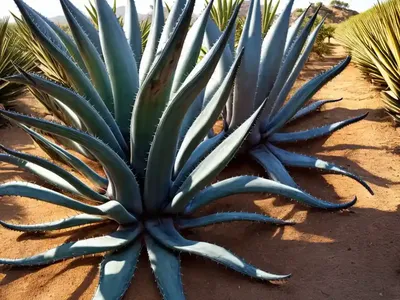
Agave utahensis is indigenous to the arid and rocky landscapes of the southwestern United States. It thrives in semi-desert regions, often found growing in mountainous terrain and sandy or gravelly soils. Its ability to withstand harsh environmental conditions, including intense sunlight and low precipitation, makes it well-suited for xeriscaping and water-wise gardening.
Plant Characteristics
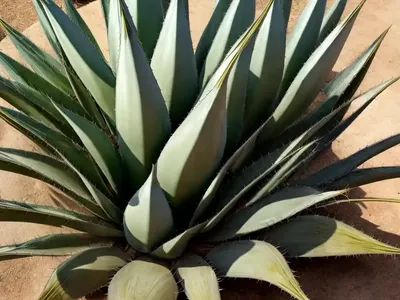
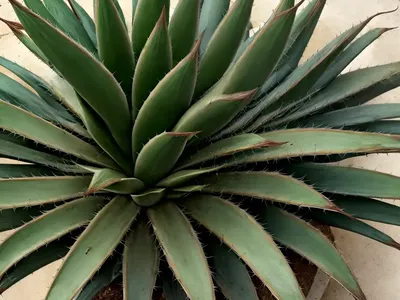
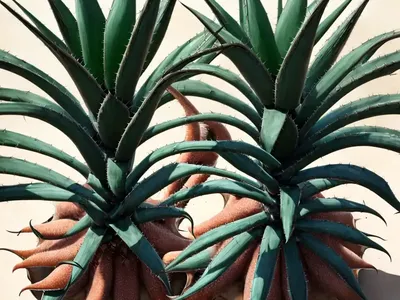
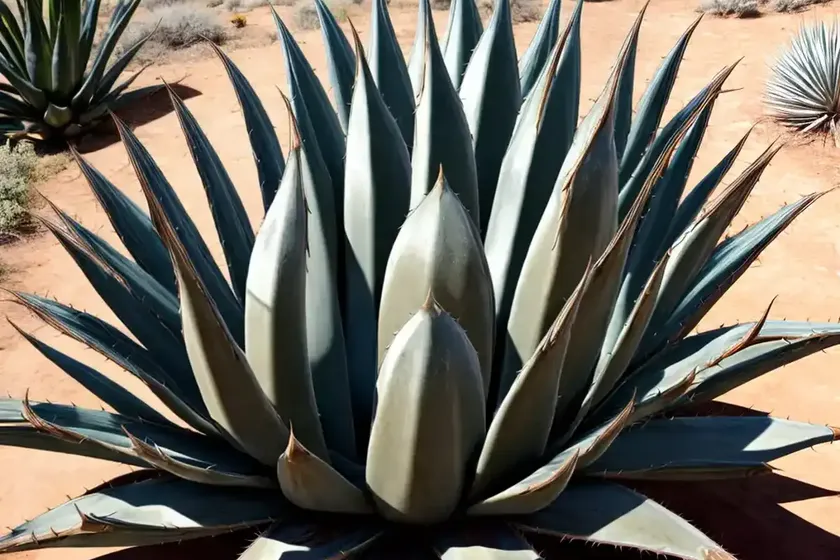
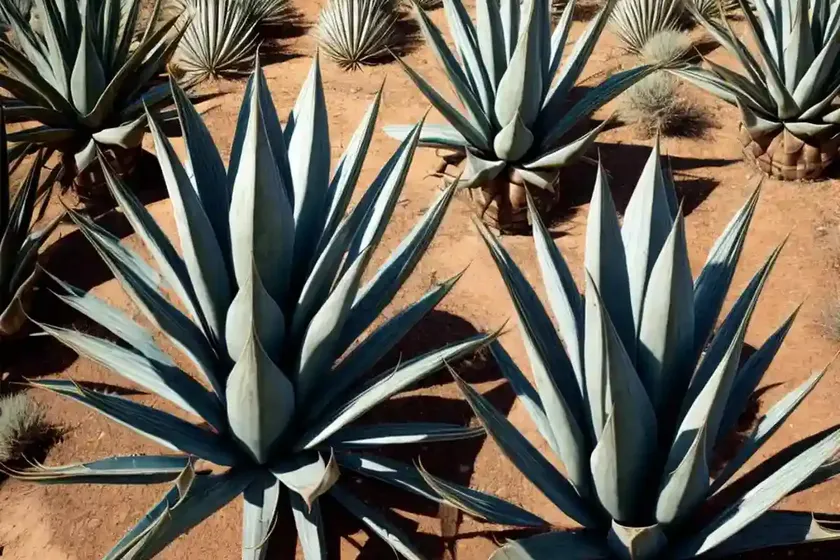
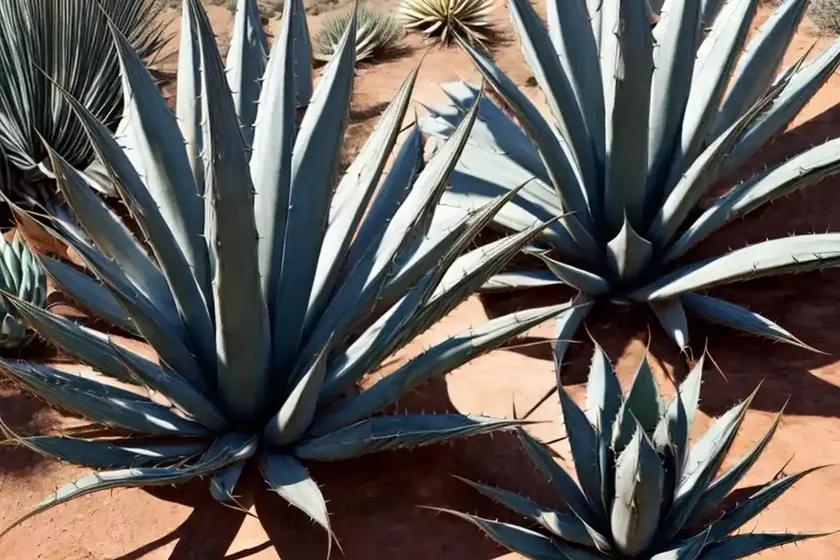
Agave utahensis is known for its striking appearance, characterized by rosettes of thick, fleshy leaves with sharp, pointed tips. The plant’s leaves often feature a bluish or grayish hue and are arranged symmetrically, creating an architectural and visually appealing form. As the plant matures, it produces an impressive flowering stalk that can reach significant heights, adorned with yellowish-green flowers.
Growth Habit and Lifespan
In its natural habitat, Agave utahensis exhibits a slow to moderate growth rate, with individual plants reaching maturity over several years. Once established, the plant’s rosettes can persist for decades, with some varieties displaying an impressive lifespan of 15 to 30 years or more. Understanding its growth habit is crucial for effective landscape planning and maintenance.
Uses
Agave utahensis offers diverse uses in various gardening, landscaping, and horticultural contexts, making it a sought-after plant for both ornamental and practical purposes. Let’s explore its uses in more detail:
Ornamental Landscaping
One of the primary uses of Agave utahensis is as an ornamental plant in landscaping designs. Its sculptural form, unique leaf structure, and striking flower stalk make it a standout feature in rock gardens, succulent beds, and desert-themed landscapes. Whether used as a focal point or in mass plantings, the Utah Agave adds a touch of southwestern charm to outdoor spaces.
Xeriscaping and Sustainable Gardening
In regions characterized by water scarcity and arid climates, Agave utahensis plays a vital role in xeriscaping initiatives. Its minimal water requirements, drought resistance, and ability to thrive in poor soils make it an ideal candidate for sustainable landscaping projects. By incorporating Agave utahensis into xeriscape designs, gardeners can create visually appealing and environmentally conscious landscapes.
Container Gardening
The compact size and architectural form of Agave utahensis make it well-suited for container gardening. Whether displayed in terracotta pots on patios, balconies, or indoor spaces, the Utah Agave adds a touch of natural elegance to container gardens. Its adaptability to container cultivation allows gardeners to enjoy the beauty of this succulent even in limited garden spaces.
Care
Caring for Agave utahensis involves understanding its specific requirements regarding water, sunlight, soil, fertilizer, pruning, and propagation. By providing the right care, gardeners can ensure the health and vitality of their Utah Agave plants. Let’s delve into the essential care guidelines for cultivating Agave utahensis:
Water
Agave utahensis is well-adapted to arid environments and exhibits low water requirements. When grown in garden settings, it is crucial to allow the plant’s soil to dry out between waterings to prevent moisture-related issues such as root rot. In regions with seasonal rainfall, supplemental irrigation during extended dry spells may be necessary, but overwatering should be strictly avoided.
Sunlight
Utah Agave thrives in full sun exposure and should be planted in locations where it can receive ample sunlight throughout the day. When grown indoors, it should be placed near sunny windows or under grow lights to ensure sufficient light levels. Adequate sunlight not only promotes healthy growth but also enhances the plant’s coloration and overall vitality.
Fertilizer
Agave utahensis is adapted to nutrient-poor soils and typically does not require regular fertilization. In fact, excessive fertilization can lead to overly lush growth, which may diminish the plant’s natural resilience and aesthetic appeal. If fertilization is deemed necessary, a balanced, slow-release fertilizer designed for succulents can be applied sparingly in the spring to provide essential nutrients.
Soil
Well-draining soil is paramount for the successful cultivation of Agave utahensis. Sandy or rocky soils with good drainage characteristics are ideal for mimicking the plant’s native habitat. To enhance soil drainage, incorporating coarse sand, gravel, or perlite into the soil mix can be beneficial. Additionally, raising the planting area slightly to improve drainage can prevent waterlogged conditions.
Pruning
Pruning requirements for Agave utahensis are minimal, primarily relating to the removal of dead or damaged leaves to maintain the plant’s aesthetic appeal and overall health. When pruning, it is essential to use sharp and clean pruning tools to avoid causing unnecessary damage to the plant. Removing spent flower stalks after blooming can also promote tidiness and encourage new growth.
Propagation
Agave utahensis can be propagated through offsets, also known as “pups,” which are small offshoots that develop around the base of mature plants. These offsets can be carefully separated from the parent plant and rooted in well-draining soil to establish new individuals. Propagation through seeds is also possible, but it requires patience due to the relatively slow germination and growth of seedlings.
Container Popularity
Agave utahensis is highly popular among container gardeners due to its compact size, striking visual appeal, and adaptability to container cultivation. When grown in containers, it is essential to ensure proper drainage by selecting pots with drainage holes and using well-draining potting mixes specifically formulated for succulents and cacti.
Common Diseases and Pests
While Agave utahensis is known for its resilience, it can still be susceptible to certain diseases and pests. Understanding the common issues that may affect the Utah Agave is crucial for implementing preventive measures and addressing problems promptly. Let’s explore the common diseases and pests associated with Agave utahensis:
Disease Diagnosis
Agave utahensis may be prone to fungal diseases, particularly under conditions of excessive moisture and poor air circulation. Common fungal issues include root rot, leaf spot, and crown rot, which can manifest as discolored or mushy plant tissues. Additionally, bacterial infections and viral diseases may affect Agave utahensis, resulting in abnormal growth and discoloration.
Common Pests
Pests that may pose a threat to Agave utahensis include aphids, scale insects, mealybugs, and spider mites. These pests can feed on the plant’s sap, causing aesthetic damage and potential stress to the plant. Regular monitoring of the plant for signs of pest infestations, such as stippled leaves, honeydew secretion, and visible insects, is essential for early detection and intervention.
Botanist’s Tips
As a plant scientist familiar with the unique characteristics of Agave utahensis, I have compiled a set of practical tips to aid enthusiasts and gardeners in successfully growing and caring for this exceptional succulent. These botanist’s tips cover various aspects of Agave utahensis cultivation and maintenance:
- Plant in Elevated Locations: To enhance drainage and prevent waterlogging, consider planting Agave utahensis in slightly elevated locations or raised beds.
- Monitor Moisture Levels: Use a moisture meter to gauge soil moisture levels and avoid excessive watering, particularly during periods of dormancy or low growth.
- Protect from Frost: In regions with occasional frosts, provide protection for Agave utahensis during extreme cold spells by covering with frost cloth or relocating potted plants indoors.
- Practice Safe Pruning: When pruning Agave utahensis, wear protective gloves and exercise caution to avoid the plant’s sharp leaf tips, which can cause injury.
- Promote Air Circulation: Allow adequate space between Agave utahensis plants to encourage air circulation and reduce the risk of fungal diseases.
- Mulch with Caution: When using mulch around Agave utahensis, ensure that it does not retain excess moisture or create a humid environment that promotes fungal growth.
Fun Facts
Uncover the intriguing and lesser-known facts about Agave utahensis that showcase the plant’s unique attributes, ecological significance, and cultural relevance. These fun facts shed light on the remarkable nature of this captivating succulent:
- Agave utahensis is an important source of food and fiber for wildlife, including desert-dwelling mammals, birds, and insects.
- The sap of Agave utahensis was historically utilized by indigenous peoples for various purposes, such as making beverages, food, and tools.
- The intricate floral structure of Agave utahensis flowers makes them attractive to pollinators, including bees, butterflies, and hummingbirds.
- While Agave utahensis is typically associated with dry environments, it has the ability to store water in its foliage, enabling it to withstand periods of drought.
- Some varieties of Agave utahensis produce offsets prolifically, resulting in clusters of rosettes that create visually stunning displays in gardens and landscapes.
Links to External Resources
To further expand your knowledge and appreciation of Agave utahensis, I have curated a selection of valuable external resources that delve into the plant’s characteristics, cultivation, and ecological significance. These links provide access to authoritative information, stunning visuals, and practical insights related to Agave utahensis:
- Utah Agave: A Comprehensive Guide to Agave utahensis
- Growing Agave utahensis in Arid Environments
- Sustainable Landscaping with Agave utahensis
- The Importance of Agave utahensis in Desert Ecosystems
- Exploring the Ethnobotanical Uses of Agave utahensis
In conclusion, Agave utahensis, or Utah Agave, stands out as a resilient, visually striking, and culturally significant plant that holds immense value in ecological conservation, sustainable gardening, and ornamental horticulture. By embracing the unique characteristics and practical uses of Agave utahensis, enthusiasts and gardeners can discover the beauty and resilience of this remarkable succulent while contributing to environmentally conscious gardening practices.
As you embark on your journey of incorporating Agave utahensis into your garden or landscape, may the insights and recommendations provided in this comprehensive guide serve as a source of inspiration and practical guidance. Embrace the captivating allure of Agave utahensis and witness the transformative impact it brings to your horticultural pursuits.