Agave Shawii (Shaw’s Agave)
Agave shawii, also known as Shaw’s Agave, is a distinctive succulent plant with a remarkable ability to thrive in harsh environmental conditions. This.
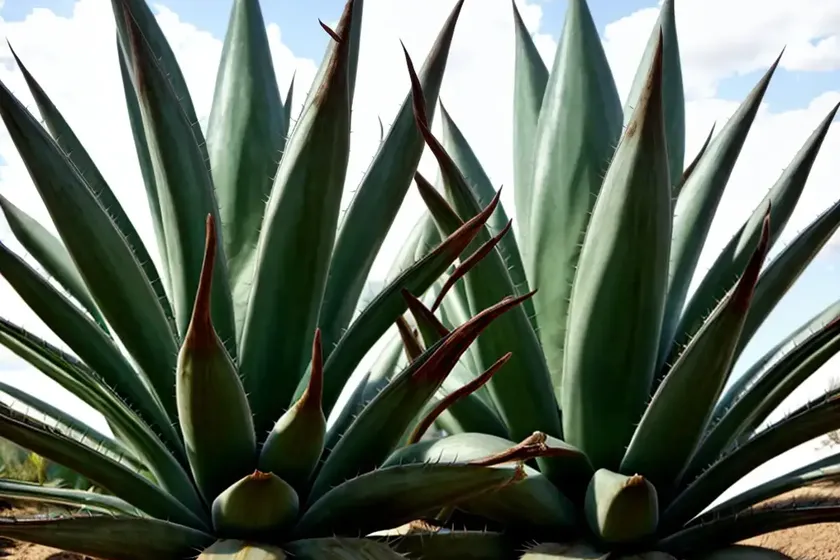
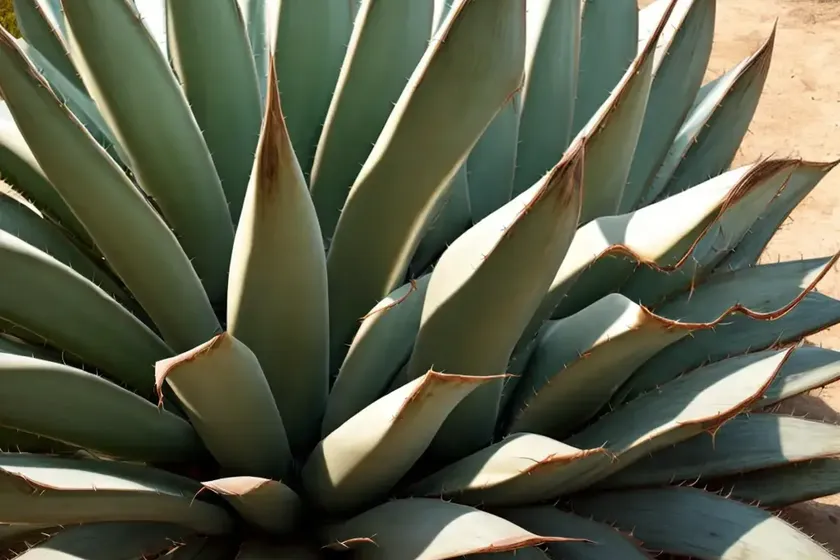
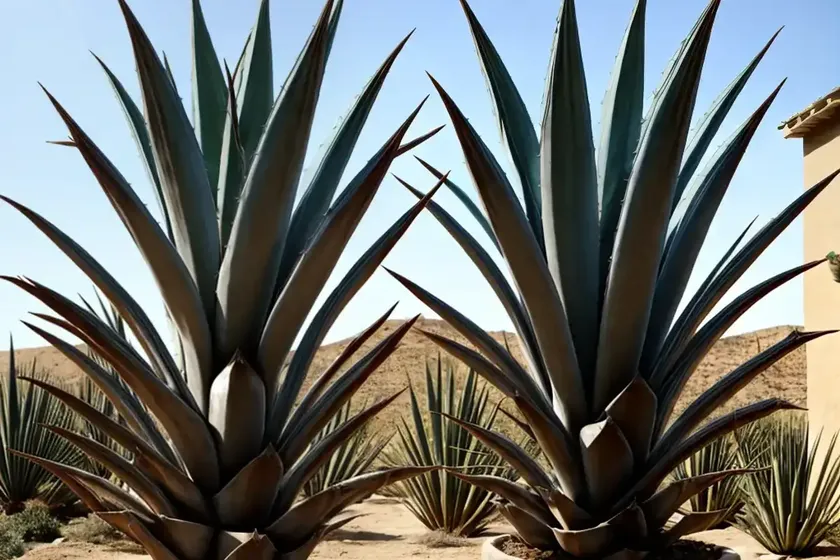
Agave shawii, also known as Shaw’s Agave, is a distinctive succulent plant with a remarkable ability to thrive in harsh environmental conditions. This remarkable plant offers a myriad of cultural, ornamental, and ecological uses, making it a valuable addition to horticulture and landscaping.
In this comprehensive guide, we will explore the captivating characteristics, care requirements, uses, and maintenance of Agave shawii. From its native habitat to its propagation and from its unique features to its medicinal and culinary uses, let’s delve deep into the world of this remarkable plant.
Key Takeaways – Agave shawii (Shaw’s Agave)
Before we delve into the intricate details, let’s take a swift look at the critical elements related to Agave shawii:
- Scientific Name: Agave shawii
- Common Name: Shaw’s Agave
- Plant Type: Succulent
- Native Habitat: Coastal regions of Baja California, Mexico
- Water Requirements: Drought-tolerant
- Sunlight Needs: Full sun to partial shade
- Soil Preferences: Well-draining, sandy soil
- Growth Rate: Slow
- Cultivation: Suitable for container gardening and landscaping in arid and coastal areas
- Special Features: Architectural form, wildlife attraction
- Disease Resistance: Resilient to most diseases and pests
- Uses: Ornamental, medicinal, culinary, and ecological
- Maintenance: Low
Now, let’s explore each of these aspects in detail.
What is Agave shawii?
Agave shawii, belonging to the Agavaceae family, is a native succulent plant of the coastal regions of Baja California, Mexico. The genus Agave comprises around 200 species, and Agave shawii is renowned for its striking appearance and resilience to arid and coastal environments.
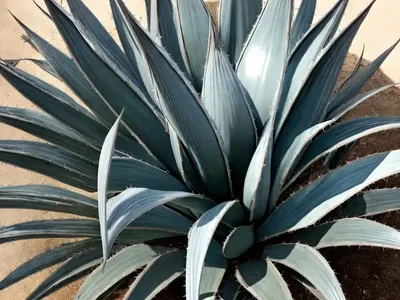
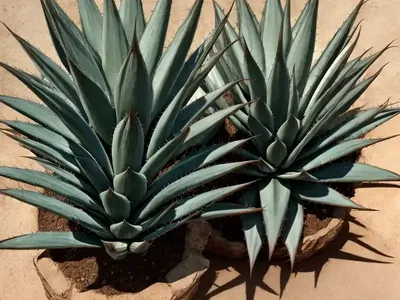
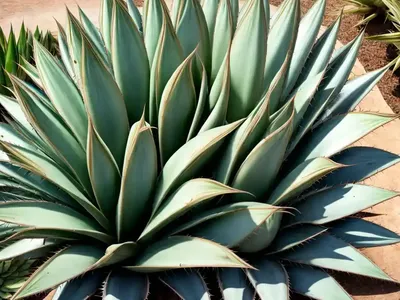
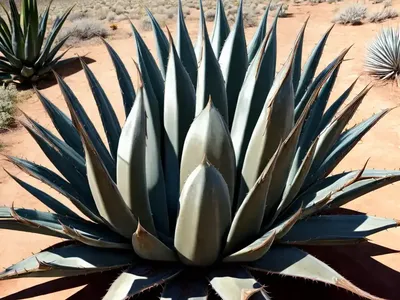
With its architectural rosette of thick, spiny, blue-green leaves and a stunning flowering stalk, Agave shawii has garnered attention as an ornamental plant, while also offering a range of practical and cultural uses.
Culture
Understanding the cultural aspects of Agave shawii is crucial in ensuring its thriving growth and longevity. Let’s explore the cultural requirements of this remarkable succulent:
Water
Agave shawii, like many other Agave species, exhibits exceptional drought tolerance. Its native habitat in the coastal regions of Baja California experiences limited rainfall, indicating the plant’s ability to thrive in arid environments.
However, it’s important to note that while Agave shawii is well-adapted to dry conditions, it still requires occasional watering, especially during its establishment phase. Once established, the plant can subsist on natural rainfall, making it an ideal choice for xeriscaping and water-wise gardens.
Sunlight
In its native habitat, Agave shawii thrives in full sun, basking in the intense coastal sunlight. When cultivating this plant, it’s essential to provide it with ample sunlight to support its growth and promote the development of its distinctive blue-green foliage.
While Agave shawii favors full sun exposure, it can also tolerate partial shade, making it suitable for a variety of outdoor environments.
Soil
The soil preferences of Agave shawii align with its native environment, emphasizing well-draining, sandy soils. This type of soil composition ensures that the plant’s root system remains healthy and free from the risks of waterlogging, which can be detrimental to most succulents.
When growing Agave shawii, it’s advisable to amend the soil with sand and perlite to improve drainage and create an environment that mimics its natural habitat.
Fertilizer
Due to its exceptional ability to thrive in nutrient-poor soils, Agave shawii has minimal requirements for fertilizer. Excessive fertilization can lead to an imbalance in its growth, potentially affecting its characteristic form and hardiness. Therefore, it’s generally recommended to avoid regular fertilization, especially with nitrogen-rich fertilizers.
Uses
The versatility of Agave shawii extends beyond its ornamental appeal, encompassing a diverse range of uses that make it a valuable asset in various contexts. Let’s explore the different applications of this remarkable plant:
Ornamental
As an ornamental plant, Agave shawii serves as a striking focal point in gardens and landscapes, adding a touch of architectural elegance and desert charm. It is often featured in xeriscapes, coastal gardens, and arid zone landscapes, where its unique form and coloration create visual interest.
Medicinal
In traditional medicine, various parts of Agave shawii, including its leaves and sap, have been utilized for their medicinal properties. The plant’s sap, rich in saponins, has been traditionally used for its healing and cleansing properties. While the use of Agave shawii in modern medicine is limited, it continues to hold cultural significance in traditional healing practices.
Culinary
Agave plants, including Agave shawii, have a long history of culinary significance, particularly in the production of agave nectar and the fermentation of alcoholic beverages, such as pulque and mezcal. The sweet nectar extracted from the core of the plant’s flower stalk has been used as a natural sweetener and an alternative to sugar.
Ecological
In its native habitat, Agave shawii plays a crucial role in supporting local wildlife. The plant’s flowering stalk attracts pollinators, including bees and hummingbirds, contributing to the biodiversity of its ecosystem. Additionally, the dense foliage of Agave shawii provides shelter for small animals and insects, further enhancing its ecological value.
Pruning
Pruning Agave shawii is a relatively straightforward process, primarily focused on the removal of dead or damaged leaves and the management of its flowering stalk. Here are some key points to consider when pruning Agave shawii:
-
Remove Dead Leaves: Regularly inspect the plant for dead or withered leaves and trim them close to the base. This promotes the overall aesthetics of the plant and prevents potential disease or pest issues.
-
Trimming Flowering Stalk: After Agave shawii completes its flowering cycle, the towering stalk can be pruned to maintain the plant’s appearance and redirect its energy towards new growth. Use caution when trimming the flowering stalk, as it may be densely covered in spines.
-
Protective Gear: When handling Agave shawii for pruning, it’s essential to wear protective gloves and clothing to shield yourself from the sharp spines, which can cause skin irritation.
By practicing regular maintenance and prudent pruning techniques, you can ensure that Agave shawii remains healthy and visually appealing in your garden or landscape.
Propagation
Propagating Agave shawii allows gardeners and horticulturists to expand their collection of these remarkable plants and share their beauty with others. While the propagation process requires patience and care, the results can be incredibly rewarding. Here are the primary methods for propagating Agave shawii:
Offsets (Pups)
Agave shawii produces offsets, also known as “pups,” around its base, representing miniature versions of the parent plant. To propagate Agave shawii using offsets, follow these steps:
-
Select Healthy Offsets: Identify mature and healthy offsets attached to the parent plant.
-
Separation: Carefully detach the offsets from the parent plant, ensuring that each pup has a portion of its own root system.
-
Planting: Plant the separated offsets in well-draining soil, ensuring that the planting depth matches their original depth.
-
Watering: Water the newly planted offsets lightly and provide them with partial shade during their initial establishment phase.
Seeds
While propagating Agave shawii from seeds is a lengthier process, it offers the opportunity to grow a diverse range of plants with unique characteristics. Here’s an overview of the seed propagation process for Agave shawii:
-
Seed Collection: Harvest mature seeds from the plant’s dried seed pods. Ensure that the seeds are fully mature and viable for germination.
-
Germination: Sow the seeds in a well-draining, sandy mix and keep them consistently moist until germination occurs.
-
Transplanting: Once the seedlings have developed several sets of true leaves, carefully transplant them into individual containers with well-draining soil.
-
Care: Provide the seedlings with ample sunlight and minimal watering to nurture their growth.
By exploring these propagation methods, you can expand your collection of Agave shawii and share the beauty and resilience of this species with fellow gardening enthusiasts.
Container Popularity
The compact and architectural form of Agave shawii makes it well-suited for container gardening, offering a striking focal point for patios, courtyards, and outdoor living spaces. The popularity of growing Agave shawii in containers can be attributed to several key factors:
-
Decorative Accent: Agave shawii’s distinct blue-green foliage and symmetrical rosette form make it an eye-catching addition to container arrangements, contributing to the visual appeal of outdoor spaces.
-
Space Efficiency: In smaller gardens or urban environments, cultivating Agave shawii in containers allows individuals to enjoy the beauty of this plant without requiring extensive garden beds or planting areas.
-
Versatility: Containers provide the flexibility to move Agave shawii to different locations based on sunlight preferences, seasonal changes, or visual design considerations, allowing for dynamic and adaptable arrangements.
-
Cold Climate Adaptation: For gardeners in colder climates, growing Agave shawii in containers offers the option to overwinter the plant indoors, protecting it from harsh winter conditions.
Common Diseases
Agave shawii exhibits remarkable resilience to most diseases, owing to its native adaptation to arid and coastal environments. Nevertheless, there are specific conditions and factors that can lead to potential health issues in this plant. Let’s explore common diseases that may affect Agave shawii and how to prevent them:
Fungal Infections
Prolonged periods of moisture and poor air circulation can create favorable conditions for fungal infections in Agave shawii. To prevent fungal diseases, it’s crucial to ensure proper drainage, avoid overwatering, and provide adequate spacing between plants to promote air circulation.
Bacterial Rot
Bacterial rot, often caused by overwatering and waterlogged soil, can pose a risk to Agave shawii. By adhering to well-draining soil practices, allowing the soil to dry between watering, and implementing proper irrigation techniques, you can significantly reduce the risk of bacterial rot.
Pest Infestation
While Agave shawii is generally resistant to most pests, occasional infestations may occur, particularly from spider mites and scale insects. Regular inspection of the plant for signs of infestation and the prompt application of appropriate pest control measures can effectively manage pest issues.
Sunburn
Excessive exposure to intense sunlight, especially when Agave shawii is transitioned from shade to full sun, can lead to sunburn on the plant’s foliage. Gradually acclimating the plant to increased sunlight and providing partial shade during extreme heat can help prevent sunburn damage.
By being mindful of these potential issues and implementing proactive measures, you can safeguard the health and vitality of Agave shawii in your garden or landscape.
Disease Diagnosis
Early diagnosis of diseases in Agave shawii is essential for implementing timely interventions and preventing the spread of potentially harmful conditions. When assessing the health of your Agave shawii, look for the following symptoms that may indicate diseases:
-
Discoloration: Noticeable changes in the coloration of the plant’s foliage, such as yellowing, browning, or darkening, can be indicative of underlying health issues.
-
Texture Abnormalities: Abnormalities in the texture or appearance of the leaves, including wilting, spotting, or softening, may signify fungal or bacterial infections.
-
Stunted Growth: A sudden halt in the growth of Agave shawii or the development of distorted or stunted new growth can be a sign of physiological stress or disease.
-
White Patches: Presence of powdery or waxy white patches on the foliage or stems may indicate pest infestation, particularly from spider mites or scale insects.
When observing these symptoms, it’s essential to conduct a thorough assessment of the plant’s cultural conditions, such as watering practices, soil drainage, and sunlight exposure, to identify and address potential causes of the observed issues.
Common Pests
While Agave shawii possesses natural resilience to most pests, periodic infestations may occur, requiring proactive pest management strategies. Understanding the common pests that may affect Agave shawii and implementing targeted control measures can help maintain the plant’s health and vitality. Here are some common pests to be mindful of:
Spider Mites
Spider mites, characterized by their tiny size and web-like enclosures on plant surfaces, can inflict damage to Agave shawii by sucking sap from its foliage. To address spider mite infestations, consider:
“`
Spotted spider mite on houseplant
-
Spraying: Use a gentle jet of water to dislodge and remove spider mites from the plant’s leaves.
-
Neem Oil: Apply neem oil or insecticidal soap to target and control spider mites, ensuring thorough coverage of the affected foliage.
-
Natural Predators: Introduce predatory mites or other natural enemies of spider mites to the garden to establish biological control.
Scale Insects
Scale insects, known for their protective waxy covering and sedentary nature, can infest Agave shawii, leading to weakened growth and vitality. Address scale insect infestations by:
-
Manual Removal: Use a soft brush or cloth soaked in soapy water to physically remove scale insects from the plant’s surfaces.
-
Horticultural Oil: Apply horticultural oil, targeting the insects’ protective covering and suffocating them while minimizing damage to the host plant.
-
Pruning: Prune and remove heavily infested plant parts to reduce the population of scale insects and prevent the spread of infestation.
By monitoring the health of Agave shawii and promptly addressing any signs of pest activity, you can effectively manage pest issues and cultivate thriving, pest-resistant plants.
Botanist’s Tips
For those passionate about cultivating Agave shawii and integrating it into their gardens or landscapes, here are some insightful tips from botanists and horticultural experts to enhance your experience with this remarkable plant:
“`
Agave shawii flowering
-
Naturalistic Planting: When incorporating Agave shawii into a landscape, consider naturalistic planting schemes that mimic its native habitat, integrating it with compatible companion plants and emphasizing its ecological value.
-
Watering Cautions: Exercise caution when watering Agave shawii, ensuring that it is not subjected to excessive moisture, which can compromise its health and lead to root rot or other related issues.
-
Seasonal Considerations: Account for seasonal variations in sunlight, temperature, and precipitation when cultivating Agave shawii, adjusting its care regimen to optimize its growth and vitality throughout the year.
-
Pollinator Support: Embrace Agave shawii’s role as a pollinator attractant by cultivating companion plants that further enhance its appeal to native pollinators, thereby promoting biodiversity in the garden.
-
Cultural Significance: Recognize and honor the cultural significance of Agave shawii, understanding its traditional uses and ecological importance, and incorporating this knowledge into educational and outreach initiatives.
By embracing these expert tips, you can elevate your approach to cultivating and appreciating Agave shawii, fostering its ecological value and promoting its captivating attributes.
Fun Facts
Engage in the fascinating world of Agave shawii by exploring these intriguing and enlightening fun facts about this remarkable succulent plant:
-
Longevity: Agave shawii is renowned for its longevity, with individual plants capable of living for several decades before reaching the end of their natural lifespan.
-
Architectural Elegance: The striking silhouette of Agave shawii, characterized by its symmetrical rosette form and towering flowering stalk, adds a touch of architectural elegance to landscapes.
-
Ethnobotanical Significance: Agave shawii holds cultural and ethnobotanical significance, with traditional uses ranging from medicinal applications to the production of fibers and alcoholic beverages.
-
Drought Resilience: Agave shawii showcases exceptional drought resilience, capable of thriving in regions with limited rainfall and minimal access to moisture.
-
Wildlife Support: The flowering stalk of Agave shawii serves as a vital food source for pollinators, supporting the foraging activities of bees, butterflies, and other beneficial insects.
-
Mesoamerican Heritage: The presence of Agave shawii and its relatives in Mesoamerican cultures underscores their historical and symbolic significance in indigenous traditions.
Links to External Resources
To further expand your knowledge and appreciation of Agave shawii, consider exploring the following external resources:
“`
Agave shawii in natural habitat
-
Botanical Gardens: Visit local botanical gardens or arboretums featuring desert and succulent collections to observe Agave shawii in its natural context and learn about its cultural and ecological significance.
-
Ethnobotanical Studies: Delve into ethnobotanical studies and publications that highlight the traditional uses of Agave shawii among indigenous communities, shedding light on its diverse cultural heritage.
-
Wildlife Conservation: Engage with wildlife conservation organizations and resources focusing on the preservation of habitats where Agave shawii and related species contribute to the ecological fabric.
-
Native Plant Societies: Connect with native plant societies and horticultural groups that specialize in arid and coastal plants, offering opportunities to exchange knowledge and experiences related to Agave shawii.
-
Succulent and Desert Gardening Books: Explore books and guides on succulent and desert gardening, featuring insights and recommendations for cultivating Agave shawii in various landscapes and garden settings.
By immersing yourself in these external resources, you can gain a deeper understanding of Agave shawii and its significance in cultural, ecological, and horticultural contexts.
Agave shawii, with its captivating form, resilience, and diverse cultural and ecological uses, stands as an exemplar of nature’s grace and adaptability. Whether as a striking ornamental centerpiece, a source of traditional remedies, or a contributor to biodiversity, this remarkable plant continues to capture the imagination of plant enthusiasts and conservationists alike.
As we honor the heritage and significance of Agave shawii, let us cultivate an enduring appreciation for its unique attributes and advocate for its conservation in a world that recognizes the irreplaceable value of resilient, ecologically beneficial plant species. Through our collective efforts, we can ensure the enduring presence and prosperity of Agave shawii for generations to come.
Plant Name: “Agave shawii (Shaw’s Agave)”