Agave Ovatifolia ‘Frosty Blue’ (Whale’s Tongue Agave)
Agave ovatifolia ‘Frosty Blue’ is an exquisite succulent that has gained popularity among landscape architects, gardeners, and plant enthusiasts. This.
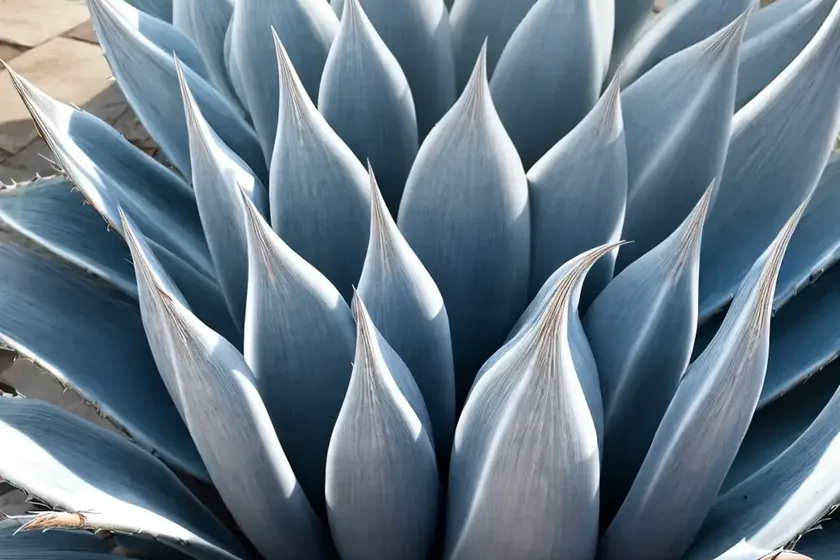


Agave ovatifolia ‘Frosty Blue’ is an exquisite succulent that has gained popularity among landscape architects, gardeners, and plant enthusiasts. This striking plant, also known as the Whale’s Tongue Agave, is cherished for its distinctive appearance, durability, and low-maintenance nature. In this comprehensive guide, we will delve into the culture, uses, care requirements, propagation, common pests and diseases, as well as some fun facts about Agave ovatifolia ‘Frosty Blue’. Whether you are a beginner or an experienced gardener, this guide will equip you with the knowledge to cultivate and appreciate this stunning succulent.
What is Agave Ovatifolia ‘Frosty Blue’ (Whale’s Tongue Agave)?
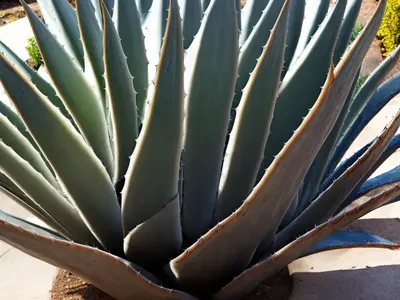
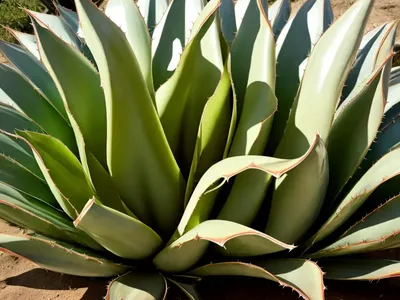
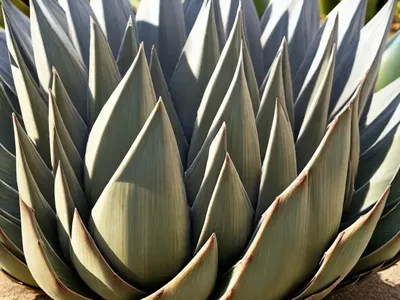
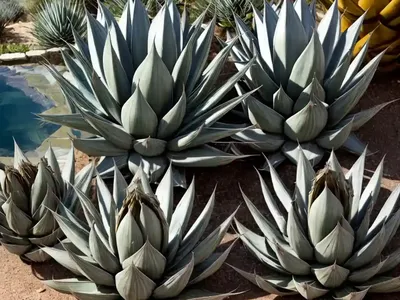
Agave ovatifolia ‘Frosty Blue’ is a perennial succulent plant that belongs to the Agavaceae family. Native to Mexico, particularly the Nuevo Leon region, this plant is characterized by its rosette of thick, fleshy, and powdery blue leaves that form a striking architectural shape. The leaves are wide at the base and gradually taper to a point, resembling the shape of a whale’s tongue, hence its common name, Whale’s Tongue Agave. The plant typically reaches a height and spread of 2-3 feet, making it an ideal choice for both indoor and outdoor cultivation.
Let’s delve deeper into the key aspects of Agave ovatifolia ‘Frosty Blue’ and uncover its culture, uses, care requirements, and much more.
Key Takeaways – Agave Ovatifolia ‘Frosty Blue’ (Whale’s Tongue Agave)
Culture
- Origin: Native to Mexico, particularly the Nuevo Leon region.
- Characteristics: Rosette of powdery blue, fleshy leaves with a distinctive whale’s tongue shape.
- Height and Spread: Typically reaches 2-3 feet in both height and spread.
- Hardiness Zone: Suitable for USDA hardiness zones 7-11.
- Lifespan: Agave ovatifolia ‘Frosty Blue’ is a long-lived perennial plant.
Uses
- Landscape Design: Adds architectural interest to xeriscapes, rock gardens, and succulent gardens.
- Container Planting: Well-suited for container cultivation, including indoors and on patios.
Water
- Drought Tolerance: Exhibits high tolerance to drought conditions once established.
- Watering Needs: Requires infrequent watering, particularly in well-draining soils.
Sunlight
- Sun Exposure: Thrives in full sun to part shade, especially in cooler regions.
Fertilizer
- Minimal Fertilization: Does not require frequent feeding; a balanced, low-nitrogen fertilizer in spring suffices.
Soil
- Well-draining Soil: Flourishes in sandy or gravelly, well-draining soil types.
- pH Range: Tolerates slightly acidic to slightly alkaline soil pH levels.
Pruning
- Minimal Pruning: Prune spent and withered leaves as needed to maintain the plant’s aesthetic appeal.
Propagation
- Propagation Methods: Primarily propagated through offsets or bulbils produced by the mother plant.
- Seed Propagation: Feasible but requires patience due to slow growth from seeds.
Container Popularity
- Ideal for Containers: Well-suited for container cultivation, enhancing versatility in gardening and landscaping projects.
Container Common Diseases
- Prevention: Implement proper drainage and soil drying techniques to prevent root rot in containerized specimens.
Disease Diagnosis
- Common Diseases: Keep an eye out for signs of root rot, particularly in poorly draining soil.
Common Pests
- Pest-resistant: Generally not prone to severe pest infestations.
Agave Ovatifolia ‘Frosty Blue’ (Whale’s Tongue Agave) Care Guide
Water
Agave ovatifolia ‘Frosty Blue’, as with most succulents, exhibits remarkable drought tolerance once established. Its unique physiology allows it to store water in its fleshy leaves, enabling it to endure prolonged periods of aridity. When it comes to watering this resilient succulent, it is crucial to strike a balance between providing adequate moisture and preventing waterlogged conditions, which can lead to root rot.
Watering Guidelines:
– Established Plants: Infrequent watering is usually sufficient for well-established Agave ovatifolia ‘Frosty Blue’ specimens. Allow the soil to dry out completely between watering sessions, particularly in the absence of rainfall.
– Summer Watering: During the active growing season in summer, water the plant deeply but ensure that the soil has dried out before the next watering cycle.
– Winter Watering: Reduce watering frequency during the plant’s dormant winter period, as excessive moisture retention in cold, dormant conditions can lead to root rot.
– Container Plants: For container-grown Whale’s Tongue Agaves, ensure that the pots have drainage holes and water thoroughly, allowing excess water to drain freely.
Sunlight
Providing the appropriate sunlight conditions is essential for the optimal growth and development of Agave ovatifolia ‘Frosty Blue’. This succulent thrives in full sun to part shade, particularly in regions with relatively cooler temperatures. In warmer climates, providing partial shade during the intense midday sun can prevent sunburn and leaf damage.
Sunlight Requirements:
– Full Sun: Ideally, position the plant in a location that receives at least 6-8 hours of direct sunlight daily, ensuring vibrant foliage coloration and compact growth.
– Partial Shade: In hot climates, particularly during peak summer months, offering partial shade during the hottest part of the day can shield the plant from excessive heat stress.
– Indoor Placement: When grown indoors, place the Agave ovatifolia ‘Frosty Blue’ near a bright, south-facing window to provide access to ample sunlight.
Fertilizer
Agave ovatifolia ‘Frosty Blue’ does not demand frequent fertilization and thrives in nutrient-poor soil conditions, reflective of its adaptive nature in its native habitat. When fertilizing this succulent, it is crucial to adhere to a minimalistic approach, utilizing a balanced, low-nitrogen fertilizer to avoid overstimulating lush growth, which can compromise its natural form and resilience.
Fertilization Tips:
– Spring Feeding: Apply a diluted, balanced liquid fertilizer in early spring, prior to the onset of the active growing season. Dilute the fertilizer to half or a quarter of the recommended strength to prevent potential fertilizer burn.
– Avoid Excessive Nitrogen: Refrain from using high-nitrogen fertilizers, as they can spur excessive foliage growth at the expense of the plant’s natural compact form.
Soil
The choice of soil is pivotal in ensuring the well-being and longevity of Agave ovatifolia ‘Frosty Blue’. This succulent thrives in well-draining soil compositions, with an emphasis on preventing waterlogged conditions that can predispose the plant to root rot. Selecting an appropriate soil type and ensuring proper soil drainage are fundamental considerations in the cultivation of this striking succulent.
Soil Preferences:
– Well-draining Soil: Plant Agave ovatifolia ‘Frosty Blue’ in sandy or gravelly, well-draining soil to prevent water accumulation around the roots.
– Soil Amendments: Incorporating perlite or coarse sand into the soil mixture can enhance drainage and aeration, promoting optimal root health.
– Soil pH Range: The plant tolerates a slightly acidic to slightly alkaline soil pH range, reflecting its adaptability to diverse soil conditions.
Pruning
Agave ovatifolia ‘Frosty Blue’ generally requires minimal pruning, primarily focused on removing spent or withered leaves to maintain its visual appeal and prevent potential pest harborage. Pruning this succulent should be approached with care, as the pointed leaf tips can be sharp. Employing appropriate tools and protective gear is advisable when undertaking pruning activities.
Pruning Guidelines:
– Remove Dried Leaves: Trim away dried, yellowing, or damaged leaves using clean, sharp pruning shears to maintain the plant’s aesthetic appeal.
– Protective Measures: Wear gloves and eye protection when pruning Agave ovatifolia ‘Frosty Blue’ to safeguard against potential injuries from the sharp leaf tips.
Propagation
The propagation of Agave ovatifolia ‘Frosty Blue’ can be accomplished through offsets or bulbils produced by the mother plant. Additionally, while it is a more time-consuming method, propagating the succulent from seeds is also feasible, though it requires patience and attentiveness due to the relatively slow growth from seeds.
Propagation Methods:
– Offsets: Separating offsets, also known as pups, from the mother plant and replanting them individually is a common and reliable propagation method.
– Bulbils: Harvesting bulbils – miniature versions of the parent plant growing on the flower stalk – for propagation can yield new Agave ovatifolia ‘Frosty Blue’ specimens.
– Seeds: Propagating Agave ovatifolia ‘Frosty Blue’ from seeds is possible but entails a prolonged growth period, often spanning several years to reach maturity.
Container Popularity
Agave ovatifolia ‘Frosty Blue’ is lauded for its versatility and adaptability to container cultivation. Its striking appearance and low-maintenance nature make it an ideal choice for enhancing outdoor patios, gardens, and indoor spaces with a touch of unique elegance and architectural interest.
Container Growing Tips:
– Drainage: Ensure that the containers have adequate drainage holes to prevent water accumulation and promote soil aeration.
– Pot Size: Select a container with ample space for the root system to expand, providing stability and minimizing the need for frequent repotting.
– Indoor Placement: Position container-grown Agave ovatifolia ‘Frosty Blue’ near bright, sunlit windows to facilitate healthy growth and leaf coloration.
Common Diseases
Agave ovatifolia ‘Frosty Blue’ is relatively resilient against diseases, particularly when cultivated in well-draining soil and provided with appropriate growing conditions. However, prevention and proactive monitoring are pivotal in safeguarding the plant from potential issues, particularly concerning root health and moisture management in the root zone.
Disease Prevention:
– Well-draining Soil: Implement proper soil drainage techniques to prevent waterlogging and subsequent root rot, a common concern in succulents.
– Adequate Ventilation: Enhance air circulation around the plant to deter the development of fungal issues in humid conditions.
Disease Diagnosis
When inspecting Agave ovatifolia ‘Frosty Blue’ for signs of potential diseases, particular attention should be directed towards the plant’s base and roots, where symptoms of root rot often manifest. By promptly identifying and addressing any suspicious changes in the plant’s health, the likelihood of successful intervention and recovery is significantly augmented.
Symptom Identification:
– Wilting Leaves: Sudden wilting, discoloration, or softness in the lower leaves can indicate root rot, warranting immediate attention.
– Yellowing Base: An increasingly yellowing or browning base of the plant may signify compromised root health, requiring further investigation.
Common Pests
Agave ovatifolia ‘Frosty Blue’ is renowned for its resistance to severe pest infestations, owing to its robust nature and the protective adaptations inherent in its fleshy leaves. While the plant is generally pest-resistant, occasional monitoring can help to swiftly address any pest-related issues that may arise.
Pest Monitoring:
– Mealybugs: Keep an eye out for signs of mealybug infestations, characterized by white, cottony clusters on the leaves and at the base of the plant.
– Scale Insects: Monitor for scale insects, visible as small, raised bumps on the leaves, which can lead to foliage discoloration and reduced vigor.
Botanist’s Tips
As a botanist or plant enthusiast, having a keen understanding of the unique characteristics and growth habits of Agave ovatifolia ‘Frosty Blue’ is invaluable in nurturing and appreciating this captivating succulent. Here are some expert tips for cultivating and caring for this distinctive plant.
Expert Insights:
– Ideal Growing Conditions: Provide well-draining soil, ample sunlight, and infrequent watering to mimic the arid, rocky terrains of the plant’s native habitat.
– Aesthetic Considerations: Utilize Agave ovatifolia ‘Frosty Blue’ as a focal point in xeriscapes, accentuating its sculptural form amidst gravel, boulders, or other succulents.
– Seasonal Considerations: Adjust watering frequency based on seasonal variations, reducing moisture during the winter dormant period to prevent potential disease development.
Fun Facts
Uncovering some intriguing and compelling facts about Agave ovatifolia ‘Frosty Blue’ can deepen our appreciation for this remarkable succulent, shedding light on its ecological significance, historical uses, and captivating attributes.
Fascinating Tidbits:
– Wildlife Support: Despite its spiky appearance, Agave ovatifolia ‘Frosty Blue’ blooms attract pollinators such as bees, contributing to the local ecosystem’s biodiversity.
– Historical Significance: Agave species have a rich cultural and historical legacy, with various uses by indigenous groups for food, fiber, and beverages in Mexico and Central America.
Links to External Resources
For further information and resources on Agave ovatifolia ‘Frosty Blue’ and other related topics, explore the following links:
- The Agave Family: A Gardener’s Guide
- Succulent Plant Care Guide: Tips for Agave and Other Succulents
- GrowIt! Community for Plant Enthusiasts
The provided external resources offer comprehensive insights, care tips, and a supportive community for plant enthusiasts to further explore Agave species, including Agave ovatifolia ‘Frosty Blue’.
In conclusion, the allure of Agave ovatifolia ‘Frosty Blue’, or the Whale’s Tongue Agave, lies not only in its striking visual appeal but also in its remarkable resilience and minimal care requirements. By understanding and implementing the key considerations outlined in this comprehensive guide, you can cultivate and appreciate this captivating succulent, adding a touch of architectural elegance to your indoor and outdoor spaces.
Remember to embrace the unique beauty and endurance of Agave ovatifolia ‘Frosty Blue’, and enjoy the rewarding experience of nurturing this exceptional plant.