Agave Parrasana (Cabbage Head Agave)
Plants are an integral part of our natural ecosystem, and each species has its own unique characteristics and requirements. One such remarkable plant is.
Plants are an integral part of our natural ecosystem, and each species has its own unique characteristics and requirements. One such remarkable plant is Agave parrasana, commonly known as the Cabbage Head Agave. This blog post delves into the various aspects of this captivating succulent, providing insights into its culture, uses, care, and much more.
What is Agave parrasana (Cabbage Head Agave)?
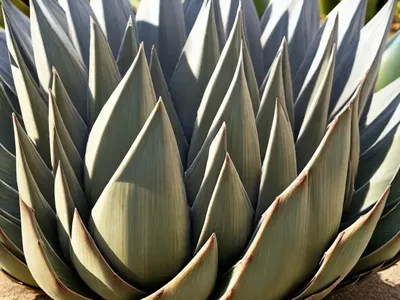
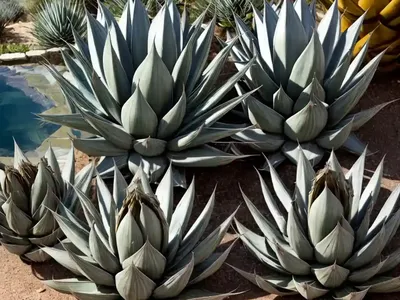
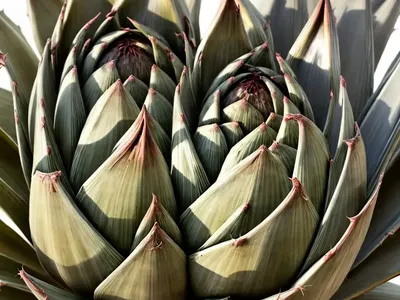
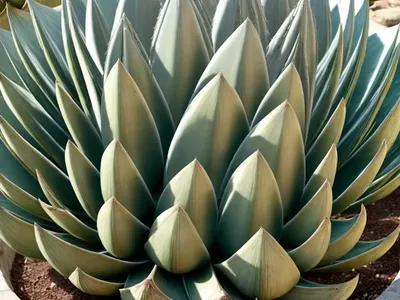
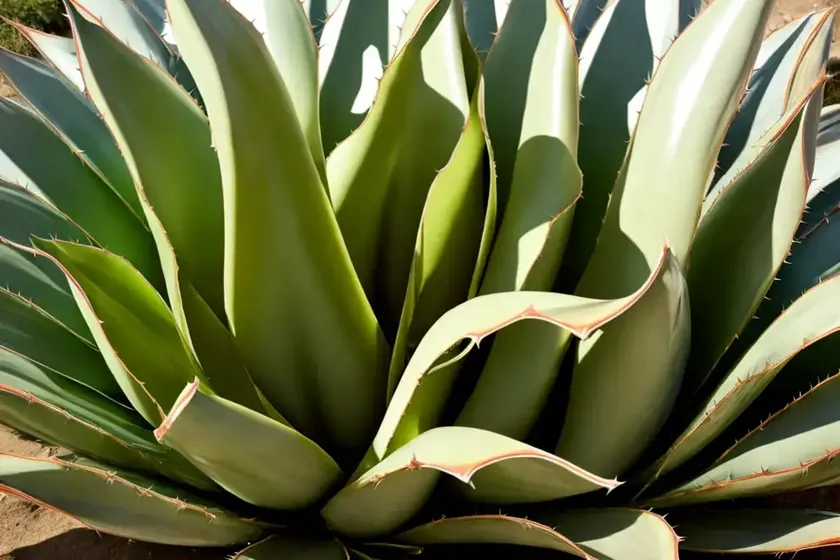
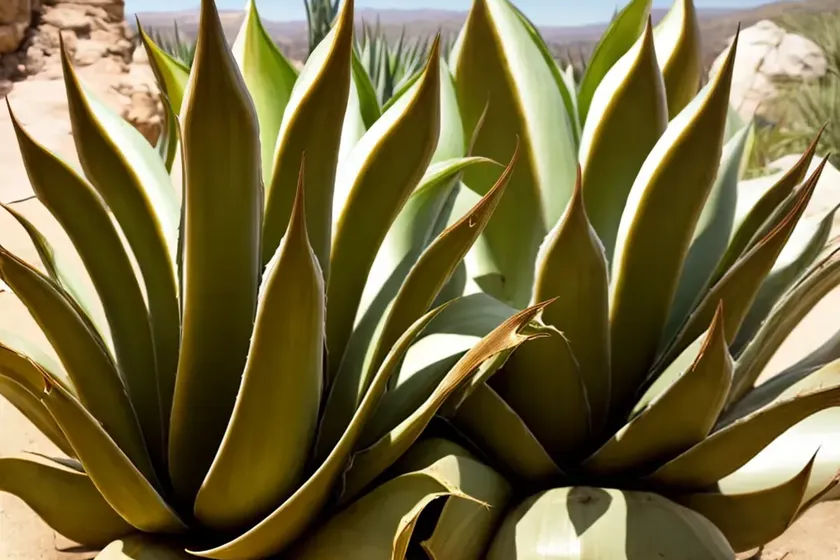
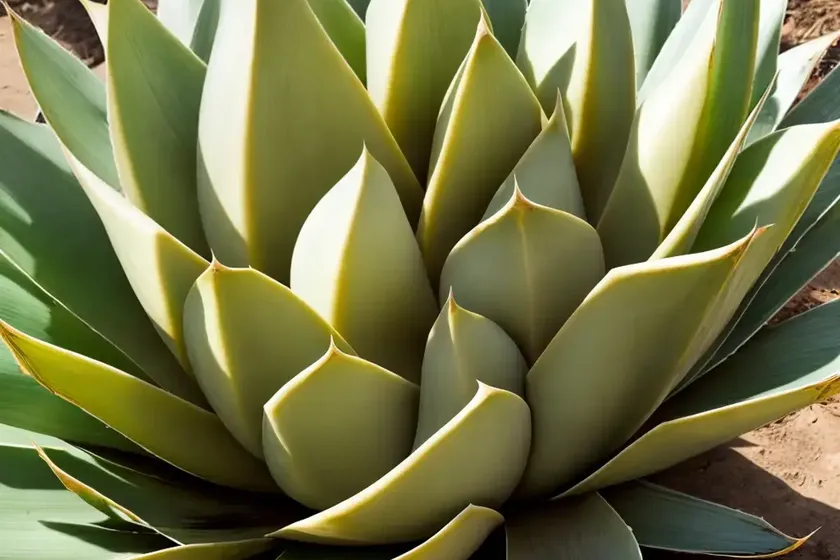
Agave parrasana is a succulent plant belonging to the Agavaceae family. This distinctive species is native to Mexico and notable for its striking rosette shape and spiny, blue-green leaves. The plant derives its common name, Cabbage Head Agave, from the compact arrangement of its leaves, resembling a cabbage head.
This plant has captured the interest of gardening enthusiasts and landscapers alike due to its drought-tolerant nature and striking appearance. Understanding the intricacies of nurturing and caring for Agave parrasana is essential for successfully incorporating it into various landscapes and gardens.
Key Takeaways – Agave parrasana (Cabbage Head Agave)
Before delving into the specifics of caring for Agave parrasana, let’s take a look at the key takeaways associated with this intriguing plant.
- Agave parrasana boasts a rosette shape with spiky, blue-green leaves.
- It is renowned for its drought-tolerant nature and low maintenance requirements, making it an excellent choice for arid landscapes and rock gardens.
- The plant is native to Mexico and thrives in arid regions, indicating its affinity for well-drained soil and ample sunlight.
- Agave parrasana serves as an excellent focal point in gardens and landscaping projects, adding a touch of exotic foliage to the surroundings.
Now, let’s delve deeper into the essential aspects of cultivating and caring for Agave parrasana.
Culture
The culture of Agave parrasana encompasses the various practices and conditions necessary for its growth and overall well-being. Understanding the cultural requirements of this plant is crucial for creating an environment where it can thrive.
Uses
Agave parrasana is valued for its ornamental attributes and is commonly used in landscaping and garden design. Its striking rosette shape and spiky leaves make it an excellent choice for creating focal points in gardens, rockeries, and arid landscapes. Additionally, the plant’s drought-tolerant nature makes it ideal for xeriscaping, a water-efficient landscaping approach.
In regions with suitable climates, Agave parrasana can also be cultivated in containers, adding a touch of exotic foliage to indoor and outdoor spaces. Its unique appearance and low maintenance requirements make it a sought-after plant for modern and arid garden designs.
Water
Agave parrasana is well-adapted to arid conditions and exhibits exceptional drought tolerance. When cultivating this plant, it is crucial to avoid overwatering, as excessive moisture can lead to root rot and other issues. The plant thrives in well-drained soil and prefers infrequent watering once established.
During the growing season, it is advisable to water the plant thoroughly, allowing the soil to dry out between waterings. In contrast, during the dormant winter months, minimal watering is necessary to prevent waterlogged soil and associated problems.
Sunlight
One of the key requirements for cultivating Agave parrasana is ample sunlight. This plant thrives in full sun and requires at least six hours of direct sunlight per day to promote healthy growth and leaf coloration. When selecting a planting site or positioning the plant in a container, it is essential to choose a location that receives abundant sunlight throughout the day.
Fertilizer
Agave parrasana does not necessitate frequent fertilization. In fact, excess nutrients can be detrimental to the plant’s health, leading to an imbalance in growth and potential damage. A low-maintenance approach to fertilization involves incorporating a small amount of a balanced, slow-release fertilizer into the soil during the plant’s active growing season in spring.
Soil
The choice of soil is crucial for ensuring the well-being of Agave parrasana. This plant thrives in well-drained, sandy or rocky soil, mirroring the conditions of its native habitat. Soil with excellent drainage properties helps prevent waterlogging and root rot, promoting the plant’s overall health and vitality.
When cultivating Agave parrasana in containers, utilizing a well-draining cactus or succulent potting mix is recommended. This specialized potting mix provides the ideal growing medium for the plant and facilitates optimal root health.
Pruning
Pruning requirements for Agave parrasana are minimal, primarily involving the removal of dead or damaged leaves to maintain the plant’s aesthetic appeal. When removing leaves, it is advisable to use clean, sharp tools to minimize the risk of disease transmission and ensure a precise cut. Additionally, it is important to exercise caution when handling the plant due to the sharp spines present on its leaves.
Propagation
Propagation of Agave parrasana can be accomplished through offsets, also known as pups, which are miniature versions of the parent plant that develop at the base. These offsets can be carefully separated from the main plant and propagated to create new individuals. The process of propagating Agave parrasana through offsets involves the following steps:
- Identifying mature offsets that are at least one-third the size of the parent plant.
- Gently detaching the offsets from the main plant using a sharp, sterilized knife or pruning tool.
- Allowing the separated offsets to dry for a few days to encourage the formation of calluses, which aids in preventing rot during the propagation process.
- Planting the callused offsets in a well-draining succulent or cactus potting mix and providing them with appropriate care, including sunlight and minimal watering.
Container Popularity
Agave parrasana has gained significant popularity as a container plant, especially in regions where the climate may not be conducive to its outdoor cultivation. The plant’s compact size and striking foliage make it an attractive choice for container gardening, allowing individuals to incorporate its unique aesthetic into various indoor and outdoor settings.
When cultivating Agave parrasana in containers, it is essential to select a well-draining potting mix and a container with drainage holes to prevent waterlogging. Additionally, placing the container in a location that receives ample sunlight is crucial for promoting healthy growth and leaf coloration.
Common Diseases
While Agave parrasana is relatively resilient, it is susceptible to certain diseases and issues that can impact its overall health. By understanding these common diseases and their symptoms, plant enthusiasts can take appropriate measures to maintain the well-being of their Agave parrasana specimens.
Disease Diagnosis
Identifying and diagnosing diseases affecting Agave parrasana involves recognizing the specific symptoms associated with common ailments. Some of the prevalent diseases that can affect Agave parrasana include:
-
Root Rot: This condition arises due to overwatering or poorly drained soil, leading to the decay of the plant’s roots. Symptoms include wilting, yellowing or browning of leaves, and a foul odor emanating from the soil. To address root rot, it is essential to reduce watering, improve soil drainage, and carefully trim away affected roots.
-
Leaf Spot: Leaf spot diseases manifest as discolored, spotted, or necrotic areas on the plant’s leaves. These spots may vary in color and size, and the affected foliage can become distorted or exhibit signs of decay. To manage leaf spot diseases, it is crucial to remove and dispose of affected leaves, promote proper air circulation, and avoid overhead watering that can lead to moisture accumulation on the foliage.
-
Pest Infestations: While not a disease in the traditional sense, pest infestations can significantly impact the health and vigor of Agave parrasana. Common pests that may affect this plant include aphids, mealybugs, and scale insects. Symptoms of pest infestations include unusual discoloration, wilting, stunted growth, and the presence of pests on the plant. Addressing pest issues involves employing appropriate control measures, such as insecticidal soaps or horticultural oils, to eliminate the infestation and prevent its recurrence.
Common Pests
In addition to diseases, Agave parrasana is vulnerable to infestations by various pests, which can compromise its health and vitality. Understanding the pests that can affect this plant is crucial for implementing effective pest management strategies.
Some of the common pests that may target Agave parrasana include:
- Aphids: These small, sap-sucking insects can colonize the undersides of leaves and cause damage by depleting the plant’s vital fluids. Aphid infestations can lead to stunted growth, wilting, and the development of mold or sooty mold on affected foliage.
- Mealybugs: Mealybugs are notorious for their waxy, cotton-like appearance and their tendency to cluster on the plant’s leaf axils and stems. Infestations can cause yellowing, wilting, and overall decline in plant health.
- Scale Insects: Scale insects can attach themselves to the leaves and stems of Agave parrasana, feeding on plant fluids and causing yellowing, wilting, and the secretion of sticky honeydew.
Implementing strategies such as regular inspection, the use of beneficial predators, and targeted applications of insecticidal soaps can aid in managing and controlling pest infestations.
Botanist’s Tips
As a plant scientist, I believe it is essential to consider the following tips when cultivating Agave parrasana:
- Selecting the Ideal Planting Site: When planting Agave parrasana outdoors, choose a location with well-drained soil and ample sunlight to promote the plant’s optimal growth and health.
- Avoiding Overwatering: Overwatering poses a significant risk to Agave parrasana, so it is crucial to adhere to a watering regimen that aligns with the plant’s drought-tolerant nature.
- Practicing Careful Handling: Given the sharp spines present on its leaves, exercising caution when handling Agave parrasana is essential to prevent accidental injury.
Fun Facts
Here are some intriguing and lesser-known facts about Agave parrasana:
- Agave parrasana is a monocarpic plant, meaning it flowers once in its lifetime before setting seed and then dies.
- The fibers extracted from Agave parrasana have historically been used to create ropes, textiles, and various woven products.
Links to External Resources
For further information and resources related to Agave parrasana (Cabbage Head Agave), I recommend exploring the following links:
- Agave parrasana – Plant Profile and Care Guide
- Succulent Propagation Techniques for Agave parrasana
- Landscaping Ideas Incorporating Agave parrasana
In conclusion, Agave parrasana (Cabbage Head Agave) stands as a captivating plant species with ornamental value and remarkable resilience in arid environments. By understanding its cultural requirements, propagation techniques, and potential challenges, plant enthusiasts can cultivate and showcase this unique succulent in gardens, landscapes, and containers, adding an exotic touch to their surroundings.
Remember to consider the plant’s drought-tolerant nature, its preference for well-drained soil and ample sunlight, and the importance of monitoring for potential diseases and pests. With the right care and attention, Agave parrasana can thrive and enrich outdoor and indoor spaces with its distinctive charm.