Agave ‘Joe Hoak’)
Agave ‘Joe Hoak’ is a stunning succulent plant that adds a touch of elegance to any landscape or indoor setting. Its unique features, drought tolerance.
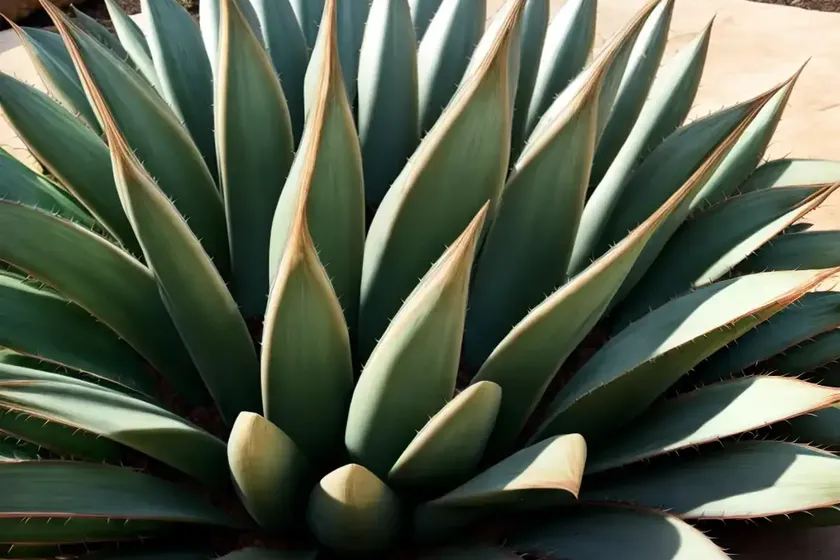
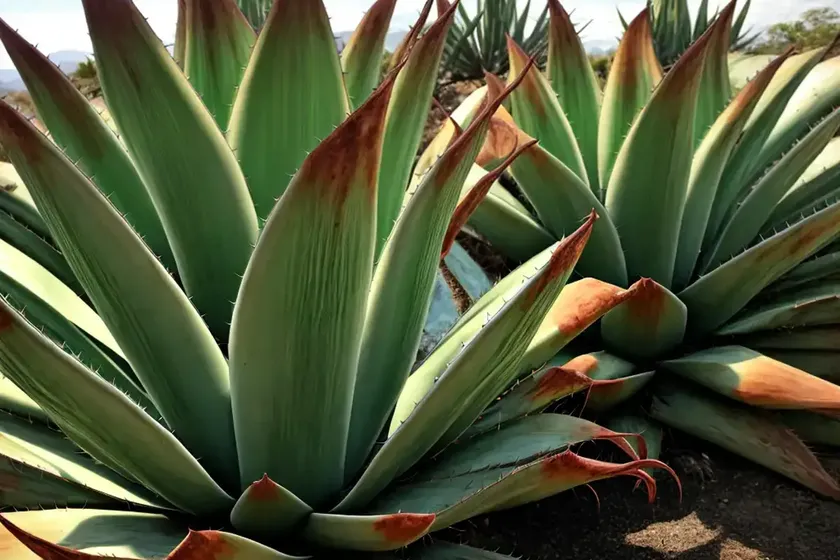
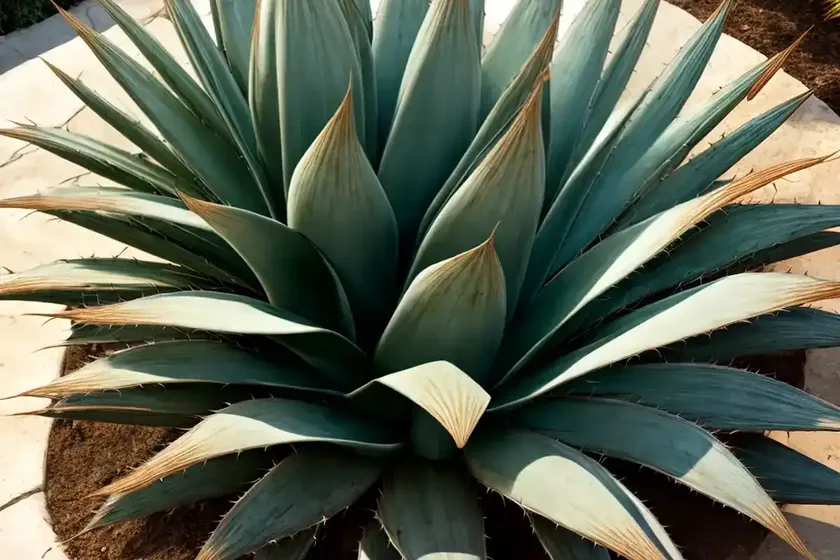
Agave ‘Joe Hoak’ is a stunning succulent plant that adds a touch of elegance to any landscape or indoor setting. Its unique features, drought tolerance, and showy foliage make it a popular choice among gardeners and landscapers. In this comprehensive guide, we will delve into all aspects of Agave ‘Joe Hoak’, from its characteristics and care tips to its landscape uses and health benefits.
What is Agave ‘Joe Hoak’?
Agave ‘Joe Hoak’ is a striking succulent plant known for its rosettes of thick, spiky leaves and architectural appeal. Belonging to the Agave genus, it is a member of the Asparagaceae family, which also includes other well-known succulents such as Aloe and Haworthia.
Originating from the arid regions of Mexico, Agave ‘Joe Hoak’ is well-adapted to thrive in hot and dry conditions, making it an excellent choice for xeriscaping and water-wise gardening. Its low maintenance requirements and stunning appearance make it a versatile plant for both indoor and outdoor settings.
Key Takeaways
- Characteristics: Agave ‘Joe Hoak’ is characterized by its rosettes of thick, spiky leaves and showy foliage, making it a visually striking addition to any garden or landscaping project.
- Care Tips: This succulent requires well-draining soil, ample sunlight, and minimal water to thrive. It is also important to protect it from frost and provide adequate ventilation to prevent diseases.
- Cultivation Guide: Agave ‘Joe Hoak’ can be propagated from offsets and requires minimal intervention once established. It is well-suited for container gardening and is an ideal choice for modern landscaping designs.
- Landscape Uses: With its architectural appeal and low maintenance requirements, Agave ‘Joe Hoak’ is commonly used as a focal point in rock gardens, xeriscapes, and desert-themed landscapes.
Now, let’s delve deeper into the various aspects of caring for and utilizing Agave ‘Joe Hoak’, from its cultural requirements to its landscape uses and unique features.
Agave ‘Joe Hoak’ Characteristics
Agave ‘Joe Hoak’ possesses a range of unique characteristics that make it a standout addition to any plant collection or landscape design. Understanding its key features is essential for providing the optimal growing conditions and care it requires.
Plant Profile
- Botanical Name: Agave ‘Joe Hoak’
- Common Name: Joe Hoak Agave
- Family: Asparagaceae
- Genus: Agave
- Origin: Mexico
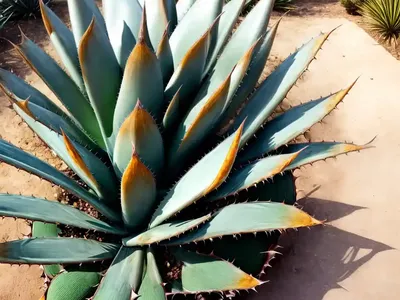
- Foliage: Rosettes of thick, spiky leaves
- Color: Variegated green and creamy white
- Size: Can reach a height and spread of 2-3 feet
- Flowering: Typically blooms once in its lifetime, producing a tall flower spike
Unique Features
- Showy Foliage: The striking variegated leaves of Agave ‘Joe Hoak’ create a visually captivating display, adding interest to any garden or landscape.
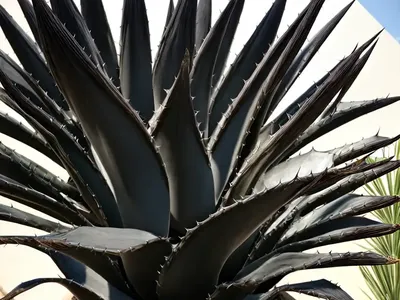
- Architectural Appeal: Its symmetrical rosette form and spiky foliage make it a distinctive architectural plant, suitable for modern and minimalist landscaping designs.
- Drought Tolerance: With its ability to store water in its leaves, Agave ‘Joe Hoak’ is exceptionally well-adapted to arid environments and requires minimal irrigation once established.
Varieties
While Agave ‘Joe Hoak’ is a specific cultivar, the Agave genus includes a diverse range of species and cultivars, each with its own unique characteristics and appearances. Varieties within the Agave genus may differ in terms of leaf color, size, and growth habits, offering a wide selection for plant enthusiasts and landscapers.
Agave ‘Joe Hoak’ Care Tips
Caring for Agave ‘Joe Hoak’ involves providing it with the right growing conditions, maintaining proper soil and water management, and protecting it from potential pests and diseases. Here are essential care tips to ensure the health and vigor of this stunning succulent.
Watering Requirements
- Establishment Phase: During the initial establishment period, it is important to water the plant regularly to encourage root development. However, ensure that the soil is well-draining to prevent waterlogged conditions, which can lead to root rot.
- Mature Plants: Once established, Agave ‘Joe Hoak’ is highly drought-tolerant and requires minimal watering. Water deeply but infrequently, allowing the soil to dry out completely between watering sessions.
- Winter Care: In colder months, reduce watering frequency to prevent excess moisture during the plant’s dormant phase. Protect it from winter rainfall and provide shelter if grown in containers.
Sunlight Preferences
- Full Sun: Agave ‘Joe Hoak’ thrives in full sunlight and requires at least 6-8 hours of direct sunlight per day. Plant it in a location with ample sun exposure to promote healthy growth and vibrant foliage colors.
- Indoor Cultivation: For indoor cultivation, place the plant near a south or west-facing window to ensure it receives sufficient sunlight. Supplemental grow lights can be utilized to provide adequate light levels if natural sunlight is limited.
Soil Preferences
- Well-Draining Soil: Agave ‘Joe Hoak’ prefers soil that is well-draining and sandy, with good aeration to prevent water accumulation around the roots. A specialized cactus and succulent potting mix or a blend of sand, perlite, and regular potting soil can provide the ideal growing medium.
- Avoid Waterlogged Conditions: It is crucial to avoid heavy or water-retentive soils, as they can lead to root rot and other moisture-related issues. Amending the soil with additional drainage materials can improve soil structure and prevent waterlogging.
Fertilizer
- Minimal Fertilization: Agave ‘Joe Hoak’ is not heavy feeder and generally does not require frequent fertilization. A balanced, liquid fertilizer formulated for cacti and succulents can be applied sparingly during the growing season to provide essential nutrients.
- Diluted Application: When fertilizing, dilute the fertilizer to half or quarter strength to avoid overfeeding, which can lead to excessive foliage growth at the expense of the plant’s natural form.
Pruning Techniques
- Minimal Pruning: Agave ‘Joe Hoak’ typically requires minimal pruning, as it naturally maintains its compact rosette form. Remove any dead or damaged leaves by cutting them off at the base to promote the overall health and appearance of the plant.
- Pruning for Safety: When pruning, wear protective gloves and exercise caution, as the spiky leaves of Agave ‘Joe Hoak’ can cause injury if improperly handled.
Disease Prevention
- Adequate Ventilation: To prevent fungal diseases such as root rot and leaf spot, ensure that the plant is provided with adequate airflow and ventilation, especially in humid environments.
- Avoid Overwatering: Overwatering is a common cause of root-related diseases in Agave ‘Joe Hoak’. Allow the soil to dry out thoroughly between waterings to prevent conditions favorable to pathogens.
Pest Control
- Watch for Pests: Keep an eye out for common succulent pests, including mealybugs, scale insects, and spider mites. Regularly inspect the plant’s foliage and stem crevices for signs of infestations to address them promptly.
- Natural Predators: Encouraging natural predators such as beneficial insects can help control pest populations without the need for chemical interventions.
Agave ‘Joe Hoak’ Propagation Methods
Agave ‘Joe Hoak’ can be propagated through offsets, allowing for the expansion of your plant collection or the sharing of this magnificent succulent with fellow enthusiasts. Understanding the propagation techniques is essential for successfully multiplying this unique plant.
Offset Division
- Identification: Agave ‘Joe Hoak’ produces offsets, also known as “pups,” around the base of the parent plant. These offsets can be identified as miniature rosettes with their own set of roots.
- Separation: Carefully separate the offsets from the parent plant using a sharp, sterilized knife or pruners. Ensure that each offset has a portion of its own root system attached.
- Planting: Plant the separated offsets in well-draining soil or a suitable growing medium and provide them with the same care and environmental conditions as mature plants.
Seed Propagation
- Germination Process: While Agave ‘Joe Hoak’ can be propagated from seeds, this method requires patience and specific conditions to achieve successful germination. Seeds can be sown in a well-draining seed-starting mix and kept consistently moist until germination occurs.
- Growth Timeline: Seed-propagated Agave ‘Joe Hoak’ plants develop slowly, requiring several years to reach maturity and exhibit the characteristic features of the parent plant.
Agave ‘Joe Hoak’ Uses
Agave ‘Joe Hoak’ is a versatile plant with a range of practical and aesthetic uses in both indoor and outdoor settings. Whether as a focal point in a xeriscape garden or an elegant addition to a modern landscape design, it offers numerous benefits and applications.
Landscape Uses
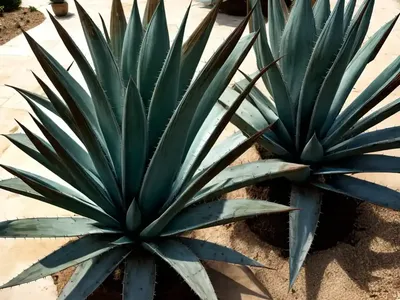
- Focal Point: Due to its striking appearance and architectural allure, Agave ‘Joe Hoak’ serves as an eye-catching focal point in landscape designs, drawing attention and creating visual interest.
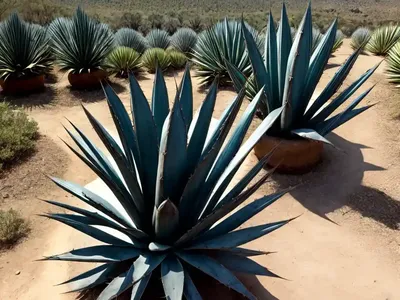
- Xeriscape Gardens: In water-wise and drought-tolerant landscapes, Agave ‘Joe Hoak’ contributes to the creation of low-maintenance and sustainable gardens, requiring minimal irrigation and care.
- Rock Gardens: Its low water requirements and ability to thrive in rocky, well-draining soils make Agave ‘Joe Hoak’ an ideal addition to rock gardens and arid landscapes.
Container Gardening
- Indoor Display: Agave ‘Joe Hoak’ is well-suited for indoor cultivation, adding a touch of elegance and sophistication to interior spaces. Planted in decorative containers, it becomes a unique and low-maintenance decorative element.
- Modern Landscapes: In contemporary and minimalist landscape designs, Agave ‘Joe Hoak’ can be featured in sleek containers, contributing to the clean and architectural aesthetic of the overall design.
Decorative Uses
- Architectural Accent: The symmetrical form and spiky foliage of Agave ‘Joe Hoak’ serve as a striking architectural accent, complementing modern and contemporary outdoor spaces.
- Container Arrangements: When combined with other succulents or ornamental grasses, Agave ‘Joe Hoak’ enhances container arrangements, adding texture, form, and visual interest.
Medicinal Properties
While Agave ‘Joe Hoak’ is primarily cultivated for ornamental and landscaping purposes, certain species within the Agave genus have been traditionally used for medicinal purposes. However, it is important to consult reliable sources and experts for accurate information on the potential medicinal uses of Agave plants.
Agave ‘Joe Hoak’ Popularity
The unique characteristics and benefits of Agave ‘Joe Hoak’ contribute to its growing popularity among plant enthusiasts, landscapers, and gardening communities. Its visual appeal, low maintenance requirements, and versatility make it an attractive choice for a wide range of applications.
Garden Design Trends
- Modern Landscapes: The sleek and architectural appeal of Agave ‘Joe Hoak’ aligns with the trend of modern and minimalist landscapes, where clean lines and striking focal points are highly sought after.
- Low Maintenance Gardening: As more individuals seek low maintenance and water-wise gardening solutions, the use of succulents such as Agave ‘Joe Hoak’ becomes increasingly popular in contemporary landscape designs.
Social Media Influence
- Sharing Beautiful Displays: Gardeners and plant enthusiasts often showcase the stunning foliage and unique features of Agave ‘Joe Hoak’ on social media platforms, inspiring others to incorporate this attractive succulent into their own gardening projects.
- Educational Content: There is a growing trend of sharing educational content about succulent care and cultivation, with Agave ‘Joe Hoak’ often featured as a prime example of a visually striking and low-maintenance succulent.
Horticultural Events
- Showcasing Diversity: Horticultural events and garden exhibitions frequently highlight the diversity and ornamental value of succulents, including Agave ‘Joe Hoak’, attracting attention from landscape designers and gardening enthusiasts.
Agave ‘Joe Hoak’ Common Diseases
While Agave ‘Joe Hoak’ is generally resilient to diseases, certain environmental conditions and improper care practices can predispose it to specific issues. Understanding common diseases and their prevention is crucial for maintaining the overall health of the plant.
Root Rot
- Causes: Prolonged periods of soil saturation, especially in poorly draining soils, can lead to root rot in Agave ‘Joe Hoak’.
- Prevention: Ensure that the plant is grown in well-draining soil and avoid overwatering to prevent conditions conducive to root rot pathogens.
Leaf Spot
- Environmental Factors: Excessive moisture and poor air circulation can contribute to the development of leaf spot diseases in Agave ‘Joe Hoak’.
- Prevention: Provide good ventilation, avoid overhead watering, and maintain proper spacing between plants to reduce the risk of leaf spot.
Pest-Related Issues
- Mechanical Damage: While not a disease, physical damage caused by pests such as scale insects and mealybugs can create entry points for pathogens, leading to secondary infections.
- Pest Control: Implement effective pest monitoring and control measures to prevent pest-related damage and minimize the risk of secondary infections.
Agave ‘Joe Hoak’ Common Pests
Agave ‘Joe Hoak’ is relatively resistant to pest infestations, but certain pests may still pose a threat to its health and appearance. Understanding common pests and implementing proactive pest management strategies are essential for protecting the plant from potential damage.
Mealybugs
- Appearance: Mealybugs are small, soft-bodied insects covered in a white, waxy substance and are commonly found on the undersides of leaves and in leaf axils.
- Damage: Mealybugs feed on plant sap, causing wilting, yellowing of foliage, and the secretion of honeydew, which can lead to the growth of sooty mold.
- Control: Use a targeted insecticidal soap or horticultural oil to eradicate mealybug infestations. Additionally, introducing natural predators such as ladybugs and lacewings can help manage their populations.
Scale Insects
- Identification: Scale insects are often immobile and form protective shells on plant stems and leaves, appearing as bumps or scales.
- Damage: They feed on plant sap, causing yellowing of foliage, stunted growth, and the weakening of the plant. Heavy infestations can lead to the decline of the plant’s overall health.
- Control: Prune and dispose of heavily infested plant parts, then apply a targeted horticultural oil or insecticidal soap to eliminate remaining scale insects. Regular monitoring is essential for early detection and control.
Spider Mites
- Signs of Infestation: Presence of fine webbing on plant foliage, stippling or discoloration of leaves, and decreased plant vigor are indicative of spider mite infestations.
- Damage: Spider mites suck the sap from plant cells, leading to the discoloration and desiccation of leaves, especially in hot and dry environments.
- Control: Use a forceful water spray to dislodge spider mites from the plant or apply a targeted horticultural oil to suffocate and eradicate the pests.
Agave ‘Joe Hoak’ Botanist’s Tips
As a botanist specializing in succulent plants, I have cultivated and studied Agave ‘Joe Hoak’ extensively, gaining valuable insights into its growth habits, care requirements, and unique attributes. Here are some exclusive tips for successfully cultivating and enjoying the beauty of this exceptional succulent.
Ventilation is Essential
- Prevent Disease: Good air circulation is crucial for Agave ‘Joe Hoak’ to prevent the development of fungal diseases, particularly in humid or still environments.
- Outdoor Cultivation: Position plants in locations with sufficient air movement, especially in areas prone to high humidity, to reduce the risk of fungal issues.
Protection from Frost
- Cold Tolerance: While Agave ‘Joe Hoak’ exhibits some cold tolerance, it is essential to protect it from freezing temperatures, especially during the winter months or in colder hardiness zones.
- Covering and Insulation: For outdoor plants, provide protective covering or insulation during cold snaps to prevent frost damage to the foliage and roots.
Minimal Watering
- Established Plants: Once Agave ‘Joe Hoak’ is established, watering should be minimal, with deep but infrequent sessions.
- Learn to Observe: Cultivate a sense of observation and learn to recognize the soil moisture levels and plant responses to determine the appropriate watering schedule for your specific growing conditions.
Proper Soil Structure
- Well-Draining Medium: Ensure that the soil or growing medium used for Agave ‘Joe Hoak’ provides excellent drainage, preventing water accumulation around the roots.
- Amendment: If the existing soil is not well-draining, amend it with sand, perlite, or pumice to improve its structure and prevent waterlogging.
Sunlight Optimization
- Preference for Full Sun: Position Agave ‘Joe Hoak’ in a location that receives ample sunlight, ensuring that it gets at least 6-8 hours of direct sun exposure daily.
- Indoor Cultivation: If grown indoors, place the plant near a south or west-facing window to maximize the intake of natural sunlight.
Safety Precautions
- Protective Gear: When handling Agave ‘Joe Hoak’ for maintenance or propagation, use protective gloves and take caution to avoid injury from the sharp leaf tips and spines.
- Pruning Tips: Ensure that pruning tools are sharp and clean to minimize potential damage to the plant and reduce the risk of transmitting diseases.
Seasonal Considerations
- Winter Protection: In colder climates, provide winter protection for outdoor Agave ‘Joe Hoak’ plants to prevent damage from frost and freezing temperatures.
- Summer Management: During hot and dry summer months, monitor the plant for signs of water stress and provide adequate irrigation to maintain its health and vigor.
Companion Plant Selection
- Similar Watering Needs: When selecting companion plants for Agave ‘Joe Hoak’, consider species with similar water requirements to ensure compatibility and efficient watering practices.
- Aesthetic Complement: Choose companion plants that complement Agave ‘Joe Hoak’ in terms of color, form, and texture, creating visually appealing combinations in the garden.
Agave ‘Joe Hoak’ Fun Facts
Discover some captivating and lesser-known facts about Agave ‘Joe Hoak’, adding to its allure and intrigue as a unique succulent plant.
- Longevity: Agave ‘Joe Hoak’ is a long-lived plant, with some species in the Agave genus living up to 25-30 years before blooming and producing seeds.
- Tequila Source: Certain species of Agave are used in the production of tequila, with the agave core, known as the piña, serving as a key ingredient in the distillation process.
- Diverse Uses: Beyond its ornamental value, different agave species have been historically used for various practical purposes, including fiber production and food sources.
- **