Agave Macroacantha (Black-Spined Agave)
Agave macroacantha , commonly known as Black-Spined Agave, is a stunning succulent plant native to Mexico. With its striking appearance and relatively low.
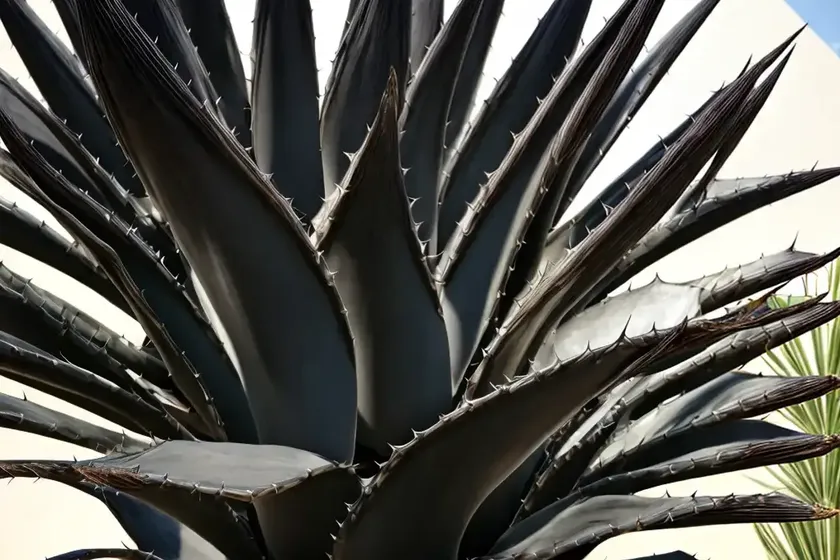
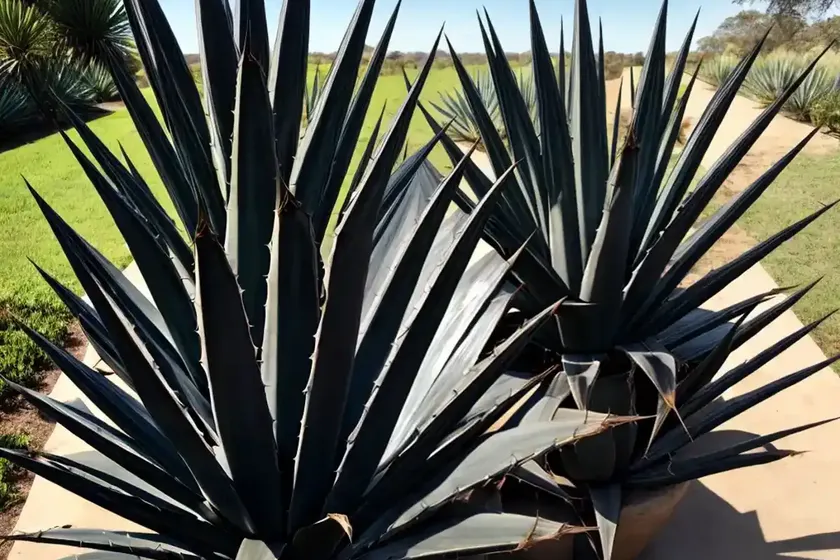
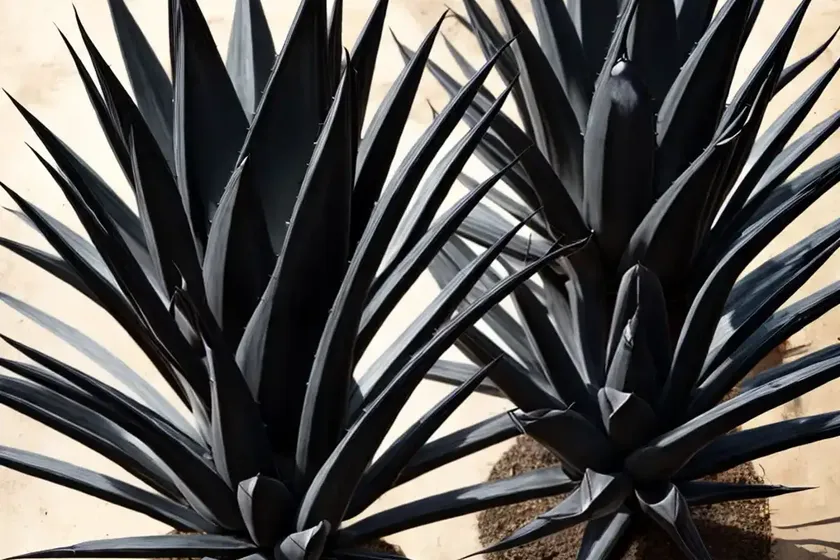
Agave macroacantha, commonly known as Black-Spined Agave, is a stunning succulent plant native to Mexico. With its striking appearance and relatively low maintenance requirements, it has gained popularity among gardeners and landscaping enthusiasts around the world. In this comprehensive guide, we will delve into the cultural, practical, and ecological aspects of Agave macroacantha, equipping you with the knowledge and skills to cultivate and care for this iconic plant.
What is Agave Macroacantha?
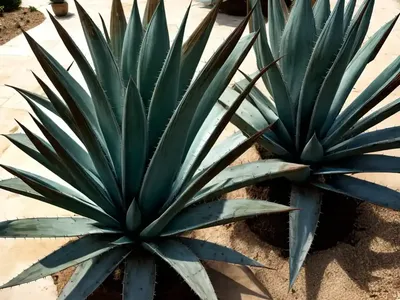
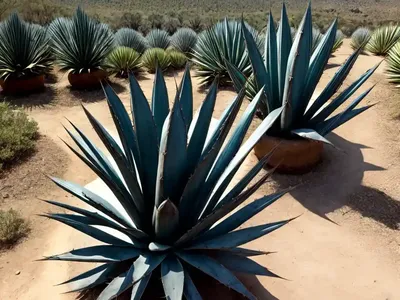
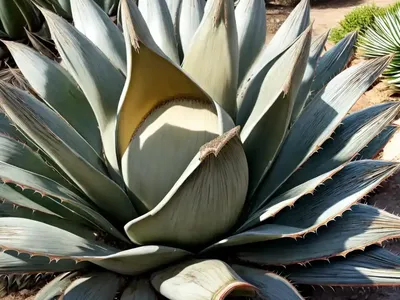
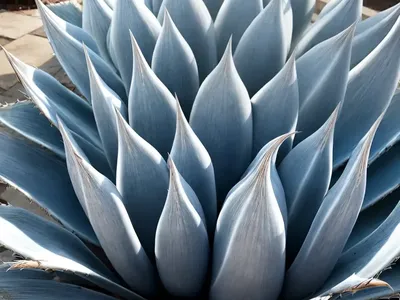
Agave macroacantha belongs to the Asparagaceae family and is a member of the Agave genus, which encompasses a wide variety of succulent plants. This particular species is renowned for its architectural stature, featuring broad, spear-like leaves that are adorned with menacing black spines along their margins. The plant’s visually striking form makes it a compelling choice for arid landscaping, container gardening, and ornamental focal points in gardens.
Key Takeaways – Agave Macroacantha (Black-Spined Agave)
Before we embark on our exploration of the captivating world of Agave macroacantha, it’s important to highlight some key takeaways that will guide our journey:
- Agave macroacantha, also known as Black-Spined Agave, is a visually striking succulent plant prized for its bold appearance and low maintenance requirements.
- This plant is characterized by its broad, spear-like leaves that are adorned with black spines, adding a dramatic touch to any landscape or garden setting.
- Cultivating Agave macroacantha is well-suited for individuals interested in water-wise gardening, xeriscaping, and creating visually impactful outdoor spaces.
Now, let’s venture into the various facets of Agave macroacantha, from its cultural preferences to practical care guidelines and its ecological significance.
Culture
Understanding the cultural preferences of Agave macroacantha is crucial for successfully integrating it into diverse gardening and landscaping contexts. Culturally, this species is tailored towards arid and semi-arid environments and is ideally suited to regions with well-drained soils and ample sunlight. Let’s dive into the specific cultural requirements for growing and nurturing this remarkable succulent.
Uses
Agave macroacantha is cherished for its versatility and can be utilized in a myriad of applications, including:
- Landscaping: The architectural form of the Black-Spined Agave makes it an excellent choice for arid landscaping, rock gardens, and contemporary garden designs.
- Container Gardening: Its adaptability to container settings allows for the creation of striking focal points on patios, terraces, and balconies.
- Ornamental Plantings: With its dramatic visual characteristics, Agave macroacantha serves as an exceptional ornamental plant in both residential and commercial landscapes.
Water
One of the defining features of Agave macroacantha is its remarkable drought tolerance, making it an ideal candidate for water-wise landscaping and gardening. Understanding the watering requirements of this species is essential for promoting its optimal growth and vitality.
Sunlight
Agave macroacantha thrives in full sunlight and requires a minimum of six hours of direct sunlight per day for healthy growth. When incorporating this species into your landscape, ensure that it is positioned in a location that receives ample sunlight to facilitate its photosynthetic processes and overall vigor.
Fertilizer
As a resilient succulent, Agave macroacantha has modest fertilizer needs. When fertilizing this species, opt for a well-balanced, low-nitrogen fertilizer diluted to half-strength. Apply the fertilizer sparingly during the growing season to provide the plant with essential nutrients without overstimulating excessive growth.
Soil
The ideal soil for Agave macroacantha is well-draining and is best composed of a gritty, sandy mix that ensures excess water does not accumulate around the roots. When cultivating this species, avoid heavy, water-retentive soils, as they can lead to root rot and other moisture-related issues.
Pruning
Pruning Agave macroacantha is primarily focused on removing old, withered leaves and maintaining a tidy appearance. Exercise caution when pruning this plant, as the spines along its leaf margins can cause injury. Use appropriate protective gear such as gloves and eye protection when engaged in pruning activities.
Propagation
Propagating Agave macroacantha can be accomplished through several methods, including offsets, bulbils, and seeds. Here are some key considerations for each propagation method:
Offset Propagation
- Carefully remove offsets from mature plants, ensuring that they have developed sufficient root systems.
- Plant the offsets in well-draining soil and provide them with ample sunlight to encourage robust growth.
Bulbil Propagation
- When bulbils develop on the flower stalk of mature plants, carefully detach them and plant them in suitable soil mix.
Seed Propagation
- Sow Agave macroacantha seeds in a well-draining potting mix and maintain consistent moisture levels until germination occurs.
Container Popularity
The Black-Spined Agave’s suitability for container gardening has propelled its popularity among gardening enthusiasts. When considering container gardening with Agave macroacantha, it’s essential to select a spacious, well-draining container that accommodates the plant’s robust root system and allows for healthy growth.
Container Common Diseases
When grown in containers, Agave macroacantha may be susceptible to certain diseases, including:
- Root Rot: This can occur if the plant is exposed to excessive moisture, emphasizing the need for well-draining soil and appropriate watering practices.
- Fungal Infections: Overly moist conditions can promote the development of fungal diseases, emphasizing the importance of maintaining optimum soil moisture levels.
To mitigate the risk of these diseases, ensure that the container has effective drainage and avoid over-watering.
Disease Diagnosis
Diagnosing diseases in Agave macroacantha primarily involves observing changes in the plant’s appearance and growth patterns. Look for symptoms such as wilting, discoloration, and unusual growths, and promptly address any signs of disease through appropriate cultural adjustments and targeted treatment methods.
Common Pests
While Agave macroacantha is relatively resistant to pests, it may occasionally encounter challenges from:
- Snout Weevils: These pests can damage the plant by feeding on its tissues, necessitating prompt intervention to control their population and protect the plant’s vitality.
- Mealybugs: These pests can commonly infest succulent plants, including Agave macroacantha, and should be addressed with suitable insecticidal treatments if identified.
Vigilance and proactive pest management are essential for safeguarding the health and aesthetics of Agave macroacantha.
Botanist’s Tips
To ensure the successful cultivation and care of Agave macroacantha, consider the following expert tips:
- Well-Draining Soil: Prioritize the use of well-draining soil to prevent moisture-related issues and create an optimal growing environment for this species.
- Sufficient Sunlight: Ensure that Agave macroacantha is positioned in a location that receives ample sunlight, promoting its vigorous growth and development.
- Moderate Watering: Exercise restraint when watering this species, as it thrives in arid conditions and is adapted to infrequent moisture availability.
Fun Facts
To further enrich your appreciation for Agave macroacantha, here are some intriguing and delightful fun facts about this remarkable plant:
- The mature Black-Spined Agave plant can produce a towering flower spike that garners attention with its striking floral display.
- Agave macroacantha has historical significance in Mexican culture, where it has been utilized for various practical and ceremonial purposes for centuries.
Now that we have delved into the cultural, practical, and aesthetic dimensions of Agave macroacantha, it’s important to highlight the valuable external resources that can further enhance your understanding and mastery of this captivating plant.
Links to External Resources
For additional insights and guidance on the cultivation, care, and uses of Agave macroacantha, consider exploring the following external resources:
- The American Agave Society: This reputable organization offers a wealth of knowledge on diverse agave species, including Agave macroacantha, and provides valuable resources for enthusiasts and horticultural professionals.
- Royal Horticultural Society – Agave Guide: The Royal Horticultural Society provides an extensive guide to cultivating agaves, underscoring their diversity and cultural significance.
By engaging with these exceptional resources, you can fortify and expand your expertise in the realm of Agave macroacantha and advance your capabilities in nurturing and appreciating this extraordinary succulent plant.
In conclusion, Agave macroacantha, or Black-Spined Agave, stands as a captivating symbol of resilience, architectural elegance, and ecological adaptability. By incorporating this plant into diverse gardening and landscaping contexts, individuals can experience the enduring allure and practical benefits of cultivating a species that thrives in arid environments while making a bold visual statement. With careful attention to its cultural needs, optimal care practices, and ecological significance, Agave macroacantha embodies the harmonious convergence of practicality and aesthetic appeal, enriching outdoor spaces and fostering a deeper connection to the natural world.
From enriching arid landscapes to gracing container gardens, this magnificent succulent plant invites us to appreciate the enduring beauty and vitality of species adapted to thrive in challenging environments, offering valuable lessons and inspiration for sustainable, water-wise gardening and landscape design.
By embracing the captivating allure and practical benefits of Agave macroacantha, we can cultivate a greater appreciation for the dynamic interplay between plants and their environments, while celebrating the enduring splendor of a species that embodies the essence of resilience and natural elegance.