Agave ‘Kissho Kan’ (Butterfly Agave)
Agave ‘Kissho Kan’, commonly known as Butterfly Agave, is a striking succulent that has been gaining popularity among gardeners and landscapers. With its.
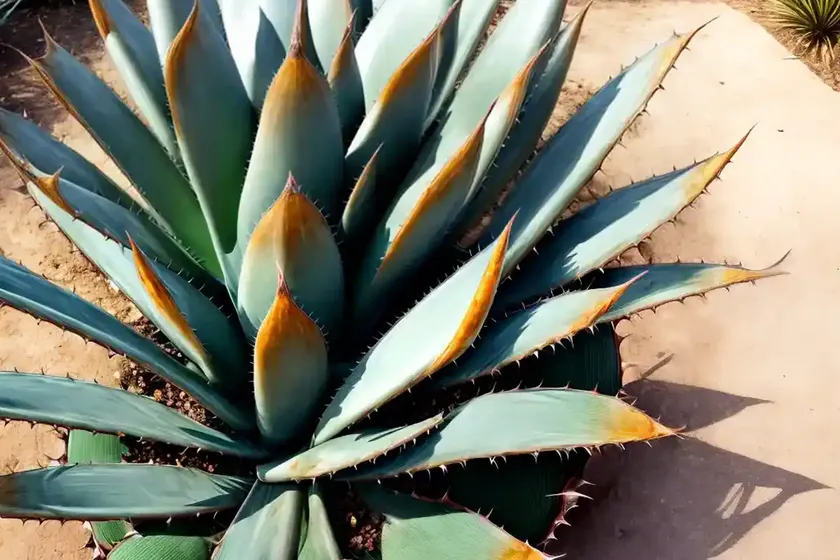
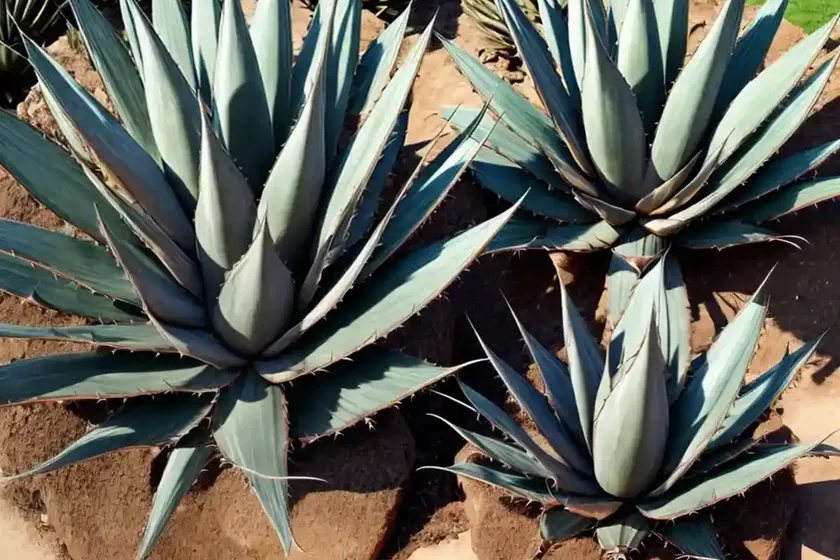
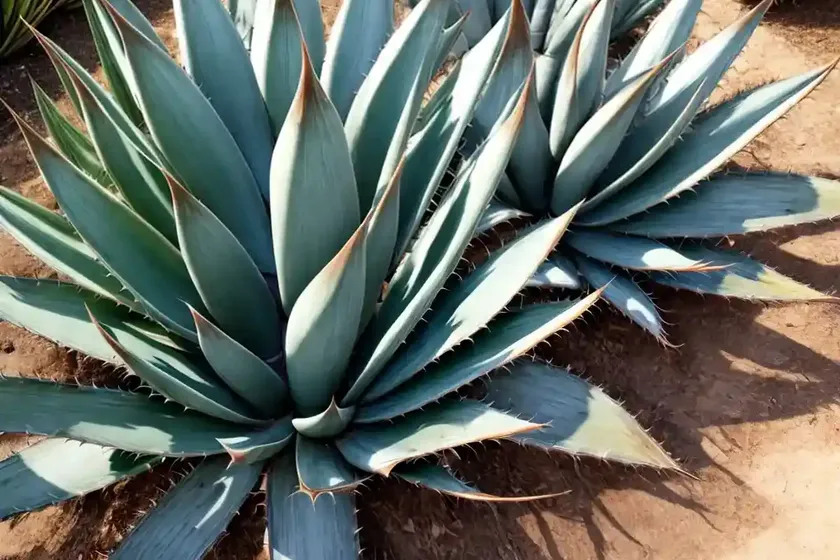
Agave ‘Kissho Kan’, commonly known as Butterfly Agave, is a striking succulent that has been gaining popularity among gardeners and landscapers. With its unique appearance and low maintenance requirements, this plant has become a favorite for those looking to add a touch of elegance and desert charm to their outdoor spaces.
In this comprehensive guide, we will delve into the characteristics, care tips, uses, and cultivation of Agave ‘Kissho Kan’. Whether you are a seasoned gardener or just starting with your green thumb, this article will provide you with all the essential information you need to cultivate and appreciate this fascinating plant.
What is Agave ‘Kissho Kan’?
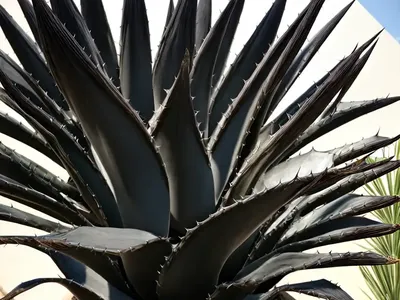
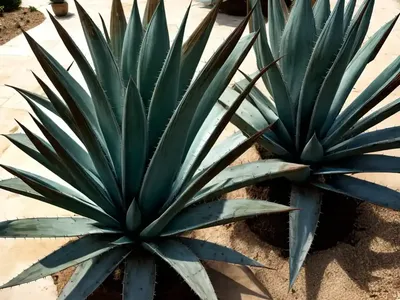
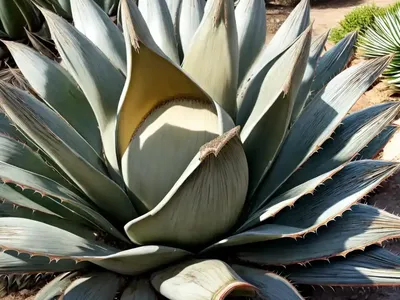
Agave ‘Kissho Kan’ is a cultivar of the Agave family, known for its stunning variegated foliage and compact size. It is a slow-growing succulent that forms rosettes of thick, spiky leaves, making it an excellent choice for arid and desert-themed gardens.
The plant gets its common name, Butterfly Agave, from the unique shape and pattern of its leaves, resembling the wings of a butterfly. This distinctive characteristic sets Agave ‘Kissho Kan’ apart from other members of its genus, making it a sought-after addition to ornamental gardens and landscaping projects.
Key Takeaways – Agave ‘Kissho Kan’ (Butterfly Agave)
Before we delve into the specifics of caring for Agave ‘Kissho Kan’, let’s outline some key takeaways that will guide our exploration of this fascinating succulent:
- Plant Name: Agave ‘Kissho Kan’ (Butterfly Agave)
- Family: Asparagaceae
- Common Name: Butterfly Agave
- Plant Type: Succulent
- Characteristics: Variegated leaves, compact size, slow-growing
- Uses: Ornamental gardens, xeriscaping, container gardening
- Water Requirements: Low to moderate
- Sunlight: Full sun to partial shade
- Soil Preferences: Well-draining, sandy or rocky soil
- Hardiness: USDA zones 9-11
Now that we have an overview of Agave ‘Kissho Kan’, let’s dive into the details of its culture, uses, and care requirements.
Culture
Water
Agave ‘Kissho Kan’ is highly adaptable to arid conditions and has low to moderate water requirements. As with most succulents, it is essential to allow the soil to dry out between waterings to prevent root rot and fungal diseases. During the growing season, which typically spans from spring to fall, a thorough watering once every two weeks is generally sufficient. In contrast, during the winter months, the plant goes into dormancy, and watering should be reduced to once a month or as needed.
When watering Agave ‘Kissho Kan’, it is crucial to ensure that excess water drains freely from the pot or soil to prevent waterlogging, which can be detrimental to the plant’s health. Additionally, rainfall can contribute significantly to the plant’s water needs, and it is advisable to adjust your watering schedule based on natural precipitation.
Sunlight
In its natural habitat, Agave ‘Kissho Kan’ thrives in full sun, receiving direct sunlight for the majority of the day. When grown in a garden or outdoor setting, it is essential to provide the plant with ample sunlight to support healthy growth and vibrant leaf coloration. However, if you are cultivating Agave ‘Kissho Kan’ in a particularly hot or arid climate, partial shade during the intense midday sun can be beneficial in preventing sunburn and dehydration of the leaves.
When grown indoors as a potted plant, it is advisable to place Agave ‘Kissho Kan’ in a location that receives bright, indirect sunlight for the majority of the day. South-facing windows or a sunroom can provide the ideal lighting conditions for indoor cultivation.
Fertilizer
Agave ‘Kissho Kan’ is not a heavy feeder and does not require frequent fertilization to maintain its health and vigor. In fact, excessive fertilization can lead to the accumulation of salts in the soil, which can be detrimental to the plant. During the growing season, applying a balanced, low-nitrogen fertilizer at half-strength once every two to three months can provide the necessary nutrients for optimal growth.
It is important to dilute the fertilizer to avoid overwhelming the plant with nutrients and to water the soil thoroughly after application to prevent potential root damage. Additionally, when using fertilizers, it is advisable to err on the side of caution and monitor the plant’s response to ensure that it is not experiencing any adverse effects.
Soil
The soil preferences of Agave ‘Kissho Kan’ align closely with those of other succulent species, requiring well-draining, sandy, or rocky soil to thrive. A mix of cactus or succulent potting mix combined with perlite, coarse sand, or pumice can provide the ideal growing medium for this plant, promoting good drainage and aeration for the roots.
When planting Agave ‘Kissho Kan’ in the garden, it is crucial to ensure that the soil is well-draining and does not retain excess moisture, as this can lead to root rot and other soil-borne diseases. Amending the soil with organic matter, such as compost or peat moss, can help improve its structure and drainage, creating a more hospitable environment for the plant to establish itself.
Pruning
One of the distinctive features of Agave ‘Kissho Kan’ is its slow growth habit, which minimizes the need for regular pruning. The plant naturally forms compact rosettes of leaves, and dead or damaged foliage can be selectively removed to maintain its overall appearance and health. When pruning the leaves of Agave ‘Kissho Kan’, it is essential to use sharp, sterile tools to prevent the spread of diseases and to make clean cuts close to the base of the plant.
Additionally, as Agave ‘Kissho Kan’ ages, it may produce offsets or “pups” around the base of the plant, which can be carefully separated and propagated to create new individual specimens. We will delve deeper into the propagation techniques for Agave ‘Kissho Kan’ in the subsequent sections.
Propagation
Agave ‘Kissho Kan’ can be propagated through a variety of methods, including division of offsets, rhizome division, and seed propagation. The most common and straightforward method for propagating this succulent is through offsets, which are genetically identical clones of the parent plant.
Division of Offsets
When Agave ‘Kissho Kan’ produces offsets, they can be carefully separated from the parent plant using a sharp, sterile knife or pruning shears. It is essential to ensure that the offsets have developed a sufficient root system before detaching them from the parent, as this increases their chances of successful establishment.
Once separated, the offsets can be potted in a well-draining cactus or succulent mix and placed in a location that receives bright, indirect sunlight. Care should be taken to water the newly potted offsets lightly, allowing the soil to dry out between waterings to promote healthy root growth.
Rhizome Division
For mature Agave ‘Kissho Kan’ plants that have developed an extensive rhizome system, rhizome division can be employed to create new individuals. This method involves carefully separating a portion of the rhizome with attached roots from the main plant and potting it in suitable soil.
Rhizome division should be conducted with care to minimize damage to the parent plant and to ensure that the divided portion has a viable root system to support its growth. Similar to offset division, the newly propagated plants should be placed in a well-lit location and watered sparingly to encourage root development.
Seed Propagation
While less commonly utilized due to the slow growth rate of Agave species, seed propagation can also be employed to propagate Agave ‘Kissho Kan’. This method typically requires more patience and dedication, as succulent seeds can take a considerable amount of time to germinate and develop into mature plants.
Sowing succulent seeds in a well-draining seed starting medium and providing the appropriate environmental conditions, including warmth and humidity, can encourage successful germination. As the seedlings develop, they can be transplanted into individual pots and nurtured until they reach a size suitable for planting in the garden or larger containers.
Container Popularity
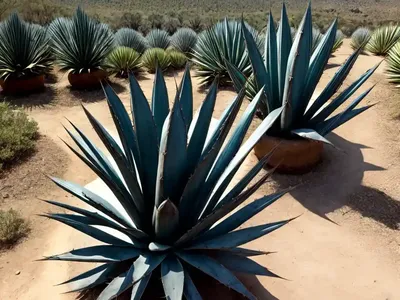
Agave ‘Kissho Kan’ is well-suited for container cultivation, making it a popular choice for enthusiasts with limited garden space or those looking to showcase the plant in prominent locations such as patios, balconies, or entryways. The compact size and striking appearance of Agave ‘Kissho Kan’ make it an excellent candidate for container gardening, adding a touch of elegance and architectural interest to outdoor and indoor spaces.
When selecting a container for Agave ‘Kissho Kan’, it is crucial to choose one with sufficient drainage holes to prevent waterlogging, as succulents are highly susceptible to root rot in poorly drained soil. Additionally, opting for a container that complements the aesthetics of the plant and provides ample room for root expansion is essential for promoting healthy growth and long-term success.
Common Diseases
Like many succulent species, Agave ‘Kissho Kan’ is relatively resistant to diseases when provided with appropriate growing conditions and care. However, there are several issues that can affect the health and vigor of the plant, including fungal infections, rot, and pest infestations. Recognizing the symptoms of common diseases and taking prompt action can help mitigate the impact on the plant’s well-being.
Disease Diagnosis
-
Root Rot: Root rot is a common issue in succulents, typically caused by overwatering and poorly draining soil. Symptoms include wilting, yellowing, and mushy or blackened roots. To prevent root rot, it is crucial to adjust the watering schedule and ensure the soil dries out between waterings.
-
Leaf Spot and Blight: Fungal infections such as leaf spot and blight can manifest as discolored or darkened spots on the leaves, often accompanied by a fuzzy or powdery appearance. Fungal diseases thrive in humid and poorly ventilated conditions, highlighting the importance of providing adequate airflow around the plant and avoiding overhead watering.
-
Pest Infestations: While Agave ‘Kissho Kan’ is relatively resistant to pests, it can occasionally be affected by common succulent pests such as aphids, mealybugs, and spider mites. Regular inspection of the plant’s leaves and stems can help detect early signs of pest infestations, allowing for targeted intervention to prevent widespread damage.
Common Pests
-
Aphids: These small, soft-bodied insects feed on the sap of the plant, often clustering on the undersides of leaves and causing distorted growth and yellowing.
-
Mealybugs: Mealybugs are recognizable by their white, cottony appearance and can be found on the leaves and stems of Agave ‘Kissho Kan’, feeding on plant fluids and excreting honeydew.
-
Spider Mites: These tiny pests can cause stippling or silvering of the leaves as they feed on the plant’s sap, often leading to a weakened and stunted appearance.
Botanist’s Tips
As a plant scientist, I want to share some valuable tips and insights to help you cultivate Agave ‘Kissho Kan’ successfully and appreciate its unique characteristics to the fullest:
-
Monitor Watering Closely: Succulents, including Agave ‘Kissho Kan’, are highly sensitive to overwatering, which can lead to root rot and other issues. Pay close attention to the soil moisture and adjust your watering frequency based on the plant’s needs and environmental conditions.
-
Provide Adequate Sunlight: While Agave ‘Kissho Kan’ thrives in full sun, it is essential to acclimate the plant gradually to intense sunlight if it has been grown in a shaded location. Sudden exposure to direct sunlight can lead to sunburn and stress, impacting the plant’s health.
-
Promote Air Circulation: Good airflow around the plant is essential for preventing fungal diseases and maintaining overall plant vigor. When planting Agave ‘Kissho Kan’ in the garden, allow sufficient space between plants to facilitate air circulation.
-
Exercise Caution When Pruning: The spiky leaves of Agave ‘Kissho Kan’ can pose a hazard during pruning, so it is advisable to wear protective gloves and exercise caution to avoid injury.
Fun Facts
- The variegated leaves of Agave ‘Kissho Kan’ often exhibit striking coloration, featuring shades of green, cream, and sometimes pink or red along the leaf margins.
- Agave plants are known for their architectural beauty and have been used as design elements in landscapes and gardens for centuries.
- Some species of Agave are cultivated for the production of agave nectar, a natural sweetener with a lower glycemic index than traditional sugar.
Now that we have explored the cultural aspects of Agave ‘Kissho Kan’ and gained insights into its care requirements, let’s delve into the diverse uses of this captivating succulent.
Links to External Resources
- Agave Plant Varieties – World of Succulents
- Butterfly Agave Care Tips – The Spruce
- Agave ‘Kissho Kan’ Characteristics – Plant Delights Nursery
- Growing Agave ‘Kissho Kan’ – Gardening Know How
- Agave ‘Kissho Kan’ Garden Ideas – Sunset Magazine
- Agave ‘Kissho Kan’ Landscape Design – HGTV
- Best Agave Plants for Gardens – Better Homes and Gardens
- Agave ‘Kissho Kan’ for Urban Gardens – Urban Organic Gardener
- Low Maintenance Agave Plants – Gardener’s Path
- Agave ‘Kissho Kan’ Drought Tolerance – High Country Gardens
- Agave ‘Kissho Kan’ Water Requirements – Arizona Municipal Water Users Association
- Full Sun Agave Plants – Monrovia
- Agave ‘Kissho Kan’ Soil Preferences – University of Florida IFAS Extension
- Agave ‘Kissho Kan’ Container Gardening – Costa Farms
- Agave ‘Kissho Kan’ as a Focal Point Plant – Southern Living
- Agave ‘Kissho Kan’ as a Border Plant – The National Gardening Association
- Agave ‘Kissho Kan’ in Xeriscaping – Colorado State University Extension
The above resources provide valuable information on various aspects of Agave ‘Kissho Kan’, including its cultivation, uses in gardening and landscaping, and design considerations. As a plant scientist, I encourage you to explore these sources to deepen your understanding of this remarkable succulent.
In the next sections, we will continue to unravel the diverse uses of Agave ‘Kissho Kan’ in traditional and contemporary contexts, its symbolism, and historical significance, as well as insights into its growth habits and distinctive characteristics. Join me in this exploration of the captivating world of Agave ‘Kissho Kan’!