Agave Filifera (Thread Agave)
Introduction Agave filifera, commonly known as the Thread Agave, is a stunning succulent plant with unique characteristics that make it an attractive.
Introduction
Agave filifera, commonly known as the Thread Agave, is a stunning succulent plant with unique characteristics that make it an attractive addition to gardens, landscapes, and indoor spaces. As a plant scientist with a passion for exploring the diverse world of flora, I am excited to delve into the specifics of Agave filifera and provide comprehensive insights into its growth habits, care requirements, landscape uses, and much more. This comprehensive guide aims to serve as a valuable resource for enthusiasts, horticulturists, and anyone looking to enhance their understanding of this fascinating plant.
What is Agave filifera (Thread Agave)?
Agave filifera is a species of agave, belonging to the Asparagaceae family. Native to Mexico, particularly the states of Hidalgo, Querétaro, and San Luis Potosí, this plant is renowned for its striking appearance and adaptability to arid environments. The name “filifera” is derived from the Latin word filum, meaning “thread,” which aptly describes the delicate filaments that adorn the margins of its leaves, hence its common name, Thread Agave.
Key Takeaways – Agave filifera (Thread Agave)
Before delving into the specific aspects of Agave filifera’s care and cultivation, let’s explore a summary of its key attributes and takeaways:
- Growth Habits: Agave filifera exhibits slow but steady growth, forming attractive rosettes of succulent foliage adorned with unique filaments.
- Size and Appearance: It typically reaches a moderate size, and its striking appearance makes it a visually appealing plant for various settings.
- Watering Requirements: As a drought-tolerant species, Agave filifera thrives in arid conditions and requires minimal watering once established.
- Sunlight Needs: It prefers full sun exposure and can withstand intense heat, making it suitable for sunny landscapes.
- Soil Preferences: Well-draining, sandy soils are ideal for promoting the health and growth of Agave filifera.
- Propagation Techniques: Propagation through offsets and seeds can be successfully employed to grow new plants.
- Disease Prevention: Proper care and maintenance can help prevent common diseases, ensuring the plant’s overall health.
- Pests and Control: While relatively pest-resistant, vigilance against certain pests is crucial for preserving its vitality.
In the following sections, we will delve into each of these aspects in detail to provide comprehensive insights into the cultivation and care of Agave filifera.
Culture
The culture of Agave filifera encapsulates its growth habits, environmental needs, and overall adaptability. Understanding the plant’s cultural requirements is essential for providing an optimal growing environment.
Growth Habits
Agave filifera exhibits distinct growth habits that contribute to its allure as a garden or landscape plant. Some key growth habits to note include:
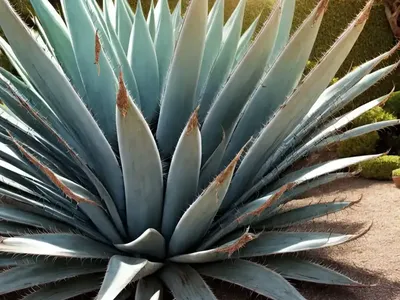
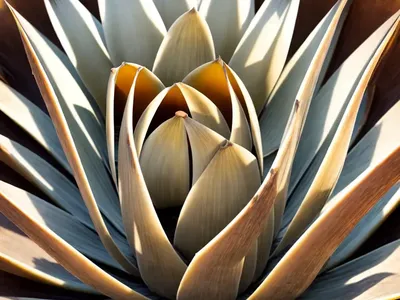
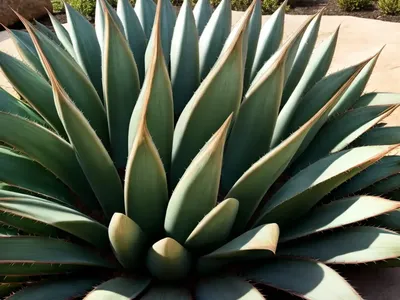
- Rosette Formation: The plant gradually forms compact rosettes, with the leaves radiating from the center to create an aesthetically pleasing symmetry.
- Slow Growth: While it may not exhibit rapid growth, the gradual development of the plant allows for a better appreciation of its unique characteristics.
- Leaf Filaments: The delicate threads or filaments along the leaf margins add an ornamental touch to the plant, enhancing its visual appeal.
Size and Appearance
Understanding the typical size and appearance of Agave filifera is crucial for planning its placement in various settings and managing its growth effectively.
- Moderate Size: Agave filifera tends to attain a moderate size, making it suitable for both indoor and outdoor cultivation.
- Rosette Diameter: The rosettes can reach a diameter of approximately 1 to 2 feet, offering a substantial presence in garden beds or containers.
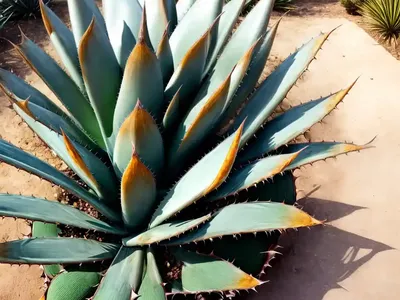
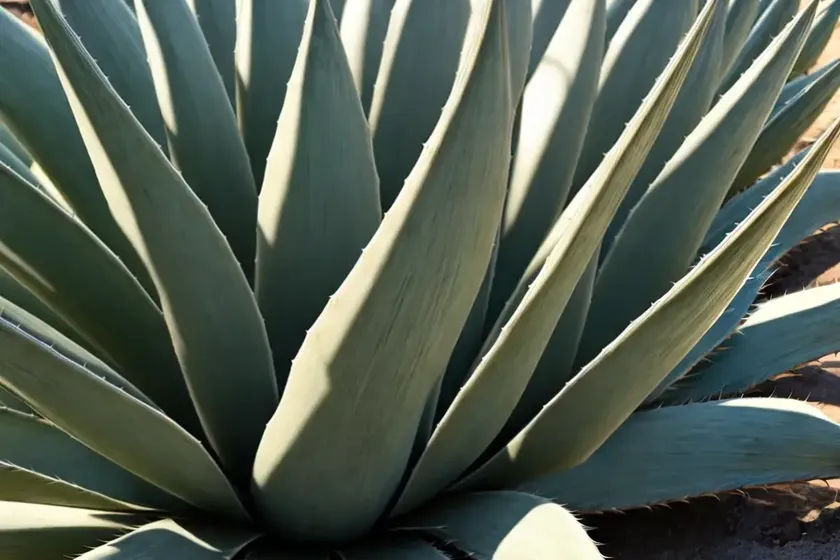
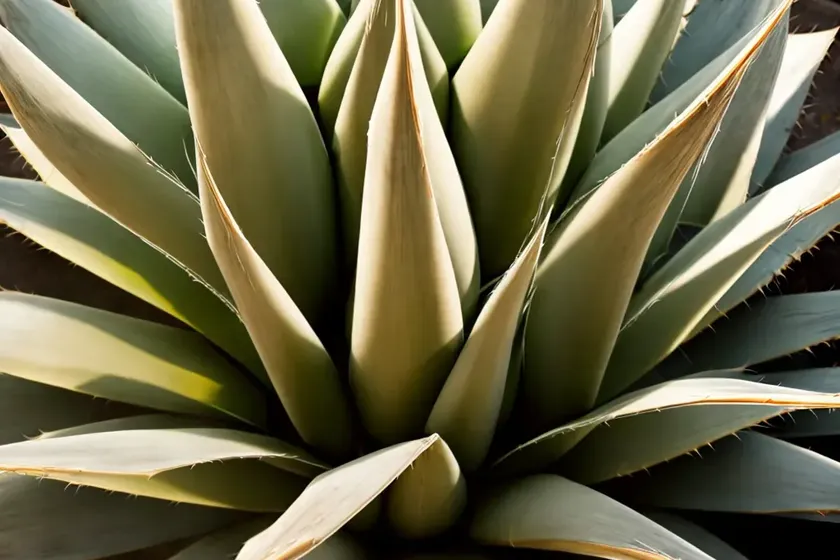
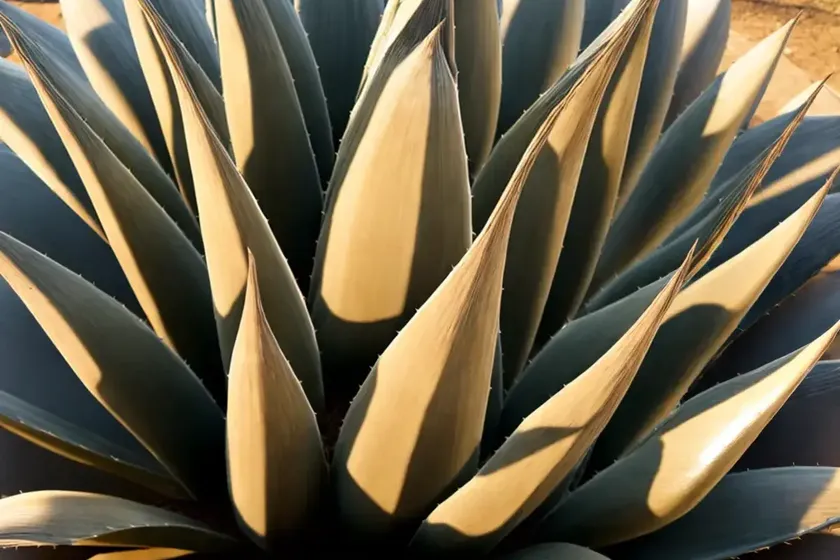
- Leaf Structure: The succulent leaves are thick and fleshy, often with a bluish-grey hue, and feature the characteristic filaments along the margins.
Water
The water requirements of Agave filifera are closely tied to its natural adaptation to arid environments. Understanding its specific watering needs is essential for promoting its health and longevity.
Watering Requirements
- Drought Tolerance: Agave filifera is highly drought-tolerant once established, making it suitable for xeriscapes and water-wise landscapes.
- Minimal Irrigation: It requires infrequent watering, especially in well-draining soils, to prevent excessive moisture, which can lead to rot and other issues.
- Establishment Phase: During the initial establishment period, it is important to provide some supplemental watering to help the plant develop a robust root system.
Sunlight
The sunlight requirements of Agave filifera play a pivotal role in its overall health and aesthetic appeal. Understanding its sunlight needs is essential for selecting the right planting location.
Sunlight Needs
- Full Sun Exposure: Agave filifera thrives in full sun, requiring at least 6 to 8 hours of direct sunlight per day for optimal growth.
- Heat Tolerance: It can withstand intense heat and is well-suited for sunny and hot climates, making it an ideal choice for landscapes with ample sunlight.
Uses
The versatility of Agave filifera extends to various uses, ranging from its ornamental value to its ecological benefits. Exploring its diverse uses provides a holistic understanding of the plant’s significance in different contexts.
Landscape Ornamental Value
Agave filifera is highly prized for its ornamental value, making it a popular choice for landscape enhancement, both in residential and commercial settings. Its uses as an ornamental plant include:
- Accent Plant: It serves as an excellent accent plant, adding architectural interest to garden beds, rock gardens, and desert-themed landscapes.
- Container Specimen: The compact growth habit of Agave filifera makes it well-suited for container gardening, providing versatility in design and placement.
- Xeriscapes and Rock Gardens: Its drought tolerance and striking appearance make it a valuable addition to xeriscapes and rock gardens, where water-wise plants are essential.
Ecological Benefits
Beyond its ornamental appeal, Agave filifera contributes to ecological sustainability and biodiversity by offering various ecological benefits, including:
- Wildlife Habitat: The plant provides a habitat and food source for pollinators, such as bees and hummingbirds, enhancing biodiversity in garden and natural settings.
- Soil Erosion Control: Its deep root system helps stabilize soil and prevent erosion, making it a valuable asset in landscaping for soil conservation.
Maintenance
Caring for Agave filifera involves specific maintenance practices aimed at preserving its health, promoting its growth, and preventing common issues that may affect its vigor. By understanding the maintenance requirements of this plant, enthusiasts can ensure its long-term vitality.
Soil
The soil preferences of Agave filifera are essential considerations, as they directly impact the plant’s ability to thrive and withstand environmental challenges.
Soil Preferences
- Well-Draining Soil: Agave filifera thrives in well-draining soils, such as sandy or sandy loam mixes, which prevent waterlogged conditions and minimize the risk of root rot.
- Arid Adaptation: Its preference for arid, well-drained soils reflects its natural adaptation to dry environments, making it an ideal candidate for xeriscapes.
- Soil pH: While adaptable to a range of pH levels, neutral to slightly acidic soils are generally suitable for promoting optimal growth.
Pruning
Pruning is an essential aspect of Agave filifera care, mainly aimed at removing dead or damaged foliage and managing the plant’s size and shape.
Pruning Practices
- Dead Leaf Removal: Regularly removing dead or withered leaves helps maintain the plant’s aesthetic appeal and prevents potential disease issues.
- Cautionary Measures: Pruning should be approached with care, considering the sharp spines along the leaf margins, and appropriate protective gear should be worn.
Propagation
The propagation of Agave filifera involves techniques aimed at generating new plants from existing specimens, enabling enthusiasts to expand their collection or share the plant with others.
Propagation Techniques
- Offsets: New rosettes, known as offsets or pups, can be carefully separated from the mother plant and replanted to establish new individuals.
- Seed Propagation: While relatively slow, propagation from seeds is also possible, requiring patience and consistent care to nurture the seedlings to maturity.
Fertilizer
Understanding the fertilizer needs of Agave filifera is crucial for providing adequate nutrients while avoiding overfertilization, which can negatively impact the plant’s health.
Fertilization Guidelines
- Minimal Fertilization: Agave filifera generally requires minimal fertilization, as it is adapted to nutrient-poor environments and can thrive without heavy feeding.
- Balanced Fertilizer: If necessary, applying a balanced, low-nitrogen fertilizer during the growing season can provide the plant with the essential nutrients for steady growth.
Common Diseases and Pests
Paying attention to common diseases and pests that may affect Agave filifera is vital for proactive management and preventative measures. By recognizing potential issues and their associated symptoms, plant enthusiasts can safeguard the health of their specimens.
Disease Diagnosis
Agave filifera is generally resilient to diseases, but certain environmental conditions or stress factors can make it susceptible to specific issues.
Common Diseases
- Root Rot: Prolonged exposure to excess moisture or poorly drained soils can lead to root rot, manifesting as wilting, yellowing, or softening of the plant’s base.
- Leaf Spot: Fungal pathogens may cause leaf spot, leading to the development of dark, water-soaked lesions on the leaves, which can spread if not addressed.
Pest Management
While Agave filifera is relatively resistant to pests, occasional vigilance is necessary to address potential pest infestations that can affect its vitality.
Common Pests
- Aphids: These small, sap-sucking insects may occasionally feed on Agave filifera, leading to distorted growth and the secretion of sticky honeydew.
- Snout Weevils: Certain weevil species may target agaves, causing damage to the plant’s apical meristem and leading to deformities in new growth.
Botanist’s Tips
Drawing on the insights of botanists and experienced horticulturists, here are valuable tips for cultivating and caring for Agave filifera based on their expertise and observations.
Cultivation Considerations
- Plant Spacing: When planting Agave filifera in outdoor landscapes, provide ample spacing between individuals to accommodate their mature size and prevent overcrowding.
- Container Drainage: For container cultivation, always ensure proper drainage at the base of the container to prevent waterlogging, which can harm the plant’s roots.
Vigilance and Observation
- Early Pest Detection: Regularly inspect the plant for signs of pest activity, such as leaf damage or the presence of insects, enabling timely intervention to prevent extensive damage.
- Symptom Analysis: Pay close attention to any changes in foliage color, texture, or structure, as these can indicate underlying issues that require attention.
Sustainable Practices
- Water-Wise Approaches: Embrace water-wise gardening practices by incorporating drought-tolerant plants like Agave filifera, minimizing the reliance on irrigation and promoting sustainability.
- Natural Pest Control: Encourage natural pest control measures by fostering a diverse garden ecosystem that attracts beneficial insects and predators that can help manage pest populations.
Fun Facts
- The filaments along the leaf margins of Agave filifera serve a functional purpose, helping to diffuse sunlight and reduce water loss through transpiration.
- Agave filifera is a monocarpic plant, meaning it typically flowers once in its lifetime before setting seeds and undergoing senescence. This flowering event is a remarkable spectacle in the plant’s lifecycle.
Links to External Resources
To expand your knowledge of Agave filifera and explore additional perspectives, I recommend the following external resources:
- Royal Horticultural Society – Agave filifera Information
- The American Phytopathological Society – Plant Health Information – Agave Diseases
In conclusion, Agave filifera, the Thread Agave, presents a myriad of unique attributes and cultivation opportunities, making it a captivating subject for plant enthusiasts and horticulturists. By delving into its growth habits, care requirements, landscape uses, and ecological significance, we gain a comprehensive understanding of this remarkable succulent. Whether adorning a desert-themed garden or contributing to biodiversity through its ecological benefits, Agave filifera exemplifies the intricate relationship between plants and their environments. Embracing its beauty and resilience, we can appreciate the profound role it plays in horticulture, ecology, and the broader tapestry of botanical diversity.