Agave Chrysantha (Golden Flowered Century Plant)
The Agave chrysantha, also known as the Golden Flowered Century Plant, is a stunning succulent that belongs to the Agavaceae family. This unique plant is.
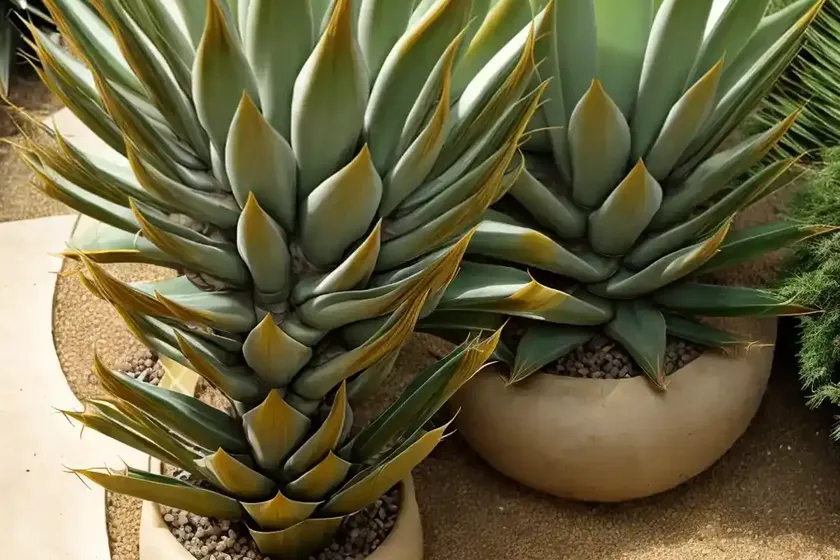
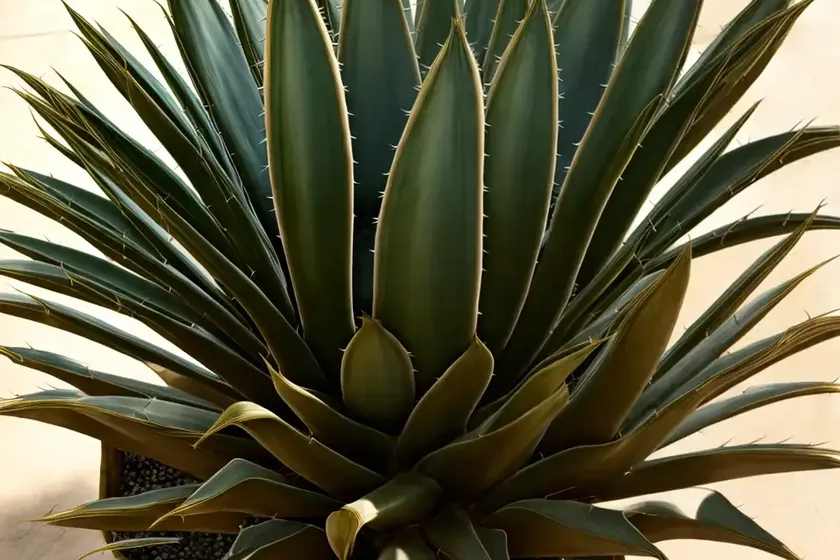
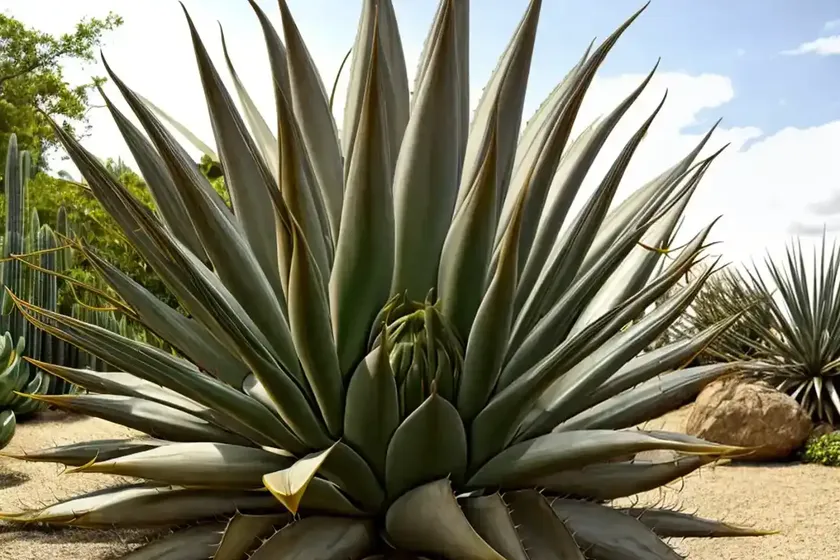
The Agave chrysantha, also known as the Golden Flowered Century Plant, is a stunning succulent that belongs to the Agavaceae family. This unique plant is native to the United States and is particularly abundant in the southwestern regions. With its striking appearance and various uses, the Agave chrysantha has gained popularity among gardeners and plant enthusiasts. In this comprehensive guide, we will delve into the various aspects of this remarkable plant, including its culture, uses, care requirements, and much more.
What is Agave chrysantha?
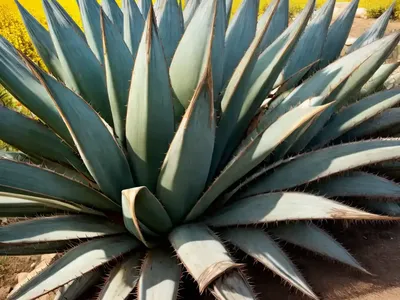
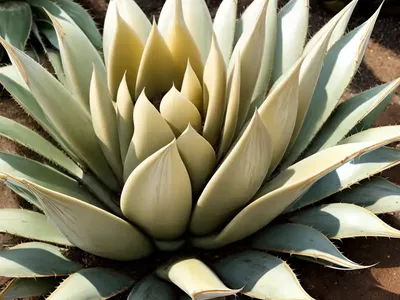
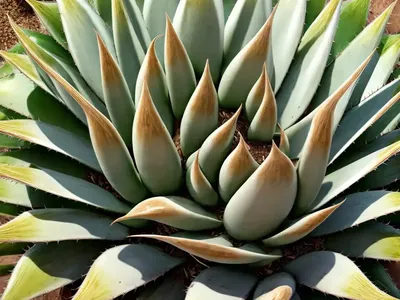
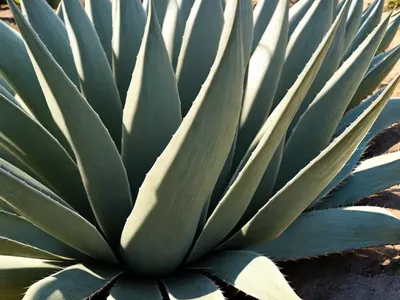
The Agave chrysantha, commonly referred to as the Golden Flowered Century Plant, is a species of agave that is renowned for its attractive appearance and versatility. As a member of the Agavaceae family, this plant is characterized by its succulent leaves and impressive flowering stalk that can reach towering heights. The striking golden flowers of the Agave chrysantha make it a highly sought-after ornamental plant, adding a touch of elegance to gardens and landscapes.
This species is endemic to the southwestern United States, primarily found in states such as Arizona, New Mexico, and Texas. It is well-adapted to arid environments and is often found growing in rocky or sandy soils in desert regions. The Agave chrysantha is well-suited to xeriscaping and is a popular choice for drought-tolerant landscaping due to its low water requirements and resilience in dry conditions.
Key Takeaways – Agave chrysantha (Golden Flowered Century Plant)
Let’s explore the key takeaways of Agave chrysantha, covering its culture, uses, and essential care requirements.
Culture
- The Agave chrysantha thrives in arid environments and is well-suited to xeriscaping.
- Its striking appearance and low maintenance make it a valuable addition to landscapes and gardens.
- The plant’s cultural significance extends to various uses, including its role in landscaping and its historical importance to indigenous communities.
Uses
- The Agave chrysantha has a wide range of uses, including ornamental landscaping, fiber production, and traditional medicinal applications.
- Its golden flowers and architectural form make it a prized ornamental plant, while its fibers have been historically used for weaving and other crafts.
- The plant’s sap and other components have been utilized in traditional medicine by indigenous cultures, showcasing its diverse uses beyond ornamental purposes.
Care Requirements
- Water: The Agave chrysantha exhibits excellent drought tolerance and requires minimal watering once established. It thrives in well-draining soils and is well-adapted to dry conditions.
- Sunlight: This species thrives in full sun and requires ample sunlight to support its growth and flowering.
- Soil: Well-draining, sandy or rocky soils are ideal for the Agave chrysantha, mimicking its natural habitat in desert environments.
- Pruning: Minimal pruning is needed for this low-maintenance plant, primarily for the removal of dead or damaged leaves.
- Propagation: Agave chrysantha can be propagated from offsets, allowing for the expansion of its presence in gardens and landscapes.
Water
The Agave chrysantha, being adapted to arid environments, exhibits remarkable drought tolerance and requires minimal watering once established. Its succulent leaves are capable of storing water, allowing the plant to thrive in dry conditions with infrequent irrigation. When cultivating Agave chrysantha, it is crucial to prioritize well-draining soils to prevent waterlogging and provide an environment that mimics its native habitat. Overly moist conditions can lead to root rot and other issues, highlighting the importance of maintaining a balanced approach to watering.
Sunlight
One of the key factors contributing to the healthy growth and flowering of Agave chrysantha is ample sunlight. This species thrives in full sun, making it a suitable choice for gardens and landscapes with abundant sunlight exposure. When selecting a planting location for Agave chrysantha, ensuring adequate sunlight is essential for its overall well-being and the development of its iconic golden flowers.
Fertilizer
The Agave chrysantha’s minimal fertilizer requirements align with its adaptation to nutrient-poor desert soils. Excessive fertilization can be detrimental to the plant, leading to issues such as overly lush growth and decreased drought tolerance. When applying fertilizer, it is advisable to use a balanced, low-potency formula sparingly to supplement the plant’s nutritional needs.
Soil
Providing well-draining, sandy or rocky soils is crucial when cultivating Agave chrysantha. These soil conditions align with the plant’s natural habitat and support its growth and resilience. Implementing amendments to improve soil drainage, such as incorporating sand or gravel, can create an environment conducive to the Agave chrysantha’s requirements and contribute to its overall health and vigor.
Pruning
Minimal pruning is required for the Agave chrysantha, contributing to its appeal as a low-maintenance ornamental plant. The plant’s architectural form and rosette of succulent leaves typically do not necessitate extensive pruning. However, periodic removal of dead or damaged leaves can enhance the plant’s aesthetic appeal and promote its overall health. Pruning tools should be utilized with care to avoid injury due to the Agave chrysantha’s robust, spiky leaves.
Propagation
The propagation of Agave chrysantha can be achieved through offsets, also known as pups, which are produced as part of the plant’s natural growth process. These offsets can be carefully separated from the parent plant and propagated to establish new individuals. This method allows for the expansion of Agave chrysantha in gardens, landscapes, and horticultural settings, offering opportunities to appreciate its captivating attributes in various environments.
Container Popularity
The Agave chrysantha’s adaptability to container gardening has contributed to its popularity among plant enthusiasts. Its striking appearance, combined with its low maintenance requirements, makes it an excellent choice for container cultivation. Whether displayed on patios, in garden beds, or as part of xeriscaping projects, Agave chrysantha’s presence in containers offers versatility and aesthetic appeal.
Container Common Diseases
When cultivating Agave chrysantha in containers, it is important to be mindful of potential diseases that can affect the plant. While the plant’s resilience to dry conditions and minimal maintenance reduces the likelihood of disease issues, certain factors such as overwatering, poor soil drainage, or environmental stress can contribute to susceptibility to diseases such as root rot or fungal infections. Adequate container drainage, suitable soil mediums, and attentive care can help mitigate the risk of common diseases.
Disease Diagnosis
Identifying and diagnosing diseases affecting Agave chrysantha in containers necessitates a comprehensive understanding of the plant’s symptoms and potential causes. Careful observation of changes in leaf color, texture, and overall plant appearance can provide valuable insights into the presence of diseases or environmental stressors. Prompt action and appropriate remedies are essential in addressing diseases to safeguard the health and vitality of Agave chrysantha in container settings.
Common Pests
While the Agave chrysantha is renowned for its resilience and low susceptibility to pests, certain insects and opportunistic pests may pose occasional challenges to its cultivation. Vigilance in monitoring for pests such as aphids, scale insects, or spider mites can aid in early detection and the implementation of targeted control measures. By maintaining a healthy growing environment and attending to the plant’s needs, the impact of common pests on Agave chrysantha can be effectively minimized.
Botanist’s Tips
- Providing well-draining soils is essential for the successful cultivation of Agave chrysantha, mimicking its native desert habitat and promoting its resilience.
- A balanced approach to watering, emphasizing infrequent irrigation and allowing the soil to dry out between watering sessions, is crucial for supporting the plant’s drought tolerance.
- Selecting a planting location with ample sunlight exposure is paramount for promoting the healthy growth and flowering of Agave chrysantha.
- Regular monitoring for pests and diseases, coupled with proactive management practices, can help maintain the plant’s health and vitality in various settings, including container cultivation.
Fun Facts
- In addition to its ornamental value, the fibers extracted from Agave chrysantha have been historically utilized by indigenous communities for weaving and crafting, showcasing the plant’s cultural significance.
- The Agave chrysantha’s striking golden flowers serve as a valuable source of nectar for pollinators, contributing to the ecological richness of its native habitats.
- The plant’s ability to thrive in harsh, arid environments and its diverse uses have earned it a place of importance in both natural landscapes and human-influenced settings.
Links to External Resources
For further exploration and resources related to Agave chrysantha and its various aspects, the following links provide valuable insights and information:
- Agave chrysantha Care Guide
- Propagation Techniques for Agave chrysantha
- Characteristics of Agave chrysantha
- Agave chrysantha: A Golden Flowered Century Plant
- Cultivation Practices for Agave chrysantha
By exploring these resources, enthusiasts and horticulturalists can gain valuable insights into the cultivation, uses, and unique characteristics of Agave chrysantha, further deepening their appreciation for this remarkable plant.
In conclusion, the Agave chrysantha, or Golden Flowered Century Plant, stands as a testament to the remarkable adaptability and beauty of succulent plants. Its cultural significance, ornamental value, and ecological contributions make it a plant of exceptional interest and value. By embracing its unique characteristics and cultivating it with care, we can continue to appreciate and benefit from the myriad attributes of the Agave chrysantha, further enriching our natural and cultivated landscapes.
Please note that the information provided in this guide is intended for informational purposes and does not replace professional advice or consultation from horticultural experts.