Agave ‘Cream Spike’)
Agave ‘Cream Spike’, a mesmerizing succulent plant, has gained popularity among plant enthusiasts for its striking appearance and low maintenance needs..
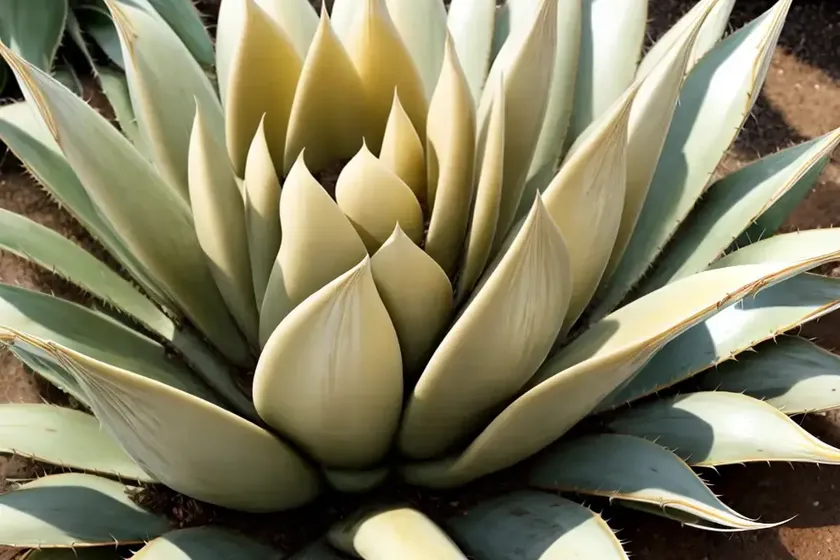
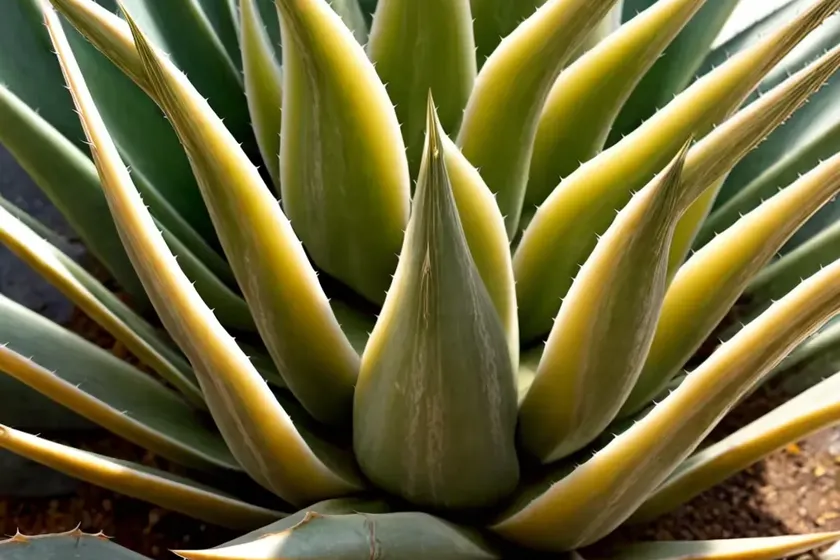
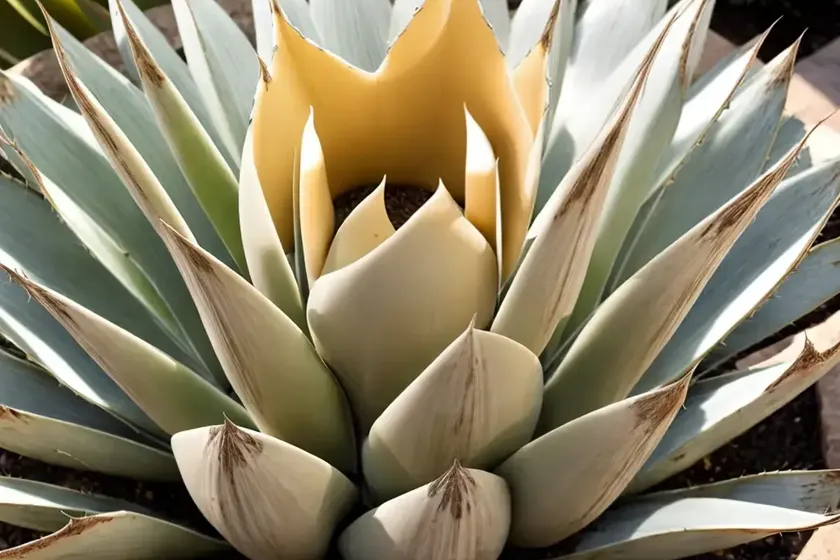
Agave ‘Cream Spike’, a mesmerizing succulent plant, has gained popularity among plant enthusiasts for its striking appearance and low maintenance needs. This comprehensive guide will delve into the various aspects of this unique plant, including its cultural requirements, uses, care techniques, and interesting facts. Whether you’re a seasoned gardener or a novice plant parent, understanding the ins and outs of Agave ‘Cream Spike’ will help you incorporate it seamlessly into your indoor or outdoor space.
What is Agave ‘Cream Spike’?
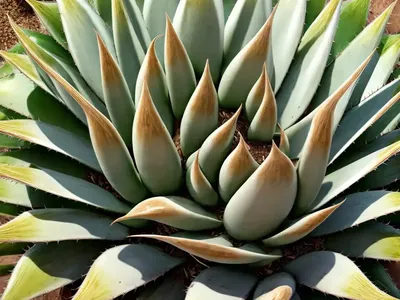
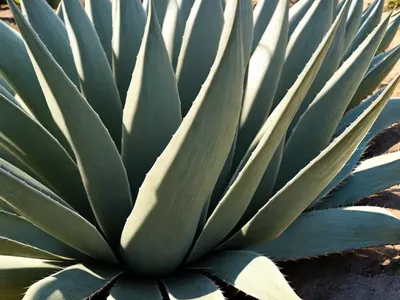
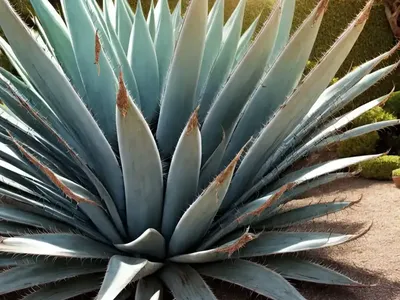
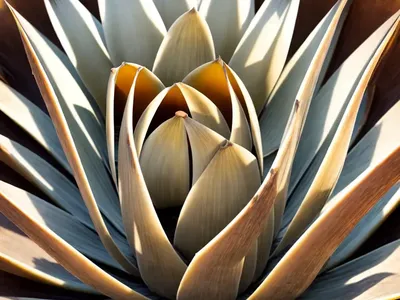
The Agave ‘Cream Spike’ is a species of succulent known for its rosette of rigid, sword-shaped leaves and remarkable architectural form. It belongs to the Agave genus, which encompasses a diverse range of succulent plants native to arid and semi-arid regions. As a member of the Asparagaceae family, Agave ‘Cream Spike’ shares its botanical lineage with well-known plants like Sansevieria and Dracaena.
Key Takeaways
- Agave ‘Cream Spike’ is a striking succulent plant characterized by its rosette of rigid, sword-shaped leaves.
- It belongs to the Agave genus and is part of the Asparagaceae family, which includes plants like Sansevieria and Dracaena.
Culture
Understanding the cultural requirements of Agave ‘Cream Spike’ is essential for fostering its optimal growth and vitality. From water and sunlight needs to soil preferences, each element plays a crucial role in nurturing this captivating plant.
Uses
The versatile nature of Agave ‘Cream Spike makes it a valuable addition to various settings, from ornamental landscapes to indoor displays. Its architectural form and resilience allow for a multitude of uses, including:
- Garden Settings: Creates striking focal points, complements xeriscapes, and thrives in desert and coastal landscapes.
- Indoor Decor: Adds a touch of modern elegance to indoor spaces, such as offices and living areas.
- Container Planting: Flourishes in containers, making it an ideal choice for patios, balconies, and small gardens.
- Erosion Control: Helps prevent soil erosion in challenging landscapes through its robust root system.
Water
Agave ‘Cream Spike’ is renowned for its exceptional drought tolerance, making it well-suited for arid environments. When it comes to watering, it’s crucial to adhere to a balanced approach to prevent issues like root rot. Here are some key considerations:
- Frequency: Allow the soil to dry out between watering sessions, especially during the plant’s dormant period in winter.
- Soil Moisture: Ensure well-draining soil to prevent waterlogging, which can be detrimental to the plant’s health.
- Established Plants: Once established, Agave ‘Cream Spike’ is capable of withstanding prolonged periods of drought.
Sunlight
As a sun-loving succulent, Agave ‘Cream Spike’ thrives in bright, direct sunlight. When selecting its placement, consider the following factors:
- Optimal Exposure: Position the plant in an area that receives at least 6-8 hours of direct sunlight daily.
- Outdoor Placement: Ideal for sunny spots in the garden or as a standout feature in a xeriscape design.
- Indoor Considerations: Place near a south or west-facing window to provide sufficient sunlight for healthy growth.
Fertilizer
Unlike many other plants, Agave ‘Cream Spike’ exhibits modest fertilizer requirements. A balanced approach to fertilization is essential to avoid overfeeding, which can lead to adverse effects. Here’s a guide to fertilizing this stunning succulent:
- Frequency: Apply a diluted, low-nitrogen fertilizer every 2-3 months during the growing season (spring and summer).
- Avoid Excess: Refrain from applying excessive amounts of fertilizer as this can harm the plant and disrupt its natural growth pattern.
Soil
The selection of an appropriate growing medium is pivotal in promoting the overall well-being of Agave ‘Cream Spike’. Its unique soil preferences contribute to its ability to thrive in various environments. Consider the following soil-related pointers:
- Drainage: Opt for well-draining soil to prevent water accumulation and root rot, such as a cactus or succulent mix.
- pH Considerations: Maintain a slightly acidic to neutral pH range in the soil, typically between 6.0 and 7.0.
- Topdressing: Enhance soil structure and aesthetics by incorporating a layer of gravel or decorative rocks on the soil surface.
Pruning
Pruning plays a minimal role in the care of Agave ‘Cream Spike’, primarily focusing on the removal of spent foliage and dead leaves. This practice not only enhances the plant’s visual appeal but also promotes its overall health. Here are some critical points to consider when pruning Agave ‘Cream Spike:
- Sanitization: Clean and sterilize pruning tools to prevent the spread of diseases and pathogens.
- Focus on Dried Foliage: Trim away dry, discolored, or damaged leaves close to the plant’s base using sharp, clean shears.
Propagation
Agave ‘Cream Spike’ presents opportunities for propagation via several methods, offering enthusiasts the chance to expand their collection or share this striking plant with others. While the process may take time and patience, the resulting young plants are incredibly rewarding. Here are some methods of propagating Agave ‘Cream Spike’:
- Offsets: Propagate by carefully removing offsets, or ‘pups,’ from the mother plant and allowing them to develop roots before potting.
- Seeds: While less common, propagation from seeds allows for the generation of new and unique plant variations over time.
Container Popularity
The rise of container gardening has propelled Agave ‘Cream Spike’ into the spotlight, showcasing its adaptability in diverse settings. Its popularity in container gardening can be attributed to the following factors:
- Versatility: Flourishes in containers of various sizes, making it suitable for compact urban environments or smaller outdoor spaces.
- Aesthetic Appeal: The striking, architectural form of the plant adds visual interest to any container garden or patio setting.
- Low Maintenance: Requires minimal care, making it an ideal choice for busy individuals or those new to gardening.
Common Diseases
While largely resilient, Agave ‘Cream Spike’ may occasionally face disease issues that require prompt attention. Understanding common diseases and their treatment is crucial for safeguarding the health of the plant. Here are some prevalent diseases that may affect Agave ‘Cream Spike’:
| Disease | Symptoms | Treatment |
|---|---|---|
| Root Rot | Wilting, discolored | Improve drainage, |
| leaves, mushy stems | prune affected | |
| areas | ||
| Leaf Spot | Dark or discolored | Remove affected |
| spots on leaves | leaves, improve | |
| air circulation | ||
| Agave Snout Weevil | Holes or tunnels in | Remove affected |
| the stem, wilting | areas, apply | |
| appropriate insect | ||
| control measures |
Disease Diagnosis
When diagnosing diseases in Agave ‘Cream Spike, careful observation of symptoms and timely intervention are crucial for preventing widespread issues. Here are some diagnostic tips to identify common diseases:
- Visual Inspection: Regularly inspect the plant for changes in leaf color, texture, and overall vitality.
- Symptom Analysis: Identify specific symptoms such as wilting, discoloration, or unusual markings on the leaves or stems.
- Consultation: Seek guidance from local horticulturists or plant experts for accurate disease identification and appropriate treatment.
Common Pests
Agave ‘Cream Spike’ is generally resistant to most pests. However, certain insects may pose a threat to the plant’s well-being. Understanding these common pests is instrumental in preventing and managing infestations. Here are some pests to watch out for:
- Agave Snout Weevil: This destructive insect tunnels into the base of the plant, causing structural damage and potential collapse.
- Spider Mites: Common in dry environments, these pests can cause stippling and webbing on the plant, impacting its overall health.
Botanist’s Tips
Plants such as Agave ‘Cream Spike’ benefit from expert advice and insights that enhance their care and appeal. Here are some valuable tips from botanists and plant enthusiasts:
- Soil Selection: Opt for well-draining, sandy soils to mimic the plant’s natural habitat and prevent moisture-related issues.
- Winter Protection: Offer winter protection in colder climates to prevent damage from frost and freezing temperatures.
Fun Facts
Uncover intriguing and captivating details about Agave ‘Cream Spike’ that further highlight its unique character and appeal:
- Historical Significance: Certain agave species, including Agave ‘Cream Spike,’ have been utilized for centuries by indigenous cultures for food, medicine, and material production.
- Architectural Inspiration: The distinctive form and silhouette of Agave ‘Cream Spike have inspired architectural and design elements in various cultures around the world.
Links to External Resources
For further information and detailed insights into Agave ‘Cream Spike’ and related topics, refer to the following external resources:
Plant Name: “Agave ‘Cream Spike’”
In conclusion, Agave ‘Cream Spike’ stands as a captivating and resilient succulent plant, capable of enriching a wide array of indoor and outdoor spaces. By comprehensively addressing its cultural requirements, propagation techniques, common diseases, and more, this guide equips plant enthusiasts with the knowledge needed to cultivate and appreciate the remarkable Agave ‘Cream Spike’. Whether nestled in a sun-drenched desert garden or gracing an elegantly designed container, this stunning succulent makes a lasting impression with its striking presence and low maintenance allure.