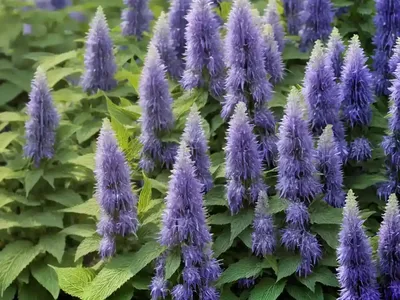
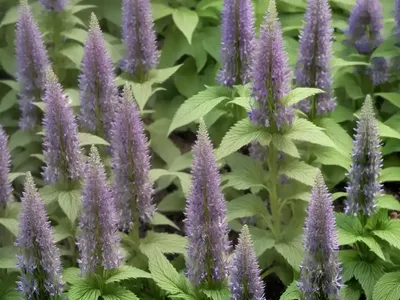
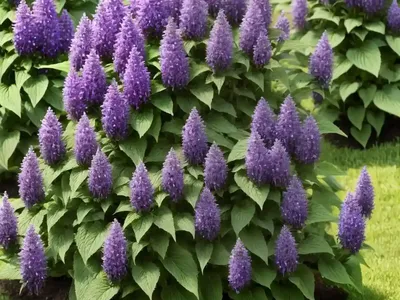
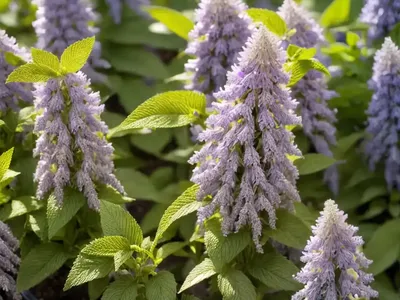
Agastache ‘Summer Sunset’ (Hummingbird Mint)
Agastache ‘Summer Sunset’, commonly known as Hummingbird Mint, is a beautiful and versatile perennial plant that adds vibrant colors and delightful.
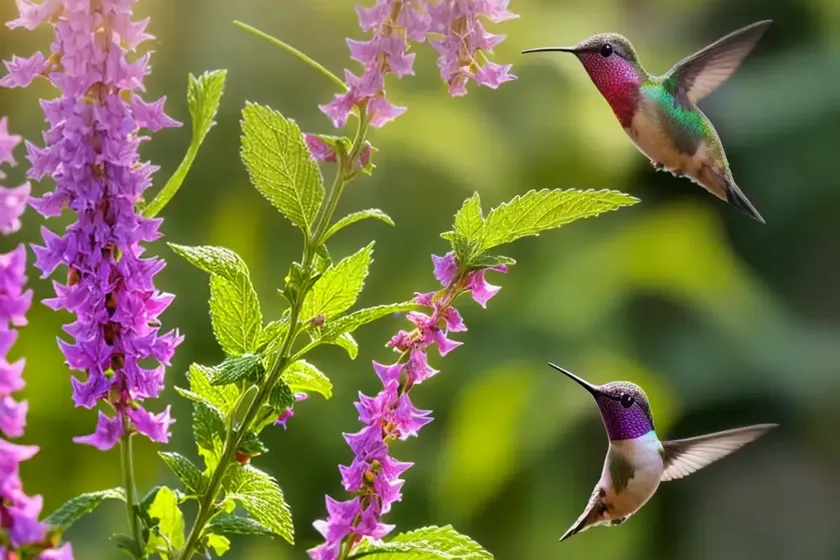
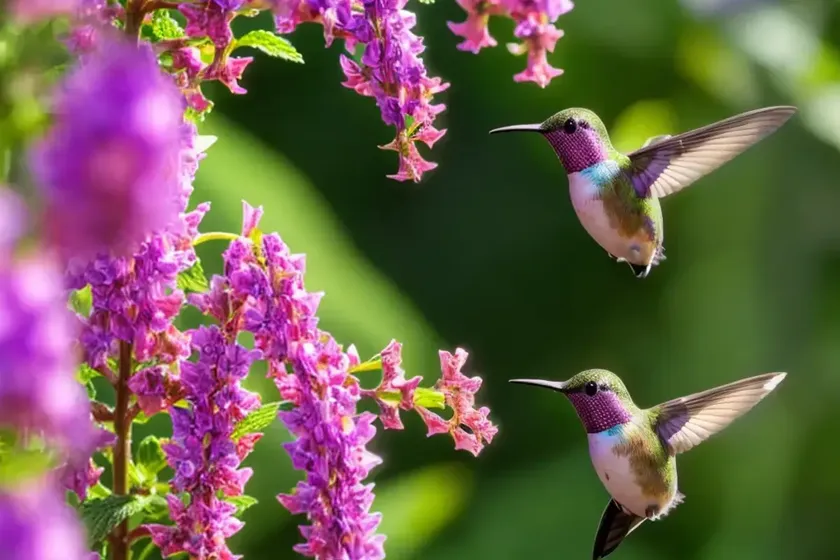
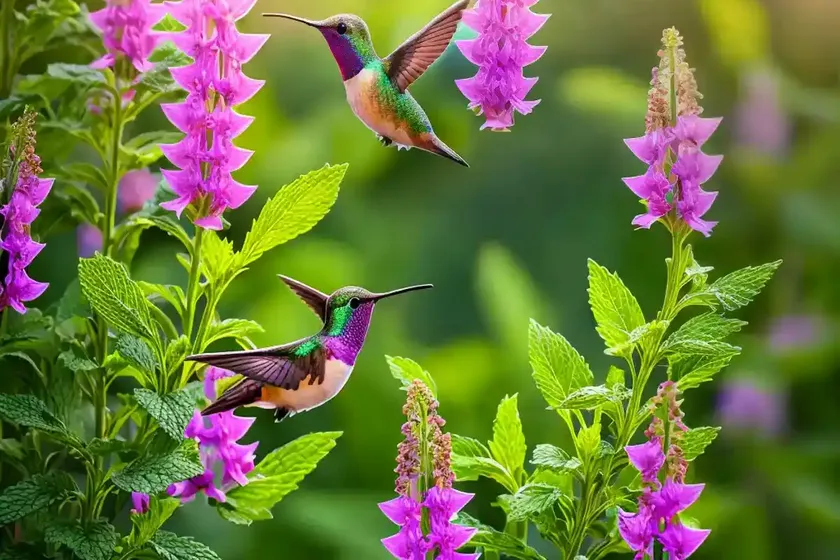
Agastache ‘Summer Sunset’, commonly known as Hummingbird Mint, is a beautiful and versatile perennial plant that adds vibrant colors and delightful fragrance to any garden or landscape. This plant belongs to the Lamiaceae family and is cherished for its stunning flowers, drought tolerance, and its ability to attract pollinators, especially hummingbirds. In this comprehensive guide, we will delve into all aspects of caring for Agastache ‘Summer Sunset’ and explore its cultural significance, uses, and maintenance requirements.
What is Agastache ‘Summer Sunset’?
Agastache ‘Summer Sunset’ is a perennial herbaceous plant that originates from North America. It is cherished for its vibrant and fragrant flowers, which are known to attract a variety of pollinators, particularly hummingbirds. This plant species is renowned for its ability to thrive in various climatic conditions and is a popular choice for gardeners looking to add vibrant colors and fragrances to their gardens. The plant typically grows to a height of 18-24 inches, making it a perfect addition to flower beds, borders, and containers.
Key Takeaways
Agastache ‘Summer Sunset’
- Culture
- Agastache ‘Summer Sunset’ is well-suited for USDA hardiness zones 6-10.
- It is essential to ensure well-drained soil for optimal growth.
-
The plant thrives in full sunlight and requires minimal water once established.
-
Uses
- Hummingbird Mint is widely used in perennial borders, container gardens, and pollinator-friendly landscapes.
-
Its flowers are often employed in floral arrangements due to their vibrant colors and unique appearance.
-
Water
-
While Agastache ‘Summer Sunset’ requires adequate moisture during its establishment phase, it is highly drought-tolerant once mature.
-
Sunlight
-
Full sunlight is essential for the optimal growth and flowering of Agastache ‘Summer Sunset’.
-
Fertilizer
-
The plant benefits from a light application of balanced fertilizer once a year, preferably in the spring.
-
Soil
-
Well-drained, sandy loam or loam soil with a slightly alkaline pH is ideal for the cultivation of Agastache ‘Summer Sunset’.
-
Pruning
-
Regular deadheading and pruning help promote continuous blooming and maintain the plant’s compact form.
-
Propagation
-
Agastache ‘Summer Sunset’ can be propagated from seeds, division, or stem cuttings.
-
Container Popularity
-
It is popularly grown in containers and hanging baskets, adding color and fragrance to outdoor spaces.
-
Common Diseases
- The plant may be susceptible to powdery mildew if grown in humid conditions with poor air circulation.
-
Disease Diagnosis
- Regular monitoring for signs of powdery mildew and prompt intervention can prevent disease development.
-
Common Pests
- Aphids and spider mites are common pests that may infest Agastache ‘Summer Sunset’.
-
Botanist’s Tips
- Adding a layer of mulch helps retain moisture and suppress weed growth around the plant.
-
Fun Facts
- Agastache ‘Summer Sunset’ is often used in herbal remedies and has a long history of medicinal use.
-
Links to External Resources
- American Horticultural Society
- Royal Horticultural Society
Now, let’s dive deeper into each of these aspects to gain a comprehensive understanding of Agastache ‘Summer Sunset’ and how to best care for this delightful plant.
Culture
Suitable Climate
Agastache ‘Summer Sunset’ thrives in USDA hardiness zones 6-10, making it well-suited for a wide range of climates. This versatility has contributed to its popularity among gardeners seeking resilient and visually appealing plants for their gardens.
Soil Requirements
The plant thrives in well-drained soils, preferring sandy loam or loam with a slightly alkaline pH. The soil should have good drainage to prevent waterlogging, which can lead to root rot and other diseases. Incorporating organic matter, such as compost, into the soil before planting provides essential nutrients and aids in moisture retention.
Watering Needs
During its initial establishment period, Agastache ‘Summer Sunset’ benefits from regular watering to promote healthy root development. Once established, the plant displays impressive drought tolerance and requires minimal supplemental watering. However, during prolonged dry spells, providing some additional water is beneficial, especially for potted plants and those grown in containers.
Uses
Ornamental Use
Agastache ‘Summer Sunset’ is highly valued for its ornamental qualities, making it a popular choice for perennial borders, cottage gardens, and mixed plantings. Its vibrant flowers and aromatic foliage add a dazzling display of colors and scents to the landscape, making it a favorite among landscape designers and garden enthusiasts.
Floral Arrangements
The stunning and long-lasting flowers of Agastache ‘Summer Sunset’ are frequently incorporated into floral arrangements and bouquets. The vivid hues and unique structure of the flowers make them a sought-after addition to both formal and informal floral displays.
Pollinator-Friendly Landscapes
This plant is an excellent choice for creating pollinator-friendly landscapes. The abundant nectar produced by its blossoms attracts pollinators, including hummingbirds, butterflies, and bees, thus contributing to the overall biodiversity and ecological health of the garden.
Water
Drought Tolerance
Agastache ‘Summer Sunset’ showcases impressive drought tolerance once established. Its ability to thrive in dry conditions makes it an ideal choice for water-wise gardening and xeriscaping projects.
Watering Tips
When providing supplemental water to Agastache ‘Summer Sunset’, it is crucial to water deeply and less frequently to encourage the development of deep, robust roots. Additionally, applying mulch around the plant helps conserve soil moisture and reduce the frequency of watering.
Sunlight
Sun Exposure
Full sunlight is essential for the optimal growth and flowering of Agastache ‘Summer Sunset’. Selecting a planting location that receives at least six hours of direct sunlight daily is crucial for ensuring prolific blooming and overall plant vigor.
Partial Shade Tolerance
While the plant thrives in full sunlight, it can tolerate a bit of afternoon shade in regions with intense summer heat. However, it is important to ensure that the plant still receives sufficient sunlight to support healthy growth and flowering.
Fertilizer
Fertilization Schedule
Agastache ‘Summer Sunset’ benefits from a light application of balanced fertilizer in the spring, as this provides essential nutrients to support robust growth and profuse flowering. It is crucial to follow the recommended dosage provided on the fertilizer package to prevent over-fertilization, which can lead to excessive foliage growth at the expense of flowers.
Organic Fertilizer
Using organic fertilizers, such as compost or well-aged manure, can provide a slow-release source of nutrients that benefits the plant while also enhancing soil structure and microbial activity.
Soil
Ideal Soil Type
The plant thrives in well-drained soil, preferring a sandy loam or loam texture. It is important to avoid heavy, poorly-drained soils, as they can lead to root rot and other moisture-related issues.
pH Requirements
Maintaining a slightly alkaline soil pH between 6.8 and 7.5 is conducive to the optimum growth and flowering of Agastache ‘Summer Sunset’. Conducting a soil test can help determine the pH of the soil and indicate any necessary amendments to adjust the pH if needed.
Pruning
Deadheading
Regular deadheading, which involves the removal of spent flowers, is essential for promoting continuous blooming and maintaining the plant’s tidy appearance. This practice also prevents the plant from expending energy on seed production, directing its resources toward the development of new blossoms.
Pruning Tips
In addition to deadheading, the occasional light pruning of Agastache ‘Summer Sunset’ helps remove any dead or diseased foliage and promotes air circulation around the plant, thus reducing the risk of disease development. Pruning also helps maintain the plant’s compact form and encourages branching, leading to increased flower production.
Propagation
Seed Propagation
Agastache ‘Summer Sunset’ can be propagated from seeds, which can be collected from mature seed heads produced by the plant. Sowing the seeds in well-drained, moist seed-starting mix and maintaining a warm, bright environment helps promote successful germination.
Division
Dividing established clumps of Agastache ‘Summer Sunset’ is a common method of propagation, especially to rejuvenate older plants or to increase the plant population in the garden. Dividing the clumps in the spring or fall and replanting the divisions in suitable locations ensures the plants’ vigor and continued growth.
Stem Cuttings
Taking stem cuttings from healthy, actively growing shoots of Agastache ‘Summer Sunset’ provides another means of propagation. The cuttings, typically 4-6 inches in length, are planted in a well-draining medium and kept under humid, bright conditions until they develop roots and can be potted or transplanted.
Container Popularity
Container Gardening
Agastache ‘Summer Sunset’ is a popular choice for container gardening, adding vibrant colors and delightful fragrance to outdoor spaces, such as patios, balconies, and terraces. When growing the plant in containers, it is important to select a well-draining potting mix and provide adequate sunlight for optimal growth and flowering.
Hanging Baskets
The trailing growth habit of Agastache ‘Summer Sunset’ makes it an excellent candidate for hanging baskets. When planted in hanging baskets, the cascading stems and vibrant flowers create a visually appealing display, adding beauty and fragrance to elevated spaces.
Common Diseases
Powdery Mildew
Agastache ‘Summer Sunset’ may be susceptible to powdery mildew, especially when grown in humid conditions with poor air circulation. This fungal disease presents as a powdery, white substance on the plant’s foliage and can inhibit its growth and vitality if left unchecked.
Disease Prevention
Ensuring proper spacing between plants, providing good air circulation, and avoiding overhead watering can help prevent the development of powdery mildew and other fungal diseases. Additionally, removing and disposing of infected plant material and employing appropriate fungicidal treatments when necessary can aid in disease prevention.
Disease Diagnosis
Regular monitoring of the plant for symptoms of powdery mildew and other diseases, such as leaf discoloration, stunted growth, and distorted foliage, facilitates early detection and intervention. Promptly addressing any signs of disease can prevent its spread and preserve the health and vigor of Agastache ‘Summer Sunset’.
Common Pests
Aphids
Aphids are common pests that may infest Agastache ‘Summer Sunset’, feeding on the plant’s sap and causing distorted growth and yellowing of the leaves. These tiny, soft-bodied insects can multiply rapidly, making early detection and intervention crucial for preventing significant damage.
Spider Mites
Spider mites are another potential pest that can affect this plant, particularly in hot, dry conditions. They cause stippling and discoloration of the leaves and can negatively impact the plant’s overall health if left unchecked.
Botanist’s Tips
Mulching
Applying a layer of organic mulch, such as wood chips or straw, around the base of Agastache ‘Summer Sunset’ helps conserve soil moisture, suppress weed growth, and regulate soil temperature. Mulching also contributes to the improvement of soil structure and fertility as it breaks down over time.
Wildlife Habitat
The exceptional nectar production of Agastache ‘Summer Sunset’ attracts a diverse array of wildlife, including hummingbirds, butterflies, and bees, making it an invaluable component of wildlife-friendly gardens and naturalistic landscapes. Creating such habitats supports biodiversity and ecological balance in the garden.
Fun Facts
- The aromatic leaves of Agastache ‘Summer Sunset’ have a long history of use in herbal remedies, particularly in traditional medicine systems, where they are valued for their properties.
- The unique fragrance of the leaves and flowers contributes to the plant’s appeal, making it a favorite among gardeners and herbal enthusiasts alike.
Links to External Resources
Additional information and resources about Agastache ‘Summer Sunset’ and related topics can be found through reputable organizations such as the American Horticultural Society and the Royal Horticultural Society. These resources provide valuable insights, guidance, and support for gardening enthusiasts and professionals seeking to expand their knowledge and expertise in horticulture.
As we wrap up our in-depth exploration of Agastache ‘Summer Sunset’ (Hummingbird Mint), we have gained a thorough understanding of its culture, uses, and essential care requirements. This delightful perennial plant, celebrated for its vibrant flowers, fragrant foliage, and valuable ecological contributions, continues to captivate gardeners and nature enthusiasts, earning its place as a beloved addition to diverse landscapes and garden settings.