Agastache ‘Black Adder’ (Giant Hyssop)
Agastache ‘Black Adder’ is a stunning perennial known for its vibrant flower spikes and aromatic foliage. This member of the mint family, Lamiaceae, boasts.
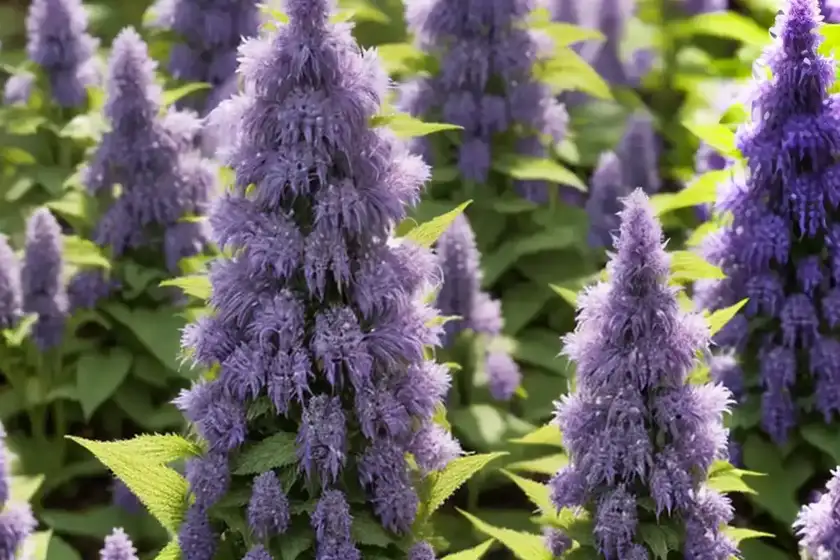
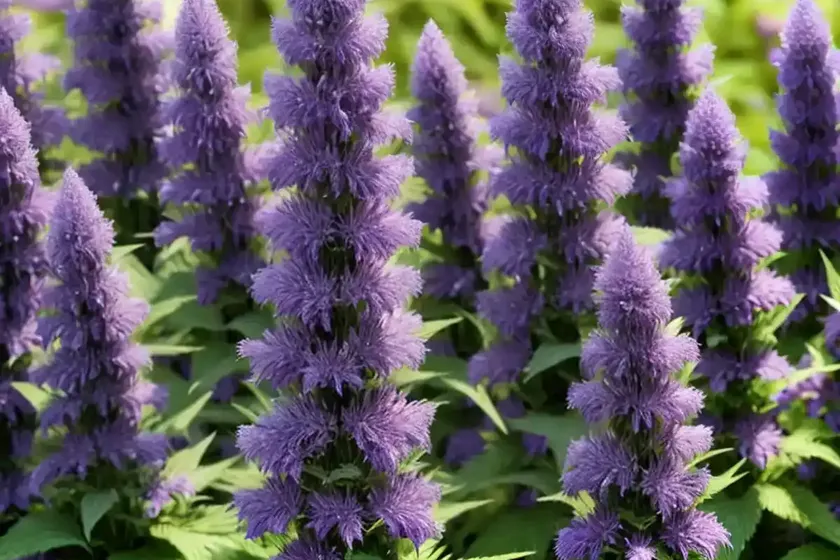
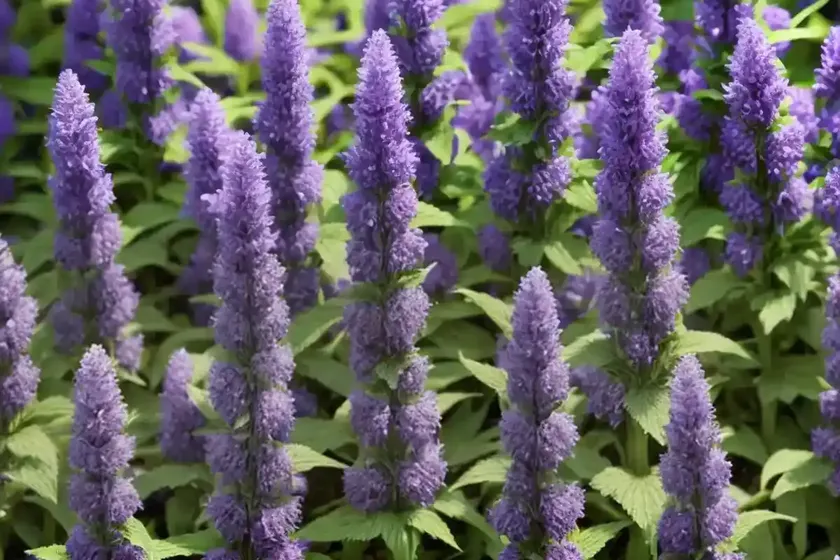
Agastache ‘Black Adder’ is a stunning perennial known for its vibrant flower spikes and aromatic foliage. This member of the mint family, Lamiaceae, boasts several ornamental and practical uses in the garden and beyond. In this comprehensive guide, we will delve into the various aspects of Agastache ‘Black Adder’, ranging from its culture and care to its propagation, common diseases, and pests. Furthermore, we will explore its significance in container gardening, its botanical attributes, and much more.
What is Agastache ‘Black Adder’?
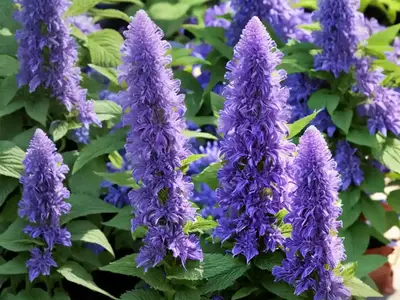
Agastache ‘Black Adder’, commonly referred to as Giant Hyssop, is a herbaceous perennial plant that is native to North America. Its botanical name, Agastache, is derived from the Greek words agan, meaning “very much,” and stachys, meaning “spike,” in reference to the dense spikes of flowers. This species is noted for its showy, bottlebrush-like inflorescences that appear atop sturdy stems, attracting pollinators and providing a burst of color in the garden.
Key Takeaways – Agastache ‘Black Adder’ (Giant Hyssop)
Before delving into the specifics of this captivating plant, let’s highlight some key takeaways about Agastache ‘Black Adder’:
- Agastache ‘Black Adder’ is a herbaceous perennial plant known for its vibrant flower spikes and aromatic foliage.
- It belongs to the mint family, Lamiaceae, and is native to North America.
- The plant is valued for its ornamental appeal, fragrance, and practical uses in companion planting and herbal applications.
- It attracts pollinators such as butterflies, bees, and hummingbirds, making it a valuable addition to wildlife gardens.
- When provided with optimal growing conditions, Agastache ‘Black Adder’ is relatively low-maintenance and resilient.
Now that we have established an overview of Agastache ‘Black Adder’, let’s delve into the various aspects concerning its culture, care, and significance in gardens and landscapes.
Culture
Cultivating Agastache ‘Black Adder’ successfully involves understanding and implementing the ideal growing conditions and requirements that support its vigor and blooming potential. Let’s explore the cultural factors that are integral to the thriving of this captivating perennial.
Uses
Before we discuss the specific cultural requirements, it is crucial to underscore the diverse uses of Agastache ‘Black Adder’, which contribute to its appeal in horticulture:
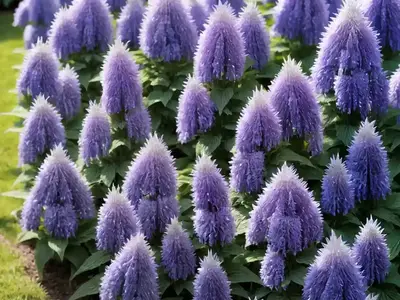
- Ornamental Beauty: The striking flower spikes of Agastache ‘Black Adder’ render it a captivating addition to flower borders, meadows, and perennial beds, adding vertical interest and vibrant color to the landscape.
- Fragrant Foliage: The aromatic leaves of Agastache ‘Black Adder’ emanate a pleasant scent, contributing to its value in herb and sensory gardens. Additionally, the foliage can be utilized for its aromatic properties in potpourri and herbal sachets.
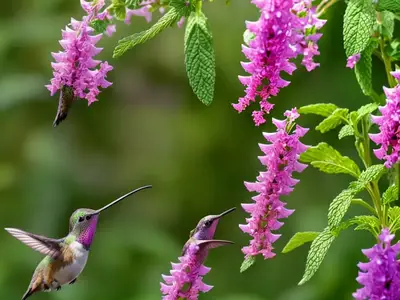
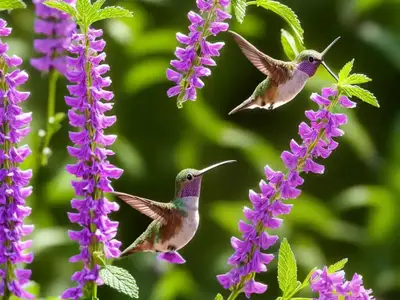
- Pollinator Magnet: The nectar-rich flowers attract an array of pollinators, including bees, butterflies, and hummingbirds, thus enhancing the biodiversity and ecological balance of the garden.
- Companion Plant: Agastache ‘Black Adder’ is often employed as a companion plant to deter pests or attract beneficial insects, contributing to integrated pest management strategies and sustainable gardening practices.
- Medicinal and Culinary Uses: Certain Agastache species have historical applications in traditional medicine and culinary practices, with the potential for the generation of herbal teas and flavorings. However, it is essential to consult reliable sources for safe usage and dosage information.
With its multifaceted uses, Agastache ‘Black Adder’ stands out as a versatile and valuable addition to a diverse array of garden settings.
Water
Understanding the water requirements of Agastache ‘Black Adder’ is instrumental in promoting its healthy growth and blooming. While this species demonstrates a degree of drought tolerance once established, it thrives best in well-drained soils and consistent moisture during its initial establishment and active growth periods.
- Optimal Moisture: It is advisable to provide moderate and consistent moisture to Agastache ‘Black Adder’ during the establishment phase, typically in the form of regular watering sessions to ensure that the root system develops effectively.
- Well-Drained Soil: The significance of well-drained soil cannot be overstated, as prolonged waterlogging can predispose the plant to root rot and other detrimental conditions. Therefore, amending heavy or poorly-drained soils with organic matter can enhance the soil structure and drainage capacity.
Achieving an equilibrium in watering, ensuring neither excessive drought nor waterlogging, is key in fostering the vitality and resilience of Agastache ‘Black Adder’.
Sunlight
As a sun-loving perennial, Agastache ‘Black Adder’ thrives when provided with ample sunlight and warmth. The following considerations are vital in optimizing its exposure to sunlight:
- Full Sun: A site that receives at least 6-8 hours of direct sunlight per day is optimal for Agastache ‘Black Adder’. This exposure aids in promoting robust growth, vibrant bloom production, and the development of aromatic compounds in the foliage.
- Southern Exposure: In regions with hot summers, a southern or western exposure can be suitable, provided that adequate measures are taken to prevent excessive heat stress through adequate irrigation and mulching.
Under these conditions, Agastache ‘Black Adder’ is primed to fulfill its ornamental, ecological, and aromatic roles to the fullest extent, illuminated by the bountiful natural light.
Fertilizer
Fertilization practices play a pivotal role in bolstering the vigor and flowering potential of Agastache ‘Black Adder’, albeit with a measured and judicious approach to prevent overstimulation or adverse effects.
- Organic Amendment: Incorporating organic matter such as compost or well-rotted manure into the soil during the planting phase contributes to the enhancement of soil structure, nutrient retention, and microbial activity, thus supporting the long-term fertility of the growing medium.
- Balanced Fertilizer: During the active growing season, the application of a balanced, slow-release fertilizer with an emphasis on phosphorus and potassium can confer an extra boost to the plant’s growth and prolific flowering. However, it is advisable to follow the recommended application rates and avoid excessive nitrogen, which can promote vegetative growth at the expense of blooming.
By striking a harmonious balance in soil fertility and nutrient provision, caretakers can fortify the health and aesthetic appeal of Agastache ‘Black Adder’ without imposing undue stress on the plant.
Soil
The soil requirements of Agastache ‘Black Adder’ revolve around the principles of good drainage, adequate nutrition, and a pH range conducive to its overall well-being. Here are the pertinent considerations regarding soil preparation and maintenance:
- Well-Drained Nature: Agastache ‘Black Adder’ flourishes in soils with good drainage qualities, which prevent the accumulation of excess moisture around the root zone. To achieve this, the incorporation of coarse sand or organic matter into heavy soils is beneficial, enhancing their permeability and aeration.
- Neutral to Alkaline pH: This species demonstrates a preference for neutral to alkaline soils, with a pH range of 6.5 to 7.5 being ideal for its growth and nutrient uptake. If necessary, the pH of acidic soils can be raised using amendments such as agricultural lime to tailor the soil conditions to the plant’s liking.
By crafting an environment characterized by balanced nutrition, optimal aeration, and favorable pH levels, gardeners can create an inviting habitat for Agastache ‘Black Adder’ to flourish.
Pruning
Pruning serves as a valuable practice in managing the form, vitality, and flowering performance of Agastache ‘Black Adder’, thereby contributing to its aesthetic and ecological functionality in the garden.
- Deadheading: Regular deadheading of spent flower spikes can stimulate the production of fresh blooms, prolonging the flowering period and preventing the plant from expending energy on seed production.
- Winter Pruning: In regions characterized by harsh winters, a rejuvenation pruning in late fall or early spring can refresh the plant by removing the desiccated or damaged growth, fostering a vigorous reemergence in the following growing season.
Strategic and prudent pruning practices facilitate the rejuvenation and longevity of Agastache ‘Black Adder’, ensuring its sustained beauty and impact in the garden landscape.
Propagation
The propagation of Agastache ‘Black Adder’ can be achieved through several methods, allowing for the expansion of its presence in the garden and the sharing of its ornamental and ecological benefits.
- Seed Propagation: Collecting mature seeds from the plant during late summer and sowing them in prepared seedbeds or pots in the following spring can yield new plants with genetic variability, enriching the diversity of plantings.
- Division: Every few years, the clumps of Agastache ‘Black Adder’ can be carefully divided in the spring or fall, with the segmented portions being replanted in suitable sites to initiate independent growth.
By perpetuating Agastache ‘Black Adder’ through judicious propagation techniques, gardeners can ensure its perpetuation and dissemination, amplifying its ornamental and ecological contributions.
Container Popularity
The allure of Agastache ‘Black Adder’ extends to the realm of container gardening, displaying its adaptability and ornamental value in confined spaces such as patios, balconies, and smaller landscapes.
- Potted Specimens: This species thrives when cultivated in large, well-drained containers filled with a fertile, loamy growing medium, akin to the optimal soil conditions in garden beds.
- Versatile Placement: The compact habit and attractive flowering of Agastache ‘Black Adder’ render it suitable for placement in mixed containers with other perennials, accentuating the color palette and visual interest of the ensemble.
In the context of container gardening, Agastache ‘Black Adder’ emerges as a welcome addition, conferring a touch of charm and pollinator allure to confined garden spaces.
Common Diseases
Monitoring and addressing potential disease issues in Agastache ‘Black Adder’ is essential in preserving its vitality and ornamental appeal. Several common diseases can afflict this species, warranting vigilance and timely intervention as required.
Disease Diagnosis
1. Powdery Mildew: The development of a powdery, white fungal growth on the foliage is indicative of powdery mildew, often favored by humid and crowded growing conditions. Adequate spacing and proper air circulation can mitigate this issue, and fungicidal sprays may be employed in severe cases.
2. Root Rot: Prolonged waterlogging or poorly-drained soils can precipitate root rot, manifesting as wilting, yellowing foliage, and a foul odor emanating from the root system. Improving soil drainage and moderating watering practices are preventative measures against this affliction.
3. Downy Mildew: Excessively wet and cool conditions can incite downy mildew, characterized by the presence of grayish, mold-like patches on the leaf undersides. Minimizing leaf wetness through morning watering and employing fungicidal treatments can mitigate this disease.
Vigilant observation and proactive management practices are pivotal in averting the proliferation of common diseases in Agastache ‘Black Adder’, preserving its health and visual allure.
Common Pests
Pests, ranging from tiny insects to larger organisms, can pose a threat to the well-being and aesthetics of Agastache ‘Black Adder’, necessitating informed monitoring and targeted intervention to safeguard the plant.
Botanist’s Tips
1. Aphids: The succulent growth and floral nectar of Agastache ‘Black Adder’ can attract aphids, manifesting as clusters of small, soft-bodied insects that can be dislodged with a strong water spray or controlled with insecticidal soap.
2. Spider Mites: These minuscule arachnids thrive in hot, dry conditions and can cause stippling and webbing on the foliage. Regular misting and the introduction of natural predators, such as ladybugs, can curtail their populations.
By maintaining a watchful eye and promptly addressing potential pest incursions, horticulturalists can uphold the health and vitality of Agastache ‘Black Adder’, allowing it to thrive without undue disturbance.
Fun Facts
To offer a glimpse into the captivating world of Agastache ‘Black Adder’, here are some intriguing fun facts about this charismatic perennial:
- Monarch Magnet: The nectar-rich blossoms of Agastache ‘Black Adder’ are highly attractive to monarch butterflies, contributing to their conservation and the sustenance of their vital populations.
- Herbal Sensation: In addition to its ornamental attributes, Agastache ‘Black Adder’ is appreciated for its culinary uses, with the aromatic foliage lending a delightful essence to teas, salads, and various culinary creations.
- Drought Tolerance: Once established, Agastache ‘Black Adder’ exhibits a notable degree of drought tolerance, demonstrating its resilience in challenging environmental conditions.
These captivating tidbits shed light on the diverse allure and functionalities of Agastache ‘Black Adder’, enriching its appeal in horticulture and beyond.
Links to External Resources
In pursuit of further elucidation and enrichment regarding Agastache ‘Black Adder’, the following external resources are invaluable in expanding one’s knowledge and appreciation of this fascinating plant:
- Royal Horticultural Society – Agastache Cultivation
- The Morton Arboretum – Agastache Species Profile
- University of California Integrated Pest Management – Agastache Diseases
- North Carolina State University – Agastache Insect Pests
These reputable sources offer a wealth of insights into the cultivation, management, and ecological significance of Agastache ‘Black Adder’, fostering a comprehensive understanding of its attributes and utility.
Conclusion
In the realm of ornamental and functional perennials, Agastache ‘Black Adder’ stands out as a distinctive and desirable species, distinguished by its visual allure, aromatic foliage, and ecological contributions. With an understanding of its cultural requirements, propagation techniques, pest and disease management, and ornamental uses, horticulturalists and enthusiasts can harness the full potential of Agastache ‘Black Adder’ in diverse garden settings, enriching the biodiversity, aesthetics, and sensory dimensions of their landscapes. As an emblem of resilience, beauty, and ecological beneficence, Agastache ‘Black Adder’ epitomizes the timeless allure of ornamental perennials, perpetuating its legacy in horticulture.
Keywords: Agastache ‘Black Adder’ review, Growing Agastache ‘Black Adder’, Agastache ‘Black Adder’ care guide, Giant Hyssop plant benefits, Agastache ‘Black Adder’ varieties, Agastache ‘Black Adder’ companion plants, How to propagate Agastache ‘Black Adder’, Agastache ‘Black Adder’ seeds for sale, Agastache ‘Black Adder’ plant profile, Best soil for Agastache ‘Black Adder’, Agastache ‘Black Adder’ for pollinators, Watering needs of Agastache ‘Black Adder’, Agastache ‘Black Adder’ medicinal uses, Agastache ‘Black Adder’ in landscaping, Agastache ‘Black Adder’ cutting instructions, Pest and disease control for Agastache ‘Black Adder’, Agastache ‘Black Adder’ pruning tips, Agastache ‘Black Adder’ container gardening, Agastache ‘Black Adder’ drought-tolerant characteristics, Agastache ‘Black Adder’ attractive foliage, Agastache ‘Black Adder’ wildlife habitat, Agastache ‘Black Adder’ zone requirements, Agastache ‘Black Adder’ autumn colors, Agastache ‘Black Adder’ fragrant flowers, Agastache ‘Black Adder’ culinary uses, Agastache ‘Black Adder’ for herbal teas, Agastache ‘Black Adder’ landscape design ideas, Agastache ‘Black Adder’ in mixed borders, Agastache ‘Black Adder’ for cut flowers, Agastache ‘Black Adder’ unique growth habit, Growing Agastache ‘Black Adder’ in containers, Agastache ‘Black Adder’ for attracting butterflies, Agastache ‘Black Adder’ winter care tips, Agastache ‘Black Adder’ in cottage gardens, Agastache ‘Black Adder’ fragrant foliage, Agastache ‘Black Adder’ in herb gardens, Agastache ‘Black Adder’ rooting techniques, Agastache ‘Black Adder’ plant size and height, Agastache ‘Black Adder’ as a border plant, Agastache ‘Black Adder’ flowering season, Agastache ‘Black Adder’ sun and shade requirements, Agastache ‘Black Adder’ hardiness, Agastache ‘Black Adder’ water needs, Agastache ‘Black Adder’ in rock gardens, Agastache ‘Black Adder’ in bee-friendly gardens, Agastache ‘Black Adder’ vibrant color flowers, Agastache ‘Black Adder’ foliage color variations, Agastache ‘Black Adder’ pollinator-friendly characteristics, Agastache ‘Black Adder’ versatile landscape plant, Agastache ‘Black Adder’ native habitat-description