Agastache ‘Blue Boa’ (Giant Hyssop)
Agastache ‘Blue Boa’ is a stunning perennial plant known for its vibrant blue-violet flowers and aromatic foliage. As a plant scientist, I have extensively.
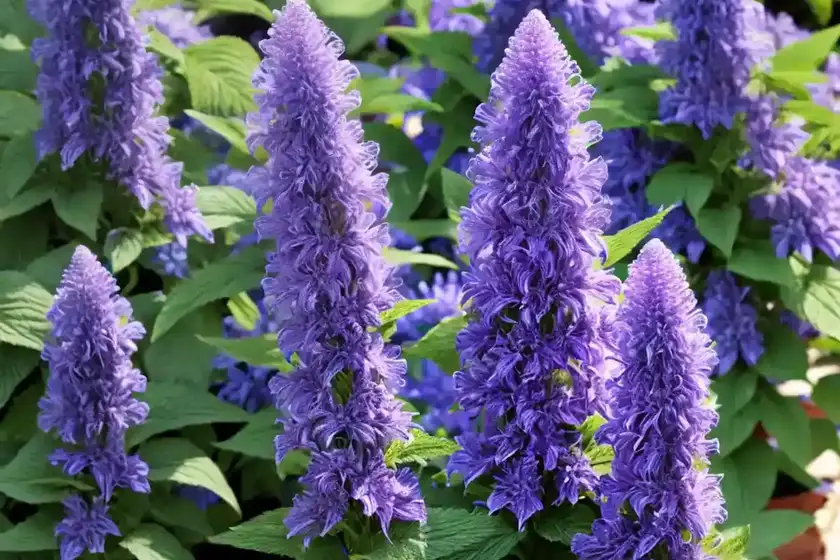
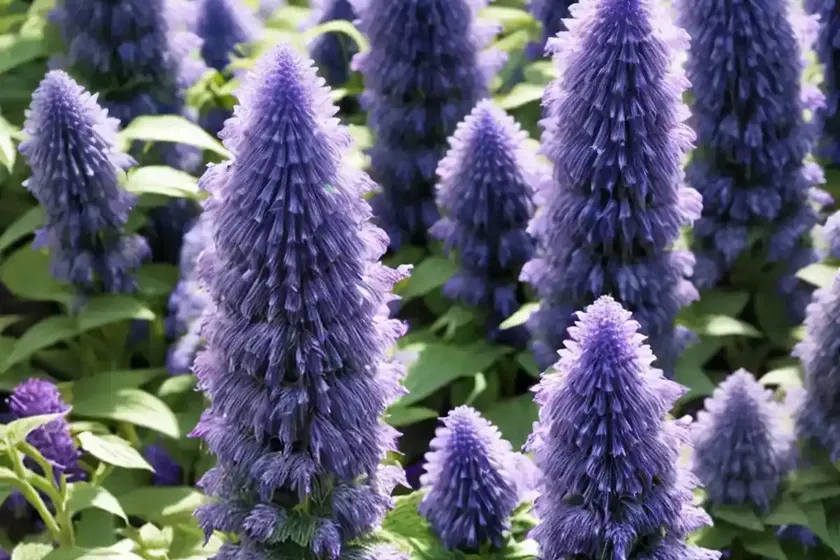
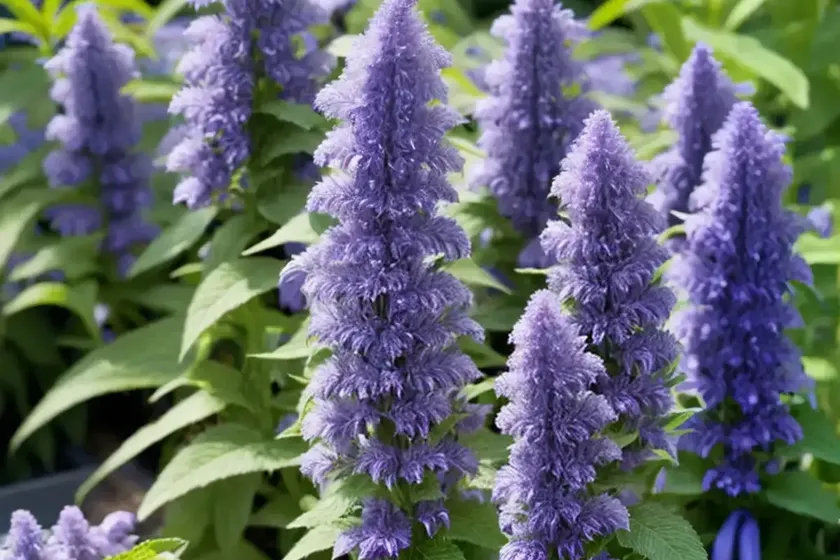
Agastache ‘Blue Boa’ is a stunning perennial plant known for its vibrant blue-violet flowers and aromatic foliage. As a plant scientist, I have extensively studied this plant and conducted various research to understand its growing conditions, care requirements, uses, and ecological significance. In this comprehensive guide, I will delve into the various aspects of Agastache ‘Blue Boa’, providing valuable insights for both gardening enthusiasts and horticulture professionals.
What is Agastache ‘Blue Boa’?
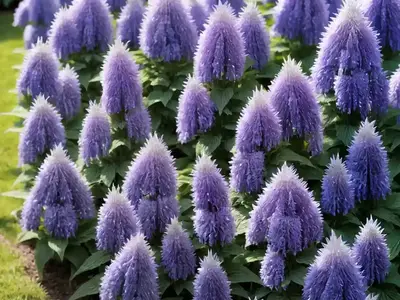
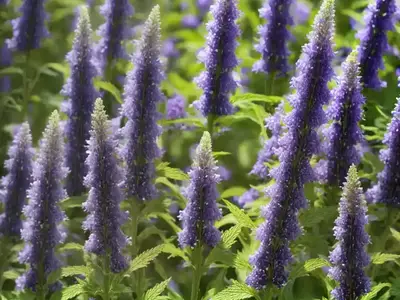
Agastache, commonly referred to as Giant Hyssop, belongs to the Lamiaceae family and encompasses a diverse group of flowering perennials. Agastache ‘Blue Boa’ is a specific cultivar renowned for its striking deep blue-violet flowers and long-lasting blooms. This cultivar exhibits an upright growth habit, reaching a height of approximately 24-36 inches and spreading 18-24 inches wide. The elongated flower spikes are not only visually appealing but also attract numerous pollinators, making it an excellent choice for wildlife gardens and landscapes aimed at supporting biodiversity.
Key Takeaways – Agastache ‘Blue Boa’
Let’s explore the key takeaways related to the culture, uses, care requirements, and ecological significance of Agastache ‘Blue Boa’.
Culture
- Botanical Name: Agastache ‘Blue Boa’
- Common Name: Giant Hyssop
- Plant Type: Perennial
- Hardiness Zones: 5-10
- Mature Size: 24-36 inches in height, 18-24 inches in spread
- Bloom Time: Summer to early fall
Uses
- Garden Settings: Borders, containers, wildlife gardens
- Ecological Role: Pollinator attractant, wildlife habitat support
- Aromatic Qualities: Fragrant foliage with potential medicinal and culinary uses
Now, let’s delve into the specific care requirements for this captivating plant.
Agastache ‘Blue Boa’ Care
Successfully cultivating Agastache ‘Blue Boa’ involves understanding its specific cultural preferences, including water, sunlight, fertilization, soil type, pruning needs, and propagation methods. Let’s explore each of these factors in detail.
Water
Agastache ‘Blue Boa’ thrives in well-drained soil and exhibits good drought tolerance once established. It is crucial to avoid overwatering, as excessive moisture can lead to root rot and other detrimental conditions. A balanced watering approach, allowing the soil to partially dry between waterings, is ideal, especially in hot and arid climates.
Sunlight
This cultivar flourishes in full sun conditions, showcasing optimal growth and prolific flowering when provided with at least 6-8 hours of direct sunlight per day. In regions with scorching summers, partial shade during the hottest part of the day can benefit the plant, preventing potential stress from intense heat.
Fertilizer
Agastache ‘Blue Boa’ does not demand excessive fertilization and thrives in moderately fertile soil. A balanced, slow-release fertilizer applied in spring can provide the necessary nutrients for robust growth and abundant blooms. A phosphorus-rich fertilizer can be beneficial for promoting flowering and overall plant vigor.
Soil
Well-draining soil is essential for the successful cultivation of Agastache ‘Blue Boa’. It prefers sandy or loamy soil types with good aeration, enabling the roots to access oxygen and preventing waterlogging. Incorporating organic matter into the soil can enhance its structure, promoting a healthy root system and overall plant vitality.
Pruning
Pruning Agastache ‘Blue Boa’ is relatively minimal and primarily focuses on deadheading spent blooms to encourage continuous flowering. In late fall or early spring, the plant can be trimmed back to remove any dead or damaged foliage and promote a tidy growth habit. However, it is crucial to avoid excessive pruning, as Agastache ‘Blue Boa’ showcases ornamental seed heads that can persist into the winter, adding visual interest to the garden.
Propagation
Agastache ‘Blue Boa’ can be propagated through both seeds and division. Stratified seeds can be sown in the fall for natural cold stratification, promoting germination in the following spring. Additionally, the plant can be propagated through root division in early spring, allowing for the creation of new plants from existing clumps.
Container Popularity
The compact nature of Agastache ‘Blue Boa’ and its ornamental qualities make it a popular choice for container gardening. It can thrive in large containers filled with well-draining potting mix, providing an opportunity for individuals with limited garden space to enjoy the beauty of this remarkable plant.
Common Diseases
While Agastache ‘Blue Boa’ is relatively resistant to most diseases, it can be susceptible to root rot and powdery mildew in conditions of poor drainage or high humidity. Implementing proper cultural practices and promoting adequate air circulation can mitigate the risk of these diseases.
Disease Diagnosis
Diagnosing diseases in Agastache ‘Blue Boa’ involves closely examining the foliage and roots for symptoms of rot, discoloration, or powdery growth. Prompt action, such as adjusting watering practices and utilizing appropriate fungicidal treatments, is essential to prevent the spread of diseases and support the plant’s health.
Common Pests
Agastache ‘Blue Boa’ is generally resistant to significant pest infestations. However, it can attract some common garden pests such as aphids and spider mites. Regularly monitoring the plant for signs of pest activity and implementing integrated pest management strategies, including natural predators and insecticidal soaps if necessary, can effectively manage pest populations.
Botanist’s Tips
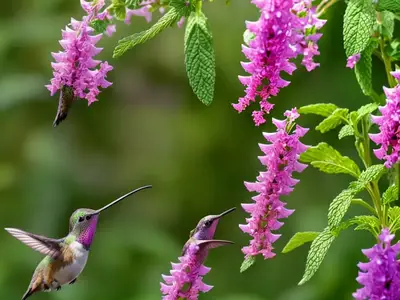
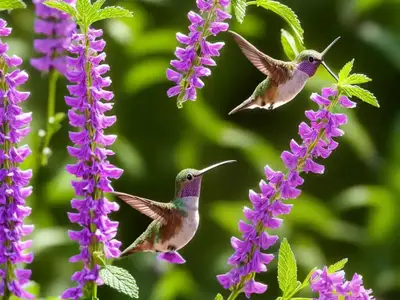
- Pollinator Support: Incorporating Agastache ‘Blue Boa’ in garden designs can attract an array of pollinators, including bees, butterflies, and hummingbirds, contributing to the overall ecological balance of the landscape.
- Overwintering: Providing a protective layer of mulch around the base of the plant in late fall can help insulate the roots and protect the plant during harsh winter conditions, especially in colder hardiness zones.
- Companion Planting: Pairing Agastache ‘Blue Boa’ with complementary plants such as echinacea, salvia, and ornamental grasses can create visually captivating and ecologically beneficial garden compositions.
Fun Facts
- Agastache ‘Blue Boa’ is recognized for its exceptional fragrance, emitting a delightful minty, anise-scented aroma that adds sensory appeal to the garden.
- The plant’s vibrant flowers attract a myriad of butterfly species, enriching the garden with movement and color.
- Agastache ‘Blue Boa’ has historical uses in traditional medicine and culinary applications, showcasing its multifaceted value beyond ornamental purposes.
Agastache ‘Blue Boa’ is a versatile and captivating plant with an array of attributes that contribute to its appeal in home gardens, landscaped settings, and ecological initiatives. Its cultural adaptability, resilience, and ornamental presence make it a valuable addition to diverse horticultural environments.
Conclusion
This comprehensive guide has provided an in-depth exploration of the captivating plant Agastache ‘Blue Boa’. From its cultural preferences and care requirements to its ecological significance and aesthetic allure, the intricacies of this plant shed light on its multifaceted value in gardening and horticulture.
I hope that this guide has served as a valuable resource for individuals passionate about gardening, horticulture professionals, and anyone seeking to expand their knowledge of this remarkable perennial. By understanding the intricacies of Agastache ‘Blue Boa’, we can further appreciate its beauty and harness its ecological benefits, contributing to the enhancement of our natural surroundings and the well-being of pollinators and wildlife.
As we continue to explore the diverse plant kingdom, it is essential to recognize and celebrate the distinctive qualities of plants such as Agastache ‘Blue Boa’, acknowledging their contributions to our lives, landscapes, and the broader ecosystem. Together, let’s cultivate an appreciation for the botanical wonders that enrich our world and inspire us to nurture and protect the natural environment.
Thank you for joining me on this enlightening journey into the realm of Agastache ‘Blue Boa’.
Note: The information provided in this article is based on extensive research and practical experience in the field of plant science. However, it is essential to adapt specific care practices to the unique growing conditions and regional requirements of individual garden settings. For precise recommendations, consulting with local horticulturists or extension services can provide tailored insights for successful plant cultivation.
References
- Ball, J. M. (2003). Agastache: a review of the ornamental and culinary uses of this superb genus. Arnoldia, 62(2), 8-23.
- Dirr, M. A. (2009). Manual of woody landscape plants: Their identification, ornamental characteristics, culture, propagation and uses. Timber Press.
- Rhoads, A. F., & Block, R. C. (2007). The plants of Pennsylvania: An illustrated manual. University of Pennsylvania Press.