Agastache Aurantiaca ‘Apricot Sprite’ (Anise Hyssop)
Introduction: Unraveling the Beauty of Agastache Aurantiaca ‘Apricot Sprite’ Plants have always captivated human imagination with their stunning diversity.
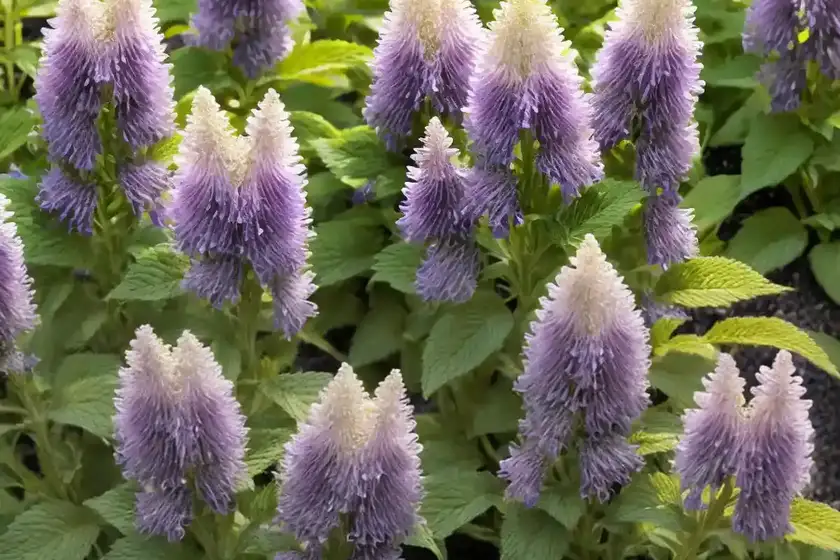
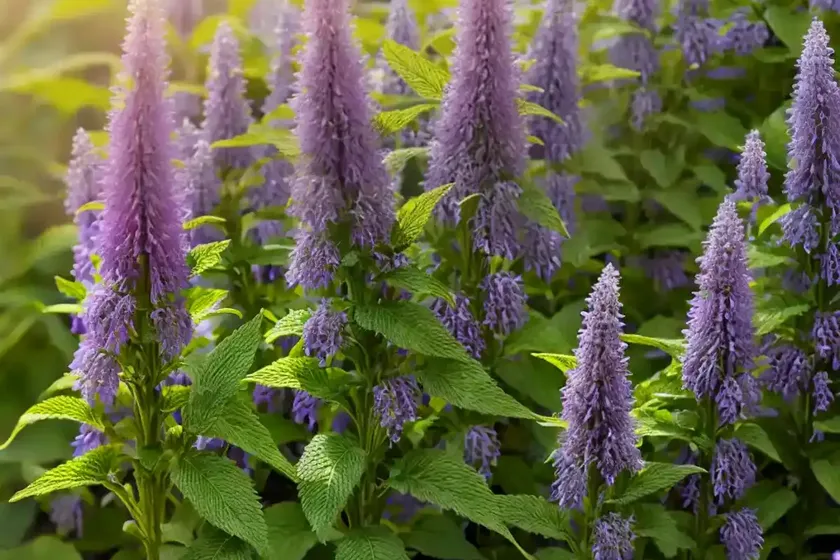
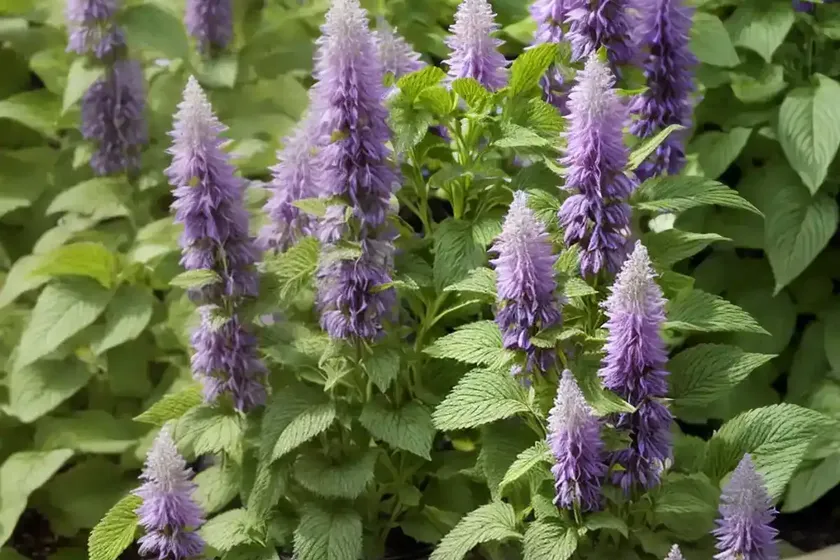
Introduction: Unraveling the Beauty of Agastache Aurantiaca ‘Apricot Sprite’
Plants have always captivated human imagination with their stunning diversity, intricate beauty, and valuable contributions to the environment and human life. In the realm of horticulture and botany, one plant that stands out due to its exceptional characteristics is Agastache aurantiaca, commonly known as Anise Hyssop. Specifically, the variety Agastache aurantiaca ‘Apricot Sprite’ has garnered attention for its vibrant apricot-hued blooms and a myriad of benefits it offers.
In this blog, we embark on an exciting journey to unravel the wonders of Agastache aurantiaca ‘Apricot Sprite’, delving into its cultivation, uses, care requirements, and ecological significance. Moreover, we will explore its cultural and medicinal uses, growth habits, propagation techniques, and much more. Buckle up as we delve into the fascinating world of this enchanting plant and unearth the secrets of nurturing and appreciating its natural splendor.
Key Takeaways: Agastache Aurantiaca ‘Apricot Sprite’
Before delving deeper into the intricate details of Agastache aurantiaca ‘Apricot Sprite’, let’s take a moment to highlight the key takeaways associated with this captivating plant.
- Scientific Name: Agastache aurantiaca ‘Apricot Sprite’
- Common Name: Anise Hyssop
- Distinctive Feature: Vibrant apricot-hued blooms
- Cultural and Medicinal Uses: Culinary herb, ornamental plant, herbal remedies
- Growth Requirements: Adequate sunlight, well-drained soil, moderate watering, and occasional fertilizer application
- Propagation: Seed starting, division of established plants
- Wildlife Attraction: Pollinator-friendly, wildlife garden, bee and bird attractant
With these key points in mind, let’s dive into an in-depth exploration of the various aspects of nurturing and appreciating Agastache aurantiaca ‘Apricot Sprite’.
What is Agastache Aurantiaca ‘Apricot Sprite’?
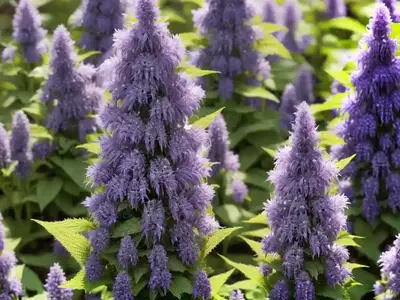
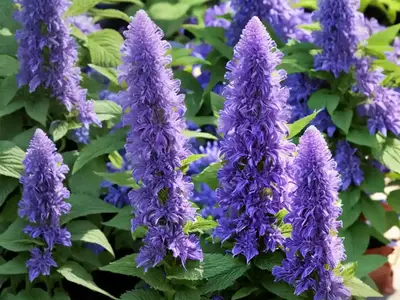
Agastache aurantiaca, commonly known as Anise Hyssop, belongs to the mint family (Lamiaceae) and is native to regions such as Mexico and the southwestern United States. The ‘Apricot Sprite’ variety is renowned for its stunning apricot-colored flower spikes, which adorn the plant throughout the blooming season.
Plant Overview
Agastache aurantiaca ‘Apricot Sprite’, with its delightful blooms and aromatic foliage, serves as an excellent addition to gardens, landscapes, and natural habitat restoration projects. Its ornamental appeal, coupled with its culinary and medicinal uses, makes it a versatile and valuable addition to any plant enthusiast’s collection.
Botanical Characteristics
This perennial herbaceous plant boasts distinctive characteristics, including:
– Flower Spikes: Emanating a fruity, minty fragrance, the flower spikes of Agastache aurantiaca ‘Apricot Sprite’ add a charming and vibrant touch to the environment, attracting pollinators and wildlife.
– Foliage: The aromatic, lance-shaped leaves of this plant contribute to its overall appeal, releasing a pleasant anise-like fragrance when gently touched or brushed against.
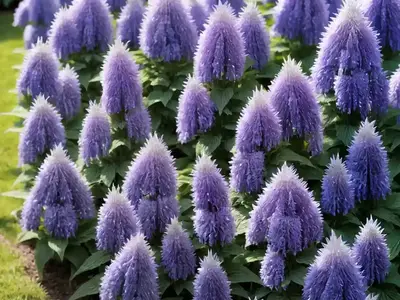
– Growth Habit: With a clumping growth habit, Anise Hyssop forms an attractive mound of foliage, and when in bloom, it becomes a focal point in gardens and landscapes.
Now, let’s embark on an enlightening journey to understand the optimal care, cultivation, and utilization of this captivating plant.
Culture: Nurturing the Beauty of Anise Hyssop
Cultivating Agastache aurantiaca ‘Apricot Sprite’ involves an understanding of its growth requirements, environmental preferences, and maintenance needs. By providing the right cultural conditions, plant enthusiasts can witness the plant thrive and showcase its full splendor.
Uses
Agastache aurantiaca ‘Apricot Sprite’ boasts a multitude of uses, making it a valuable addition in various settings, including:
– Culinary: The aromatic leaves of Anise Hyssop add a sweet, anise-like flavor to culinary creations, such as teas, salads, desserts, and savory dishes.
– Ornamental: The vibrant flowers and aromatic foliage make Anise Hyssop a charming addition to gardens, borders, and pollinator-friendly landscapes.
– Medicinal: With its potential herbal remedies and medicinal uses, the plant offers a range of health and wellness benefits.
Now, let’s delve into the intricacies of providing the ideal growing conditions for this captivating plant.
Water
Proper watering is essential for fostering healthy growth and bloom production in Agastache aurantiaca ‘Apricot Sprite’. While Anise Hyssop is known for its drought tolerance, consistent moisture is necessary, particularly during the establishment phase and periods of prolonged dryness.
- Drought Tolerance: Agastache aurantiaca exhibits impressive resilience to dry conditions, making it suitable for water-efficient landscapes and xeriscaping projects.
- Watering Frequency: Regular, moderate watering is recommended, allowing the soil to dry out slightly between watering sessions to prevent waterlogged conditions.
- Watering Techniques: Apply water to the base of the plant, avoiding foliage wetting and promoting efficient absorption by the roots.
Sunlight
Anise Hyssop thrives in environments characterized by ample sunlight, enabling it to flourish and produce abundant blooms while maintaining its ornamental and aromatic qualities.
- Sun Exposure: Full sun to partial shade is suitable for Agastache aurantiaca ‘Apricot Sprite’, with at least 6-8 hours of direct sunlight per day for optimal growth and blooming.
- Sun-Loving Plant: Exhibiting a preference for sunlight, Anise Hyssop is an excellent choice for sunny borders, herb gardens, and pollinator-friendly landscapes.
- Shade Tolerance: While it thrives in full sun, it can also tolerate partial shade, making it adaptable to a range of environmental conditions.
Fertilizer
To support robust growth, flower production, and overall vigor, providing appropriate nutrients through judicious fertilization is crucial for nurturing Agastache aurantiaca ‘Apricot Sprite’.
- Fertilization Timing: Apply a balanced, slow-release fertilizer in early spring or during the growing season to provide essential nutrients for the plant’s development.
- Organic Amendments: Utilizing organic fertilizers, such as compost or well-decomposed manure, enhances soil quality and provides a sustainable source of nutrients for the plant.
- Fertilizer Dilution: Follow recommended dilution rates to prevent over-fertilization, which can lead to excessive vegetative growth at the expense of flowering.
Soil
The soil composition and quality play a pivotal role in the health, vitality, and overall performance of Anise Hyssop, ensuring its long-term success and ornamental appeal.
- Soil Type: Well-drained, loamy soil with a slightly acidic to neutral pH range provides an ideal growing medium for Agastache aurantiaca ‘Apricot Sprite’, promoting healthy root development and moisture retention without waterlogging.
- Soil Amendments: Incorporating organic matter, such as compost and aged leaf mold, aids in improving soil structure, fertility, and water-holding capacity.
- Soil Moisture: Balancing soil moisture is vital, preventing waterlogged conditions that can adversely impact root health and overall plant vigor.
Pruning
Pruning plays a pivotal role in maintaining the form, vigor, and bloom production of Agastache aurantiaca ‘Apricot Sprite’, ensuring its aesthetic appeal and longevity in the garden.
- Pruning Timing: Regularly prune the plant in early spring or late fall to remove spent flower spikes, promote new growth, and maintain a tidy appearance.
- Deadheading: Removing faded blooms and spent flower spikes not only enhances the plant’s visual appeal but also encourages continuous blooming throughout the season.
- Pruning Techniques: Utilize clean, sharp pruning shears to make precise cuts, and avoid excessive pruning of foliage to preserve the plant’s natural form.
Propagation: Harnessing the Beauty of Anise Hyssop
Understanding the methods of propagation for Agastache aurantiaca ‘Apricot Sprite’ presents an exciting opportunity to expand the presence of this captivating plant in gardens, landscapes, and natural habitat restoration projects.
Seed Starting
Propagating Agastache aurantiaca ‘Apricot Sprite’ from seeds is a rewarding and accessible method, allowing plant enthusiasts to cultivate new plants and appreciate the natural beauty of this variety.
- Seed Collection: Gather mature seeds from the plant’s spent flower spikes in late summer or early fall, ensuring they are fully developed and dry before harvesting.
- Seed Sowing: Sow seeds in well-drained, sterile potting mix, lightly covering them with a thin layer of soil and providing consistent moisture until germination occurs.
- Germination Conditions: Maintain a warm, well-lit environment for seed germination, ensuring proper air circulation and moisture levels to facilitate the emergence of new seedlings.
Division
Dividing established clumps of Agastache aurantiaca ‘Apricot Sprite’ provides a reliable and efficient means of propagation, yielding new plants and rejuvenating mature specimens.
- Optimal Time: Divide existing plants in early spring or late fall to coincide with the natural growth rhythms and minimize transplant shock.
- Division Process: Gently separate the clumps of the plant, ensuring each division contains healthy roots and shoots, and transplant them into prepared planting sites.
- Transplant Care: Water newly divided plants thoroughly after transplanting, and provide appropriate aftercare to facilitate their establishment and acclimatization.
Container Popularity: Embracing Anise Hyssop in Containers
The allure of Agastache aurantiaca ‘Apricot Sprite’ extends to container gardening, offering a versatile and visually stunning addition to patios, balconies, and outdoor living spaces.
Container Requirements
When cultivating Anise Hyssop in containers, it’s essential to consider the following factors to ensure the plant’s health and vitality:
– Container Size: Select spacious containers with adequate drainage holes, providing sufficient room for root development and minimizing moisture-related issues.
– Potting Mix: Utilize well-drained, nutrient-rich potting mix specifically designed for container gardening, promoting optimal growth and moisture retention.
– Watering Needs: Monitor the soil moisture levels regularly and adjust the watering frequency to accommodate the specific requirements of container-grown plants.
Container Care Tips
Implementing the following care strategies enhances the success of cultivating Agastache aurantiaca ‘Apricot Sprite’ in containers, creating an enchanting display of color, fragrance, and ornamental appeal.
- Mulching: Apply a layer of organic mulch over the soil surface to conserve moisture, regulate soil temperature, and suppress weed growth, enhancing the overall health of container-grown plants.
- Winter Protection: In regions with harsh winters, provide appropriate insulation or bring containers indoors to protect the plant from freezing temperatures and adverse weather conditions.
- Fertilization: Supplement container-grown Anise Hyssop with balanced, water-soluble fertilizers during the growing season to support its vigor and blooming capacity.
Common Diseases: Safeguarding Anise Hyssop
While Agastache aurantiaca ‘Apricot Sprite’ exhibits resilience and resistance to many common pests and diseases, it’s important to be vigilant and proactive in preventing and managing potential health issues that may affect the plant’s well-being.
Disease Diagnosis
Identifying and addressing prevalent diseases can safeguard the health and vitality of Anise Hyssop, ensuring that it thrives and maintains its ornamental and ecological value.
- Powdery Mildew: Recognized by the presence of white powdery patches on the foliage, powdery mildew can impact the plant’s vigor and aesthetic appeal, particularly in humid or crowded growing conditions.
- Root Rot: Excessive soil moisture and poorly drained conditions can lead to root rot, causing wilting, yellowing foliage, and overall decline in plant health.
- Preventive Measures: Promote good air circulation, ensure proper soil drainage, and adhere to appropriate watering practices to mitigate the risk of diseases affecting Anise Hyssop.
Common Pests: Vigilance and Pest Control
Maintaining vigilance and implementing effective pest control measures are essential in safeguarding Agastache aurantiaca ‘Apricot Sprite’ from potential threats posed by common pests.
Pest Identification
Recognizing common pests that may target Anise Hyssop enables early intervention and effective pest management strategies to preserve the plant’s health and vitality.
- Aphids: These tiny, soft-bodied insects can cluster on the tender shoots and flower buds, sucking sap from the plant and causing deformities and stunted growth.
- Spider Mites: Infestations of spider mites can result in stippled foliage, webbing on the plant, and diminished vigor, particularly in dry and warm environmental conditions.
- Integrated Pest Management: Implementing holistic approaches to pest control, such as introducing natural predators, using insecticidal soaps, and maintaining a healthy growing environment, minimizes the reliance on chemical interventions.
Botanist’s Tips: Nurturing Anise Hyssop with Expert Insights
Exploring the nuances of caring for Agastache aurantiaca ‘Apricot Sprite’ through the lens of a seasoned botanist provides invaluable insights and practical tips for maximizing the plant’s ornamental and ecological potential.
Growth Habits
Understanding the growth habits and natural tendencies of Anise Hyssop enables plant enthusiasts to appreciate its unique characteristics and tailor cultivation practices accordingly.
- Clumping Growth: Anise Hyssop exhibits clumping growth, forming attractive mounds of foliage and blooming spikes that add visual interest and ornamental appeal to the garden.
- Naturalized Settings: Leveraging the plant’s natural growth tendencies, consider incorporating Anise Hyssop in naturalized settings, perennial borders, and wildlife-friendly habitats to maximize its ecological benefits.
Landscaping Ideas
Integrating Agastache aurantiaca ‘Apricot Sprite’ into diverse landscaping concepts and design themes offers an opportunity to elevate the aesthetic appeal and biodiversity of outdoor spaces.
- Pollinator Gardens: Embrace the pollinator-friendly nature of Anise Hyssop by incorporating it into wildlife gardens, butterfly habitats, and pollinator-attracting landscapes to support native ecosystems and biodiversity.
- Culinary Herb Gardens: Harnessing the culinary and aromatic qualities of the plant, Anise Hyssop serves as a charming addition to herb gardens, edible landscapes, and kitchen garden designs, adding both visual and functional appeal.
Plant Size and Foliage Color
The distinct characteristics of Anise Hyssop, including its foliage color and overall plant size, contribute to its allure and versatility in a wide range of horticultural settings.
- Foliage Color: The aromatic, gray-green foliage of Agastache aurantiaca ‘Apricot Sprite’ provides an attractive contrast to the apricot-colored blooms, adding visual interest and texture to the plant’s overall appearance.
- Compact Form: With a moderate height and compact form, Anise Hyssop is well-suited for containers, border plantings, and landscape features, offering flexibility in design and cultivation.
Fun Facts: Discovering the Intriguing Aspects of Anise Hyssop
Unveiling the intriguing and captivating aspects of Agastache aurantiaca ‘Apricot Sprite’ through a curated selection of fun facts enriches the appreciation of this remarkable plant and its ecological significance.
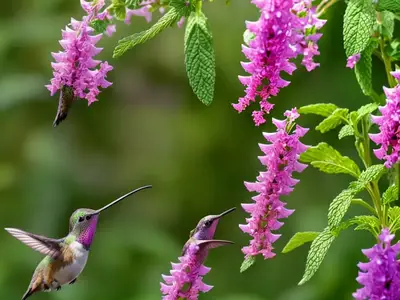
- Ecological Role: Anise Hyssop serves as a valuable ecological asset, attracting a diverse array of pollinators, including bees, butterflies, and hummingbirds, and contributing to the biodiversity of the surrounding environment.
- Fragrance and Flavor: The aromatic foliage of Anise Hyssop emanates a delightful fragrance reminiscent of anise, while its leaves and flowers impart a sweet, herbal flavor, adding multifaceted appeal to the plant.
- Native Habitat: This species is native to the arid regions of Mexico and the southwestern United States, showcasing its adaptability to dry, well-drained environments and resilience in the face of challenging conditions.
Links to External Resources: Further Exploration of Anise Hyssop
For those eager to expand their knowledge and appreciation of Agastache aurantiaca ‘Apricot Sprite’, the following external resources serve as valuable references and sources of in-depth information.
- Planting Guide for Agastache aurantiaca ‘Apricot Sprite’
- Benefits of Growing Anise Hyssop
- Companion Planting with Agastache aurantiaca
- Pruning Techniques for Anise Hyssop
- Agastache aurantiaca: A Culinary and Medicinal Herb
Explore these links to delve into the diverse aspects of Anise Hyssop, broaden your horticultural knowledge, and embark on an inspiring journey of discovery within the captivating realm of this enchanting plant.
Conclusion: Embracing the Enchantment of Anise Hyssop
As we draw the curtains on this exploration of Agastache aurantiaca ‘Apricot Sprite’, we leave behind a tapestry of insights, practical guidance, and a newfound admiration for this remarkable plant. From its vibrant blooms and aromatic foliage to its ecological significance and diverse applications, Anise Hyssop stands as a testament to the wondrous abundance and beauty of the plant kingdom.
Whether adorning gardens, enhancing landscapes, or contributing to culinary and wellness pursuits, Agastache aurantiaca ‘Apricot Sprite’ embodies versatility, resilience, and timeless allure. By nurturing and celebrating the natural splendor of this plant, we become stewards of its legacy, fostering appreciation for its ornamental, ecological, and cultural contributions in the rich tapestry of the botanical world.
As we part ways with the enchanting realm of Anise Hyssop, may our newfound knowledge and reverence for this captivating plant guide us in our horticultural endeavors and deepen our connection with the fascinating tapestry of nature’s wonders.