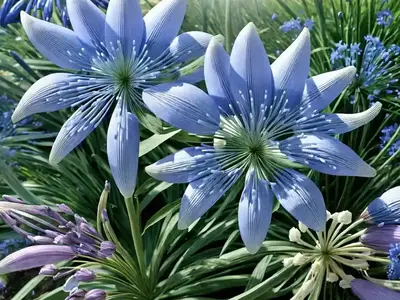
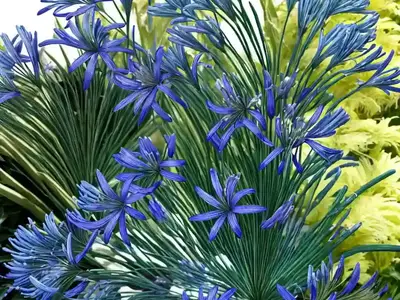
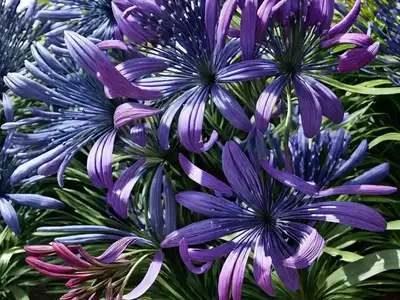
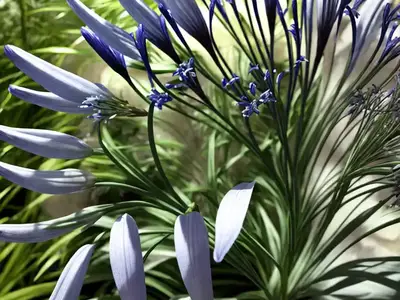
Agapanthus ‘Peter Pan’ (African Lily)
Agapanthus ‘Peter Pan’, commonly known as African Lily, is a stunning flowering plant that belongs to the Agapanthus genus. It is renowned for its striking.
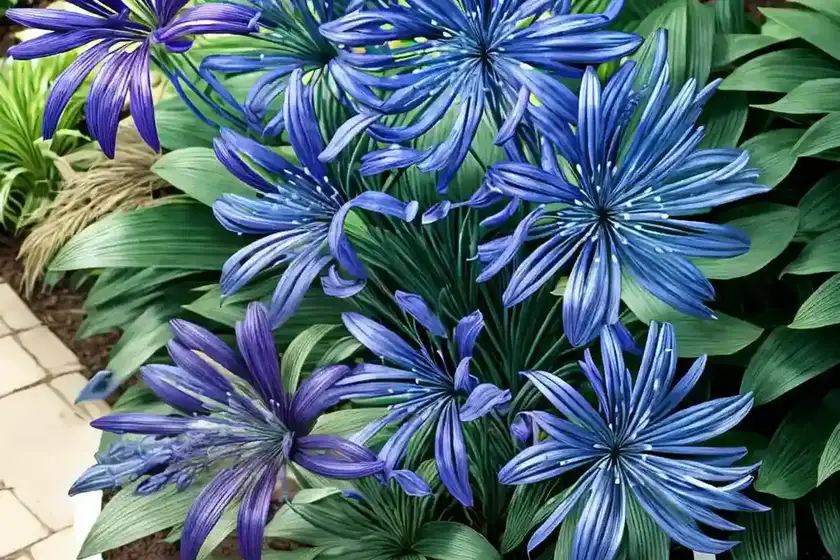
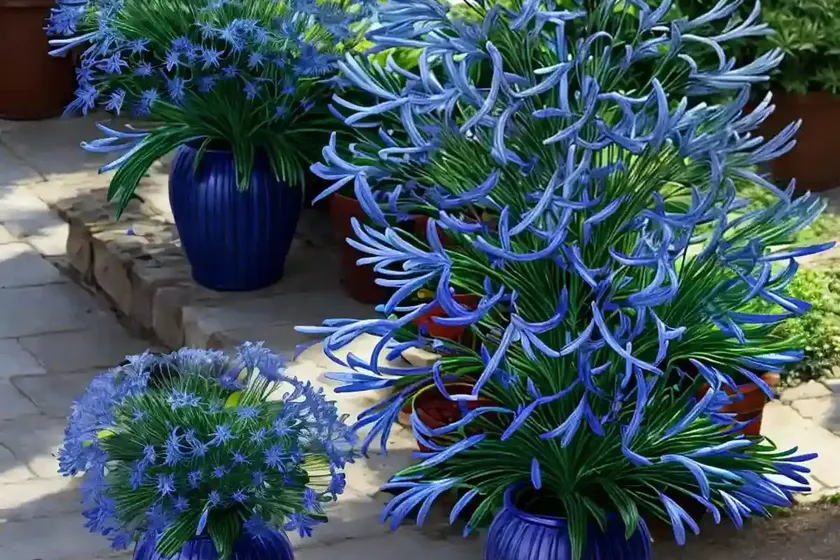
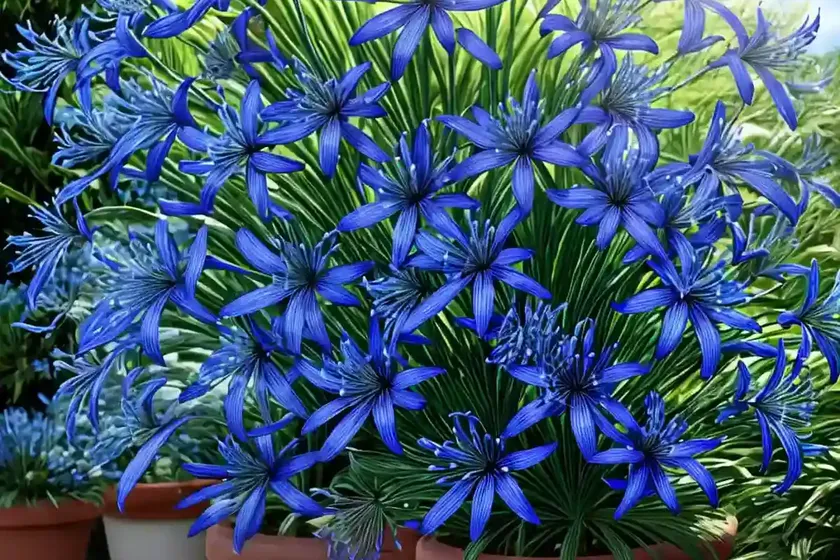
Agapanthus ‘Peter Pan’, commonly known as African Lily, is a stunning flowering plant that belongs to the Agapanthus genus. It is renowned for its striking blue or white flowers and lush green foliage, making it a popular choice for gardens, landscapes, and containers. As a plant scientist, I am thrilled to share valuable insights into the cultivation, care, and maintenance of Agapanthus ‘Peter Pan’. This comprehensive guide will cover essential aspects such as cultural requirements, propagation, common diseases and pests, as well as fascinating facts about this versatile plant.
What is Agapanthus ‘Peter Pan’ (African Lily)?
Agapanthus ‘Peter Pan’ is a herbaceous perennial with long, strappy leaves and globe-like flower clusters that emerge on tall stems. It belongs to the Amaryllidaceae family and is native to South Africa. The plant is prized for its vibrant and showy flowers, which come in shades of blue and white. The name “Agapanthus” is derived from the Greek words “agape” meaning love and “anthos” meaning flower. This aptly captures the captivating beauty and allure of the plant’s blossoms.
Key Takeaways – Agapanthus ‘Peter Pan’ (African Lily)
Before delving into the specific aspects of Agapanthus ‘Peter Pan’ care and cultivation, let’s highlight some key takeaways about this remarkable plant:
- Agapanthus ‘Peter Pan’ is prized for its striking blue or white flowers, making it a visually appealing addition to gardens and landscapes.
- The plant requires well-drained soil, ample sunlight, and regular watering to thrive.
- It can be grown in containers, borders, rock gardens, and coastal landscapes, showcasing its adaptability and versatility.
- Agapanthus ‘Peter Pan’ is relatively low maintenance and is resistant to many common pests and diseases.
- The plant’s long flowering period and attractive foliage make it a popular choice for both amateur and experienced gardeners.
Now, let’s explore the essential aspects of caring for Agapanthus ‘Peter Pan’, including its cultural requirements, uses, and maintenance practices.
Culture
Cultivating Agapanthus ‘Peter Pan’ successfully involves understanding its specific cultural requirements, including the conditions that promote healthy growth, flowering, and overall vigor. This section will delve into the plant’s ideal growing conditions and cultivation practices.
Uses
Agapanthus ‘Peter Pan’ serves various functional and aesthetic purposes in gardens, landscapes, and floral arrangements. Understanding its uses can provide valuable insights into how to integrate it into different settings.
Water
Watering is a crucial aspect of plant care, and understanding the water needs of Agapanthus ‘Peter Pan’ is essential for its overall health and vitality. This section will outline the plant’s water requirements and effective watering techniques.
Sunlight
Sunlight plays a pivotal role in the growth and development of Agapanthus ‘Peter Pan’. By understanding its sunlight needs, gardeners can optimize its placement and exposure to ensure robust growth and prolific flowering.
Fertilizer
Fertilization is a key aspect of plant nutrition, and providing the right balance of nutrients is essential for the optimal growth of Agapanthus ‘Peter Pan’. This section will detail the plant’s fertilizer needs and effective fertilization methods.
Soil
The soil composition and structure significantly impact the growth and health of Agapanthus ‘Peter Pan’. Understanding the plant’s soil requirements can help in creating an optimal growing environment for this stunning perennial.
Pruning
Pruning is an important maintenance practice that can enhance the overall appearance and health of Agapanthus ‘Peter Pan’. This section will cover pruning tips and techniques to ensure the plant’s vigor and aesthetic appeal.
Propagation
Propagating Agapanthus ‘Peter Pan’ allows gardeners to expand their plant collection and share its beauty with others. This section will explore effective propagation methods for this captivating African Lily.
Container Cultivation
Agapanthus ‘Peter Pan’ is well-suited for container cultivation, offering flexibility in terms of placement and design. Understanding the specific considerations for growing it in containers is crucial for success.
Popularity
The popularity of Agapanthus ‘Peter Pan’ stems from its captivating flowers, adaptability, and relatively low maintenance requirements. This section will delve into the reasons behind its widespread appeal and popularity among gardeners and landscapers.
Common Diseases
Like all plants, Agapanthus ‘Peter Pan’ is susceptible to certain diseases that can affect its growth and vitality. This section will highlight common diseases that may impact the African Lily and offer insights into prevention and management strategies.
Disease Diagnosis
Recognizing symptoms of diseases in Agapanthus ‘Peter Pan’ is essential for implementing timely intervention measures. This section will provide guidelines for diagnosing specific diseases that may affect the plant.
Common Pests
While Agapanthus ‘Peter Pan’ is relatively resistant to pests, it may still encounter certain insect intruders that can compromise its health. Identifying and addressing common pests is crucial for ensuring the plant’s well-being.
Botanist’s Tips
As a plant scientist, I will share valuable tips and recommendations based on extensive knowledge and expertise in the cultivation and care of Agapanthus ‘Peter Pan’. These insights will offer practical guidance for enthusiasts and horticulturists.
Fun Facts
Uncovering intriguing and lesser-known facts about Agapanthus ‘Peter Pan’ can deepen one’s appreciation for this beautiful plant. This section will showcase captivating and fun facts about the African Lily, adding an element of fascination to its profile.
Links to External Resources
To enhance the learning experience and provide comprehensive information, I will supplement this guide with links to reputable external resources related to Agapanthus ‘Peter Pan’ care, cultivation, and other relevant topics.
Now, let’s delve into each of these sections in detail, providing valuable insights into the intricate world of Agapanthus ‘Peter Pan’ and its cultivation and care requirements.
What is Agapanthus ‘Peter Pan’ (African Lily)?
Agapanthus ‘Peter Pan’, known as the African Lily, is a breathtaking herbaceous perennial prized for its striking flower clusters and lush foliage. Belonging to the Agapanthus genus and native to South Africa, this plant has garnered widespread attention and admiration from gardeners and landscaping enthusiasts worldwide.
Key Takeaways – Agapanthus ‘Peter Pan’ (African Lily)
Agapanthus ‘Peter Pan’ boasts several notable features and characteristics, making it a highly sought-after plant for gardens, landscapes, and floral displays. Let’s recap some of the key takeaways associated with this captivating African Lily:
- The vibrant blue or white flowers of Agapanthus ‘Peter Pan’ contribute to its visual appeal, making it a stunning addition to gardens and landscapes.
- The plant’s cultural requirements include well-drained soil, adequate sunlight, and regular watering to support healthy growth and flowering.
- Agapanthus ‘Peter Pan’ can be cultivated in various settings, including containers, borders, coastal gardens, and rock gardens, showcasing its adaptability and versatility.
- The plant is relatively low maintenance and exhibits resistance to common pests and diseases, adding to its appeal for both novice and experienced gardeners.
- With its long flowering period and attractive foliage, Agapanthus ‘Peter Pan’ has established itself as a favored choice for adding aesthetic value to outdoor spaces.
Culture
Understanding the cultural requirements of Agapanthus ‘Peter Pan’ is essential for promoting its optimal growth, flowering, and overall vitality. Let’s explore the various aspects of plant culture, including its specific uses, water and sunlight needs, soil requirements, and maintenance practices.
Uses
Agapanthus ‘Peter Pan’ serves multiple functional and ornamental purposes, making it a versatile addition to outdoor spaces and floral arrangements. The plant’s notable uses include:
- Garden and landscape focal point: The striking flower clusters and lush foliage of Agapanthus ‘Peter Pan’ make it an ideal focal point in gardens and landscapes, drawing attention and adding visual interest.
- Container cultivation: The plant’s adaptability to containers allows it to be showcased on patios, balconies, and outdoor spaces with limited ground space, offering flexibility in design and placement.
- Borders and edging: Agapanthus ‘Peter Pan’ can be used to define borders and edges of garden beds, creating a cohesive and structured landscape design.
- Cut flower production: The long-lasting blooms of Agapanthus ‘Peter Pan’ make it a desirable choice for cut flower arrangements and floral displays, adding elegance to indoor settings.
- Wildlife attraction: The plant’s flowers have the potential to attract pollinators such as butterflies and bees, contributing to the ecological diversity of the surrounding area.
Understanding the diverse uses of Agapanthus ‘Peter Pan’ can inspire creative applications in different settings, showcasing its adaptability and aesthetic appeal.
Water
Agapanthus ‘Peter Pan’ has specific water requirements that must be met to support its growth and flowering. Effective watering techniques and an understanding of the plant’s water needs are crucial for maintaining its health and vigor. The key considerations for watering Agapanthus ‘Peter Pan’ include:
- Regular watering: The plant benefits from consistent moisture, especially during its active growth and flowering periods. Adequate watering supports root development and sustains the plant’s overall health.
- Well-draining soil: Ensuring that the soil has good drainage is essential to prevent waterlogging, which can lead to root rot and other issues. A well-draining soil mix supports proper water distribution and encourages healthy root growth.
By providing appropriate water management, gardeners can promote the well-being of Agapanthus ‘Peter Pan’ and contribute to its long-term success in the garden or landscape.
Sunlight
Sunlight plays a pivotal role in the growth, flowering, and overall vitality of Agapanthus ‘Peter Pan’. Understanding the plant’s sunlight needs allows for strategic placement and optimal exposure to promote robust growth and prolific flowering. The key considerations for sunlight requirements include:
- Full sun to partial shade: Agapanthus ‘Peter Pan’ thrives in full sun to partial shade, depending on the regional climate and environmental conditions. Providing the right balance of sunlight exposure is essential for its overall well-being.
- Morning sun preference: In warmer climates, the plant benefits from receiving morning sun and partial shade during the intense midday and afternoon periods. This helps prevent foliage scorch and supports flower production.
Optimizing the plant’s exposure to sunlight contributes to its overall health and flowering habits, enhancing its aesthetic value in outdoor settings.
Fertilizer
Fertilization is a crucial aspect of plant care, providing essential nutrients to support the growth and vigor of Agapanthus ‘Peter Pan’. Understanding the plant’s fertilizer needs and employing effective fertilization methods are key to promoting its overall health and flowering. The key considerations for fertilizer application include:
- Balanced fertilizer: Applying a balanced, slow-release fertilizer in the spring can provide the necessary nutrients for the plant’s active growth and flowering stages.
- Micronutrient support: Supplementing with micronutrients such as iron and magnesium can address potential deficiencies and promote vibrant foliage and flower coloration.
By incorporating appropriate fertilization practices, gardeners can contribute to the plant’s vitality and long-term performance in garden and landscape settings.
Soil
The soil composition and structure significantly impact the growth and health of Agapanthus ‘Peter Pan’. Understanding the plant’s soil requirements and providing an optimal growing medium contribute to its overall success in outdoor spaces. The key considerations for soil requirements include:
- Well-drained soil: Agapanthus ‘Peter Pan’ thrives in well-drained, loamy soil that prevents waterlogging and promotes healthy root development. Amending heavy clay soils with organic matter can enhance drainage and soil structure.
- pH levels: The plant generally performs well in slightly acidic to neutral soil pH, ranging from 6.0 to 7.0. Monitoring and adjusting soil pH as needed can support the plant’s nutrient uptake and overall health.
Creating an ideal soil environment for Agapanthus ‘Peter Pan’ lays the foundation for its robust growth and flowering, ensuring its long-term vitality in garden and landscape settings.
Pruning
Pruning is an important maintenance practice that can enhance the overall appearance and health of Agapanthus ‘Peter Pan’. Employing proper pruning techniques helps manage the plant’s growth and aesthetics, contributing to its vigor and visual appeal. The key considerations for pruning the African Lily include:
- Deadheading spent blooms: Removing faded flower clusters encourages continuous flowering and prevents the plant from expending energy on seed production.
- Foliage cleanup: Trimming back yellowing or damaged leaves maintains the plant’s tidy appearance and supports new, healthy foliage growth.
By incorporating regular pruning into the plant care routine, gardeners can promote a well-groomed and visually appealing display of Agapanthus ‘Peter Pan’ in gardens and landscapes.
Propagation
Propagating Agapanthus ‘Peter Pan’ allows for the expansion of plant collections and the sharing of its beauty with other enthusiasts. Understanding effective propagation methods and techniques is valuable for gardeners seeking to propagate this captivating perennial. The key considerations for propagation include:
- Division: Dividing established clumps of Agapanthus ‘Peter Pan’ in early spring allows for the creation of new plants and promotes rejuvenation of the existing clumps.
- Offsets and seedlings: Propagating from offsets or harvested seeds offers additional options for increasing the plant population and introducing new specimens into garden and landscape settings.
By mastering the art of propagation, gardeners can contribute to the preservation and proliferation of Agapanthus ‘Peter Pan’ in diverse horticultural settings.
Container Cultivation
Agapanthus ‘Peter Pan’ is well-suited for container cultivation, offering flexibility in terms of placement, design, and care. Understanding the specific considerations for growing the African Lily in containers is essential for nurturing its growth and flowering. The key considerations for container cultivation include:
- Well-draining potting mix: Choosing a high-quality, well-draining potting mix supports the plant’s root health and prevents waterlogging in containers.
- Adequate container size: Selecting appropriately sized containers allows for the accommodation of the plant’s root system and promotes stable growth and development.
- Regular monitoring: Monitoring soil moisture and ensuring proper watering in containers is crucial for maintaining the well-being of Agapanthus ‘Peter Pan’ in a containerized environment.
By embracing container cultivation, gardeners can incorporate Agapanthus ‘Peter Pan’ into various outdoor spaces, including patios, balconies, and urban gardens, adding beauty and charm to confined areas.
Popularity
Agapanthus ‘Peter Pan’ has garnered widespread popularity and acclaim among gardeners, landscapers, and floral enthusiasts. Its striking flowers, adaptability, and aesthetic appeal have contributed to its broad appeal and recognition. The key factors driving the popularity of Agapanthus ‘Peter Pan’ include:
- Showy flowers: The vibrant and abundant blue or white flowers of Agapanthus ‘Peter Pan’ captivate attention and contribute to its widespread appeal as a garden and landscape plant.
- Adaptability: The plant’s ability to thrive in various settings, including borders, containers, coastal landscapes, and rock gardens, showcases its versatility and broadens its applications in horticultural practices.
- Low maintenance: Agapanthus ‘Peter Pan’ requires relatively minimal care and is resilient to many common pests and diseases, making it an attractive choice for both novice and experienced gardeners.
- Long flowering period: The plant’s extended flowering season enhances its allure and adds sustained visual interest to outdoor spaces, contributing to its popularity in garden and landscape designs.
- Attractive foliage: The lush, strappy leaves of Agapanthus ‘Peter Pan’ complement its striking flowers, adding to its appeal as a well-rounded ornamental plant.
Understanding the factors contributing to the plant’s popularity can inspire gardeners and enthusiasts to integrate Agapanthus ‘Peter Pan’ into diverse horticultural settings, harnessing its visual impact and adaptability.
Common Diseases
While Agapanthus ‘Peter Pan’ boasts resilience to many common pests and diseases, it is essential to be aware of potential health concerns that may impact the plant. Recognizing common diseases and implementing prevention and management strategies are critical for maintaining the plant’s health. The key common diseases that may affect the African Lily include:
Disease Diagnosis
Diagnosing specific diseases that may affect Agapanthus ‘Peter Pan’ involves recognizing symptoms and signs that can indicate potential health issues. The notable diseases that may impact the plant include:
- Leaf spot: Circular brown or black spots on the leaves may indicate the presence of fungal leaf spot diseases, which can be managed through cultural practices and fungicidal treatments.
- Root rot: Wilting, yellowing leaves, and stunted growth may signal root rot, often caused by waterlogged soil conditions. Improving drainage and reducing watering can help address this issue.
- Botrytis blight: Gray mold on flowers and foliage may indicate botrytis blight, a fungal disease that thrives in damp conditions. Proper air circulation and reduced humidity can aid in disease prevention.
By familiarizing oneself with disease symptoms and diagnosis methods, gardeners can identify and address potential health concerns in Agapanthus ‘Peter Pan’, ensuring its ongoing vigor and vitality.
Common Pests
While Agapanthus ‘Peter Pan’ exhibits resistance to many pests, it may encounter specific insect intruders that can affect its health and appearance. Recognizing and addressing common pests is vital for preserving the plant’s well-being. The notable pests that may impact the African Lily include:
- Aphids: Small, soft-bodied insects that cluster on new growth and flower buds, sucking plant juices and potentially causing distortion and damage. Insecticidal soaps and natural predators can help manage aphid infestations.
- Thrips: Tiny, slender insects that may feed on flower petals and foliage, leading to discoloration and distortion. Insecticidal treatments and cultural practices can aid in thrips control.
- Snails and slugs: These mollusks can feed on plant foliage and flowers, leaving behind visible damage. Physical barriers and bait traps can assist in managing snail and slug populations.
By monitoring for common pests and implementing targeted control measures, gardeners can safeguard Agapanthus ‘Peter Pan’ from potential pest-related issues, supporting its health and visual appeal.
Botanist’s Tips
As a plant scientist experienced in the cultivation and care of Agapanthus ‘Peter Pan’, I will share valuable tips and recommendations for enthusiasts and horticulturists aiming to cultivate this captivating African Lily. These botanist’s tips include:
- Incorporate organic matter: Adding organic compost or mulch to the soil can enhance its structure, fertility, and moisture retention, providing a favorable environment for Agapanthus ‘Peter Pan’.
- Monitor watering consistently: Pay attention to soil moisture levels and adjust watering frequency based on environmental conditions and seasonal changes to meet the plant’s hydration needs.
- Provide adequate support: Staking taller varieties of Agapanthus ‘Peter Pan’ can help prevent stem breakage and maintain an upright growth habit, especially in windy or exposed sites.
- Implement mulching: Applying a layer of mulch around the base of the plant helps conserve soil moisture, suppress weed growth, and maintain a stable root environment for the African Lily.
By taking advantage of these botanist’s tips, gardeners can optimize the growing conditions for Agapanthus ‘Peter Pan’ and promote its long-term health and flowering.
Fun Facts
Uncovering intriguing and lesser-known facts about Agapanthus ‘Peter Pan’ can enhance one’s appreciation for this remarkable plant. Some fascinating and fun facts about the African Lily include:
- The name “Agapanthus” is derived from the Greek words “agape,” meaning love, and “anthos,” meaning flower, reflecting the