Agapanthus ‘Polar Ice’ (African Lily)
Agapanthus, commonly known as African lilies, are stunning flowering plants that bring vibrant color and elegance to gardens and landscapes. Among the.
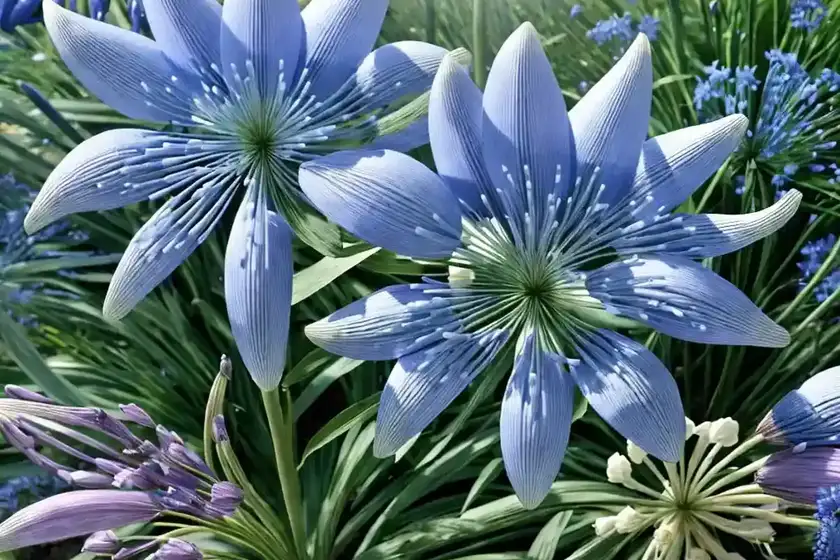
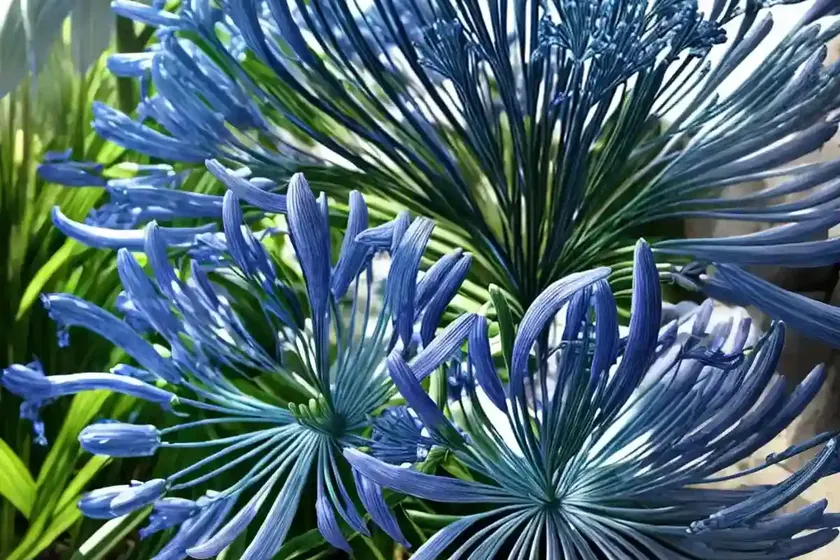
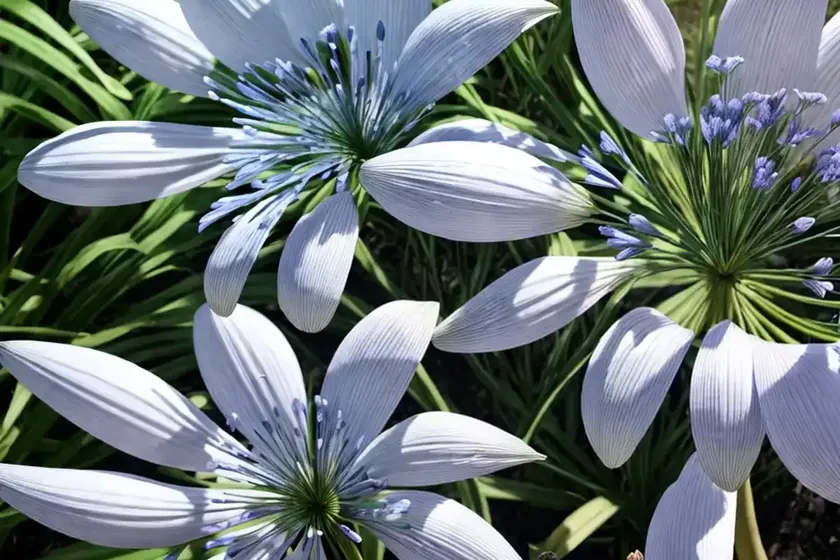
Agapanthus, commonly known as African lilies, are stunning flowering plants that bring vibrant color and elegance to gardens and landscapes. Among the diverse Agapanthus varieties, Agapanthus ‘Polar Ice’ stands out for its striking beauty and resilience. In this comprehensive guide, we will delve into the characteristics, cultivation, care, and uses of Agapanthus ‘Polar Ice’, providing plant enthusiasts with invaluable insights into maximizing the potential of this remarkable species.
What is Agapanthus ‘Polar Ice’ (African Lily)?
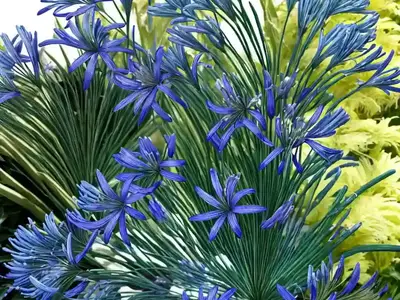
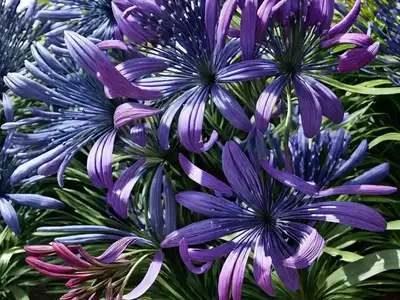
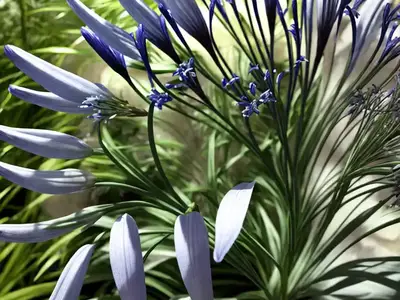
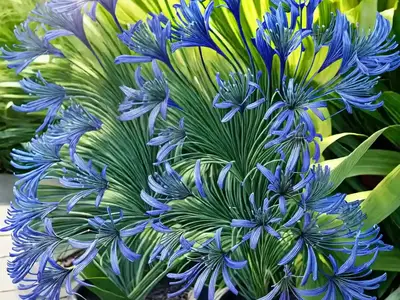
Agapanthus ‘Polar Ice’ is a cultivar of the Agapanthus genus, characterized by its bold clusters of showy, trumpet-shaped, white flowers and its lush, strap-like foliage. This variety is renowned for its exceptional adaptability to various growing conditions and its ability to thrive as a container plant or when integrated into garden landscapes. With a strong emphasis on low maintenance and a captivating aesthetic appeal, Agapanthus ‘Polar Ice’ has become a favorite choice for both amateur and seasoned gardeners.
Key Takeaways – Agapanthus ‘Polar Ice’ (African Lily)
Before we embark on a detailed exploration of Agapanthus ‘Polar Ice’, let’s provide a succinct summary of the key takeaways associated with this alluring plant:
- Culture: Agapanthus ‘Polar Ice’ boasts a remarkable tolerance for diverse climates and growing conditions, making it adaptable to various regions.
- Uses: This variety is widely utilized in landscaping, borders, containers, and mass plantings to infuse spaces with its mesmerizing beauty.
- Water: While Agapanthus ‘Polar Ice’ thrives in moist conditions, it exhibits moderate drought tolerance once established, making it suitable for water-wise gardening.
- Sunlight: It flourishes in locations with full to partial sunlight, ensuring optimal flower production and overall plant vigor.
- Fertilizer: Providing balanced fertilization during the growing season enhances the plant’s health and supports prolific flowering.
- Soil: Well-draining, fertile soils are ideal for cultivating Agapanthus ‘Polar Ice’, contributing to robust growth and abundant blooms.
- Pruning: Regular deadheading and occasional division promote continuous flowering and maintain the plant’s vigor.
- Propagation: Propagating Agapanthus ‘Polar Ice’ through division or seeds offers opportunities for expanding plant populations and sharing its beauty.
- Container Popularity: The compact nature and striking appearance of Agapanthus ‘Polar Ice’ make it a popular choice for container gardening.
- Common Diseases: Understanding and managing common diseases such as leaf spots and rot is essential for preserving the plant’s health.
- Common Pests: Vigilance against pests like aphids and snails is crucial for preventing potential damage to the plant.
This overview sets the stage for a comprehensive examination of Agapanthus ‘Polar Ice’, unlocking the intricacies of its cultivation and care while uncovering its unique attributes.
Culture of Agapanthus ‘Polar Ice’ (African Lily)
Agapanthus ‘Polar Ice’ displays a remarkable adaptability to a wide array of cultural conditions, exemplifying its versatility and resilience as a garden plant. Understanding the key cultural aspects that influence the growth and development of this variety is essential for fostering its optimal performance.
Water
- Water Requirements: Adequate moisture is integral to the health and vitality of Agapanthus ‘Polar Ice’. While it thrives in moist conditions, it exhibits moderate drought tolerance once established, allowing for resilient growth in various water regimes.
- Irrigation Practices:-Regular, deep watering during the growing season, particularly during periods of hot and dry weather, promotes robust root development and sustains vigorous flowering. However, it’s vital to avoid waterlogged soil, as excessive moisture can lead to root rot and other detrimental conditions.
Sunlight
- Sun Exposure: Agapanthus ‘Polar Ice’ flourishes in locations with full to partial sunlight. Providing adequate sunlight not only supports enhanced flower production but also contributes to the overall vigor and aesthetics of the plant.
- Shade Tolerance: While it appreciates direct sunlight, this variety also exhibits a degree of tolerance to partial shade, further expanding its adaptability to diverse garden settings.
Fertilizer
- Nutrient Requirements: A balanced fertilization approach during the growing season promotes the robust growth and prolific flowering of Agapanthus ‘Polar Ice’. Incorporating a slow-release, balanced fertilizer into the soil or applying liquid fertilizers according to recommended rates enhances the overall health and beauty of the plant.
Soil
- Soil Preferences: Well-draining, fertile soils form the ideal growing medium for Agapanthus ‘Polar Ice’. Ensuring proper soil drainage is crucial in preventing waterlogged conditions, which can compromise the plant’s health and lead to root diseases.
- pH Considerations: While adaptable to a range of soil pH levels, slightly acidic to neutral soils are generally preferred by Agapanthus ‘Polar Ice’, facilitating optimal nutrient uptake and overall plant well-being.
Pruning
Pruning practices play a pivotal role in maintaining the health, vigor, and ornamental appeal of Agapanthus ‘Polar Ice’. By addressing spent flowers and managing plant size, prudent pruning efforts contribute to sustained flowering and the overall longevity of the plant.
- Deadheading: Regular removal of spent blooms not only enhances the aesthetic quality of the plant but also encourages continuous flowering, prolonging the ornamental display of Agapanthus ‘Polar Ice’.
- Division: Periodic division of crowded clumps rejuvenates the plant, stimulates new growth, and prevents overcrowding, thereby promoting ongoing vigor and flowering.
- Cleanup: Removal of withered or damaged foliage and stems contributes to a tidy appearance and prevents the accumulation of decaying plant material, reducing the risk of disease and pest infestations.
Propagation of Agapanthus ‘Polar Ice’
Expanding the presence of Agapanthus ‘Polar Ice’ in gardens and landscapes can be achieved through effective propagation techniques, offering opportunities to share the plant’s beauty and diversity. Understanding the methods of propagation equips enthusiasts with the means to bolster plant populations and maximize the ornamental impact of Agapanthus ‘Polar Ice’.
- Division: Dividing established clumps of Agapanthus ‘Polar Ice’ during the dormant season or early spring facilitates the creation of new plants with well-established root systems, ensuring successful establishment and accelerated growth.
- Seeds: Propagating Agapanthus ‘Polar Ice’ from seeds offers a method of generating genetic diversity and cultivating new variations of this captivating variety, contributing to the broader palette of Agapanthus selections available to gardening enthusiasts.
Container Popularity
The compact size and captivating beauty of Agapanthus ‘Polar Ice’ render it an ideal candidate for container gardening, enabling plant enthusiasts to introduce its allure to diverse outdoor and indoor settings. Leveraging the benefits of container cultivation enhances the versatility and visual impact of Agapanthus ‘Polar Ice’, offering opportunities for creative expression and spatial enhancement.
- Container Selection: Choosing well-draining containers of appropriate size and depth ensures optimal growth and development of Agapanthus ‘Polar Ice’ in a containerized environment, fostering healthy root systems and vibrant flowering.
- Outdoor Containers: Placing containers of Agapanthus ‘Polar Ice’ on patios, decks, or garden borders accentuates outdoor spaces with its striking presence, adding a touch of elegance and color to the surroundings.
- Indoor Containers: Integrating Agapanthus ‘Polar Ice’ into indoor settings, such as sunny windowsills or well-lit interior spaces, extends the visual impact of the plant, bringing its charm and vibrancy into indoor living areas.
Popularity of Agapanthus ‘Polar Ice’
The enchanting beauty and robust nature of Agapanthus ‘Polar Ice’ have contributed to its widespread popularity among gardeners, landscapers, and plant enthusiasts. Its remarkable adaptability, low maintenance requirements, and captivating aesthetic appeal position it as an esteemed choice for diverse horticultural applications.
- Landscaping: Integrating Agapanthus ‘Polar Ice’ into garden landscapes, borders, and mass plantings enriches outdoor spaces with its striking appearance and enduring charm, elevating the overall aesthetic quality of the environment.
- Borders and Edging: The neatly compact growth habit of Agapanthus ‘Polar Ice’ makes it an ideal selection for defining borders and edging, creating visually appealing delineations and enhancing the structure of garden beds.
- Mass Plantings: Utilizing Agapanthus ‘Polar Ice’ in mass plantings introduces a captivating uniformity and visual impact, amplifying the allure of open spaces and garden areas with its profusion of elegant white blooms.
Common Diseases of Agapanthus ‘Polar Ice’
While Agapanthus ‘Polar Ice’ showcases robust resilience, it is not immune to certain diseases that can impact its health and ornamental value. Being aware of common diseases and their diagnosis enables proactive management and supports the long-term well-being of this exceptional plant.
Disease Diagnosis
- Leaf Spots: Fungal leaf spot diseases, characterized by the development of discolored or necrotic areas on the foliage, can affect Agapanthus ‘Polar Ice’, potentially leading to aesthetic decline and reduced vitality.
- Rot Diseases: Conditions conducive to excess moisture, such as waterlogged soils or prolonged periods of rain, can create an environment conducive to rot diseases, impacting the root system and overall health of the plant.
Common Pests Affecting Agapanthus ‘Polar Ice’
Vigilance against potential pest infestations is crucial for preserving the pristine beauty and vigor of Agapanthus ‘Polar Ice’. By recognizing common pests and implementing effective pest control measures, gardeners can safeguard the plant from detrimental impacts and sustain its optimal performance.
- Aphids: These sap-sucking insects can colonize the foliage and stems of Agapanthus ‘Polar Ice’, causing distortion of new growth and potential damage to the plant’s vigor. Regular monitoring and targeted control strategies are essential for mitigating aphid infestations.
- Snails and Slugs: These voracious herbivores can feed on the lush foliage of Agapanthus ‘Polar Ice, leading to unsightly damage and compromised plant health. Implementing physical barriers, natural predators, or organic control methods helps address snail and slug populations effectively.
Botanist’s Tips for Agapanthus ‘Polar Ice’
Drawing on the expertise and insights of botanists, we can uncover valuable tips and recommendations for cultivating and caring for Agapanthus ‘Polar Ice’, elevating its potential for optimal growth and ornamental excellence.
- Seasonal Care: Adhering to seasonal care practices tailored to the specific needs of Agapanthus ‘Polar Ice’ ensures the plant’s resilience and vitality, promoting consistent flowering and overall health throughout the year.
- Mulching Techniques: Apply a layer of organic mulch around the base of Agapanthus ‘Polar Ice’ to conserve soil moisture, suppress weed growth, and insulate the root zone, fostering favorable growing conditions for the plant.
- Companion Planting: Selecting suitable companion plants that complement the growth habits and aesthetic qualities of Agapanthus ‘Polar Ice’ enhances the overall visual impact and ecological balance of garden landscapes and plantings.
Fun Facts about Agapanthus ‘Polar Ice’
Exploring the intriguing aspects and unique attributes of Agapanthus ‘Polar Ice’ reveals captivating fun facts that further enrich our appreciation for this remarkable plant.
- Year-Round Appeal: Beyond its spectacular summer blooms, Agapanthus ‘Polar Ice’ offers year-round appeal with its evergreen foliage, maintaining an attractive presence in the garden throughout the seasons.
- Versatile Uses: The versatility of Agapanthus ‘Polar Ice’ extends to its potential as a cut flower, allowing enthusiasts to incorporate its blooms into floral arrangements and indoor displays, showcasing its elegance and charm beyond outdoor settings.
Links to External Resources
For additional information, resources, and inspiration related to Agapanthus ‘Polar Ice’ and African lilies, consider exploring the following links:
-
Royal Horticultural Society – Agapanthus: A Plant for All Seasons
-
American Society for the Prevention of Cruelty to Plants (ASPCP) – African Lily Cultivation Guide
-
Botanical Society of America – Agapanthus ‘Polar Ice’: Characteristics and Varieties
Expanding the repertoire of knowledge and insights about Agapanthus ‘Polar Ice’ through reputable external resources enriches the understanding and appreciation of this captivating plant, inspiring enthusiasts to unlock its full potential in their gardening endeavors.
In conclusion, Agapanthus ‘Polar Ice’, with its resplendent beauty, resilience, and diverse applications, emerges as an exemplary choice for enhancing gardens, landscapes, and container plantings. By embracing the cultivation and care guidelines, harnessing its captivating allure, and leveraging its versatile uses, plant enthusiasts can elevate the visual quality and horticultural diversity of their outdoor spaces with the enchanting presence of Agapanthus ‘Polar Ice’.
By incorporating the diverse aspects of Agapanthus ‘Polar Ice’, from its cultural requirements to practical tips and fun facts, this comprehensive guide provides an in-depth exploration of this captivating plant, catering to the interests and needs of plant enthusiasts and gardeners seeking to maximize the ornamental potential of Agapanthus ‘Polar Ice’.