Agapanthus ‘Midnight Star’ (African Lily)
Agapanthus ‘Midnight Star’, commonly known as African Lily, is a stunning flowering plant that belongs to the Agapanthaceae family. This plant is renowned.
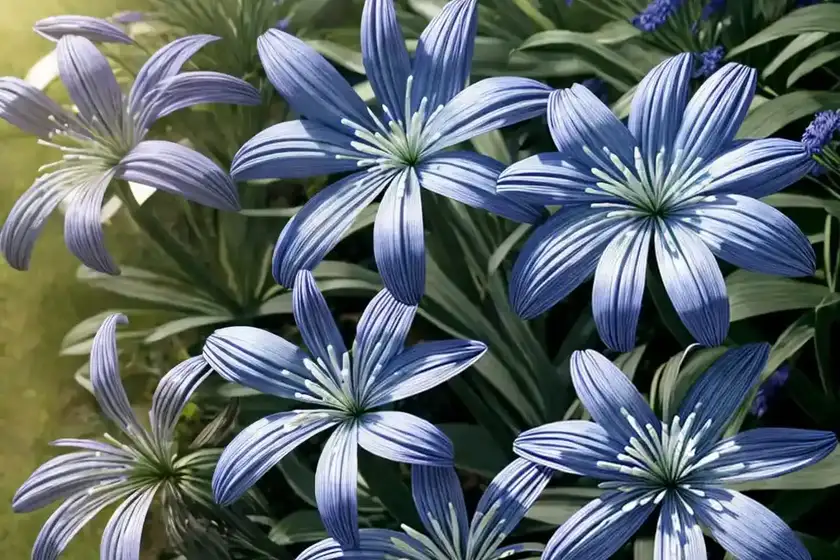
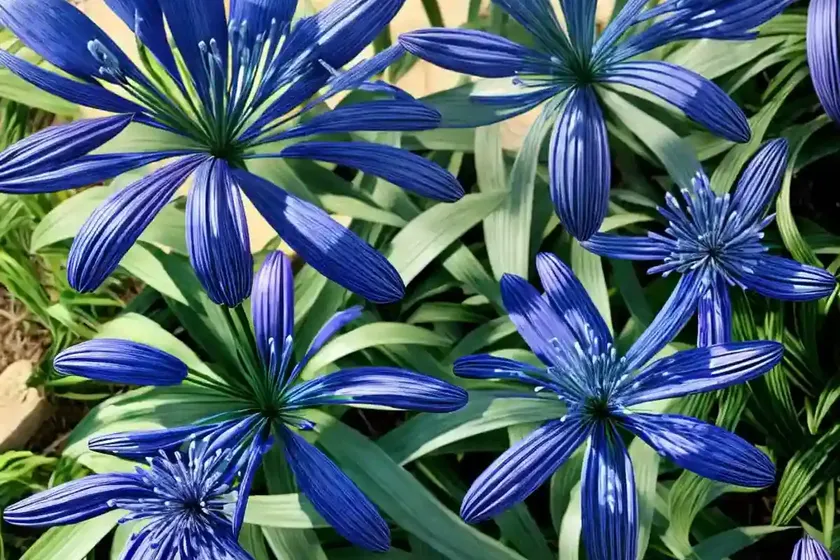
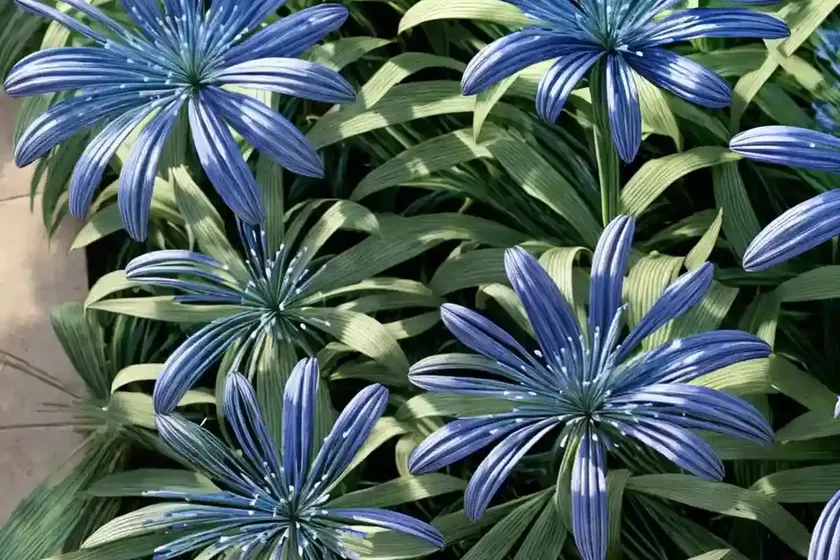
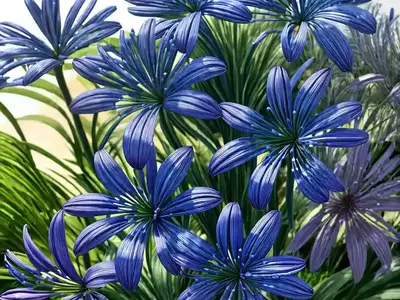
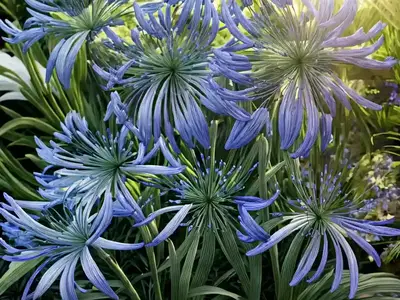
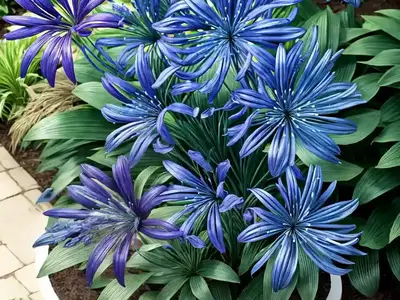
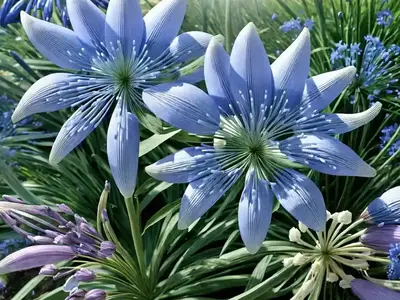
Agapanthus ‘Midnight Star’, commonly known as African Lily, is a stunning flowering plant that belongs to the Agapanthaceae family. This plant is renowned for its striking dark blue flowers that bloom in spherical clusters atop tall, slender stems. Native to South Africa, Agapanthus ‘Midnight Star’ is known for its hardiness, versatility, and beautiful ornamental features. In this comprehensive guide, we will delve into various aspects of caring for and using Agapanthus ‘Midnight Star’, covering its culture, uses, water, sunlight, fertilizer, soil, pruning, propagation, container gardening, popularity, common diseases, pests, and more.
What is Agapanthus ‘Midnight Star’ (African Lily)?
Agapanthus ‘Midnight Star’ is a perennial flowering plant that is prized for its dazzling deep blue flowers and lush, strap-shaped leaves. This plant typically reaches a height of 24 to 36 inches and spreads about 18 to 24 inches. It blooms in the summer, adding a touch of elegance and color to gardens, landscapes, and containers.
Key Takeaways – Agapanthus ‘Midnight Star’ (African Lily)
Before we delve into the specifics of caring for Agapanthus ‘Midnight Star’, let’s summarize the key takeaways about this stunning plant:
– Scientific Name: Agapanthus ‘Midnight Star’
– Common Name: African Lily
– Plant Type: Perennial
– Flower Color: Deep Blue
– Bloom Time: Summer
– Height: 24 to 36 inches
– Spread: 18 to 24 inches
Now, let’s explore the various aspects of caring for and using Agapanthus ‘Midnight Star’.
Culture
Cultivating Agapanthus ‘Midnight Star’ involves understanding its specific cultural requirements to ensure its optimal growth and blooming. The culture of this plant encompasses factors such as water, sunlight, soil, and fertilizer.
Uses
Before tending to the needs of Agapanthus ‘Midnight Star’, it’s essential to appreciate its versatile uses. This plant can be utilized in various ways, including:
– Garden beds and borders
– Container gardening
– Cut flower arrangements
– Landscaping focal points
– Ornamental grass plantings
– Border edging
Understanding the diverse applications of Agapanthus ‘Midnight Star’ enables us to tailor its care and placement according to its intended use.
Water
Proper watering is crucial for the health and vitality of Agapanthus ‘Midnight Star’. As a guideline, ensure that the soil is kept consistently moist but not waterlogged, particularly during the growing season. Adequate water is especially vital when the plant is establishing itself and during periods of drought.
Sunlight
Agapanthus ‘Midnight Star’ thrives in full sun to partial shade. When cultivated in regions with intense heat, providing some afternoon shade can be beneficial to prevent the plant from becoming stressed. Ensuring the right balance of sunlight is essential for optimal growth and prolific flowering.
Fertilizer
Fertilizing Agapanthus ‘Midnight Star’ can contribute to robust growth and vibrant blooms. A balanced, slow-release fertilizer with a higher phosphorus content can be applied in spring to support healthy flowering. However, it’s crucial to avoid excessive nitrogen, as this can lead to lush foliage at the expense of blooms.
Soil
The choice of soil plays a pivotal role in the success of growing Agapanthus ‘Midnight Star’. Well-draining, fertile soil with a slightly acidic to neutral pH is ideal for this plant. Amending the soil with organic matter can enhance its structure and fertility, providing an optimal foundation for the growth of Agapanthus ‘Midnight Star’.
Pruning
Pruning is an essential aspect of maintaining the health and aesthetics of Agapanthus ‘Midnight Star’. Regular deadheading, which involves removing spent flowers, can prolong the blooming period and encourage the development of new flowers. Additionally, cutting back the faded flower stalks and any damaged or withered foliage can help maintain the plant’s vigor and appearance.
Propagation
Agapanthus ‘Midnight Star’ can be propagated through various methods, including division, seed propagation, and tissue culture. Division of established clumps is a common and reliable technique for producing new plants. When dividing the plant, ensure that each division has sufficient roots and healthy foliage to support its growth. Propagation via seeds, while possible, may take longer to yield mature, flowering plants.
Container Popularity
Agapanthus ‘Midnight Star’ is well-suited for container gardening, bringing its vibrant blooms and graceful foliage to patios, balconies, and outdoor living spaces. When cultivated in containers, it’s crucial to select a suitable potting mix, provide adequate drainage, and ensure regular watering and fertilization to support the plant’s growth and flowering.
Common Diseases
Like any plant, Agapanthus ‘Midnight Star’ can be susceptible to certain diseases. Understanding these common diseases and their diagnosis is essential for implementing effective control measures and maintaining the plant’s health.
Disease Diagnosis
Some of the common diseases that can affect Agapanthus ‘Midnight Star’ include:
– Leaf Spot: Characterized by the appearance of dark lesions or spots on the foliage.
– Rust: Notable for the development of rusty-brown pustules on the leaves.
– Botrytis Blight: Causing gray mold on the foliage and flowers, particularly in humid conditions.
Vigilant monitoring and prompt action are critical for diagnosing and addressing these diseases to prevent their spread and minimize their impact on the plant.
Common Pests
Pests can also pose a threat to the health and appearance of Agapanthus ‘Midnight Star’. Identifying common pests and implementing appropriate control methods is essential for safeguarding the plant.
Common Pests
Some of the common pests that may affect Agapanthus ‘Midnight Star’ include:
– Aphids: These small, sap-sucking insects can cluster on the tender growth of the plant, causing distortion and stunted growth.
– Thrips: These pests can cause silvery or bronze-colored streaks on the leaves and flowers, leading to a decline in the plant’s health.
– Snails and Slugs: These pests can feed on the foliage and flowers, leaving behind ragged edges and unsightly damage.
Implementing integrated pest management practices, such as regular inspection, physical removal, and targeted treatments, can help mitigate the impact of these pests on Agapanthus ‘Midnight Star’.
Botanist’s Tips
To ensure the successful cultivation of Agapanthus ‘Midnight Star’, it’s beneficial to heed the following botanist’s tips:
– Ensure adequate moisture during the growing season, particularly when the plant is establishing itself and during periods of drought.
– Provide well-draining soil and amend it with organic matter to enhance fertility and structure.
– Monitor the plant for signs of disease and pests, and take prompt action to address any issues that arise.
– Tailor the care and placement of Agapanthus ‘Midnight Star’ according to its intended use, be it in garden beds, containers, or landscaping settings.
Fun Facts
As we appreciate the beauty and allure of Agapanthus ‘Midnight Star’, let’s explore some fun facts about this captivating plant:
– The name “Agapanthus” is derived from the Greek words “agape” (love) and “anthos” (flower), symbolizing the plant’s association with love and beauty.
– Agapanthus ‘Midnight Star’ is a magnet for pollinators, attracting bees, butterflies, and other beneficial insects to the garden.
– While blue is the most common flower color for Agapanthus, some cultivars also produce white, lilac, and purple blossoms, adding further diversity to this enchanting plant.
Links to External Resources
For further information on the care and cultivation of Agapanthus ‘Midnight Star’, refer to the following resources:
– Royal Horticultural Society – Agapanthus
– Missouri Botanical Garden – Agapanthus
– University of Florida IFAS Extension – Agapanthus Production Guide
– The American Phytopathological Society – Plant Disease Management Reports
Conclusion
In conclusion, Agapanthus ‘Midnight Star’ (African Lily) is a captivating plant with its striking flowers, luscious foliage, and versatile applications in gardens, landscapes, and containers. By understanding its cultural requirements, addressing common diseases and pests, and implementing botanist’s tips, we can ensure the successful cultivation and enjoyment of this alluring plant. Whether it’s adding a touch of elegance to garden beds, enhancing container gardens, or beautifying landscapes, Agapanthus ‘Midnight Star’ stands as a remarkable addition to any horticultural setting.
With its all-season interest, low maintenance, and showy blooms, Agapanthus ‘Midnight Star’ continues to enchant and inspire plant enthusiasts, gardeners, and landscape designers, ushering in a realm of floral beauty and natural allure.
Remember, for additional guidance, refer to the external resources provided and immerse yourself in the world of Agapanthus ‘Midnight Star’, where love, beauty, and botanical fascination converge.