African Bowstring-hemp (Sansevieria Hyacinthoides)
Introduction Plants have a remarkable ability to bring life and beauty to any environment. If you are a plant enthusiast or simply seeking to enhance the.
Introduction
Plants have a remarkable ability to bring life and beauty to any environment. If you are a plant enthusiast or simply seeking to enhance the aesthetics and air quality of your surrounding spaces, African Bowstring-hemp (Sansevieria Hyacinthoides) is an exceptional choice. Also commonly known as the Snake Plant, this species is popular for its adaptability, low maintenance requirements, and air-purifying properties.
In this comprehensive guide, we will delve into the various aspects of cultivating and caring for African Bowstring-hemp. From its cultural significance to ideal growing conditions, maintenance tips, common issues, and propagation techniques, this article aims to provide a wealth of information for both novice and experienced plant enthusiasts.
What is African Bowstring-hemp (Sansevieria Hyacinthoides)?
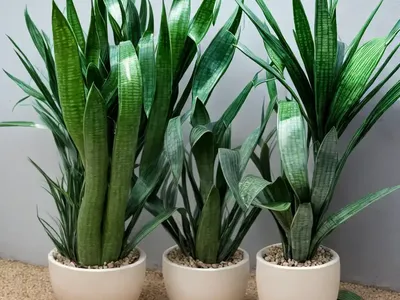
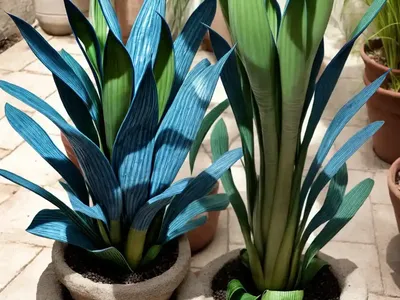
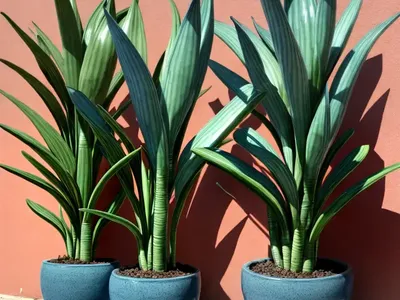
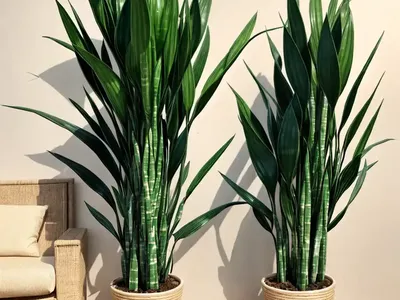
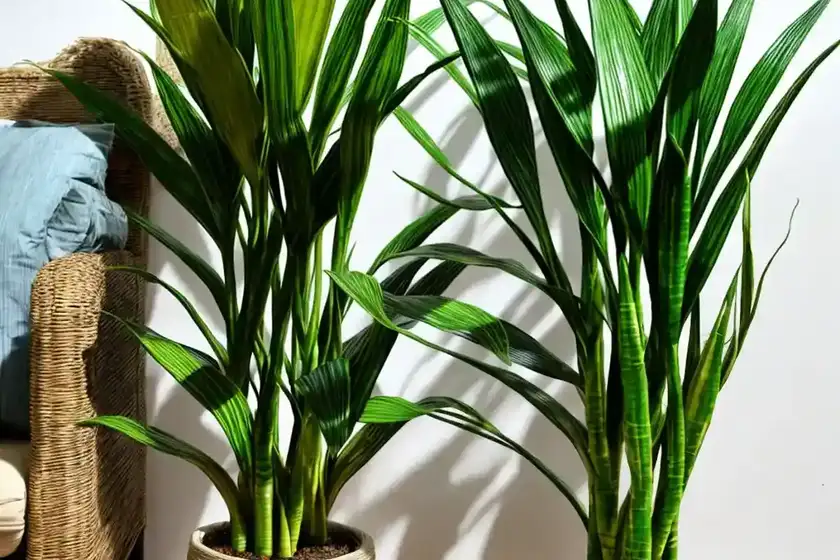
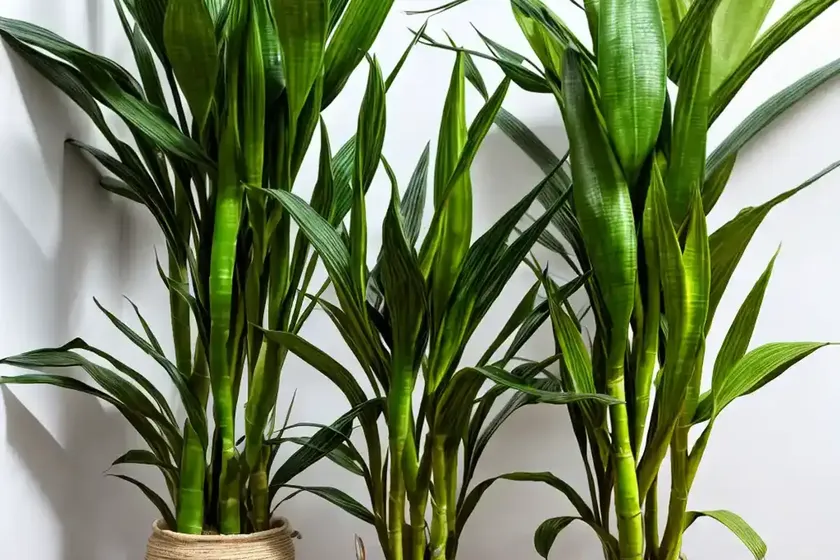
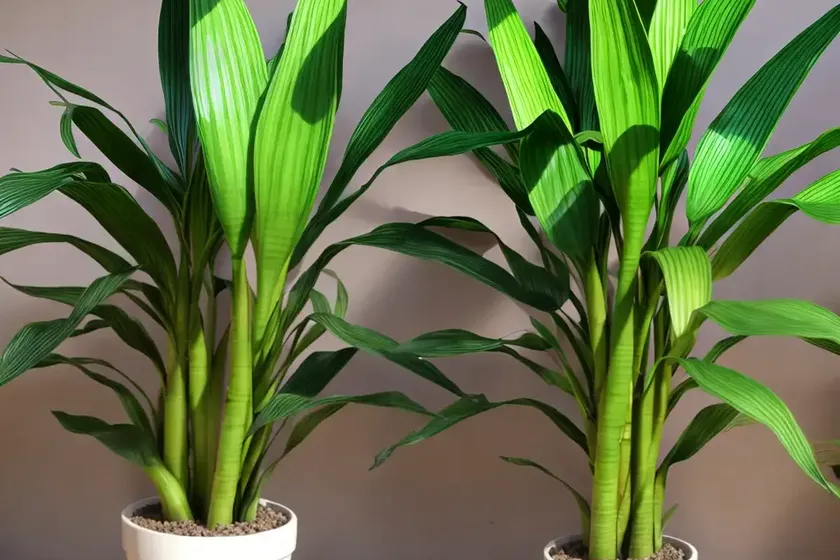
African Bowstring-hemp, scientifically known as Sansevieria Hyacinthoides, is a species of flowering plant in the family Asparagaceae. Originating from Africa, particularly in countries such as Tanzania and Kenya, this perennial herbaceous plant has gained widespread popularity worldwide due to its unique appearance and numerous benefits. It exhibits long, sword-shaped leaves that rise vertically, often with variegated patterns and hues.
As a member of the Sansevieria genus, African Bowstring-hemp is recognized for its resilience in diverse environmental conditions, making it an excellent choice for indoor and outdoor cultivation. It is also valued for its air-purifying abilities, making it a desirable addition to homes, offices, and indoor spaces.
Key Takeaways – African Bowstring-hemp (Sansevieria Hyacinthoides)
Before we delve into the specifics of cultivating and caring for African Bowstring-hemp, it’s essential to highlight some key takeaways about this remarkable plant:
-
Air-Purifying Qualities: African Bowstring-hemp is renowned for its ability to effectively purify indoor air by removing harmful toxins such as formaldehyde, xylene, toluene, and nitrogen oxides.
-
Low Maintenance: This species thrives in low-light conditions and requires minimal watering, making it an ideal choice for individuals seeking low-maintenance greenery.
-
Aesthetically Pleasing: With its striking vertical foliage and unique patterns, the African Bowstring-hemp adds a touch of elegance and visual appeal to any space.
-
Adaptability: It can tolerate a wide range of growing conditions, including low light, high humidity, and fluctuating temperatures, making it suitable for various environments.
Now that we have outlined the core features of African Bowstring-hemp, let’s explore the various aspects of its cultivation and care in detail.
Culture
Uses
African Bowstring-hemp holds diverse uses, ranging from ornamental and decorative to practical and health-related applications. Here are some common uses of Sansevieria Hyacinthoides:
Water
When it comes to watering African Bowstring-hemp, it is crucial to strike the right balance. Over-watering can lead to root rot and other issues, while under-watering may cause the plant to wilt and suffer from dehydration. Here are some key points to consider regarding watering:
-
Moderation is Key: African Bowstring-hemp is adapted to survive in low-water environments. It is important to let the soil dry out between waterings to prevent waterlogging.
-
Watering Frequency: Depending on environmental factors such as temperature, humidity, and potting medium, it is generally recommended to water the plant every 2-4 weeks during the growing season and less frequently during winter.
-
Checking Soil Moisture: Before watering, it is advisable to check the moisture level of the soil by inserting a finger into the top layer. If the soil feels dry to the touch, it is an indication that the plant may require watering.
Sunlight
As a species that originates from Africa, African Bowstring-hemp is well-adapted to thrive in conditions with minimal sunlight. Its ability to tolerate low-light environments makes it an excellent choice for indoor cultivation, especially in spaces with limited access to natural light. Here’s what you need to know about sunlight requirements for this plant:
Fertilizer
Proper fertilization is essential for promoting healthy growth and supporting the overall well-being of African Bowstring-hemp. While this species is relatively low-maintenance, providing adequate nutrients through fertilization can enhance its vitality and appearance. Here are some considerations for fertilizing Sansevieria Hyacinthoides:
Soil
Selecting the right potting medium and soil type is crucial for ensuring optimal growth and health for African Bowstring-hemp. The soil should provide adequate support for the plant’s roots while allowing for proper drainage. When choosing soil for Sansevieria Hyacinthoides, consider the following factors:
Pruning
While African Bowstring-hemp is generally low-maintenance, occasional pruning can help maintain its appearance and promote healthy growth. Pruning primarily involves the removal of damaged or yellowing leaves and the management of the plant’s overall shape. Here are some pruning tips for Sansevieria Hyacinthoides:
Propagation
For those interested in expanding their collection of African Bowstring-hemp or sharing the plant with others, propagation offers an excellent opportunity to create new plants from existing ones. This can be achieved through several methods, including leaf cuttings and division. Here’s a look at the propagation techniques for Sansevieria Hyacinthoides:
Container Popularity
African Bowstring-hemp’s popularity as a container plant stems from its ability to thrive in confined spaces and its suitability for indoor environments. The plant’s vertical growth habit and striking foliage make it an attractive addition to various container styles, ranging from classic ceramics to modern minimalist designs. Its adaptability to different container sizes and shapes allows for creative versatility in interior décor and landscaping.
Common Diseases and Pest Management
While African Bowstring-hemp is known for its resilience, it is not immune to certain diseases and pests. Understanding these potential issues and adopting preventive measures is essential for maintaining the plant’s health. Here are some common diseases and pests that may affect Sansevieria Hyacinthoides:
Botanist’s Tips
As a plant scientist, I would like to offer some additional tips and insights to enhance the cultivation and care of African Bowstring-hemp:
Fun Facts
To add a touch of fascination to our exploration of African Bowstring-hemp, here are some intriguing and lesser-known facts about this remarkable plant:
Links to External Resources
For further exploration and in-depth information about African Bowstring-hemp (Sansevieria Hyacinthoides), I recommend the following external resources:
These resources offer a wealth of insights, advice, and guidance for plant enthusiasts and individuals seeking detailed information on the cultivation and care of African Bowstring-hemp.
Conclusion
African Bowstring-hemp (Sansevieria Hyacinthoides) stands as a testament to the diverse and fascinating world of plant life. Its unique qualities, from air purification to adaptability and aesthetic appeal, make it a cherished addition to interior spaces and gardens. Whether you are drawn to its striking appearance, environmental benefits, or ease of care, this plant offers a wealth of rewards to those who cultivate and appreciate it.
By understanding the cultural significance, optimal growing conditions, maintenance essentials, and propagation techniques, you can embark on a rewarding journey of nurturing and enjoying the beauty of African Bowstring-hemp. As you welcome this remarkable plant into your living spaces, may it bring not only visual splendor but also a sense of tranquility and well-being.
Remember to explore the external resources provided to delve deeper into the world of African Bowstring-hemp and expand your knowledge of its cultivation and care. Whether you are a beginner or an experienced plant enthusiast, the journey of nurturing African Bowstring-hemp is sure to be filled with endless fascination and growth.
Happy planting and may your Sansevieria Hyacinthoides thrive and flourish in your care!
Institute References at End of blog post
References
- The Spruce. “A Guide to Snake Plants: How to Care for the Sansevieria”. Link
- Gardening Know How. “Snake Plant Care – Growing The ‘Mother In Law’s Tongue’ Plant”. Link
- Plant Care Today. “Sansevieria Hyacinthoides: Sansevieria Plant Profile, Care, and Growing Guide”. Link
- EcoWatch. “The Best Snake Plant Care Tips”. Link
- Gardening Channel. “Sansevieria Hyacinthoides: Growing The Snake Plant”. Link
- Joy Us Garden. “How to Care for Sansevieria Hyacinthoides”. Link