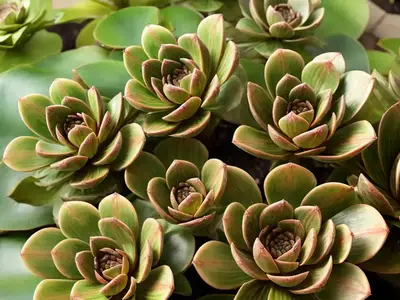
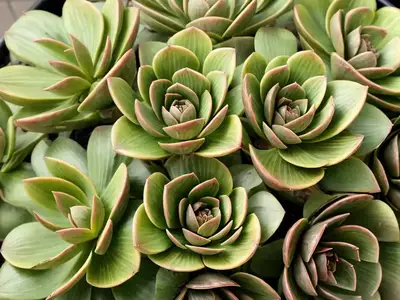
Adromischus Cooperi (Adromischus Cooperi)
Adromischus cooperi is a fascinating species of succulent plant that has gained popularity among plant enthusiasts and collectors. This ultimate guide will.
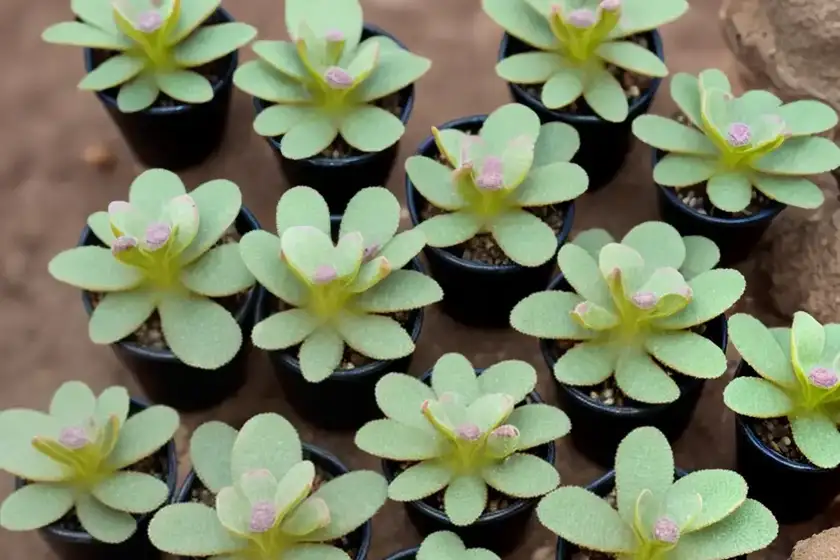
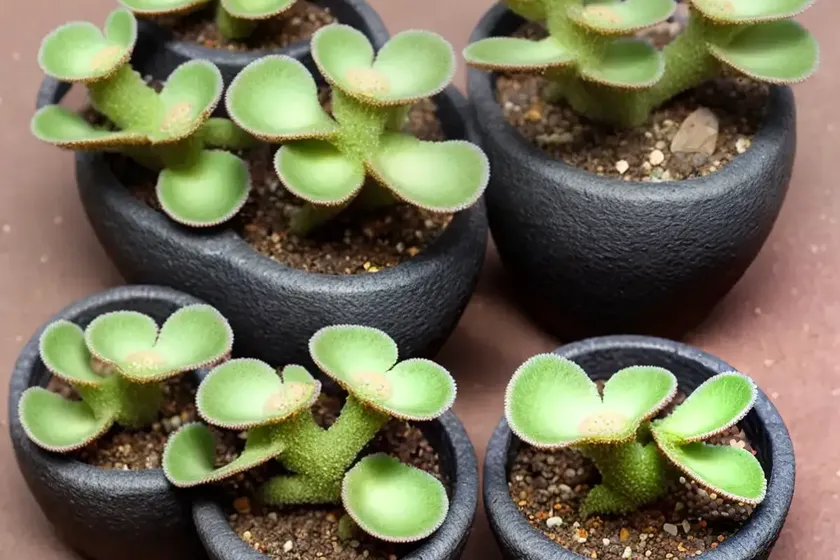
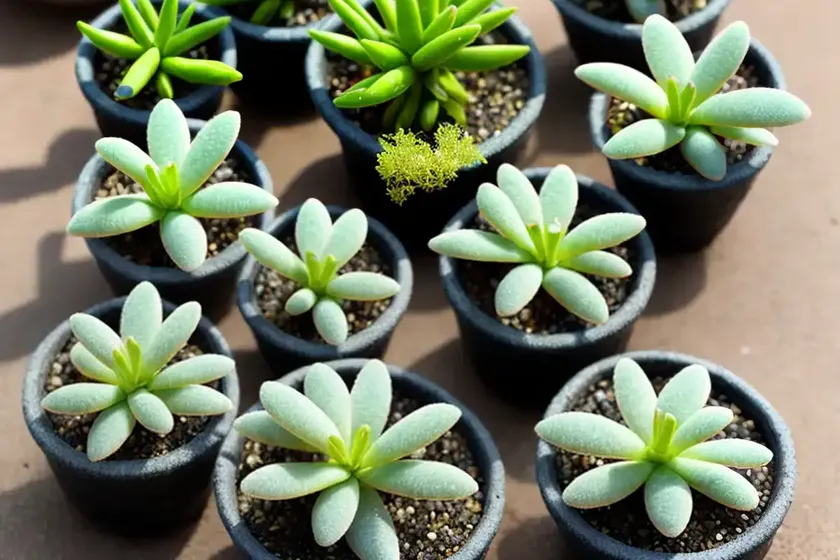
Adromischus cooperi is a fascinating species of succulent plant that has gained popularity among plant enthusiasts and collectors. This ultimate guide will provide comprehensive insights into the culture, uses, care, and maintenance of Adromischus cooperi, as well as tips from botanists and intriguing fun facts about this unique plant.
What is Adromischus cooperi?
Adromischus cooperi, commonly known as Cotyledon cooperi, is a member of the Crassulaceae family, which includes a diverse range of succulent plants. This species is native to the Eastern Cape Province of South Africa, where it thrives in rocky habitats and cliffs, exhibiting remarkable adaptations to arid conditions.
Adromischus cooperi is renowned for its distinctive fleshy leaves, which form compact rosettes and have a striking silvery-grey to bluish-green coloration. The leaves are often adorned with intriguing patterns and textures, adding to the allure of this plant. In its natural habitat, Adromischus cooperi produces small, tubular, bell-shaped flowers that can range in color from white to pale pink and appear on elongated stalks.
Key Takeaways – Adromischus cooperi
Before delving deeper into the culture and care of Adromischus cooperi, let’s take a closer look at some key takeaways about this captivating succulent:
- Adromischus cooperi is a species of succulent plant native to the Eastern Cape Province of South Africa.
- It belongs to the Crassulaceae family and is characterized by its compact rosettes of fleshy, silvery-grey to bluish-green leaves.
- This species produces small, tubular flowers in shades of white to pale pink on elongated stalks.
- Adromischus cooperi exhibits remarkable adaptations to arid conditions, making it an excellent choice for arid and succulent gardens.
- Its unique appearance and low-maintenance requirements have contributed to its growing popularity among plant enthusiasts.
Now that we have gained a basic understanding of what Adromischus cooperi is, let’s explore the culture, uses, and care guidelines for this remarkable succulent.
Culture
Uses
Adromischus cooperi is prized for its ornamental value, making it a sought-after choice for various uses in landscaping and indoor gardening. Here are a few common applications of Adromischus cooperi:
- Indoor Décor: The striking appearance of Adromischus cooperi’s rosettes and leaves makes it an ideal choice for indoor décor. It can be featured in succulent arrangements, terrariums, and small containers to add a touch of natural beauty to indoor spaces.
- Outdoor Landscaping: In outdoor landscapes, Adromischus cooperi can be used to create captivating succulent gardens, rockeries, and xeriscapes. Its drought tolerance and low water requirements make it an excellent choice for arid and water-wise landscaping.
- Container Gardening: Due to its compact size and low maintenance needs, Adromischus cooperi is well-suited for container gardening. It can be grown in pots, planters, and decorative containers to adorn patios, balconies, and garden spaces.
- Rock Gardens: The unique texture and color of Adromischus cooperi’s leaves make it an excellent addition to rock gardens and alpine plantings. Its ability to thrive in rocky habitats makes it a natural fit for this type of garden setting.
The versatile uses of Adromischus cooperi make it a valuable addition to both indoor and outdoor settings, allowing plant enthusiasts to incorporate its beauty into diverse gardening and decorative arrangements.
Water
Understanding the water requirements of Adromischus cooperi is crucial for ensuring its health and vitality. As a succulent plant adapted to arid conditions, Adromischus cooperi exhibits moderate drought tolerance and should be watered cautiously to prevent issues such as root rot.
Key Points for Watering Adromischus cooperi
- Watering Frequency: Adromischus cooperi benefits from a watering schedule that allows the soil to dry out partially between watering sessions. In general, it is advisable to water this succulent when the top inch of the soil has dried out, mimicking the natural dry-wet cycles it experiences in its native habitat.
- Avoid Overwatering: Overwatering can be detrimental to Adromischus cooperi, leading to root rot and other moisture-related issues. It is crucial to ensure that the soil is well-draining and to refrain from waterlogging the plant, especially during the winter months when it experiences dormancy.
- Deep Watering Technique: When watering Adromischus cooperi, it is recommended to utilize a deep watering technique that allows the water to penetrate the soil deeply. This encourages the development of a robust root system and prevents shallow rooting.
By adhering to a cautious watering regimen and being mindful of the plant’s water needs, it is possible to maintain the health and vigor of Adromischus cooperi while preventing water-related problems.
Sunlight
Like many succulent plants, Adromischus cooperi thrives in bright and indirect sunlight, exhibiting distinct preferences for light exposure that contribute to its growth and appearance.
Key Points for Sunlight Requirements of Adromischus cooperi
- Indirect Sunlight: Adromischus cooperi prefers to be situated in locations with bright, indirect sunlight. Placing the plant near a south- or east-facing window can provide the ideal lighting conditions, allowing it to receive ample natural light without being exposed to direct, intense sunlight.
- Protection from Harsh Sun: While Adromischus cooperi appreciates bright light, it is essential to shelter it from prolonged exposure to intense, direct sunlight, particularly during the peak hours of the day. Excessive sun exposure can lead to sunburn and damage the delicate leaves of the plant.
- Seasonal Adjustments: During the summer months, it is beneficial to provide some protection from the harsh midday sun by using sheer curtains or moving the plant slightly further away from the window. In contrast, during the winter months, when natural light levels are lower, positioning Adromischus cooperi closer to a bright window can help meet its light requirements.
Learning to manage the exposure of Adromischus cooperi to sunlight is essential for promoting healthy growth and maintaining the vibrant coloration of its leaves.
Fertilizer
Fertilization plays a crucial role in supporting the growth and development of Adromischus cooperi, providing essential nutrients that contribute to its overall health and vigor. However, it is essential to use fertilizers carefully and in moderation to avoid causing harm to the plant.
Key Points for Fertilizing Adromischus cooperi
- Balanced Fertilizer: Adromischus cooperi benefits from the use of a balanced, low-potency fertilizer formulated for use with succulent plants. Selecting a fertilizer with a balanced NPK (nitrogen, phosphorus, and potassium) ratio, such as 10-10-10 or 5-5-5, can help meet the nutritional needs of the plant without overstimulating excessive growth.
- Spring and Summer Feeding: During the active growing season in spring and summer, Adromischus cooperi can be fertilized every 4-6 weeks to provide supplemental nutrients that support its growth and blooming. Diluting the fertilizer to half or quarter strength is recommended to prevent fertilizer burn and minimize the risk of overfeeding.
- Avoid Winter Feeding: As Adromischus cooperi experiences a period of reduced growth and dormancy during the winter months, it is advisable to refrain from fertilizing the plant during this time. Withholding fertilizer during the winter helps mimic its natural growth cycle and prevents nutrient buildup in the soil.
By employing a mindful and moderate approach to fertilization, it is possible to supply Adromischus cooperi with the nutrients it needs while preventing the adverse effects of overfertilization.
Soil
Selecting an appropriate soil mix is critical for ensuring the well-being of Adromischus cooperi, as it directly influences the plant’s ability to access essential moisture and nutrients while providing a stable growing medium.
Key Points for Adromischus cooperi Soil Requirements
- Well-Draining Soil: Adromischus cooperi thrives in well-draining soil that facilitates the efficient flow of excess moisture. A well-balanced mix that combines components such as coarse sand, perlite, and organic matter, such as peat or compost, can help create an ideal soil blend for this succulent.
- Avoid Waterlogging: It is crucial to prevent waterlogging and soil compaction, as standing water and overly dense soil can lead to root rot and other moisture-related issues. Ensuring good aeration and porosity in the soil mix is essential to maintain root health.
- Commercial Cactus Mix: Utilizing a high-quality commercial cactus mix that is specifically designed for succulent plants can provide a convenient and effective option for meeting the soil requirements of Adromischus cooperi. These pre-formulated mixes often contain ingredients that promote drainage and are tailored to the needs of succulents.
Carefully selecting or preparing a well-draining soil mix is fundamental for creating a healthy and favorable growing environment for Adromischus cooperi, supporting its growth and sustainability.
Pruning
Pruning Adromischus cooperi may be necessary to maintain its shape, remove damaged or withered foliage, and promote a more compact growth habit. Proper pruning techniques can help enhance the overall appearance of the plant while encouraging new growth.
Key Points for Pruning Adromischus cooperi
- Remove Yellowed or Dying Leaves: Regularly inspecting Adromischus cooperi for any yellowed, shriveled, or damaged leaves and promptly removing them can help preserve the health and aesthetics of the plant. Use clean, sharp scissors or pruning shears to make clean cuts close to the base of the affected leaves.
- Encourage Bushier Growth: Pruning can be used to encourage a bushier growth habit and prevent the plant from becoming leggy or sparse. When the plant produces new growth, selectively removing the tip of certain stems can induce branching and result in a denser, more compact appearance.
- Sterilize Tools: It is essential to sterilize pruning tools before and after each use to prevent the spread of diseases and pathogens. Wiping the blades with rubbing alcohol or a disinfectant solution can help minimize the risk of transmitting infections to the plant.
Adopting a mindful approach to pruning can help maintain the health and aesthetics of Adromischus cooperi, allowing it to flourish and thrive in its growing environment.
Propagation
The ability to propagate Adromischus cooperi through various methods allows plant enthusiasts to expand their collection and share this captivating succulent with others. Understanding the propagation techniques for this species can open up exciting possibilities for creating new plants from established ones.
Key Points for Propagating Adromischus cooperi
- Leaf Cuttings: Propagating Adromischus cooperi from leaf cuttings is a common and straightforward method that involves carefully removing healthy leaves from the parent plant and allowing them to callus before planting them in a suitable propagation medium. With proper care and suitable conditions, these leaf cuttings can develop into new plantlets over time.
- Stem Cuttings: Stem cuttings can also be used to propagate Adromischus cooperi, particularly when the parent plant has produced elongated stems. Taking clean stem cuttings and allowing them to dry before planting them in a well-draining, slightly moist medium can yield new plants once the cuttings develop roots.
- Division: Division of mature Adromischus cooperi rosettes can be performed to create multiple smaller plants, particularly when the parent plant has produced offsets or clusters of rosettes. Carefully separating these rosettes and replanting them in appropriate soil can result in the establishment of new individual plants.
By gaining familiarity with the propagation techniques for Adromischus cooperi, plant enthusiasts can perpetuate and share the beauty of this succulent, while experimenting with new growth opportunities.
Container Popularity
The compact size, attractive appearance, and low-maintenance nature of Adromischus cooperi have contributed to its growing popularity as a container plant. Cultivating this succulent in containers presents numerous opportunities for gardeners and plant enthusiasts to showcase its beauty in various ways.
Key Points for Growing Adromischus cooperi in Containers
- Container Selection: When growing Adromischus cooperi in containers, it is essential to choose pots or planters with adequate drainage holes, allowing excess water to escape easily and preventing waterlogging. The size of the container should accommodate the root system of the plant while providing some room for growth.
- Indoor and Outdoor Use: Adromischus cooperi can thrive both indoors and outdoors when cultivated in containers, offering versatility in terms of its placement and use. It can be featured in windowsill gardens, on patios, and in other indoor and outdoor settings to enhance the aesthetic appeal of living spaces.
- Arrangements and Combinations: Combining Adromischus cooperi with other compatible succulent plants in mixed container arrangements can create visually appealing displays that showcase the diversity and beauty of succulents. Considering factors such as height, color, and growth habits when selecting companion plants can lead to harmonious combinations.
The popularity of Adromischus cooperi as a container plant stems from its adaptability, aesthetic appeal, and compatibility with various container gardening settings, making it an attractive choice for both novice and experienced gardeners.
Common Diseases
While Adromischus cooperi is relatively resistant to diseases when provided with appropriate care, it is essential to be aware of potential issues that can affect the plant and take proactive measures to prevent or address them effectively.
Common Diseases Affecting Adromischus cooperi
- Root Rot: Overwatering and waterlogged soil can lead to the development of root rot in Adromischus cooperi, resulting in wilting, yellowing, and eventual collapse of the plant. Ensuring proper drainage and avoiding excessive moisture can help prevent this issue.
- Powdery Mildew: In conditions of high humidity or inadequate air circulation, Adromischus cooperi may be susceptible to powdery mildew, which appears as a white, powdery coating on the leaves and stems. Preventing overcrowding and maintaining suitable growing conditions can help reduce the risk of this fungal disease.
- Pests and Pathogens: In certain environmental conditions, Adromischus cooperi may attract pests such as aphids, mealybugs, and spider mites, as well as pathogens like bacteria and fungi. Regular monitoring, careful maintenance, and prompt intervention can help manage these potential threats.
By remaining vigilant and implementing proper cultural practices, it is possible to minimize the risk of diseases affecting Adromischus cooperi, contributing to the plant’s long-term health and vitality.
Disease Diagnosis
Recognizing the signs and symptoms of diseases that may affect Adromischus cooperi is vital for promptly identifying and addressing potential issues. Timely diagnosis allows for effective intervention and measures to mitigate the impact of diseases on the plant.
Key Indicators for Disease Diagnosis in Adromischus cooperi
- Yellowing or Wilted Leaves: Yellowing or wilting of leaves, particularly at an accelerated rate, can signal potential issues with the root system, such as root rot, waterlogged soil, or nutrient deficiencies.
- Abnormal Coatings or Growth: The presence of powdery, white coatings on the leaves and stems, as well as unusual growths or spots, may indicate the presence of fungal diseases or pests that require attention.
- Stunted or Unhealthy Appearance: Adromischus cooperi that exhibits stunted growth, discoloration, or a generally unhealthy appearance may be showing signs of underlying diseases or stress, calling for further investigation.
By remaining observant and responsive to changes in the appearance and behavior of Adromischus cooperi, it is possible to promptly diagnose and address potential diseases, safeguarding the plant’s well-being.
Common Pests
Various pests can pose a threat to the health and vitality of Adromischus cooperi, necessitating effective pest management strategies to mitigate their impact and prevent damage to the plant.
Common Pests Affecting Adromischus cooperi
- Aphids: These small, soft-bodied insects can infest Adromischus cooperi, feeding on the sap of the plant and causing distortion, yellowing, and weakening of the leaves. Regularly inspecting the plant and employing control methods such as insecticidal soaps or horticultural oils can help manage aphid populations.
- Mealybugs: Mealybugs are another common pest that may affect Adromischus cooperi, often appearing as cottony, waxy masses clustered on the leaves and stems. Taking measures to physically remove the insects and using targeted treatments can aid in controlling mealybug infestations.
- Spider Mites: These tiny arachnids can infest Adromischus cooperi, causing stippling, webbing, and leaf discoloration as they feed on the plant’s juices. Regularly showering the plant to remove dust and employing natural predators or miticides can help reduce spider mite populations.
Proactive pest management, regular monitoring, and swift intervention are essential for preventing and managing pest infestations that may affect the health and vitality of Adromischus cooperi.
Botanist’s Tips
Drawing on the expertise of botanists who have studied and worked with Adromischus cooperi can provide valuable insights and recommendations for successfully cultivating and caring for this unique succulent.
Tips for Growing and Caring for Adromischus cooperi
- Provide Well-Draining Soil: Ensuring that Adromischus cooperi is planted in a well-draining soil mix that promotes air circulation and prevents excess moisture is crucial for preventing issues such as root rot and maintaining overall plant health.
- Monitor Light Exposure: Managing the exposure of Adromischus cooperi to bright, indirect sunlight and sheltering it from prolonged, intense sunlight can help safeguard the plant from sunburn and leaf damage.
- Exercise Caution with Watering: Adhering to a cautious watering schedule and allowing the soil to partially dry out between watering sessions can help prevent overwatering and the associated detrimental effects on the plant’s root system.
By heeding the advice and recommendations of experienced botanists, plant enthusiasts can apply proven strategies for successfully caring for Adromischus cooperi and promoting its well-being.
Fun Facts
Uncovering fascinating and intriguing facts about Adromischus cooperi can deepen our appreciation for this remarkable succulent, shedding light on its unique attributes and adaptations.
Fun Facts about Adromischus cooperi
- Botanical Rarity: Adromischus cooperi is prized by collectors and enthusiasts for its relatively rare status, captivating appearance, and the diversity of leaf shapes and colors that can be observed across different varieties and forms.
- Drought Tolerance: This succulent plant exhibits remarkable adaptations to arid conditions, allowing it to thrive in environments where water is scarce and temperatures are high. Its succulent leaves store water, enabling the plant to withstand periods of drought.
- Morphological Diversity: Adromischus cooperi displays a wide range of leaf shapes, colors, and textures, capturing the interest of botanical enthusiasts and collectors who appreciate the diversity within this single species.
Exploring these fun facts about Adromischus cooperi offers a glimpse into the fascinating and extraordinary characteristics that contribute to its