Adria Bellflower (Campanula Portenschlagiana)
Plants are a vital component of our ecosystem, providing us with food, oxygen, and a beautiful aesthetic. One of the most captivating and versatile plants.
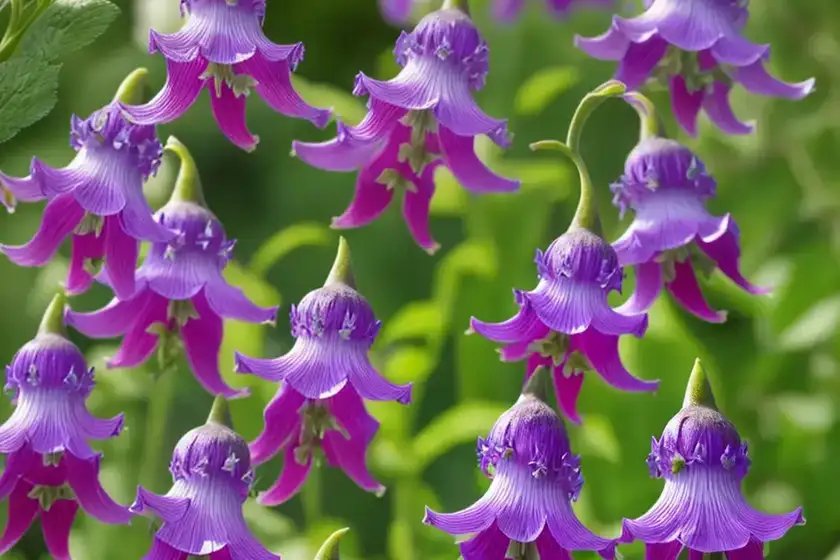
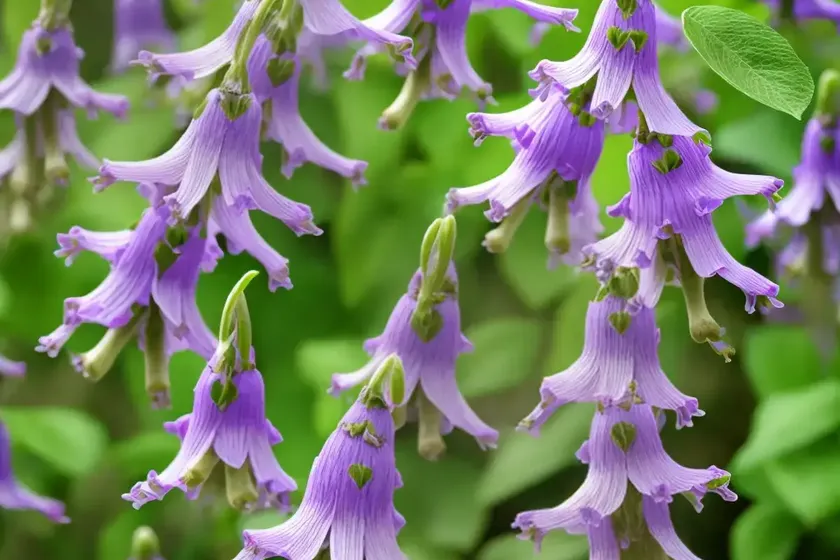
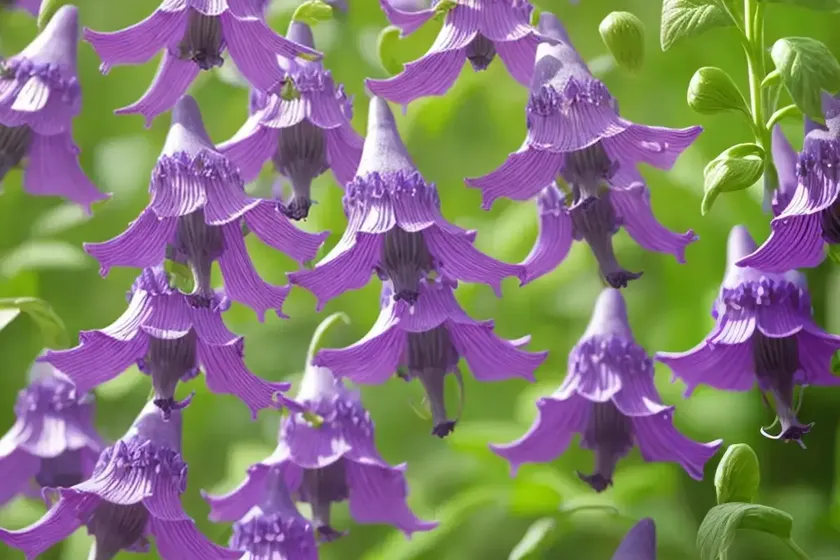
Plants are a vital component of our ecosystem, providing us with food, oxygen, and a beautiful aesthetic. One of the most captivating and versatile plants is the Adria Bellflower, scientifically known as Campanula portenschlagiana. In this comprehensive guide, we will delve into the world of this resilient and elegant plant, exploring its characteristics, uses, growing conditions, maintenance, and much more. Whether you are a seasoned gardener or a novice plant enthusiast, this guide will equip you with the knowledge to cultivate and appreciate the enchanting Adria Bellflower.
What is Adria Bellflower (Campanula portenschlagiana)?
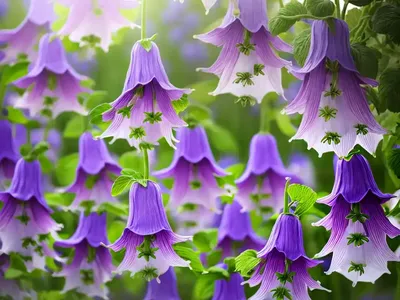
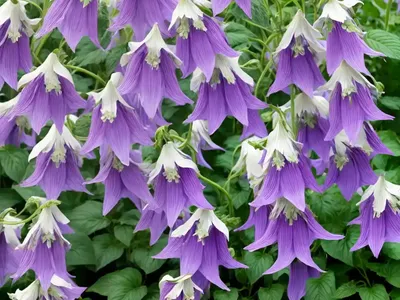
Campanula portenschlagiana, commonly known as Adria Bellflower, is a low-growing perennial plant that is native to the Dalmatian Mountains in Croatia. Belonging to the Campanulaceae family, this plant is renowned for its charming bell-shaped flowers and its ability to thrive in various environments. Its scientific name “Campanula” is derived from the Latin word for “little bell,” which perfectly describes the shape of its blossoms. The species name “portenschlagiana” commemorates Count Franz Anton von Portenschlag-Ledermayer, an Austrian botanist who explored the Dalmatian region in the 18th century.
Key Takeaways – Adria Bellflower (Campanula portenschlagiana)
Before we delve into the specifics of cultivating Adria Bellflower, let’s explore some key takeaways about this captivating plant:
- Scientific Name: Campanula portenschlagiana
- Common Name: Adria Bellflower
- Plant Type: Perennial
- Native Habitat: Dalmatian Mountains, Croatia
- Characteristics: Low-growing, bell-shaped flowers
- Uses: Ground cover, container plant, rock gardens, borders
- Growing Conditions: Sunlight, water, soil, fertilizer
- Maintenance: Pruning, propagation, disease management
- Popularity: Widely cultivated in gardens and landscapes
- Common Diseases: Rot, powdery mildew
- Common Pests: Aphids, slugs
Now, let’s embark on a detailed exploration of the culture, uses, and care requirements of the Adria Bellflower.
Culture
Understanding the cultural requirements of a plant is essential for successful cultivation. The culture of the Adria Bellflower encompasses its uses, water and sunlight needs, fertilizer requirements, soil preferences, pruning techniques, propagation methods, and its suitability for container gardening. By comprehensively exploring these aspects, we can provide the ideal environment for this resilient plant to thrive.
Uses
The Adria Bellflower is a versatile plant that offers several uses in garden landscapes and container gardens. Its low-growing habit and prolific flowering make it suitable for various applications:
- Ground Cover: Adria Bellflower is often used as a ground cover in garden beds and slopes, creating a lush carpet of foliage and delicate blooms.
- Container Plant: Its compact size and cascading growth make it an excellent choice for container gardening, adding a pop of color to patios, balconies, and terraces.
- Rock Gardens: The charming appearance of the Adria Bellflower makes it an ideal candidate for rock gardens, adding a touch of elegance to the rugged landscape.
- Borders: The plant’s trailing nature and abundance of flowers make it an attractive border plant, defining garden edges with a splash of color and texture.
The adaptability of the Adria Bellflower to various uses makes it a valuable addition to any garden or landscape design.
Water
Proper watering is crucial for the health and vitality of the Adria Bellflower. While this plant is known for its resilience, it thrives best in consistently moist but well-drained soil. Overwatering can lead to root rot, while underwatering can result in stunted growth and reduced flowering.
- Watering Frequency: During the growing season, water the Adria Bellflower regularly, allowing the soil to dry slightly between waterings. In periods of high heat or drought, increased watering may be necessary to maintain soil moisture.
- Avoid Waterlogging: Ensure that the soil has adequate drainage to prevent waterlogging, which can lead to root diseases.
Sunlight
Like many flowering plants, the Adria Bellflower benefits from ample sunlight, but it can also tolerate partial shade, making it adaptable to various garden settings.
- Sun Exposure: Ideally, the Adria Bellflower should be provided with full sunlight for at least six hours a day to promote robust flowering and compact growth. In hotter climates, partial shade during the intensities of midday sun can help protect the plant from heat stress.
- Shade Tolerance: While the plant thrives in sunlight, it can also flourish in partially shaded areas, making it suitable for diverse garden environments.
Fertilizer
Applying fertilizer can enhance the growth and flowering of the Adria Bellflower, providing essential nutrients for its development. When selecting a fertilizer, opt for a balanced, water-soluble formula that promotes overall plant health.
- Fertilizing Frequency: During the growing season, apply a balanced fertilizer every four to six weeks to support the plant’s growth and flowering. Reduce or cease fertilization during the dormant winter period when the plant’s growth slows.
- Avoid Overfertilization: Excessive fertilization can lead to excessive foliage growth at the expense of flowering. Follow the manufacturer’s recommendations for application rates and dilution.
Soil
The Adria Bellflower thrives in well-drained, fertile soil with a slightly acidic to neutral pH. Good soil structure and adequate drainage are essential for preventing waterlogged conditions and root rot.
- Soil Composition: Use a well-draining potting mix or garden soil enriched with organic matter, such as compost or peat moss, to enhance soil fertility and structure.
- Soil pH: Aim for a soil pH ranging from 5.5 to 7.0, which is slightly acidic to neutral. Conduct a soil test to determine the pH of the planting site and make amendments as necessary.
Pruning
Regular pruning is beneficial for maintaining the health, shape, and flowering performance of the Adria Bellflower. Pruning also helps control the plant’s size and prevent excessive spreading.
- Deadheading: Remove spent flowers regularly to encourage continuous blooming and prevent the plant from diverting energy into seed production.
- Trimming: As the plant matures, trim back any leggy or overgrown stems to promote a compact and tidy appearance.
- Seasonal Pruning: In late winter or early spring, perform more comprehensive pruning to rejuvenate the plant and remove any damaged or diseased growth.
Propagation
Propagating the Adria Bellflower allows for the expansion of its presence in the garden or the sharing of its beauty with other gardening enthusiasts. The following methods can be employed for propagation:
- Division: Divide mature clumps of the Adria Bellflower in early spring to create new plants. Carefully separate the clumps into individual sections, ensuring that each section has roots attached, and replant them in suitable locations.
- Cuttings: Take stem cuttings from healthy, actively growing plants in spring or early summer. Remove the lower leaves, dip the cut ends in a rooting hormone, and place the cuttings in a well-draining propagation medium. Provide adequate moisture and warmth to encourage rooting.
Container Popularity
The Adria Bellflower’s compact growth habit and beautiful flowering make it highly popular for container gardening. When selecting a container for this plant, consider the following factors:
- Size: Choose a container with sufficient space for the plant’s roots to develop. A diameter of 10 to 12 inches is suitable for a single Adria Bellflower plant.
- Drainage: Ensure that the container has drainage holes to prevent waterlogging and root rot.
- Potting Mix: Use a well-draining potting mix that provides adequate aeration and retains moisture without becoming waterlogged.
The Adria Bellflower thrives in containers placed on patios, balconies, or other outdoor spaces, adding a charming touch to the surroundings.
Common Diseases
Despite its resilience, the Adria Bellflower is susceptible to certain diseases, especially under unfavorable growing conditions. Common diseases that may affect this plant include root rot and powdery mildew.
Root Rot
Root rot is a fungal disease that affects the roots of plants, leading to symptoms such as wilting, yellowing leaves, and stunted growth. To prevent root rot in Adria Bellflower:
- Provide Adequate Drainage: Ensure that the soil has proper drainage to prevent waterlogging, which is conducive to the development of root rot.
- Avoid Overwatering: Overwatering can lead to waterlogged soil, creating an environment where root rot fungi thrive. Allow the soil to dry slightly between waterings to prevent excessive moisture.
Powdery Mildew
Powdery mildew is a common fungal disease that manifests as a powdery white coating on the leaves of plants. To prevent powdery mildew in Adria Bellflower:
- Promote Air Circulation: Plant Adria Bellflower in an area with good air circulation to reduce humidity and minimize the risk of powdery mildew.
- Fungal Control: Apply fungicidal sprays or treatments at the first signs of powdery mildew to prevent its spread and protect the plant’s foliage.
Prompt identification and treatment of these diseases can help safeguard the health and aesthetics of the Adria Bellflower.
Disease Diagnosis
Diagnosing diseases in plants is essential for implementing effective treatment and prevention strategies. In the case of the Adria Bellflower, it is crucial to promptly identify any symptoms of potential diseases to address them proactively.
Symptoms of Root Rot
- Wilting: Affected plants may exhibit wilting of the foliage, often starting with the lower leaves and progressively affecting the entire plant.
- Yellowing Leaves: The leaves of plants with root rot may turn yellow and appear unhealthy, indicating compromised root function.
- Stunted Growth: Slowed or stunted growth can be a sign of root damage and diminished nutrient uptake due to root rot.
Symptoms of Powdery Mildew
- Powdery White Coating: The presence of a powdery, white substance on the leaves’ surface is indicative of powdery mildew.
- Leaf Distortion: Infected leaves may exhibit distortion or abnormal growth patterns, affecting the plant’s overall appearance.
- Reduced Vigor: Plants with powdery mildew may show reduced vigor and impaired growth due to the impact of the fungal disease.
By recognizing these symptoms early, gardeners can take appropriate measures to address and manage potential diseases in Adria Bellflower.
Common Pests
In addition to diseases, the Adria Bellflower may also encounter certain pests that can compromise its health and appearance. Understanding these common pests and implementing pest control measures is vital for preserving the plant’s vitality.
Aphids
Aphids are small, soft-bodied insects that feed on plant sap, often congregating on new growth and the undersides of leaves. To manage aphids on Adria Bellflower:
- Hose Them off: Use a strong stream of water to dislodge aphids from the plant, reducing their numbers and preventing further damage.
- Beneficial Insects: Introduce natural predators of aphids, such as ladybugs and lacewings, to the garden to help control aphid populations.
Slugs
Slugs are voracious feeders that can cause significant damage to the foliage of plants, including the Adria Bellflower. To deter slugs from attacking the plant:
- Mulch: Apply a layer of organic mulch around the base of the plant to create a barrier that impedes slug movement and feeding.
- Natural Barriers: Use natural repellents such as copper tape or diatomaceous earth to create barriers that deter slugs from reaching the plant.
Vigilance and prompt action are essential in managing these common pests to protect the health and aesthetics of the Adria Bellflower.
Botanist’s Tips
Drawing from botanical insights and practical expertise, the following tips can enhance the cultivation and enjoyment of Adria Bellflower in garden settings:
- Companion Planting: Pair Adria Bellflower with companion plants that complement its growth habits and aesthetic qualities, such as low-growing sedums, alpine campanulas, or ornamental grasses.
- Seasonal Care: Provide additional care and maintenance during key growth periods, such as fertilization during the growing season and protection from frost during winter.
- Wildlife-Friendly Gardens: The flowers of Adria Bellflower can attract pollinators such as bees and butterflies, contributing to the overall biodiversity and ecological balance of the garden.
By applying these botanical insights, gardeners can optimize the growth and visual appeal of the Adria Bellflower in their landscapes.
Fun Facts
Discovering intriguing and captivating elements about plant species adds to the appreciation and fascination for these natural wonders. Here are some fun facts about the Adria Bellflower:
- Symbolism: In the language of flowers, bellflowers often symbolize gratitude and humility, adding a layer of meaning to the presence of Adria Bellflower in gardens.
- Medicinal History: Some species of Campanula, the genus to which Adria Bellflower belongs, have historical uses in traditional medicine for their potential healing properties.
- Cultural Significance: Bellflowers, including the Adria Bellflower, have been featured in art, literature, and folklore, embodying diverse cultural meanings and representations.
Uncovering these fun facts enriches our understanding and admiration of the Adria Bellflower as a captivating botanical specimen.
Links to External Resources
To further delve into the world of Adria Bellflower and expand your knowledge on its cultivation and care, explore the following external resources:
- Royal Horticultural Society – Campanula
- American Horticultural Society – Growing Campanulas
- University of Florida – Powdery Mildew of Ornamentals
- Penn State Extension – Root Rot of Ornamentals
By engaging with authoritative resources, you can deepen your understanding of the cultivation, maintenance, and potential challenges associated with Adria Bellflower.
In conclusion, the Adria Bellflower, also known as Campanula portenschlagiana, is a captivating and versatile plant that offers beauty and resilience in garden landscapes. With its charming bell-shaped flowers, low-growing habit, and adaptability to various uses, it has earned a place of prominence in gardens and container displays. By understanding its cultural requirements, disease management, pest control, and unique botanical insights, we can appreciate and cultivate the enchanting Adria Bellflower with confidence and appreciation for its natural splendor.