Bellflower (Campanula)
Bellflowers, scientifically known as Campanula, are a group of over 300 annual, biennial, and perennial plants that belong to the Campanulaceae family..
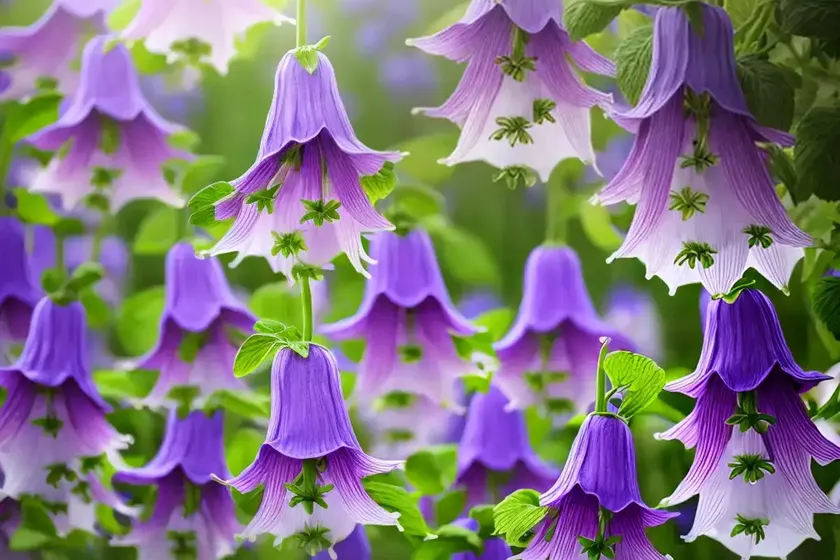
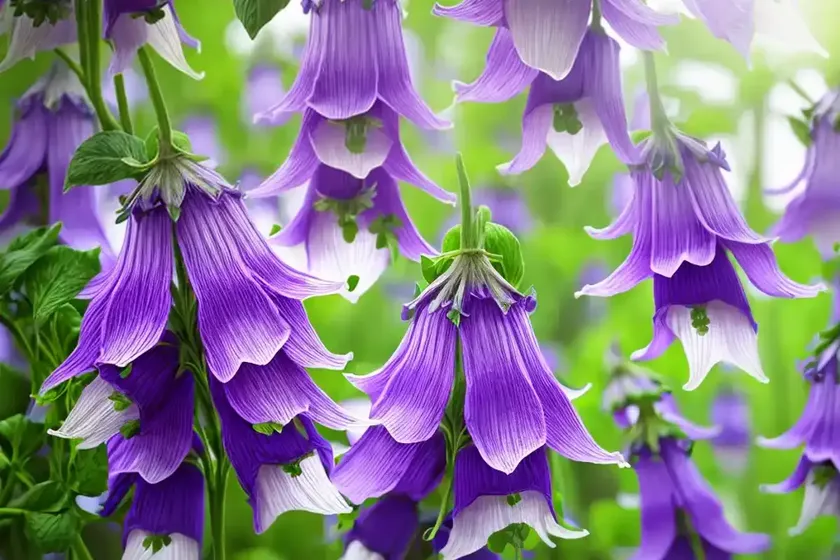
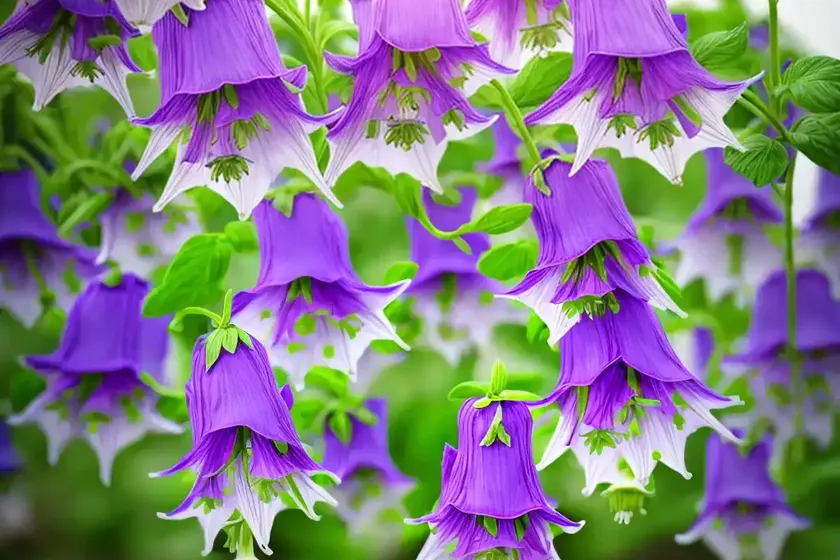
Bellflowers, scientifically known as Campanula, are a group of over 300 annual, biennial, and perennial plants that belong to the Campanulaceae family. These charming flowers are known for their bell-shaped blooms and have been widely cultivated for their ornamental value. In this comprehensive guide, we will delve into the various aspects of Bellflowers, including their culture, uses, maintenance, and more.
What is Bellflower (Campanula)?
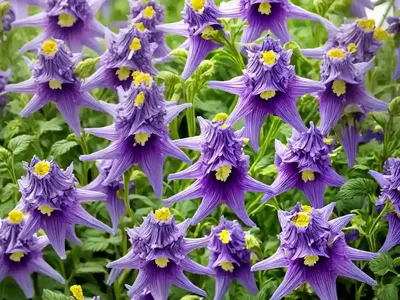
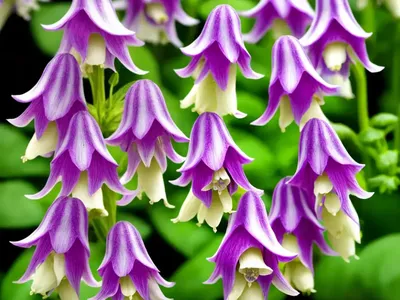
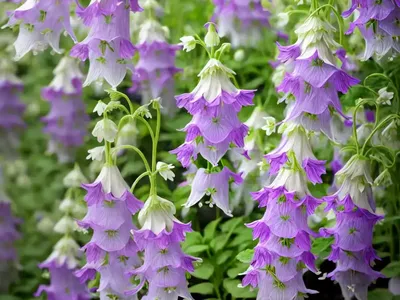
Bellflowers, or Campanula, are flowering plants native to the Northern Hemisphere, particularly in the temperate regions of Europe, Asia, and the Americas. These plants are characterized by their bell-shaped, often blue or violet-hued flowers, and are popular choices in gardens, landscapes, and floral arrangements. With numerous species and cultivars available, Bellflowers are highly versatile and can be grown in various settings, from traditional gardens to containers and hanging baskets.
Key Takeaways on Bellflower (Campanula)
Before we delve into the specifics of nurturing and maintaining Bellflowers, let’s explore the key takeaways about these delightful plants:
-
Campanula Types: With over 300 different species, Campanula offers a wide variety of choices, including annuals, biennials, and perennials, each with its unique growth habits and bloom characteristics.
-
Bellflower Varieties: There are numerous Bellflower varieties, showcasing a range of colors, sizes, and growth patterns, which allow for diverse landscaping and gardening possibilities.
-
Bellflower Plant Care: Proper care is essential for the successful cultivation of Bellflowers. Understanding their water, sunlight, fertilizer, soil, and pruning needs is crucial for their health and vigor.
-
Growing Campanula: Knowing the optimal conditions and techniques for growing Campanula is key to nurturing healthy plants and promoting abundant blooms.
-
Bellflower Garden: Campanula species are commonly used in gardens to provide color, texture, and pollinator-friendly blooms. Understanding their role in garden design is paramount for creating attractive, thriving landscapes.
-
Bellflower Flowers: The bell-shaped flowers of Campanula are their most distinctive feature, and their various colors and sizes make them versatile contributors to floral arrangements and indoor decorations.
-
Campanula Description: Understanding the physical attributes and growth patterns of Campanula is crucial for their successful integration into various landscaping and gardening scenarios.
-
Campanula Cultivation: Proper cultivation techniques, including propagation and seasonal care, are essential for the vigor and longevity of Bellflowers.
-
Bellflower Perennial: Many Campanula species are perennials, delighting gardeners with their recurring blooms year after year. Understanding their perennial nature is crucial for long-term garden planning.
-
Campanula Propagation: Knowing the most effective methods for propagating Campanula can help expand their presence in gardens and landscapes.
With these key takeaways in mind, let’s delve into the specific aspects of Bellflower cultivation, maintenance, and uses.
Culture
Water
Proper watering is crucial for the health and vitality of Bellflowers. While they generally prefer moist soil, proper drainage is essential to prevent waterlogging, which can lead to root rot and other issues. When watering, aim to keep the soil consistently moist but not waterlogged. In periods of extended drought, supplemental watering may be necessary, particularly for potted plants or those in exposed locations.
Sunlight
Bellflowers thrive in full to partial sunlight, depending on the specific species or variety. Ensuring that they receive adequate sunlight is crucial for promoting robust growth and abundant flowering. While some species tolerate partial shade, they generally perform best in areas with ample sunlight, ideally receiving at least 6-8 hours of direct sunlight per day.
Fertilizer
Fertilizing Bellflowers can help promote healthy growth and prolific blooms. A balanced, all-purpose fertilizer can be applied in the spring as new growth emerges. However, it’s important to avoid over-fertilization, as this can lead to excessive foliage growth at the expense of blooms. Additionally, some Campanula species, particularly those grown as perennials, benefit from a light application of fertilizer in the fall to support root development and winter hardiness.
Soil
Well-draining, fertile soil is ideal for Bellflowers. They thrive in slightly acidic to neutral soil and benefit from the incorporation of organic matter, such as compost, into the planting area. Amending the soil with organic material can improve its structure and fertility, providing an optimal environment for healthy Campanula growth.
Pruning
Pruning can help maintain the shape and vigor of Bellflowers while also promoting additional blooms. Deadheading spent flowers can encourage the development of new buds and prolong the flowering period. Additionally, removing any damaged or diseased foliage can help prevent the spread of pests and diseases while enhancing the overall aesthetic of the plants.
Propagation
Bellflowers can be propagated through various methods, including division, stem cuttings, and seed sowing. Understanding the specific requirements and techniques for each propagation method is key to successfully expanding the presence of Bellflowers in the garden or landscape.
Division
Dividing mature Bellflower clumps can help rejuvenate overcrowded plants and create new specimens for planting in different areas. This process is typically performed in the spring or fall when the plants are not in active growth. By carefully separating the roots and stems and replanting the divisions, gardeners can effectively propagate Bellflowers and ensure their continued presence in the landscape.
Stem Cuttings
Propagating Bellflowers from stem cuttings can be an effective method for producing new plants with characteristics identical to the parent plant. Selecting healthy, non-flowering stems and rooting them in a suitable growing medium can yield new plants that are genetically identical to the original, preserving the desired traits and qualities.
Seed Sowing
Growing Bellflowers from seeds allows for a diverse array of new plants with unique characteristics. Seeds can be sown directly into the garden in the spring or started indoors several weeks before the last frost date. By providing the appropriate growing conditions and care, gardeners can successfully propagate Bellflowers from seeds, expanding their collection and introducing new varieties to their landscapes.
Container Popularity
Bellflowers are popular choices for container gardening, thanks to their compact growth habit and ornamental blooms. Whether grown in individual containers or combined with other suitable companions, Bellflowers add color, charm, and visual interest to patio spaces, balconies, and small gardens. When cultivating Bellflowers in containers, it’s important to provide adequate drainage, use a well-balanced potting mix, and ensure proper watering and sunlight conditions to support their growth and flowering.
Container Common Diseases
While Bellflowers are generally resilient to diseases, certain issues may arise, particularly when grown in containers. Common container diseases that may affect Bellflowers include:
- Root Rot: Occurs due to overwatering and waterlogged soil.
- Powdery Mildew: Fungal infection favored by high humidity and poor air circulation.
- Botrytis Blight: Gray mold that thrives in damp conditions and can affect leaves and stems.
Proper container maintenance, including providing adequate drainage, ventilation, and using disease-resistant potting mixes, can help prevent these issues and promote the health and longevity of Bellflowers in containers.
Disease Diagnosis
Diagnosing diseases in Bellflowers involves observing the symptoms, such as leaf spots, wilting, discoloration, or abnormal growth, and identifying the potential causes, including environmental factors, pathogens, and cultural practices. Proper diagnosis is crucial for implementing targeted treatment or management strategies to address the specific disease affecting the plants. Seeking assistance from local extension services or plant health experts can aid in accurately diagnosing and addressing diseases in Bellflowers.
Common Pests
While generally resilient to pest infestations, Bellflowers may occasionally encounter common garden pests that can affect their health and appearance. Some of the common pests that may target Bellflowers include:
- Aphids: Small, sap-sucking insects that can cause leaf distortion and stunted growth.
- Slugs and Snails: Feed on foliage and flowers, leaving behind irregular holes and damage.
- Spider Mites: Tiny arachnids that feed on plant sap, leading to stippled, discolored leaves.
Implementing integrated pest management strategies, including cultural controls, natural predators, and targeted treatments, can help mitigate pest pressures and protect the health of Bellflowers in the garden.
Botanist’s Tips
1. Campanula Species Diversity
The diverse range of Campanula species offers an abundance of choices for gardeners, from low-growing ground covers to tall, showy perennials. Exploring the various species and their unique characteristics can help in selecting the most suitable plants for specific garden settings and design themes.
2. Seasonal Care
Providing appropriate care throughout the seasons is crucial for the overall health and performance of Bellflowers. Understanding their needs during each season, from spring emergence to fall dormancy, can help ensure that they receive the necessary attention and support for optimal growth and flowering.
3. Wildlife Attraction
Bellflowers, with their nectar-rich blooms, can attract pollinators such as bees, butterflies, and hummingbirds to the garden. Incorporating Campanula into wildlife-friendly plantings can contribute to a thriving, biodiverse landscape while supporting essential pollinators and beneficial insects.
4. Garden Design
Integrating Bellflowers into garden designs requires careful consideration of their growth habits, colors, and seasonal attributes. Incorporating them into borders, rock gardens, and mixed perennial beds can create visually appealing and dynamic landscapes, adding texture, color, and seasonal interest.
Fun Facts
Before we conclude our comprehensive guide, here are some fun and fascinating facts about Bellflowers (Campanula):
- Bellflowers are named for their bell-shaped flowers, which often hang or nod, giving them a distinct appearance in the garden.
- The genus name “Campanula” is derived from the Latin word for “little bell,” perfectly describing the charming floral structure of these plants.
- Some Campanula species have historical and cultural significance, being used in traditional medicine and folklore for various purposes, from treating ailments to warding off evil spirits.
Links to External Resources
For further information on Bellflower (Campanula) cultivation, uses, and related topics, consider exploring the following resources:
- Royal Horticultural Society – Campanula
- University of Minnesota Extension – Growing Perennials: Campanula
- Missouri Botanical Garden – Plant Finder: Bellflower (Campanula)
By providing an in-depth exploration of the culture, uses, and maintenance of Bellflowers (Campanula), this guide aims to equip gardeners and enthusiasts with the knowledge and insights needed to successfully cultivate and enjoy these delightful plants. Whether grown in gardens, containers, or naturalized settings, Bellflowers offer charm, color, and a touch of whimsy to any landscape.
Remember to embrace the diversity of Campanula species, implement proper care techniques, and appreciate the unique beauty of these bell-shaped blooms as you welcome them into your gardening adventures.