Actinidia Kolomikta (Variegated Kiwi Vine)
As a plant scientist, I am always thrilled to explore and share insights about unique and diverse plant species. Actinidia kolomikta, commonly known as.
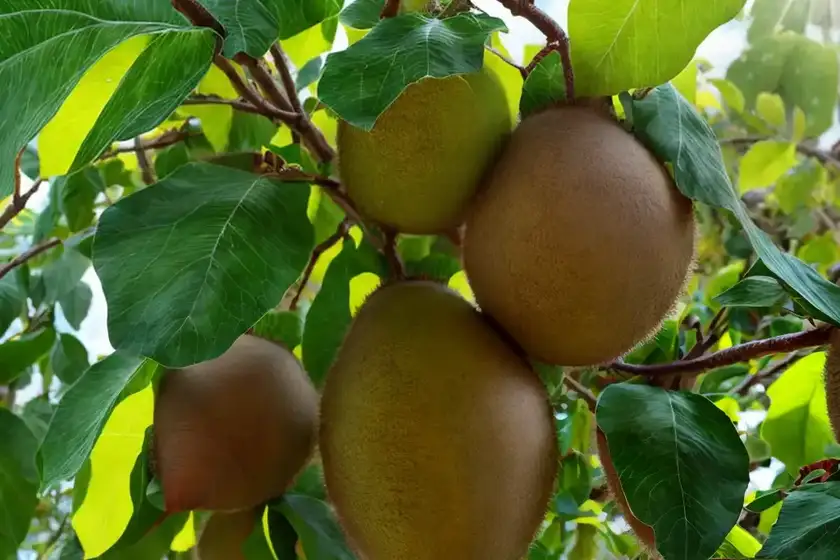
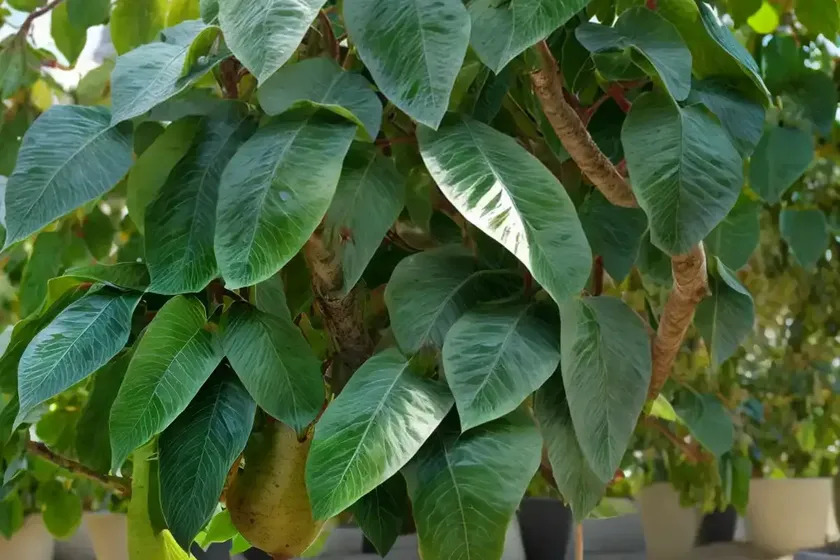
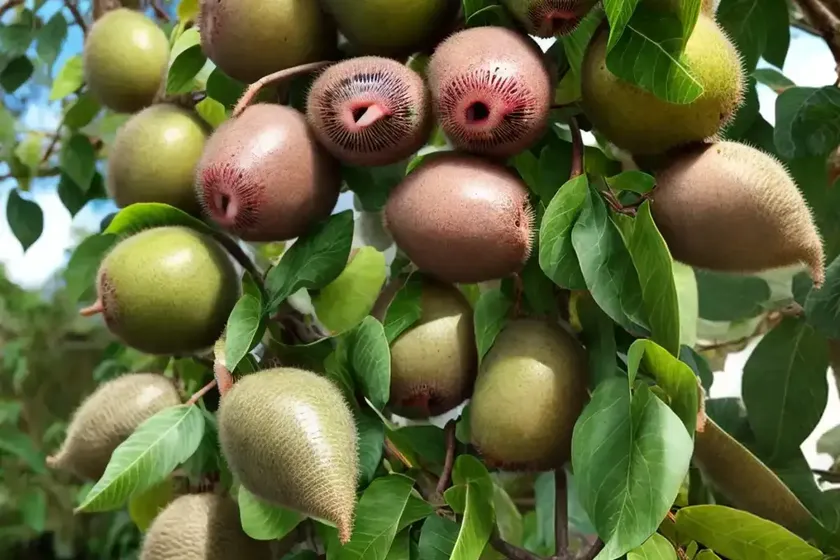
As a plant scientist, I am always thrilled to explore and share insights about unique and diverse plant species. Actinidia kolomikta, commonly known as Variegated Kiwi Vine, is one such fascinating plant that captivates with its stunning foliage, vigorous growth habit, and versatile uses in gardens and landscapes. In this comprehensive guide, we will delve into the captivating world of Actinidia kolomikta, exploring its culture, uses, care requirements, and much more. Whether you are a seasoned gardener, a landscaping enthusiast, or simply someone with an appreciation for extraordinary flora, this article is sure to provide valuable information and inspiration.
What is Actinidia kolomikta (Variegated Kiwi Vine)?
Actinidia kolomikta, belonging to the Actinidiaceae family, is a deciduous climbing vine native to the woodlands and mountain forests of eastern Siberia, the Russian Far East, Japan, and Korea. This exceptional plant is renowned for its striking variegated foliage, which features a captivating blend of pink, white, and green hues, creating a mesmerizing visual display throughout the growing season. In addition to its ornamental appeal, Actinidia kolomikta also produces small, edible fruits, adding an alluring practical aspect to its already impressive profile.
Key Takeaways – Actinidia kolomikta (Variegated Kiwi Vine)
Before we delve into the specific aspects of Actinidia kolomikta cultivation and care, let’s explore the key takeaways that make this remarkable plant such a desirable addition to gardens and landscapes.
- Actinidia kolomikta is a climbing vine known for its variegated foliage and small, edible fruits.
- This plant is revered for its ornamental value, making it a popular choice for trellises, pergolas, and arbors.
- It is a fast-growing and hardy vine, well-suited for various climates and environments.
- Actinidia kolomikta is not only visually stunning but also serves as a valuable wildlife attractant and a natural privacy screen.
- The vine’s low-maintenance nature and adaptability further contribute to its appeal in garden settings.
Now that we have highlighted some of the most notable features of Actinidia kolomikta, let’s delve deeper into its culture, uses, and the specific care guidelines required to nurture this exceptional plant.
Culture
Understanding the cultural preferences and requirements of Actinidia kolomikta is crucial for ensuring its optimal growth and vitality in a garden or landscape setting. From watering and sunlight needs to soil preferences and pruning techniques, a comprehensive knowledge of the plant’s culture is essential for successfully cultivating and enjoying this captivating vine.
Water
Actinidia kolomikta thrives in moderately moist soil conditions, necessitating regular watering, especially during the establishment phase and periods of drought. However, it is important to avoid waterlogging, as excessive moisture can lead to root rot and other detrimental effects. Striking a balance in watering frequency is key to promoting healthy growth and foliage development. During hot and dry spells, increased attention to watering is crucial to prevent stress and dehydration in the vine.
Sunlight
In terms of sunlight requirements, Actinidia kolomikta flourishes in partial to full sun, although it can also tolerate some shade. Ideally, providing the vine with at least six hours of direct sunlight per day is recommended to ensure robust growth and vibrant foliage coloring. However, in hotter climates, some protection from intense midday sun can be beneficial, as excessive heat and sun exposure may lead to leaf scorching and reduced overall vigor.
Fertilizer
When it comes to fertilization, Actinidia kolomikta benefits from regular, balanced feedings during the growing season to support its vigorous growth and enhance foliage coloration. A well-balanced, slow-release fertilizer formulated for ornamental vines and climbers can be applied in early spring, followed by additional feedings every 6-8 weeks until mid-summer. It is important to avoid over-fertilization, as this can result in excessive vegetative growth at the expense of flower and fruit production.
Soil
Actinidia kolomikta thrives in well-draining, loamy soil with a slightly acidic to neutral pH range. Amending the soil with organic matter such as compost or well-rotted manure can improve its texture and fertility, providing an optimal growing medium for the vine’s root system. While the plant is adaptable to various soil types, ensuring adequate drainage is crucial to prevent waterlogged conditions, which can be detrimental to its health and vitality.
Pruning
Pruning plays a significant role in maintaining the health, shape, and productivity of Actinidia kolomikta. Annual pruning during late winter or early spring is recommended to remove dead, damaged, or congested growth, as well as to shape the vine and encourage robust new growth. Additionally, selectively pruning to manage the vine’s size and spread can help prevent overcrowding, improve air circulation, and promote overall vigor. Care should be taken to avoid excessive pruning during the growing season, as this can disrupt flowering and fruiting.
Uses
Actinidia kolomikta boasts a wide range of uses and applications in gardens and landscaping, making it a versatile and sought-after plant for horticultural enthusiasts and landscape designers. From ornamental purposes to practical benefits, the vine’s uses encompass both aesthetic and functional aspects, enhancing its overall appeal and value in diverse settings.
Ornamental Vine
The variegated foliage of Actinidia kolomikta makes it a stunning addition to trellises, arbors, pergolas, and other structures where its climbing habit can be showcased. Whether trained against a wall or allowed to cascade over a support, the vine’s colorful leaves create a captivating display throughout the growing season, adding visual interest and vibrancy to the landscape. Its vigorous growth and ability to cover vertical surfaces make it an ideal choice for adding height and lush greenery to garden spaces.
Fruit Production
In addition to its ornamental allure, Actinidia kolomikta produces small, flavorful fruits that are enjoyed by both humans and wildlife. The edible berries, often referred to as kiwi berries, are rich in Vitamin C and other beneficial nutrients, making them a valuable addition to home fruit gardens and permaculture systems. While the vine may not yield fruits as prolifically as commercial kiwi cultivars, the unique and delectable nature of its berries contributes to its appeal for those seeking a novel and rewarding fruiting plant.
Wildlife Attractant
Actinidia kolomikta serves as a valuable wildlife attractant, drawing various pollinators and beneficial insects with its fragrant flowers and nectar resources. Butterflies, bees, and other pollinators are often observed visiting the vine, contributing to the overall biodiversity and ecological balance within the garden. The provision of food and habitat for wildlife further enhances the vine’s role in supporting a thriving and harmonious natural ecosystem.
Natural Privacy Screen
Due to its robust growth and dense foliage, Actinidia kolomikta is also utilized as a natural privacy screen, offering an attractive alternative to traditional fencing and barriers. When trained to cover a trellis or wire mesh, the vine forms a lush green wall, providing both visual screening and a habitat for small birds and beneficial wildlife. Its rapid growth and ability to reach significant heights make it an effective and aesthetically pleasing solution for creating secluded outdoor spaces.
Propagation
Propagation of Actinidia kolomikta can be accomplished through several methods, including seed sowing, stem cuttings, and layering. Each approach offers unique advantages and considerations, allowing propagation to be successfully undertaken by both experienced gardeners and novice enthusiasts. By understanding the various propagation techniques, individuals can expand their Actinidia kolomikta collection, share plants with others, and contribute to the preservation of this captivating species.
Seed Sowing
Propagating Actinidia kolomikta from seeds is a viable method for generating new plants, although it typically requires more time and patience compared to other propagation techniques. Fresh, ripe seeds collected from mature fruits can be sown in seed trays or pots filled with a well-draining potting mix. The seeds should be lightly covered with a thin layer of soil and kept consistently moist until germination occurs. Once the seedlings have established several sets of true leaves, they can be transplanted into individual pots to continue their growth.
Stem Cuttings
Using stem cuttings is a popular and effective means of propagating Actinidia kolomikta, as it allows for the rapid generation of new plants using vegetative material from a parent vine. During the active growing season, select healthy, non-flowering shoots and take cuttings that are 4-6 inches in length, ensuring each cutting possesses at least two sets of leaves. Remove the lower set of leaves and dip the cut end in a rooting hormone to promote successful root development. The cuttings can then be placed in a well-draining rooting medium and kept consistently moist until roots form.
Layering
Layering is another propagation method suitable for Actinidia kolomikta, particularly for individuals who prefer a more hands-off approach to generating new plants. In early spring, select a healthy, flexible shoot and gently bend it to ground level, ensuring that a portion of the middle section is in contact with the soil. Make a shallow cut on the underside of the shoot to encourage root formation at the point of contact with the soil. Secure the layered portion in place with a small stake or rock and keep the soil consistently moist until roots have developed. Once the new plantlet has established a robust root system, it can be separated from the parent vine and transplanted to its desired location.
Container Popularity
Actinidia kolomikta’s versatility and ornamental appeal make it a popular choice for container cultivation, allowing individuals with limited space or specific design preferences to enjoy the vine’s captivating attributes. When grown in containers, the plant can be utilized in various ways, from accentuating patio spaces to adorning balconies and terraces with its vibrant foliage and graceful demeanor. Its adaptability to container culture further expands its appeal, making it accessible to a wide range of gardening enthusiasts.
Container Requirements
When selecting a container for Actinidia kolomikta, it is important to choose a sizeable, sturdy pot that provides ample room for the vine’s root system to develop and expand. A container with drainage holes is essential to prevent waterlogging, and using a high-quality, well-draining potting mix is recommended to ensure optimal soil conditions. Positioning the container in a location that receives adequate sunlight while also providing some protection from harsh afternoon sun and wind is beneficial for the plant’s overall health and vigor.
Care Considerations
While growing in containers, Actinidia kolomikta requires consistent attention to watering, fertilization, and overall maintenance to ensure its well-being. Monitoring soil moisture levels and adjusting watering frequency as needed is crucial, especially during hot and dry periods. Regular feeding with a balanced, slow-release fertilizer can support the vine’s growth and vigor, with the application frequency adjusted according to the specific product’s guidelines. Additionally, periodic pruning may be necessary to manage the plant’s size and shape, preventing it from becoming overly dense or unwieldy within the container.
Common Diseases
Though generally resilient, Actinidia kolomikta is susceptible to certain diseases and disorders that can compromise its health and vitality if left unchecked. Recognizing the symptoms and appropriate management strategies for common diseases and issues is essential for safeguarding the vine’s well-being and ensuring its long-term success in the garden. By familiarizing oneself with these potential challenges, gardeners can take proactive measures to minimize their impact and promote a thriving Actinidia kolomikta specimen.
Diseases Diagnosis
Leaf Spot
Leaf spot, caused by fungal pathogens such as Apiognomonia actinidiae, manifests as small, dark lesions on the foliage, often surrounded by a yellow halo. In severe cases, the affected leaves may yellow and drop prematurely, leading to defoliation and reduced plant vigor. To manage leaf spot, it is important to promote good air circulation around the plant, avoid overhead watering, and apply fungicidal sprays as a preventive measure during periods of high humidity and leaf wetness.
Crown Gall
Crown gall, typically caused by the bacterium Agrobacterium tumefaciens, results in the development of swollen, tumor-like growths on the vine’s stems and roots. These galls can impede the plant’s nutrient uptake and weaken its overall resilience. Preventing infection through the use of sterile tools for pruning and avoiding wounding the plant unnecessarily can help reduce the risk of crown gall. Additionally, affected plant parts should be promptly removed and destroyed to prevent the spread of the disease.
Powdery Mildew
Powdery mildew, caused by various fungal species, presents as a white, powdery growth on the vine’s foliage, ultimately leading to leaf distortion and reduced photosynthetic capacity. Improving air circulation around the plant and maintaining a balanced watering regime can help mitigate the risk of powdery mildew. Fungicidal treatments may be employed if the disease becomes established, with a focus on applying products specifically formulated for combating powdery mildew.
Root Rot
Root rot, often initiated by overly wet soil conditions and exacerbated by fungal pathogens such as Phytophthora species, compromises the plant’s root system, leading to wilting, stunted growth, and a general decline in health. Improving soil drainage, avoiding waterlogged conditions, and adjusting watering practices can aid in preventing root rot. Selecting well-draining planting locations and ensuring the use of healthy, disease-free planting material are important steps in managing this disease.
Integrated Disease Management
Implementing a comprehensive integrated disease management approach that combines cultural, biological, and chemical strategies can help mitigate disease incidence and severity in Actinidia kolomikta. This multifaceted approach involves promoting overall plant vigor through proper care practices, enhancing soil health and microbial activity, and using targeted treatments only when necessary and following product labels and guidelines. By fostering a resilient and balanced growing environment, gardeners can create conditions less conducive to disease development while supporting the plant’s natural defense mechanisms.
Common Pests
In addition to diseases, Actinidia kolomikta can be affected by various pests that may pose challenges to its health and growth. By familiarizing oneself with the signs of pest infestations and employing appropriate control measures, gardeners can protect their vines and minimize the impact of these potential adversaries, promoting the overall well-being of Actinidia kolomikta within the garden.
Key Pests
Aphids
Aphids, small, sap-feeding insects, may colonize Actinidia kolomikta, causing distorted growth, leaf curling, and a sticky residue known as honeydew. These pests can be managed through regular monitoring, physical removal, and the application of insecticidal soaps or horticultural oils to suppress their populations while minimizing impact on beneficial insects.
Spider Mites
Spider mites, microscopic arachnids, may infest Actinidia kolomikta, feeding on the plant’s sap and causing stippling, webbing, and decreased vigor. Mitigating spider mite infestations involves enhancing humidity, rinsing the foliage with water, and utilizing acaricides or predatory mites when necessary to control their numbers and prevent widespread damage.
Scale Insects
Scale insects, characterized by their immobile, waxy coverings, can affect Actinidia kolomikta, causing yellowing, wilting, and overall decline. Managing scale infestations involves the targeted application of horticultural oils or insecticidal sprays to disrupt their life cycle and minimize their impact on the plant’s health.
Pest Monitoring and Management
Regularly inspecting Actinidia kolomikta for signs of pest activity, including distorted growth, discoloration, and the presence of honeydew or webbing, is essential in detecting and addressing potential pest issues promptly. Employing mechanical control methods such as handpicking or spraying with water can help manage early-stage infestations, while utilizing biological controls and selective pesticide applications can target persistent or severe pest problems. By promoting a healthy and balanced growing environment, gardeners can also encourage natural predators and beneficial insects to assist in pest management efforts, contributing to the overall resilience of the vine.
Botanist’s Tips
As a plant scientist deeply passionate about Actinidia kolomikta and its remarkable attributes, I would like to share some valuable tips and insights for cultivating, enjoying, and maximizing the potential of this captivating vine. By incorporating these botanist’s tips into your approach to Actinidia kolomikta care, you can enhance your gardening experience and foster an environment where the vine thrives and flourishes.
Tip 1: Embrace Variegated Beauty
Take full advantage of Actinidia kolomikta’s variegated foliage by positioning the vine in a location where its colorful leaves can be prominently featured. Whether against a backdrop of dark foliage for striking contrast or against a light-colored wall to accentuate its vibrancy, maximizing the visual impact of the plant’s variegation adds a dynamic dimension to the garden.
Tip 2: Provide Adequate Support
Actinidia kolomikta’s vigorous climbing habit requires sturdy and secure support, especially as the vine matures and develops. Ensure the chosen structure, whether a trellis, pergola, or other framework, is capable of accommodating the vine’s growth and providing ample space for its sprawling and climbing nature.
Tip 3: Balance Pruning and Growth
Regular pruning is essential for maintaining the health and vigor of Actinidia kolomikta, but it is important to strike a balance between promoting new growth and managing the plant’s size. By selectively pruning to encourage robust, new shoots and removing excessive or overcrowded growth, you can preserve the vine’s overall health and appearance.
Tip 4: Incorporate Eco-friendly Practices
Foster a sustainable and eco-friendly approach to Actinidia kolomikta cultivation by composting organic matter, utilizing natural pest control methods, and minimizing reliance on synthetic chemicals. These practices not only benefit the environment but also contribute to the overall well-being of the vine and its surrounding ecosystem.
Tip 5: Celebrate Seasonal Changes
Appreciate Actinidia kolomikta’s seasonal transformations, from the emergence of new leaves in spring to the potential fruit production in summer and the striking foliage coloration in fall. Embracing these seasonal shifts adds an enriching dimension to the plant’s presence in the garden, creating an ever-evolving tapestry of colors and textures.
Fun Facts
Discovering fascinating and lesser-known facts about Actinidia kolomikta adds a sense of wonder and appreciation for this extraordinary vine. From historical tidbits to intriguing natural adaptations, these fun facts provide a glimpse into the captivating world of Actinidia kolomikta, further enhancing its allure and appeal.
- Actinidia kolomikta is named after the Russian botanist and explorer, Count Sergei Alekseevich Kolomikto, who contributed to the study and documentation of Siberian flora.
- The variegated foliage of Actinidia kolomikta is not only visually striking but also serves a functional purpose in the plant’s natural habitat, providing camouflage and protection from herbivores amidst the dappled light of the forest.
- Actinidia kolomikta is dioecious, meaning that individual plants are either male or female, requiring a male and a