Fuzzy Kiwifruit (Actinidia Deliciosa)
Kiwifruit, also known as Chinese gooseberry, is a nutritious and delicious fruit that has gained popularity for its unique taste and numerous health.
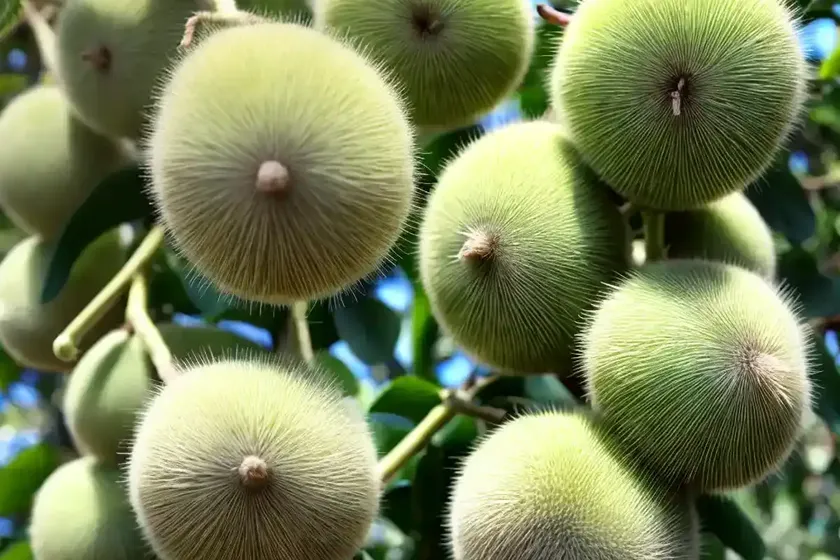
Kiwifruit, also known as Chinese gooseberry, is a nutritious and delicious fruit that has gained popularity for its unique taste and numerous health benefits. One of the most well-known varieties of kiwifruit is the Fuzzy Kiwifruit, scientifically named Actinidia Deliciosa. In this comprehensive guide, we will delve into all aspects of growing, caring for, and enjoying Fuzzy Kiwifruit.
What is Fuzzy Kiwifruit (Actinidia Deliciosa)?
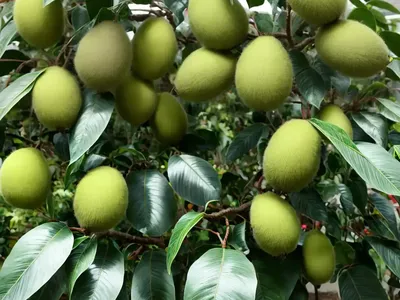
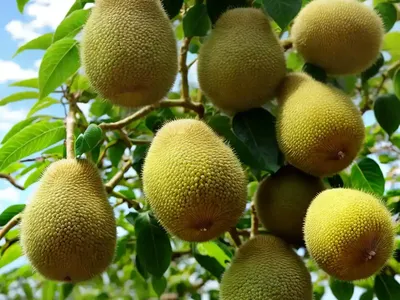
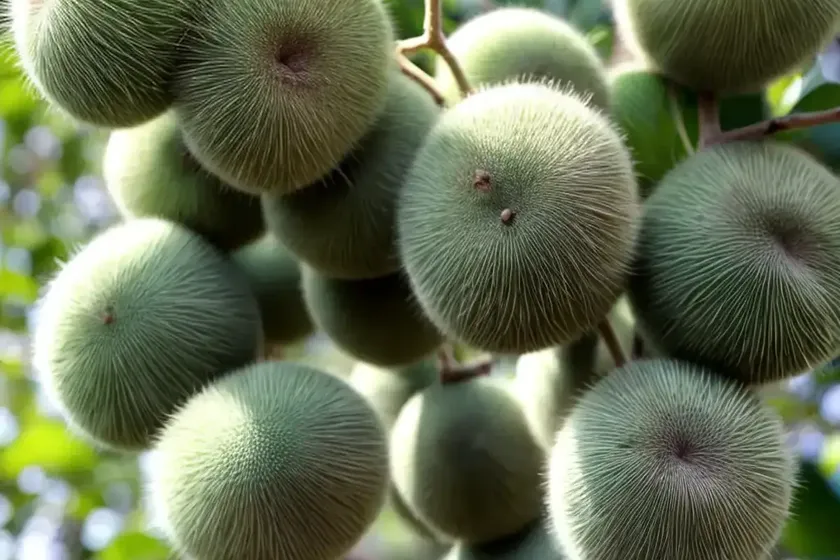
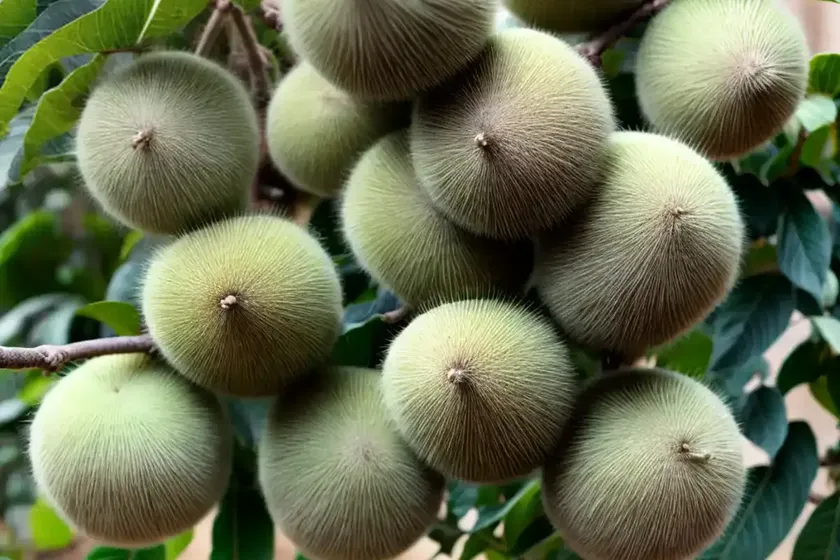
Fuzzy Kiwifruit, or Actinidia Deliciosa, is a woody vine that belongs to the family Actinidiaceae. This deciduous vine is native to southern China and is also widely cultivated in New Zealand. The name “Fuzzy Kiwifruit” is derived from its fuzzy, brown exterior and vibrant green flesh with tiny, edible black seeds.
Key Takeaways – Fuzzy Kiwifruit (Actinidia Deliciosa)
Before we dive into the details, let’s highlight some key takeaways about the Fuzzy Kiwifruit, also known as Actinidia Deliciosa:
- Scientific Name: Actinidia Deliciosa
- Common Name: Fuzzy Kiwifruit
- Family: Actinidiaceae
- Origin: Native to southern China
- Popular Cultivation: Widely grown in New Zealand
- Appearance: Fuzzy, brown exterior and vibrant green flesh with edible black seeds
Now, let’s explore the different aspects of cultivating and caring for this unique fruit.
Culture
Cultivating Fuzzy Kiwifruit requires attention to various factors such as water, sunlight, soil, and fertilizer. Understanding the optimal conditions for its growth is essential for a successful harvest.
Uses
The uses of Fuzzy Kiwifruit extend beyond just consuming the fresh fruit. This versatile fruit can be incorporated into various culinary creations, including smoothies, fruit salads, and desserts. Additionally, it can be utilized in making jams, jellies, and preserves, adding a delightful twist to traditional recipes.
Water
Fuzzy Kiwifruit plants require ample water, especially during the growing season and fruit development. Adequate irrigation is crucial to ensure that the vines remain healthy and productive. However, it is important to avoid waterlogging, as excess moisture can lead to root rot and other related issues.
Sunlight
Proper exposure to sunlight is vital for the healthy growth of Fuzzy Kiwifruit plants. They thrive in full sun or partial shade, making it essential to choose a planting location that provides the right balance of sunlight throughout the day.
Fertilizer
Applying a balanced fertilizer is beneficial to promote the growth and fruiting of Fuzzy Kiwifruit vines. A slow-release fertilizer with equal parts of nitrogen, phosphorus, and potassium can support the development of robust vines and high-quality fruit.
Soil
The ideal soil for cultivating Fuzzy Kiwifruit is well-draining and rich in organic matter. A slightly acidic to neutral pH is preferred, typically ranging between 6.0 to 6.5. It is important to ensure good soil drainage to prevent waterlogged conditions, which can be detrimental to the plants.
Pruning
Pruning is an essential practice for maintaining the health and productivity of Fuzzy Kiwifruit vines. Regular pruning helps manage the vine’s growth, encourages fruit production, and maintains an open structure to facilitate sunlight penetration and air circulation.
Propagation
Fuzzy Kiwifruit can be propagated through various methods, including hardwood cuttings, softwood cuttings, and layering. Each propagation technique has its advantages and is often chosen based on the specific requirements and preferences of the grower.
Container Popularity
Growing Fuzzy Kiwifruit in containers has gained popularity among gardeners, especially those with limited space. Container cultivation allows for greater control over the growing conditions and provides the flexibility to move the plants as needed.
Common Diseases
Fuzzy Kiwifruit plants are susceptible to certain diseases that can impact their overall health and productivity. It is important to be aware of these potential issues and take proactive measures to prevent and manage them effectively.
Disease Diagnosis
Diagnosing diseases in Fuzzy Kiwifruit plants involves observing and identifying symptoms such as leaf discoloration, wilting, lesions, and unusual growth patterns. Timely and accurate diagnosis is crucial for implementing the appropriate management strategies.
Common Pests
Pests such as aphids, spider mites, and scale insects can pose a threat to Fuzzy Kiwifruit plants. Regular monitoring and early intervention are essential for controlling pest populations and minimizing potential damage to the vines and fruit.
Botanist’s Tips
For aspiring botanists and gardening enthusiasts, here are some valuable tips for growing Fuzzy Kiwifruit:
- Select healthy, disease-resistant cultivars for planting.
- Provide adequate support for the climbing vine to ensure proper growth.
- Monitor soil moisture levels regularly, especially during the flowering and fruiting stages.
- Prune the vines during the dormant season to maintain their vigor and shape.
- Implement integrated pest management practices to address potential pest issues.
Fun Facts
To add a touch of fascination to the discussion, here are some intriguing fun facts about Fuzzy Kiwifruit:
- Fuzzy Kiwifruit is a powerhouse of nutrition, containing high levels of vitamin C, dietary fiber, and antioxidants.
- The fuzzy exterior of the fruit serves as a protective layer, shielding the delicious green flesh within.
- The vibrant green color of the flesh adds a visually appealing element to various culinary creations.
- Fuzzy Kiwifruit is known for its refreshing and tangy flavor, making it a popular choice for fruit enthusiasts.
Links to External Resources
For further exploration and in-depth information about Fuzzy Kiwifruit, refer to the following external resources:
- Fuzzy Kiwifruit Growing Guide
- Actinidia Deliciosa: A Comprehensive Overview
- Kiwifruit Diseases and Pests Management
In conclusion, Fuzzy Kiwifruit, or Actinidia Deliciosa, is a fascinating fruit with a rich history and a myriad of cultivation and culinary possibilities. Whether you are an avid gardener, a fruit enthusiast, or a culinary aficionado, exploring the world of Fuzzy Kiwifruit can be a rewarding and enriching experience. As you embark on your journey of growing and enjoying this exceptional fruit, may the insights and tips shared in this guide serve as valuable resources to enhance your knowledge and success.
Keywords: Kiwifruit benefits, Actinidia Deliciosa uses, Growing fuzzy kiwifruit, Health benefits of fuzzy kiwifruit, Actinidia Deliciosa varieties, How to grow Actinidia Deliciosa, Fuzzy Kiwifruit nutrition, Actinidia Deliciosa cultivation, Best conditions for growing fuzzy kiwifruit, Actinidia Deliciosa planting tips, Fuzzy Kiwifruit care, Actinidia Deliciosa pruning techniques, Fuzzy Kiwifruit vine, Actinidia Deliciosa harvest, Fuzzy Kiwifruit diseases, Actinidia Deliciosa pests, Fuzzy Kiwifruit watering, Actinidia Deliciosa trellis, How to propagate fuzzy kiwifruit, Actinidia Deliciosa pollination, Fuzzy Kiwifruit varieties, Actinidia Deliciosa pruning schedule, Fuzzy Kiwifruit growing zones, Actinidia Deliciosa soil requirements, Fuzzy Kiwifruit planting guide, Actinidia Deliciosa fruiting season, Fuzzy Kiwifruit recipes, Actinidia Deliciosa storage tips, Fuzzy Kiwifruit marketing, Actinidia Deliciosa nutritional value, Fuzzy Kiwifruit pollinators, Actinidia Deliciosa trellising methods, Fuzzy Kiwifruit propagation techniques, Actinidia Deliciosa vine health, Fuzzy Kiwifruit growing challenges, Actinidia Deliciosa fruit quality, Fuzzy Kiwifruit frost protection, Actinidia Deliciosa fertilization, Fuzzy Kiwifruit vine training, Actinidia Deliciosa storage requirements, Fuzzy Kiwifruit best practices, Actinidia Deliciosa market demand, Fuzzy Kiwifruit flavor profile, Actinidia Deliciosa pest control, Fuzzy Kiwifruit common diseases, Actinidia Deliciosa nutrients, Fuzzy Kiwifruit consumption trends, Actinidia Deliciosa growth cycle, Fuzzy Kiwifruit culinary uses, Actinidia Deliciosa marketing strategies